How To Install Radiant Floor Heating
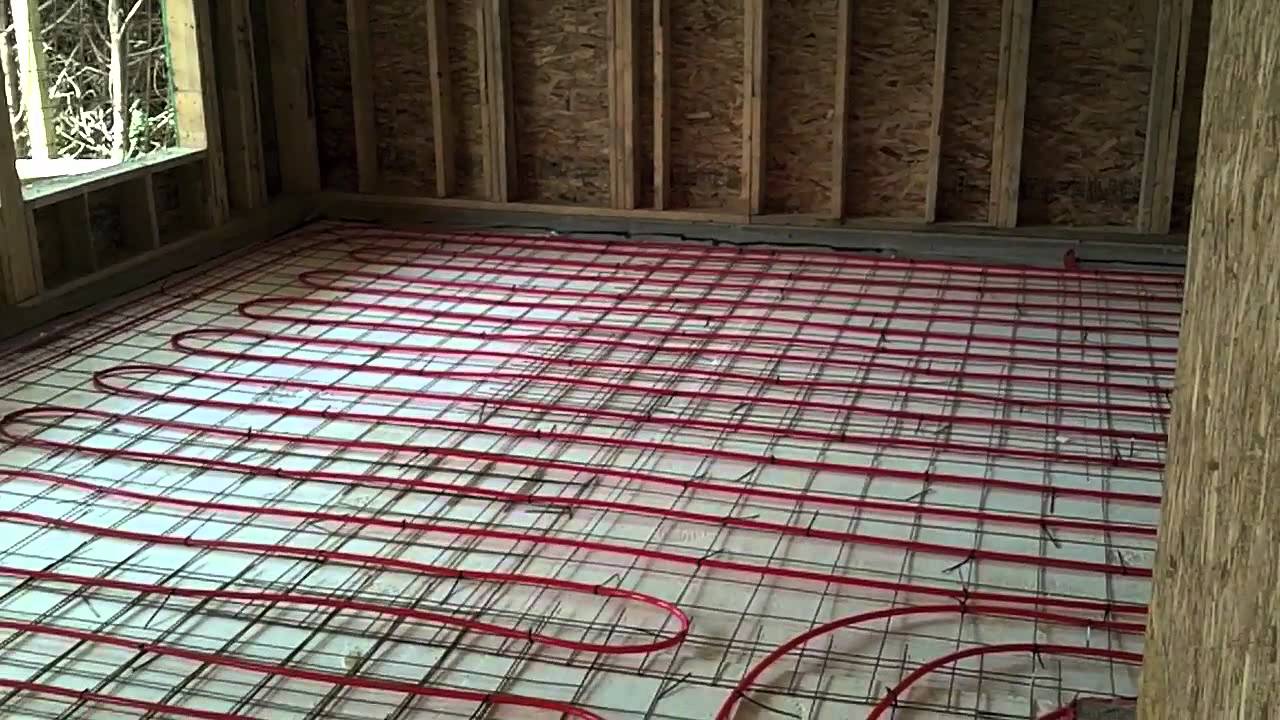
Radiant floor heating is quickly gaining popularity as a comfortable and energy-efficient alternative to traditional forced-air systems. By warming surfaces directly, radiant heat minimizes drafts and temperature stratification, leading to significant energy savings and improved indoor air quality. This guide provides a comprehensive overview of installing radiant floor heating, covering different types, installation methods, and smart home integration for optimal performance. Whether you're a homeowner looking to upgrade, a business aiming for sustainability, or an HVAC contractor seeking to expand your service offerings, this information will prove invaluable.
Understanding Radiant Floor Heating Systems
Radiant floor heating systems operate by circulating heated water (hydronic systems) or electricity (electric systems) through tubing or cables embedded within the floor. The floor then radiates heat upwards, warming objects and people in the room. This differs significantly from forced-air systems, which heat the air itself, leading to uneven temperature distribution and energy loss through ducts.
Types of Radiant Floor Heating
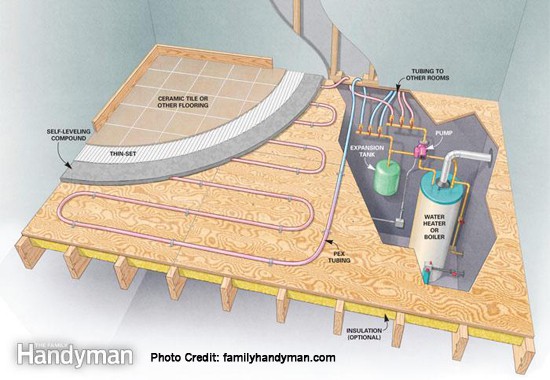
- Hydronic Radiant Floor Heating: This type uses a boiler or water heater to heat water, which is then pumped through a network of tubing typically made of PEX (cross-linked polyethylene) embedded in the floor. Hydronic systems are generally more energy-efficient for larger areas and new construction, as they can be integrated with various heat sources like solar thermal systems and geothermal heat pumps.
- Electric Radiant Floor Heating: Electric systems utilize electric resistance cables or mats to generate heat. They are easier to install in smaller areas, such as bathrooms or kitchens, and are often used for supplemental heating. However, electric systems are generally more expensive to operate than hydronic systems, particularly in areas with high electricity rates.
Key Components of a Radiant Floor Heating System
Regardless of the type, a radiant floor heating system typically consists of the following key components:
- Heat Source: This could be a boiler, water heater, heat pump (for hydronic systems), or electric resistance cables or mats (for electric systems). The size and capacity of the heat source will depend on the area being heated and the heat loss of the building.
- Tubing or Cables: These are embedded within the floor and carry the heated water or electricity. PEX tubing is the most common choice for hydronic systems due to its flexibility, durability, and resistance to corrosion.
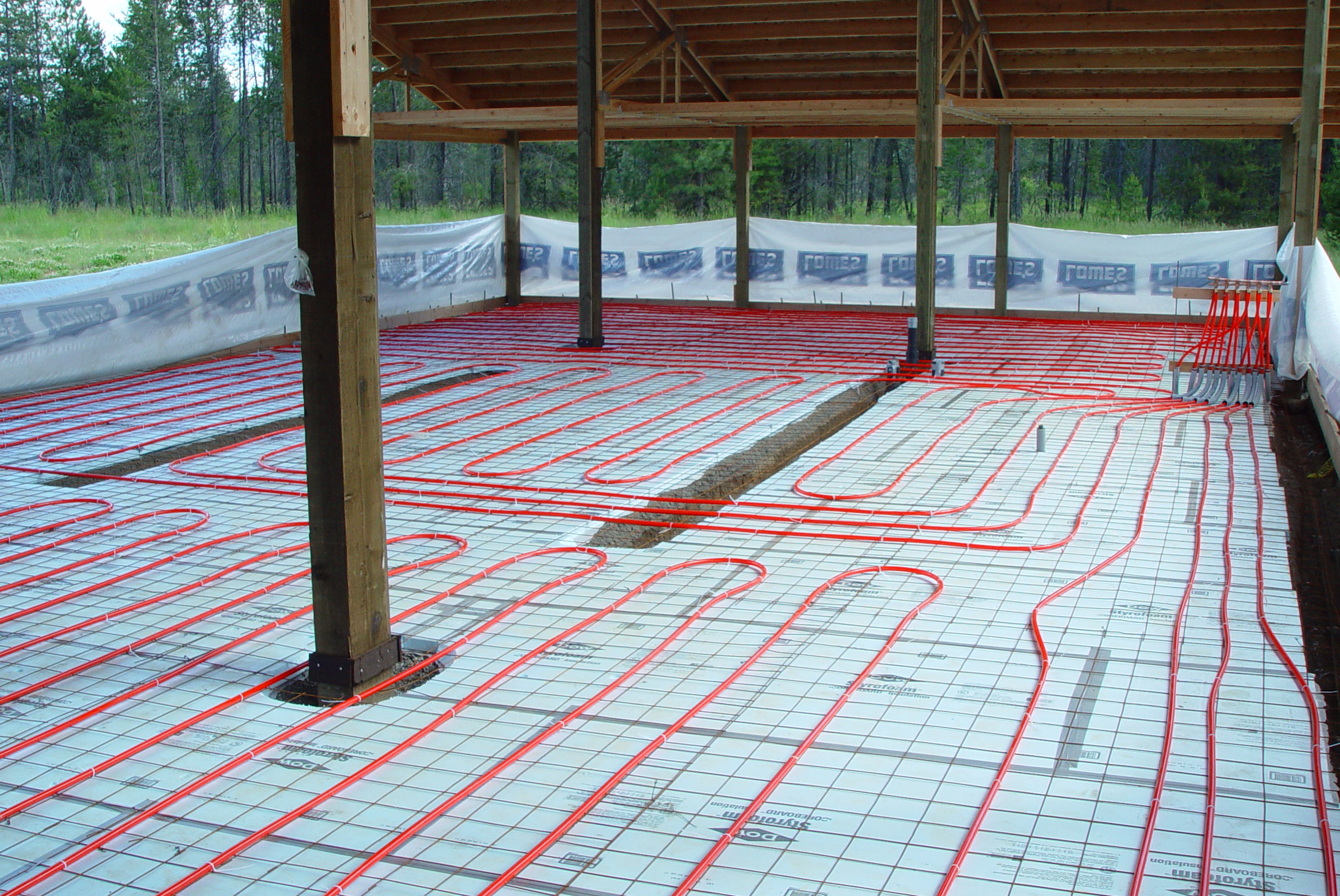
- Manifold (Hydronic Systems): A manifold distributes the heated water evenly to the different zones of the system. It also allows for individual zone control and balancing.
- Circulation Pump (Hydronic Systems): The pump circulates the heated water through the tubing and back to the heat source.
- Thermostat: The thermostat controls the temperature of the system and can be programmed to adjust the temperature based on time of day or occupancy.
- Insulation: Proper insulation beneath the tubing or cables is crucial to prevent heat loss to the subfloor and maximize energy efficiency.
Installation Process: A Step-by-Step Guide
The installation process for radiant floor heating varies depending on the type of system and the existing floor structure. However, the following steps provide a general overview:
1. Planning and Design
The first step is to carefully plan and design the system. This involves calculating the heat loss of the area, determining the appropriate tubing or cable spacing, and selecting the right heat source and components. A professional HVAC contractor can provide valuable assistance with this process.
2. Preparing the Subfloor
The subfloor must be clean, level, and structurally sound. Any cracks or imperfections should be repaired before proceeding. Insulation should be installed beneath the tubing or cables to prevent heat loss. For concrete slabs, a vapor barrier should also be installed to prevent moisture from damaging the floor covering.
3. Installing the Tubing or Cables
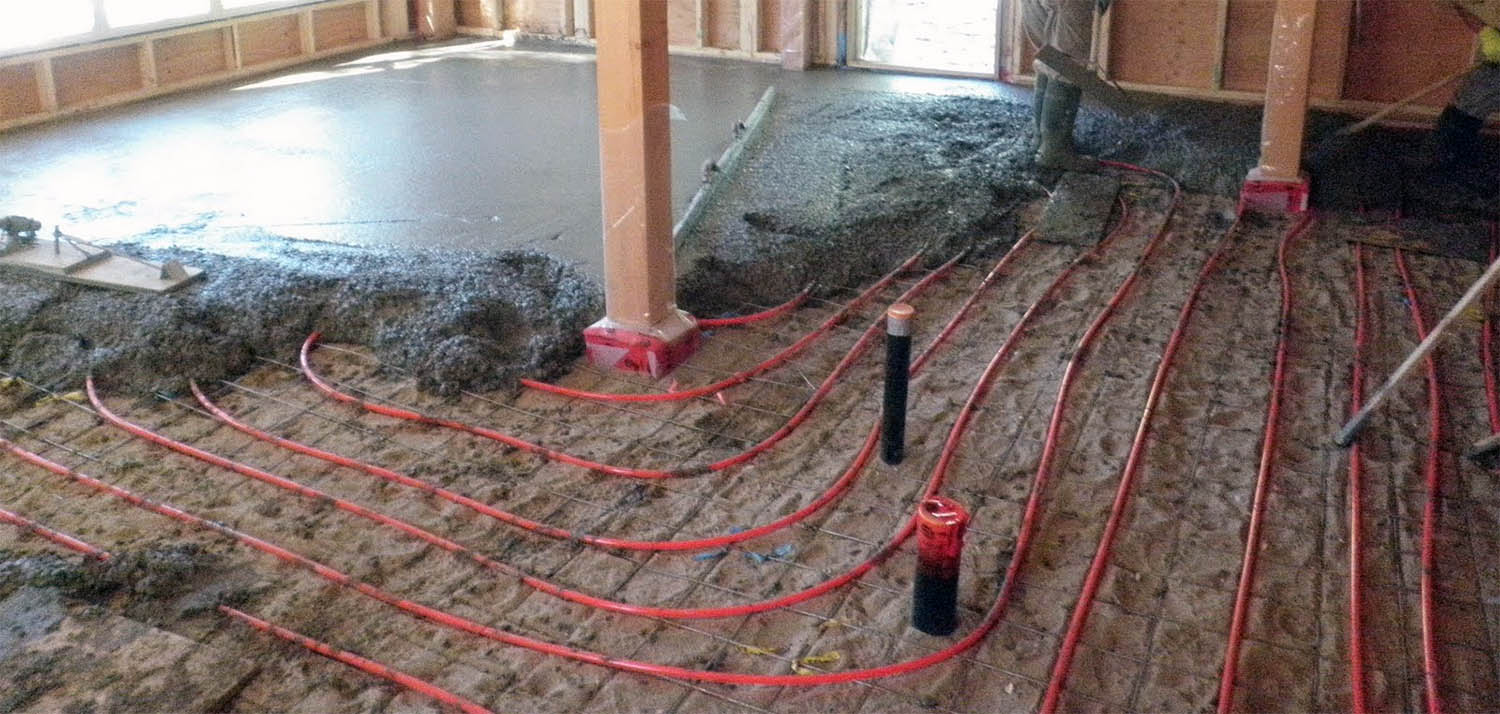
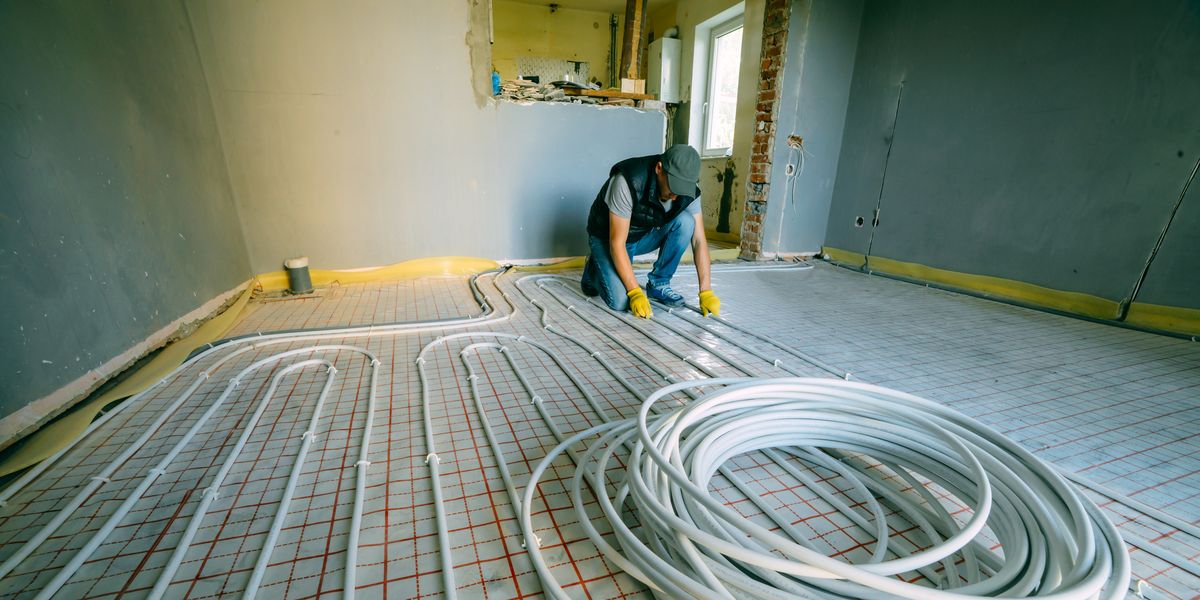
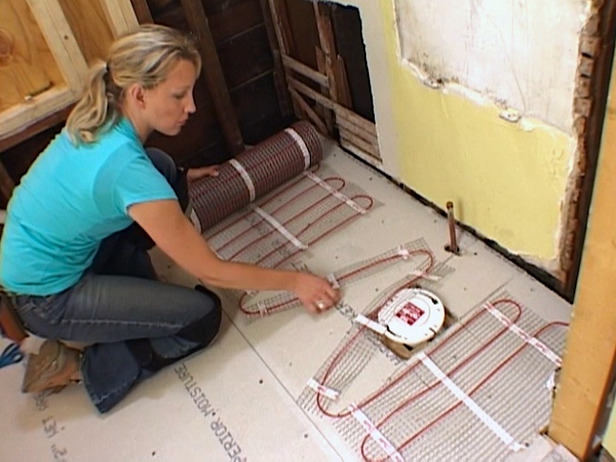
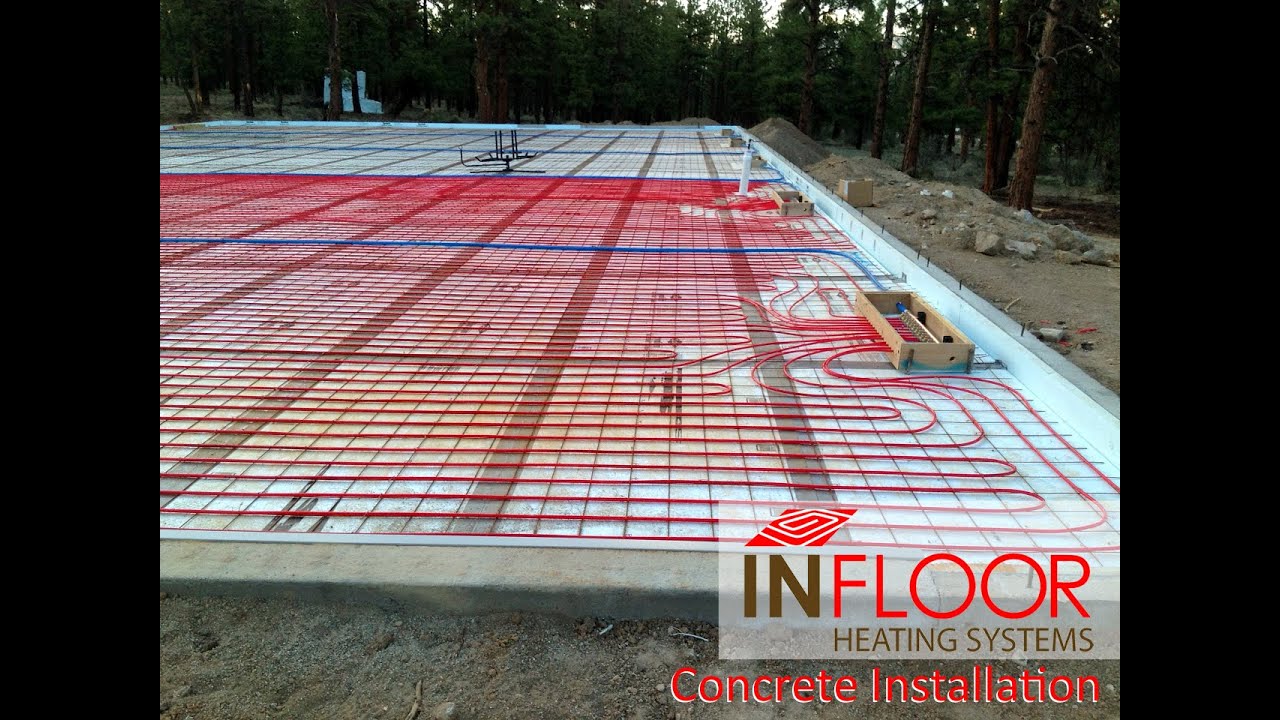
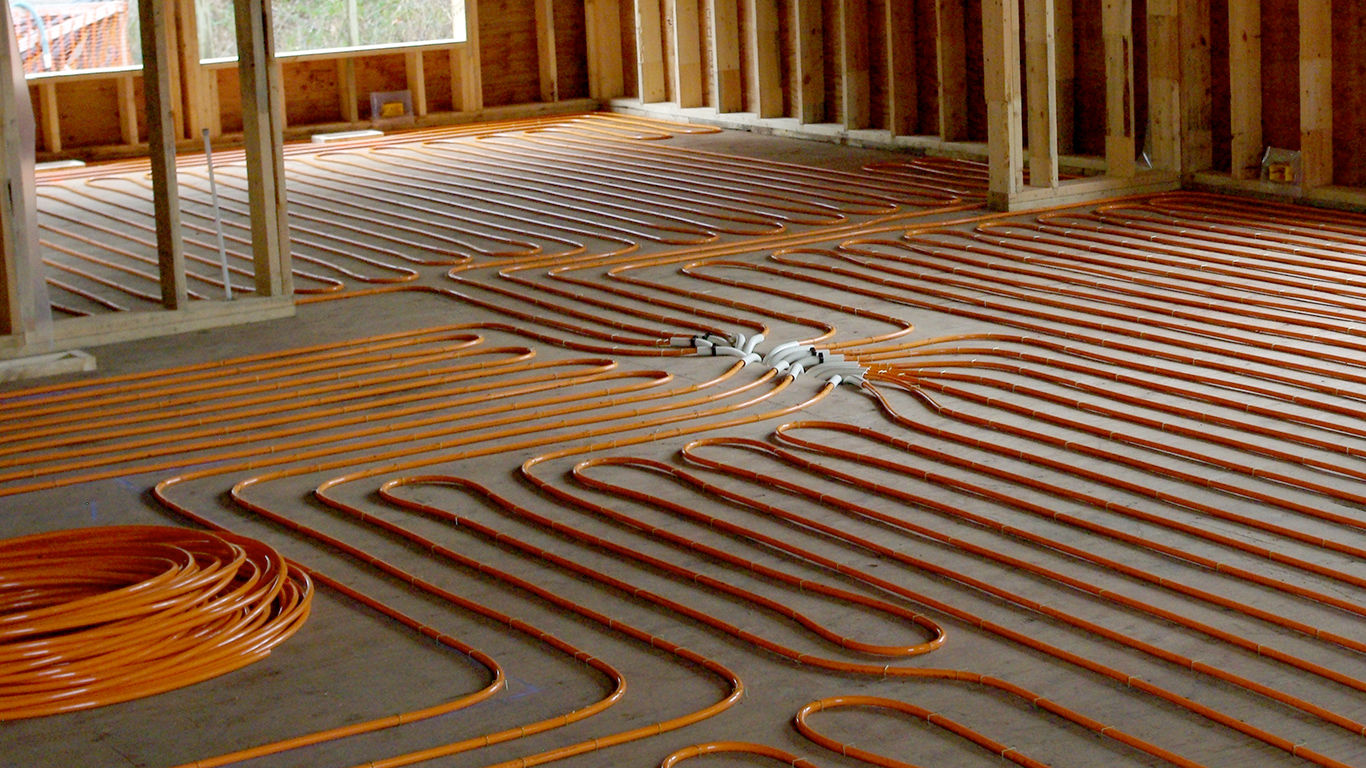
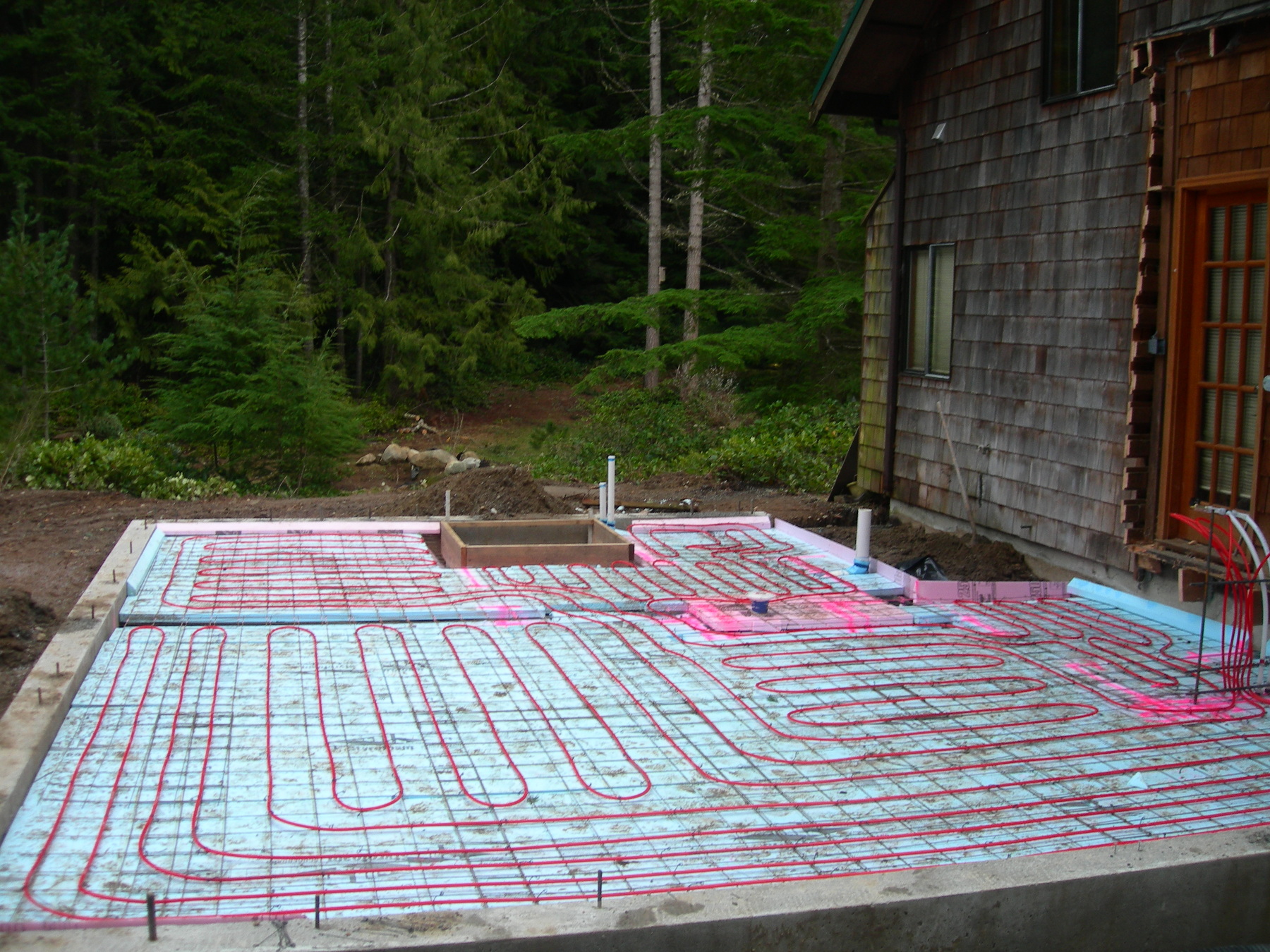
For hydronic systems, the PEX tubing is typically attached to the subfloor using clips or staples. The tubing should be installed in a serpentine or spiral pattern, with the spacing determined by the heat loss calculations. For electric systems, the cables or mats are simply unrolled and secured to the subfloor. It's crucial to follow the manufacturer's instructions carefully to ensure proper installation and avoid damage to the cables or mats.
4. Connecting the Manifold (Hydronic Systems)
The manifold should be installed in a convenient location, such as a utility room or closet. The tubing from each zone should be connected to the manifold, and the manifold should be connected to the heat source. Proper plumbing connections are essential to prevent leaks.
5. Pressure Testing (Hydronic Systems)
Before covering the tubing with concrete or other flooring material, the system should be pressure tested to ensure there are no leaks. The system should be pressurized to at least 1.5 times the operating pressure and held for 24 hours. Any leaks should be repaired before proceeding.
6. Pouring the Concrete Slab (If Applicable)
If the tubing or cables are being embedded in a concrete slab, the concrete should be poured carefully to avoid damaging the tubing or cables. The concrete should be allowed to cure properly before installing the flooring material.
7. Installing the Flooring Material
The flooring material should be chosen carefully to ensure it is compatible with radiant floor heating. Good choices include tile, stone, and engineered wood. Carpet and vinyl flooring can also be used, but they may reduce the efficiency of the system. Follow the flooring manufacturer's instructions for installation.
8. Connecting the Thermostat
The thermostat should be connected to the system according to the manufacturer's instructions. The thermostat should be programmed to adjust the temperature based on time of day or occupancy to maximize energy savings.
Integrating Smart Home Technology for Enhanced Efficiency
Integrating your radiant floor heating system with smart home technology can further enhance its efficiency and convenience. Smart thermostats allow you to control the temperature remotely via a smartphone or tablet, and they can also learn your heating preferences and automatically adjust the temperature accordingly.
Benefits of smart home integration include:
- Remote Control: Adjust the temperature from anywhere via your smartphone or tablet.
- Energy Monitoring: Track energy consumption and identify areas for improvement.
- Geofencing: Automatically adjust the temperature based on your location. For example, the system can turn down when you leave the house and turn up when you're on your way home.
- Voice Control: Control the temperature with voice commands using devices like Amazon Alexa or Google Assistant.
Consider models that are Energy Star certified to ensure optimal energy performance. Furthermore, integrating with smart sensors that monitor room occupancy and temperature can optimize heating schedules and prevent wasted energy.
Cost and ROI of Radiant Floor Heating
The initial cost of installing radiant floor heating can be higher than traditional forced-air systems. However, the long-term energy savings and improved comfort can provide a significant return on investment (ROI). According to the U.S. Department of Energy, radiant floor heating can save up to 30% on energy bills compared to forced-air systems.
Factors affecting the cost and ROI include:
- Type of System: Hydronic systems generally have a higher upfront cost but lower operating costs compared to electric systems.
- Size of Area: The larger the area being heated, the higher the cost.
- Flooring Material: Some flooring materials are more expensive to install than others.
- Energy Prices: The higher the energy prices in your area, the greater the potential savings.
Many states and local utilities offer rebates and incentives for installing energy-efficient heating systems, including radiant floor heating. Check with your local utility or energy provider for available programs. These rebates can significantly reduce the upfront cost of the system and improve the ROI. For example, some states offer rebates up to \$1,000 for installing a high-efficiency boiler for a hydronic system.
Maintenance and Troubleshooting
Radiant floor heating systems are generally low-maintenance. However, regular inspections and maintenance can help ensure optimal performance and prevent problems. Here are some tips for maintaining your radiant floor heating system:
- Hydronic Systems: Have your boiler or water heater serviced annually by a qualified technician. Check the system pressure and add water if necessary. Bleed any air from the system.
- Electric Systems: Inspect the cables or mats for damage. Check the thermostat and replace the batteries if necessary.
- All Systems: Clean the floor regularly to prevent dust and debris from accumulating. Avoid placing heavy objects on the floor that could damage the tubing or cables.
Common problems with radiant floor heating systems include:
- Uneven Heating: This could be caused by improper tubing or cable spacing, air in the system, or a malfunctioning thermostat.
- Leaks (Hydronic Systems): Leaks can occur at the manifold connections or in the tubing. Repair leaks promptly to prevent water damage.
- Cold Spots: Cold spots can be caused by air in the system, insulation problems, or a malfunctioning heating element.
If you experience any problems with your radiant floor heating system, consult a qualified HVAC contractor.
Conclusion
Radiant floor heating offers a comfortable, energy-efficient, and sustainable alternative to traditional heating systems. While installation requires careful planning and execution, the long-term benefits, including reduced energy bills, improved indoor air quality, and enhanced comfort, make it a worthwhile investment. By understanding the different types of systems, following proper installation procedures, and integrating smart home technology, you can maximize the efficiency and performance of your radiant floor heating system. Furthermore, remember to investigate any available rebates and incentives to reduce your initial investment and accelerate your return. Whether you’re aiming for cost savings, environmental responsibility, or a more comfortable home environment, radiant floor heating presents a viable and attractive solution.