How To Insulate A Brick House

Brick homes, known for their durability and classic aesthetic, often present unique challenges when it comes to energy efficiency. Understanding how to properly insulate a brick house is crucial for HVAC professionals and homeowners alike. Effective insulation not only reduces energy consumption and lowers utility bills but also contributes to a more comfortable and sustainable living environment. This article delves into the best practices for insulating brick houses, career paths within the insulation industry, and the importance of certifications for HVAC technicians.
Understanding the Need for Brick House Insulation
While brick itself offers some insulation, it's often insufficient to meet modern energy efficiency standards. Brick is porous, allowing air and moisture to penetrate, leading to heat loss in winter and heat gain in summer. This results in increased energy consumption and higher utility bills. According to the U.S. Energy Information Administration (EIA), residential buildings account for approximately 20% of total energy consumption in the United States. Proper insulation is key to reducing this number.
Common areas of heat loss in brick homes include:
- Walls: The largest surface area of a home and a significant source of heat transfer.
- Attic: Warm air rises, making the attic a prime location for heat loss if uninsulated.
- Basement/Crawl Space: Cold air can easily penetrate through uninsulated foundations.
- Windows and Doors: Gaps and cracks around windows and doors allow air leakage.
Insulation Methods for Brick Houses
Several insulation methods can be used for brick houses, each with its own advantages and disadvantages. The choice of method depends on factors such as budget, climate, and the existing structure of the home.
Interior Insulation
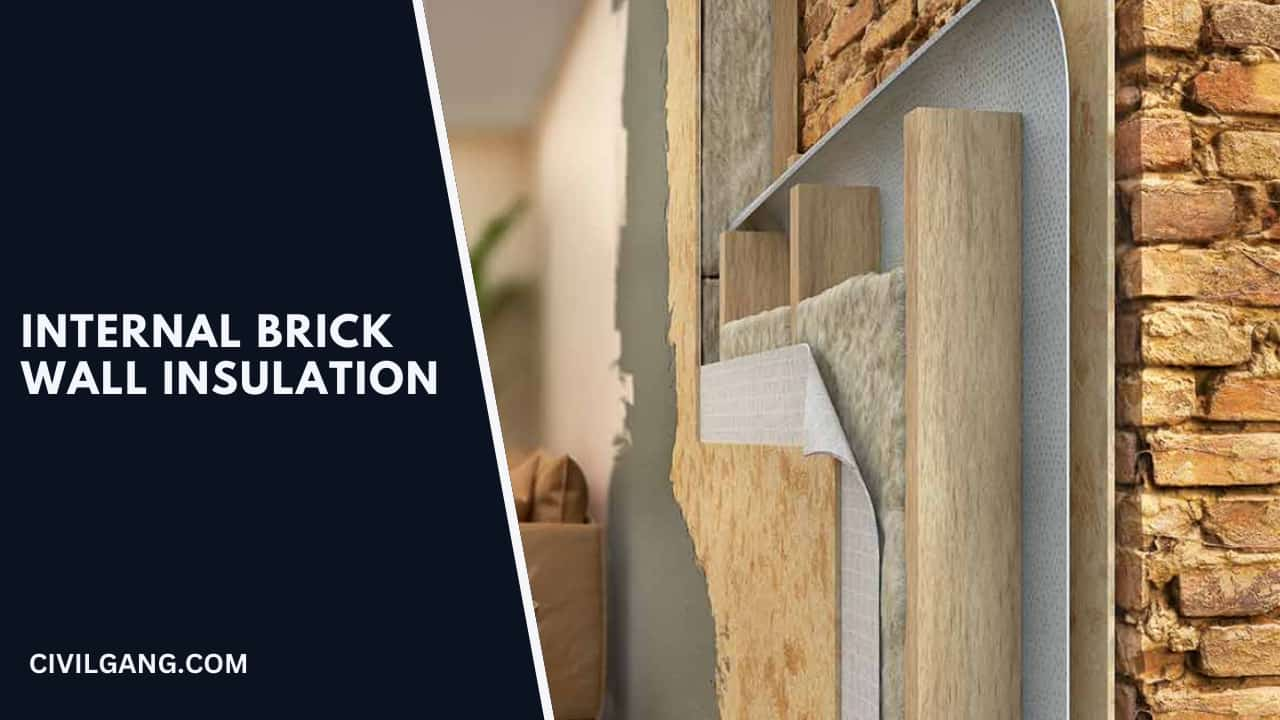
Insulating from the inside is generally the most cost-effective and easiest method. It involves adding insulation to the interior walls, attic, and basement/crawl space.
Types of Interior Insulation:
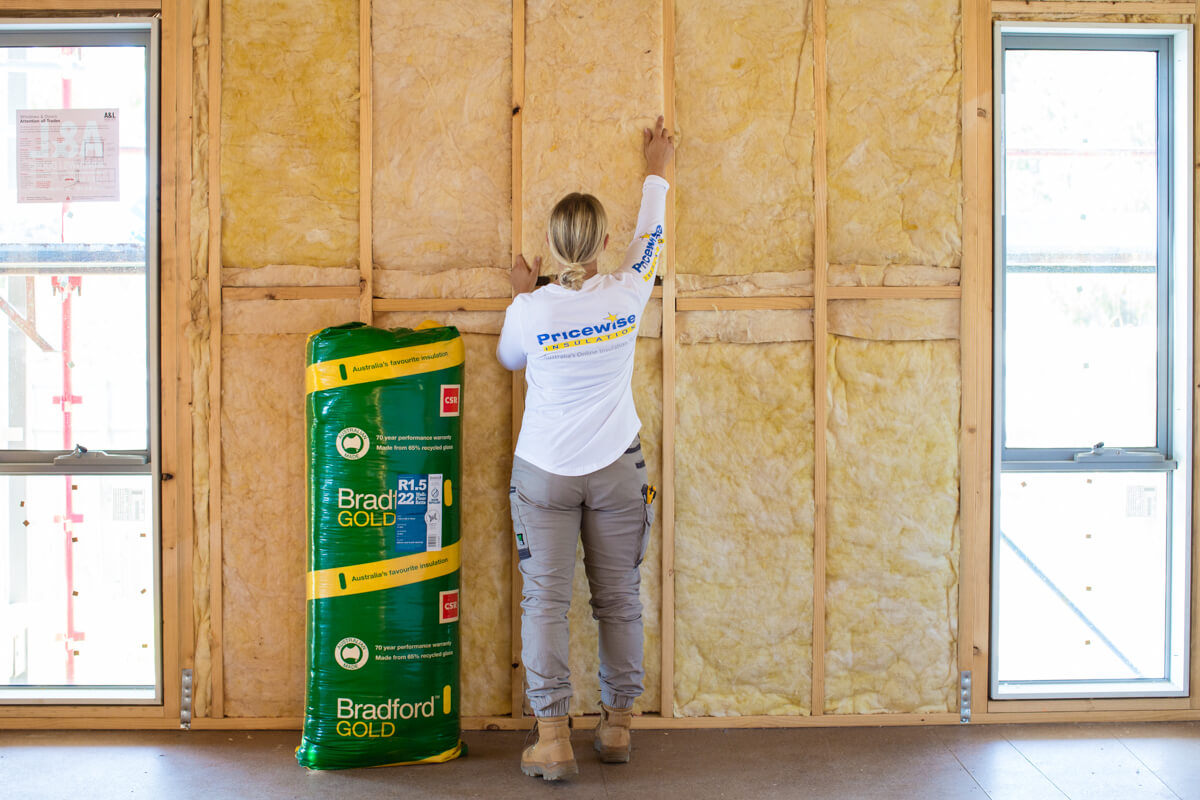
- Batt Insulation: Fiberglass or mineral wool batts are placed between wall studs. This is a relatively inexpensive and straightforward method, but it requires careful installation to avoid gaps and compressions.
- Spray Foam Insulation: Spray foam expands to fill gaps and crevices, providing excellent air sealing and insulation. It is more expensive than batt insulation but offers superior performance. There are two main types: open-cell and closed-cell. Closed-cell spray foam has a higher R-value and is more resistant to moisture, making it a good choice for basements.
- Rigid Foam Boards: Polystyrene or polyisocyanurate foam boards can be attached to the interior walls. These boards offer good insulation and can also act as a vapor barrier.
Exterior Insulation
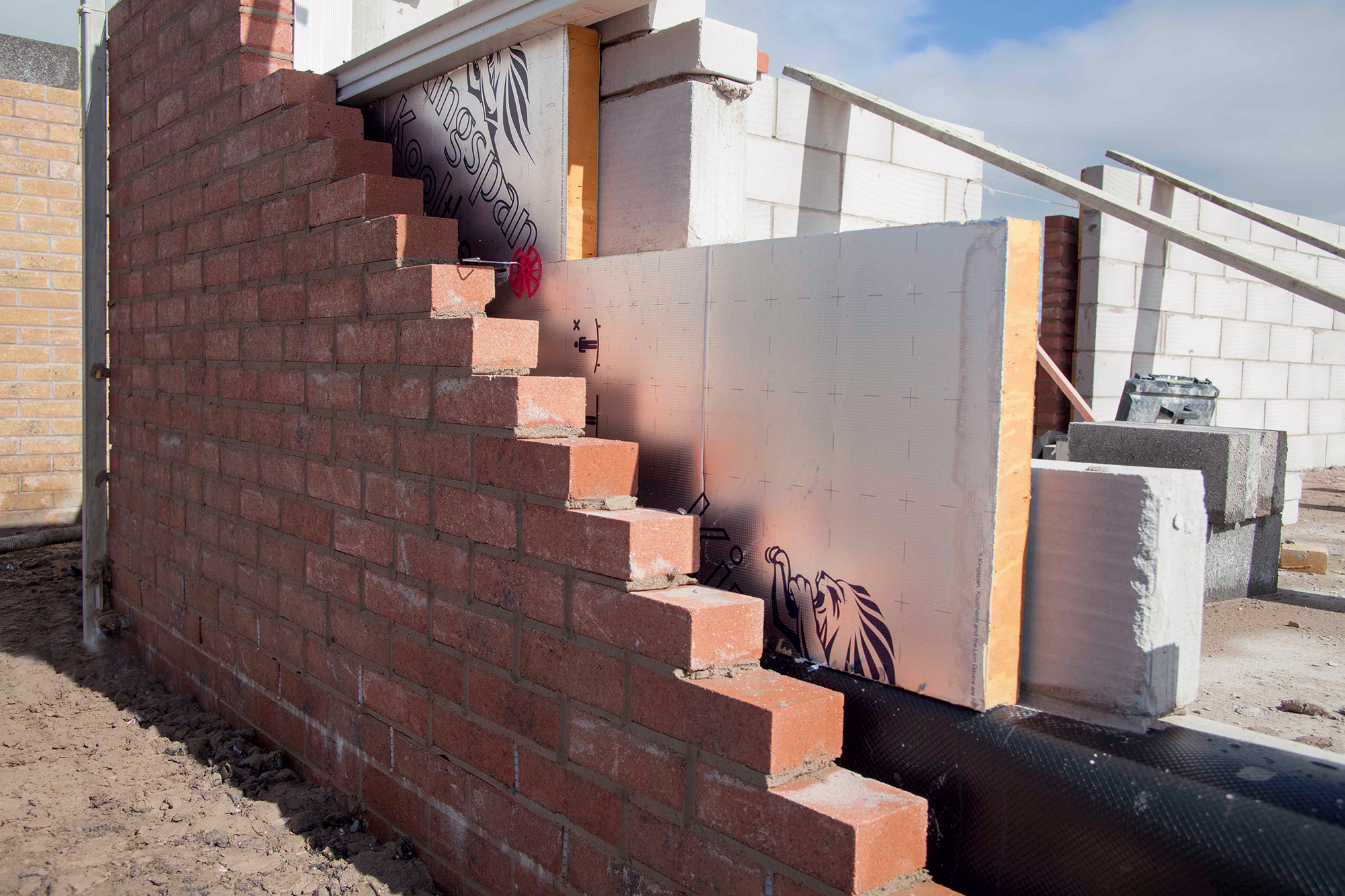
Insulating from the exterior involves adding insulation to the outside of the brick wall and then covering it with a new cladding material. This method is more expensive and complex than interior insulation but offers several benefits, including improved energy efficiency and the ability to update the exterior appearance of the home.
Exterior Insulation and Finish System (EIFS): EIFS involves applying a layer of insulation (typically rigid foam) to the exterior wall, followed by a base coat, reinforcing mesh, and a finish coat. EIFS provides excellent insulation and can be customized to create a variety of architectural styles.
Considerations for Exterior Insulation:
- Moisture Management: Proper moisture management is crucial when insulating the exterior of a brick house. Brick is porous and can absorb moisture, which can lead to mold growth and structural damage if not properly addressed. A vapor barrier should be installed to prevent moisture from entering the wall cavity.
- Building Codes: Exterior insulation projects must comply with local building codes. It is important to obtain the necessary permits and to ensure that the insulation is installed according to code.
Cavity Wall Insulation
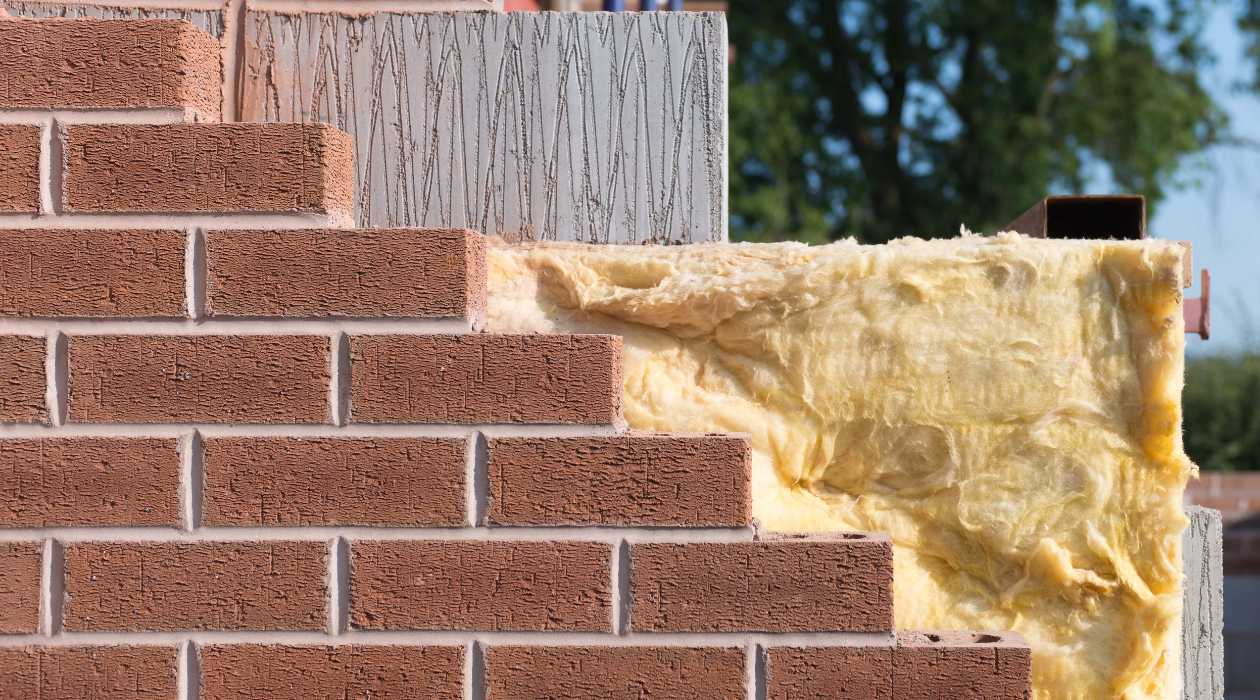
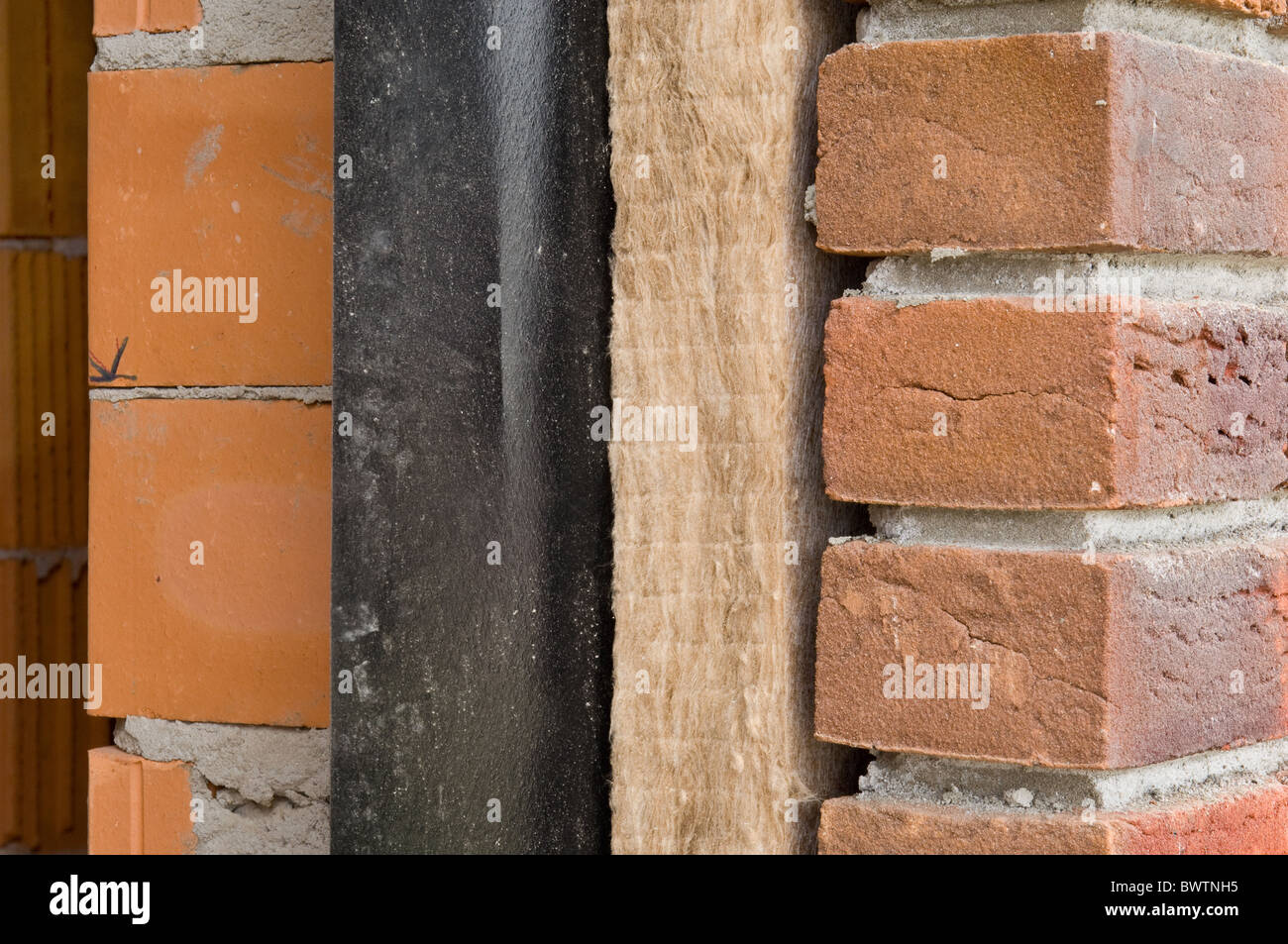
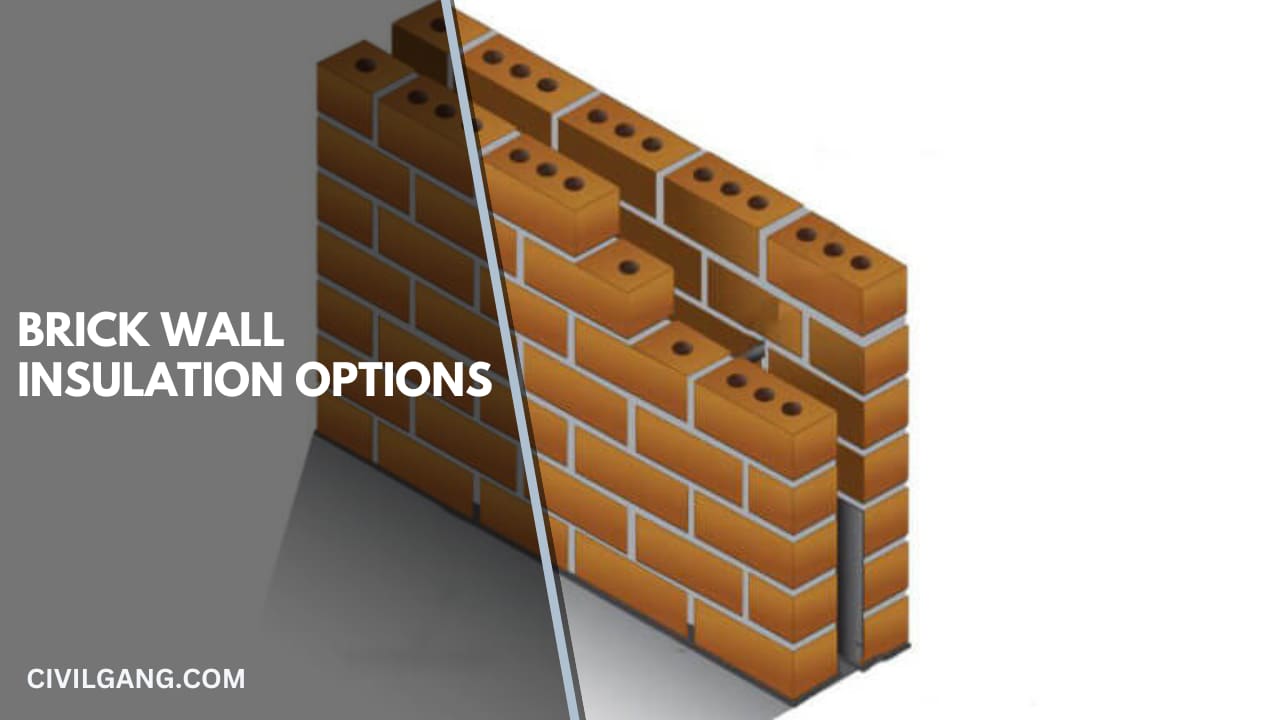
Many brick houses have a cavity between the exterior brick wall and the interior wall. This cavity can be filled with insulation to improve energy efficiency. This method is less common in older brick homes.
Types of Cavity Wall Insulation:
- Blown-in Insulation: Loose-fill insulation, such as fiberglass, cellulose, or mineral wool, is blown into the cavity through small holes drilled in the wall. This method is relatively inexpensive and can be used to insulate existing walls without removing the interior or exterior cladding.
- Foam Injection: Specialized foam can be injected into the cavity. This method provides good insulation and air sealing.
The Role of HVAC Professionals
HVAC professionals play a critical role in ensuring that brick houses are properly insulated. They can assess the existing insulation levels, recommend the best insulation methods, and install the insulation correctly. Furthermore, they can ensure that the HVAC system is properly sized to handle the improved insulation, preventing issues like short cycling or insufficient heating/cooling.
Job Outlook and Salary:
The Bureau of Labor Statistics (BLS) projects a growth rate of 6% for HVAC technicians from 2022 to 2032, about as fast as the average for all occupations. This growth is driven by the increasing demand for energy-efficient homes and buildings. The median annual wage for HVAC technicians was $51,390 in May 2022. Experienced technicians with specialized skills and certifications can earn significantly more. The top 10 percent earned more than $83,670.
Certifications and Training
Several certifications can enhance the skills and career prospects of HVAC professionals. These certifications demonstrate expertise in specific areas and can lead to higher pay and more job opportunities.
Key Certifications:
- EPA Section 608 Certification: Required for technicians who handle refrigerants. This certification ensures that technicians understand how to properly handle and dispose of refrigerants to protect the environment.
- North American Technician Excellence (NATE) Certification: A widely recognized certification that demonstrates competence in HVAC installation, service, and maintenance. NATE offers certifications in various specialties, such as air conditioning, heating, and ventilation.
- HVAC Excellence Certification: Another respected certification program that assesses the knowledge and skills of HVAC technicians.
- Building Performance Institute (BPI) Certification: Focuses on building science principles and energy efficiency. BPI-certified professionals can assess the energy performance of buildings and recommend improvements.
Real-World Career Path Example:
Consider Maria, an HVAC technician who started as an apprentice. After completing her apprenticeship and obtaining her EPA 608 certification, she pursued NATE certification in air conditioning. With her enhanced skills and certifications, Maria was able to specialize in energy-efficient HVAC systems and building envelope diagnostics, including insulation assessment. This specialization led to a promotion to a senior technician role and a significant increase in her salary. Maria now earns $75,000 per year and is highly sought after for her expertise.
Benefits of Proper Insulation
Investing in proper insulation for a brick house offers numerous benefits:
- Reduced Energy Consumption: Insulation minimizes heat loss in winter and heat gain in summer, reducing the amount of energy needed to heat and cool the home.
- Lower Utility Bills: Lower energy consumption translates to lower utility bills, saving homeowners money each month.
- Improved Comfort: Insulation helps to maintain a consistent temperature throughout the home, creating a more comfortable living environment.
- Reduced Noise: Insulation can help to reduce noise from outside, creating a quieter and more peaceful home.
- Increased Home Value: Energy-efficient homes are more attractive to buyers, increasing the value of the property.
Tools and Equipment
HVAC professionals working on insulation projects need a variety of tools and equipment, including:
- Insulation Blowers: Used to install loose-fill insulation in attics and walls.
- Spray Foam Equipment: Specialized equipment for applying spray foam insulation.
- Moisture Meters: Used to measure the moisture content of building materials.
- Thermal Imaging Cameras: Used to detect areas of heat loss and air leakage.
- Safety Gear: Including respirators, gloves, and eye protection.
The Future of Insulation
The insulation industry is constantly evolving, with new materials and technologies being developed to improve energy efficiency. Some emerging trends include:
- Aerogel Insulation: A lightweight and highly effective insulation material with excellent thermal performance.
- Vacuum Insulation Panels (VIPs): Panels that contain a vacuum, providing exceptional insulation in a thin profile.
- Smart Insulation: Insulation materials that can adjust their thermal properties in response to changing environmental conditions.
As the demand for energy-efficient homes continues to grow, the insulation industry will play an increasingly important role in reducing energy consumption and promoting sustainability. HVAC professionals with expertise in insulation will be in high demand.
In conclusion, properly insulating a brick house is essential for energy efficiency and comfort. HVAC professionals with the right skills, knowledge, and certifications are crucial to ensuring that insulation is installed correctly and effectively. By staying up-to-date on the latest insulation methods and technologies, HVAC professionals can make a significant contribution to creating more sustainable and energy-efficient homes.