How To Insulate A Concrete Slab Floor
Frequently Asked Questions: Insulating Your Concrete Slab Floor
Concrete slab floors can be a major source of heat loss in the winter and unwelcome heat gain in the summer. Insulating them can dramatically improve your comfort, lower energy bills, and prevent moisture problems. Here are answers to some of the most common questions about insulating a concrete slab floor.
Question 1: Why should I insulate my concrete slab floor?
Insulating a concrete slab floor offers several key benefits:
- Improved Comfort: A cold concrete floor can make a room feel chilly even if the air temperature is comfortable. Insulation creates a thermal break, preventing the floor from drawing heat away from your body.
- Reduced Energy Bills: Insulation minimizes heat loss in winter and heat gain in summer, reducing the workload on your HVAC system and lowering your energy consumption.
- Moisture Control: Insulation can help prevent condensation on the floor, reducing the risk of mold and mildew growth. A vapor barrier, often used in conjunction with insulation, is crucial for preventing moisture migration.
- Increased Home Value: A well-insulated home is more attractive to potential buyers.
Ultimately, insulating a concrete slab floor contributes to a more comfortable, energy-efficient, and healthy living environment.
Question 2: What are the different methods for insulating a concrete slab floor?
Several methods exist for insulating a concrete slab floor, each with its own advantages and disadvantages. The best method depends on factors like whether the slab is already poured, the intended use of the space, and your budget.
Here are the most common approaches:
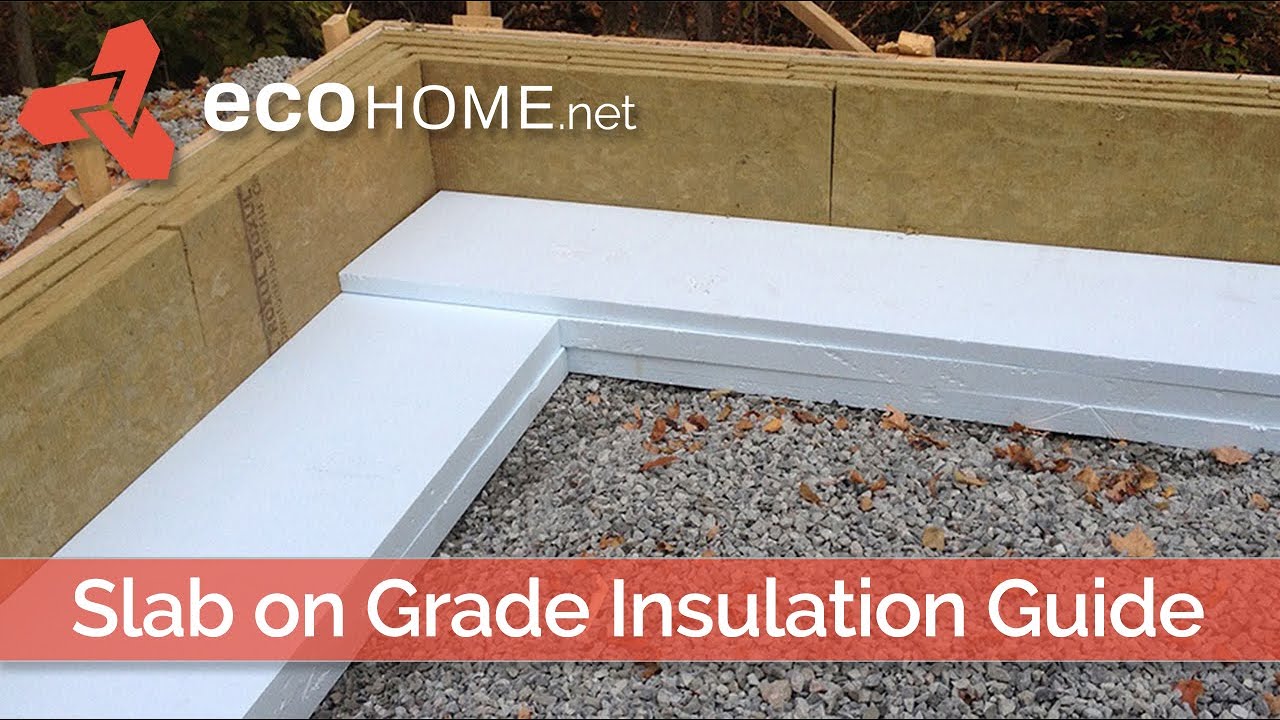
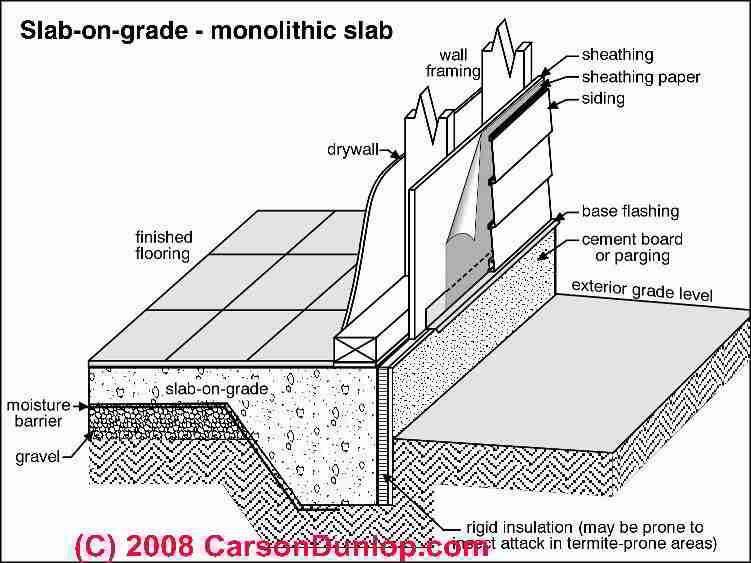
- Insulating Under the Slab (Pre-Pour): This is the most effective method, involving placing insulation directly beneath the concrete slab before it's poured. This is ideal for new construction or major renovations. Materials commonly used include:
- Rigid Foam Insulation: Typically expanded polystyrene (EPS), extruded polystyrene (XPS), or polyisocyanurate (polyiso) boards. XPS offers excellent moisture resistance and higher R-value per inch. Polyiso has the highest R-value but is more expensive.
- Vapor Barrier: Crucial for preventing moisture migration from the ground into the slab. Placed underneath the insulation.
- Insulating Over the Slab (Post-Pour): This method involves adding insulation on top of the existing concrete slab. This is a more practical option for existing homes. Materials commonly used include:
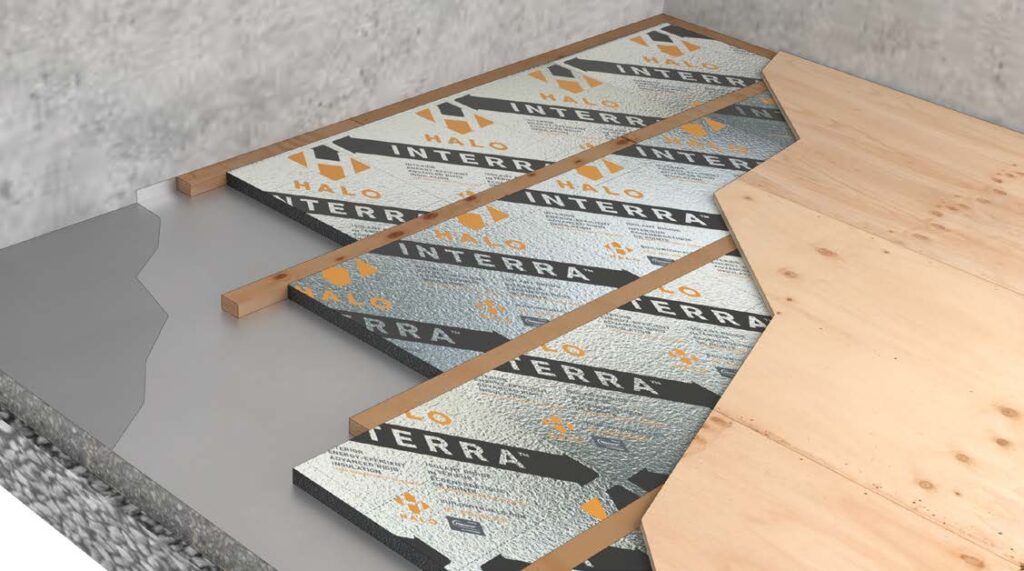
- Rigid Foam Insulation: Similar to pre-pour insulation, but typically thinner and covered with a subfloor.
- Spray Foam Insulation: Can be applied directly to the concrete, offering a seamless insulation layer. Closed-cell spray foam provides both insulation and a vapor barrier.
- Insulated Subfloor Systems: Pre-fabricated panels that combine insulation and a subfloor, providing a quick and easy installation.
- Insulating from the Exterior (If Applicable): If the slab is exposed around the perimeter (e.g., in a crawl space or basement), you can insulate the exposed edges. This helps reduce heat loss through the slab's perimeter.
Careful planning and material selection are essential for a successful insulation project.
Question 3: What type of insulation material should I use?
Choosing the right insulation material is crucial for achieving the desired performance. Consider these factors when making your decision:
- R-Value: A measure of thermal resistance. Higher R-values indicate better insulation performance. Consult local building codes for minimum R-value requirements.
- Moisture Resistance: Concrete is porous and can absorb moisture from the ground. Choose materials that are resistant to moisture damage. XPS and closed-cell spray foam are excellent choices in this regard.
- Compressive Strength: The insulation must be able to withstand the weight of the concrete slab and any subsequent flooring.
- Cost: Compare the cost of different materials, including installation costs.
- Ease of Installation: Consider your DIY skills and choose materials that you are comfortable working with.
- Environmental Impact: Consider the environmental impact of different materials and choose sustainable options when possible.
Here's a brief comparison of common insulation materials:
- Expanded Polystyrene (EPS): Inexpensive, but lower R-value and less moisture resistant than XPS.
- Extruded Polystyrene (XPS): Good R-value, excellent moisture resistance, more expensive than EPS.
- Polyisocyanurate (Polyiso): Highest R-value, more expensive, can be susceptible to moisture absorption if not properly installed.
- Closed-Cell Spray Foam: Excellent insulation and air sealing, acts as a vapor barrier, more expensive, requires professional installation.
Researching and comparing different materials will ensure you select the best option for your specific needs and budget.
Question 4: How do I install insulation over an existing concrete slab floor?
Insulating over an existing concrete slab involves several steps:
- Prepare the Surface: Clean the concrete floor thoroughly. Repair any cracks or damage. Ensure the surface is dry.
- Install a Vapor Barrier (Optional but Recommended): While often built into some products, if using rigid foam, consider installing a vapor barrier. Overlap seams by at least 6 inches and tape them securely.
- Install Insulation:
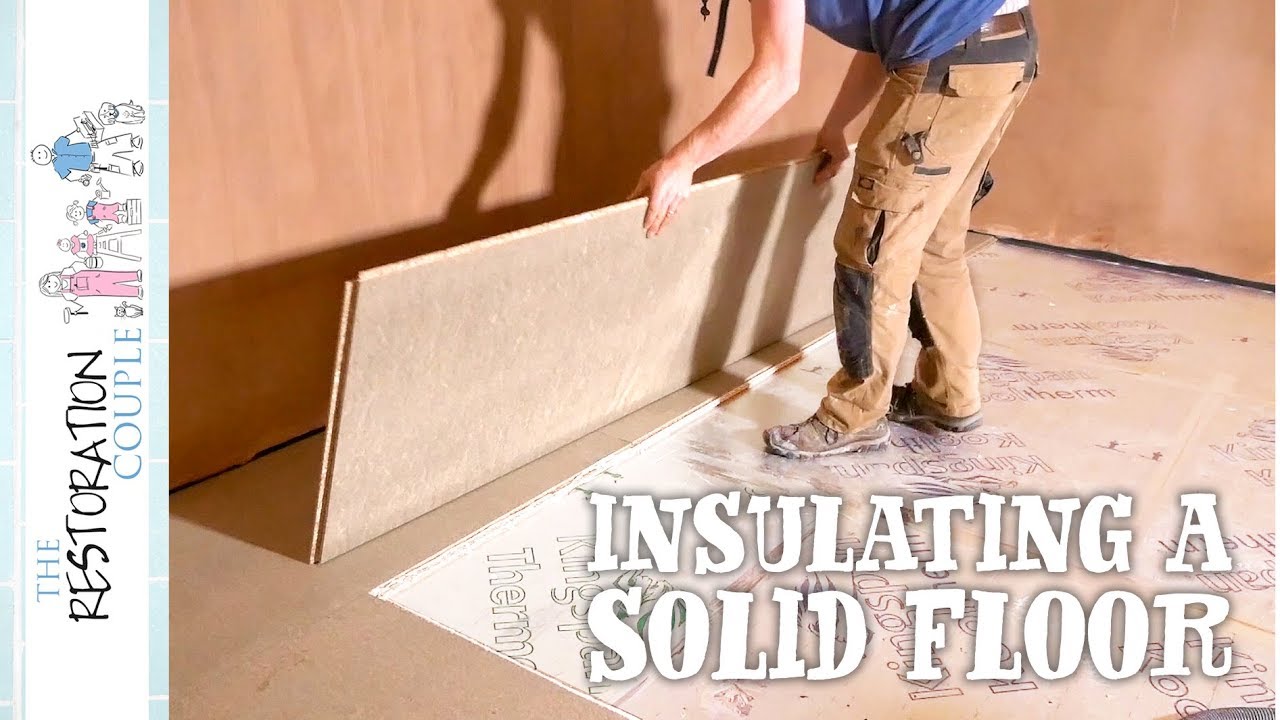
- Rigid Foam: Cut the foam boards to fit the room. Stagger the seams to prevent thermal bridging. Secure the boards to the concrete with construction adhesive or mechanical fasteners.
- Spray Foam: Hire a professional to apply the spray foam evenly across the floor.
- Insulated Subfloor Panels: Follow the manufacturer's instructions for installing the panels.
- Install a Subfloor: Cover the insulation with a subfloor material, such as plywood or OSB. This provides a smooth and stable surface for your finished flooring. Secure the subfloor to the concrete with concrete screws or nails.
- Install Finished Flooring: Install your chosen flooring material (e.g., carpet, tile, laminate) according to the manufacturer's instructions.
Pay close attention to detail, especially when sealing seams and edges, to prevent air leakage and moisture problems.
Question 5: What are the common mistakes to avoid when insulating a concrete slab floor?
Avoiding common mistakes is essential for a successful insulation project. Here are a few to be aware of:
- Skipping the Vapor Barrier: This is a critical step, especially in areas with high humidity or groundwater levels. Failing to install a vapor barrier can lead to moisture problems and mold growth.
- Inadequate Surface Preparation: A dirty or uneven surface can prevent the insulation from adhering properly, leading to air gaps and reduced performance.
- Improper Sealing of Seams and Edges: Gaps and cracks in the insulation allow air to leak in and out, negating the benefits of insulation. Use appropriate tape or sealant to seal all seams and edges.
- Choosing the Wrong Insulation Material: Selecting a material with insufficient R-value or poor moisture resistance can lead to disappointing results.
- Ignoring Building Codes: Local building codes may specify minimum insulation requirements. Ensure your project complies with all applicable codes.
- Installing the Wrong Thickness of Insulation: Using too little insulation will not provide adequate thermal performance. Follow recommended R-values for your climate zone.
- Not Addressing Perimeter Insulation: Neglecting to insulate the exposed edges of the slab can result in significant heat loss.
By avoiding these common mistakes, you can ensure that your insulation project is effective and long-lasting.
Question 6: Can I DIY this project, or should I hire a professional?
The decision to DIY or hire a professional depends on several factors:
- Your DIY Skills: Are you comfortable working with tools, measuring, cutting, and installing materials?
- Complexity of the Project: Insulating under a new slab is best left to professionals. Insulating over an existing slab is often a manageable DIY project.
- Time Commitment: Insulating a floor can be time-consuming. Do you have the time to dedicate to the project?
- Budget: DIY projects can save money on labor costs, but you'll need to purchase the necessary tools and materials.
- Specialized Equipment: Some insulation methods, such as spray foam insulation, require specialized equipment and training.
If you are comfortable with DIY projects and have the necessary skills and tools, you can often save money by insulating your concrete slab floor yourself. However, if you are unsure about any aspect of the project, or if the project is particularly complex, it is best to hire a qualified contractor. A professional can ensure that the job is done correctly and efficiently.
Question 7: How much will it cost to insulate my concrete slab floor?
The cost of insulating a concrete slab floor can vary widely depending on several factors:
- Size of the Area: Larger areas will require more materials and labor, increasing the cost.
- Type of Insulation Material: Different insulation materials have different costs. Polyiso and spray foam are generally more expensive than EPS.
- Installation Method: DIY projects are typically less expensive than professional installations.
- Complexity of the Project: Projects that require extensive preparation or custom work will be more expensive.
- Labor Costs: Labor costs vary depending on your location and the experience of the contractor.
- Subfloor Material: The cost of the subfloor material (e.g., plywood, OSB) will add to the overall cost.
To get an accurate estimate, it's best to get quotes from several contractors or research material costs if you plan to DIY. Consider getting multiple quotes from contractors to compare prices and services. Factor in the long-term energy savings when evaluating the cost-effectiveness of different insulation options. While the initial investment may seem high, the long-term savings on energy bills will often offset the cost.