How To Insulate Air Conditioner Window

Window air conditioners offer a budget-friendly cooling solution, but they can also be significant energy drains if not properly insulated. Gaps around the unit allow conditioned air to escape and outside air to infiltrate, forcing your AC to work harder and driving up energy bills. This article provides a comprehensive guide on how to insulate your window air conditioner effectively, maximizing energy savings and enhancing your home's comfort.
Understanding the Problem: Air Leakage and Energy Waste
A window air conditioner, by its very nature, creates a potential weak point in your home's thermal envelope. The unit fits into a window opening, and even with the included installation materials, gaps often remain around the sides, top, and bottom. These gaps act as conduits for air leakage, leading to:
- Increased Energy Consumption: Your AC unit has to work harder and longer to maintain the desired temperature, consuming more electricity.
- Higher Energy Bills: The extra energy consumption translates directly into higher monthly costs.
- Uneven Cooling: Drafts from air leaks can create cold spots near the AC and warmer areas elsewhere in the room.
- Reduced Comfort: Overall, the room feels less comfortable due to inconsistent temperatures.
Addressing these issues through proper insulation is crucial for optimizing your window AC's performance and minimizing energy waste. According to the Energy Star program, air sealing and insulation are among the most cost-effective ways to improve home energy efficiency. You can potentially save up to 15% on heating and cooling costs by properly sealing and insulating your home.
Essential Materials for Window AC Insulation
Before you begin, gather the necessary materials for effective insulation. Here's a checklist of common and readily available options:
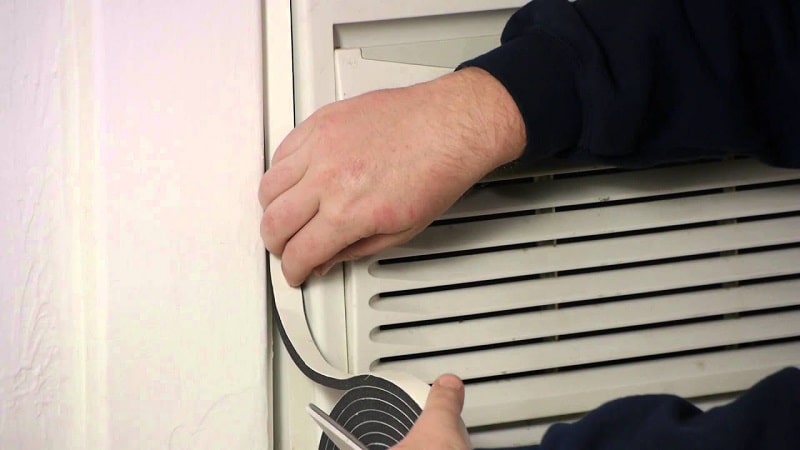
- Weather Stripping: Foam or rubber weather stripping is excellent for sealing gaps around the window frame and the AC unit's side panels. Choose a type that's appropriate for the size of the gaps you need to fill.
- Foam Board Insulation: Rigid foam board, such as polystyrene or polyurethane, provides a more substantial barrier against air leakage. Cut it to fit the remaining open spaces around the AC unit.
- Expanding Foam Sealant: For larger gaps, expanding foam can fill in cracks and crevices effectively. Be careful not to overfill, as it expands considerably. Choose a low-expansion formula to avoid damaging the window or AC unit.
- Duct Tape (Foil Tape): While not ideal as a primary sealant, duct tape can reinforce seams and edges, providing an extra layer of protection. Foil tape, specifically designed for HVAC applications, is a more durable and heat-resistant alternative.
- Insulating Curtains or Blinds: These window coverings add an extra layer of insulation and can help reduce heat gain from sunlight. Look for options with a thermal backing.
- Caulk (Optional): For permanent installations or sealing exterior gaps, caulk can provide a weatherproof barrier. Choose a caulk that's paintable and suitable for outdoor use.
- Measuring Tape, Utility Knife, and Safety Glasses: Essential tools for accurate measurements, cutting materials, and protecting yourself.
Step-by-Step Guide to Insulating Your Window AC
Follow these steps to effectively insulate your window air conditioner and maximize energy savings:
- Prepare the Area: Clean the window frame and the surrounding area thoroughly. Remove any dirt, dust, or debris that could prevent a good seal.
- Measure the Gaps: Use a measuring tape to determine the size of the gaps around the AC unit and the window frame. This will help you choose the appropriate width and thickness of weather stripping and foam board.
- Apply Weather Stripping: Apply weather stripping to the edges of the AC unit's side panels and the window frame where they meet. Ensure a tight seal by pressing the weather stripping firmly into place.
- Cut and Install Foam Board: Cut foam board to fit the larger gaps around the AC unit. Measure precisely and use a utility knife to create clean, accurate cuts. Secure the foam board in place with duct tape or foil tape.
- Fill Large Gaps with Expanding Foam: If you have larger gaps that weather stripping and foam board can't fill, use expanding foam sealant. Apply the foam sparingly, as it expands significantly. Allow the foam to cure completely before trimming any excess.
- Reinforce Seams with Tape: Use duct tape or foil tape to reinforce the seams between the weather stripping, foam board, and the window frame. This will help prevent air leakage and improve the overall insulation.
- Install Insulating Curtains or Blinds: Hang insulating curtains or blinds over the window to provide an extra layer of protection against heat gain and loss.
- Caulk Exterior Gaps (Optional): If you have any gaps on the exterior of the window frame, caulk them to create a weatherproof seal. This is especially important for preventing water damage.
Advanced Insulation Techniques and Considerations
For even greater energy savings, consider these advanced insulation techniques:
- Reflective Insulation: Use reflective insulation, such as radiant barrier foil, to block radiant heat transfer. Attach it to the inside of the foam board for maximum effectiveness.
- Custom-Fit Insulation Covers: Create custom-fit insulation covers for the AC unit when it's not in use. This will prevent cold drafts from entering the room during the winter months.
- Professional Installation: If you're not comfortable with DIY insulation, consider hiring a professional contractor to ensure a proper and effective installation.
Smart Home Integration and Energy Savings
Integrating your window AC unit with a smart home system can further enhance energy efficiency and provide greater control over your cooling needs. Consider these smart home features:
- Smart Thermostats: Smart thermostats allow you to remotely control your AC unit's temperature and set schedules based on your needs. Some models even learn your habits and automatically adjust the temperature to optimize energy savings. The U.S. Department of Energy estimates that smart thermostats can save homeowners up to 12% on heating costs and 15% on cooling costs.
- Smart Sensors: Smart sensors can monitor the temperature and humidity in your room and automatically adjust the AC unit's settings to maintain optimal comfort levels.
- Voice Control: Control your AC unit with voice commands using smart home assistants like Amazon Alexa or Google Assistant.
- Energy Monitoring: Some smart AC units and energy monitors provide detailed reports on your energy consumption, allowing you to identify areas where you can save even more energy.
ROI and Rebates: Making the Investment Worthwhile
Investing in window AC insulation and smart home integration can provide a significant return on investment through reduced energy bills. The exact savings will vary depending on factors such as your climate, energy rates, and the efficiency of your AC unit. However, you can expect to see a noticeable decrease in your monthly energy costs.
Furthermore, many utility companies and government agencies offer rebates and incentives for energy-efficient upgrades. Check with your local utility provider and the Energy Star website to see if you qualify for any rebates on insulation materials, smart thermostats, or other energy-saving products.
Troubleshooting Common Insulation Problems
Even with careful installation, you may encounter some common insulation problems. Here are some tips for troubleshooting:
- Condensation: If you notice condensation forming on the inside of the window or around the AC unit, it indicates that there's still air leakage. Check the seals and insulation for any gaps or weak spots.
- Drafts: If you feel drafts coming from around the AC unit, re-check the weather stripping and foam board for proper placement and sealing.
- Noise: If the AC unit is making excessive noise, it could be due to vibrations caused by loose insulation. Secure the insulation properly to reduce noise levels.
Conclusion: Insulating for Comfort and Savings
Insulating your window air conditioner is a simple yet effective way to improve your home's energy efficiency, lower your energy bills, and enhance your comfort. By following the steps outlined in this guide and taking advantage of smart home integration and available rebates, you can create a more energy-efficient and comfortable living environment. Remember to regularly inspect and maintain your insulation to ensure its continued effectiveness. The benefits of a well-insulated window AC unit extend beyond just saving money; they also contribute to a more sustainable and environmentally friendly lifestyle.