How To Insulate Brick Walls From Inside

Frequently Asked Questions About Insulating Brick Walls From the Inside
Many older homes and some commercial buildings feature beautiful brick walls. While aesthetically pleasing, brick can be a poor insulator, leading to higher energy bills and uncomfortable interior temperatures. Insulating brick walls from the inside is a common solution. Here are answers to some frequently asked questions about this process:
Q: Why should I insulate my brick walls from the inside?
There are several compelling reasons to insulate brick walls from the inside:
- Energy Efficiency: Improved insulation reduces heat loss in winter and heat gain in summer, leading to lower heating and cooling costs.
- Comfort: Insulation helps maintain a more consistent and comfortable indoor temperature, eliminating cold spots and drafts.
- Noise Reduction: Certain insulation materials can also dampen sound transmission, creating a quieter indoor environment.
- Preservation of Exterior Appearance: Insulating from the inside allows you to maintain the original look of your brick facade, which is particularly important for historic buildings or those with architectural significance.
- Cost-Effective: In some cases, interior insulation can be more cost-effective than exterior options, especially if the exterior is in good condition and you want to avoid significant renovations.
Q: What types of insulation are best suited for interior brick wall insulation?
Several insulation options are suitable for insulating brick walls from the inside, each with its own advantages and disadvantages. Here are some of the most common choices:
- Spray Foam Insulation: Spray foam, particularly closed-cell spray foam, is a popular choice due to its high R-value (resistance to heat flow) and ability to seal air leaks. It expands to fill cavities, providing excellent insulation and an air barrier. However, it can be more expensive than other options and requires professional installation. Closed cell is best for brick as it doesn't absorb water like open cell.
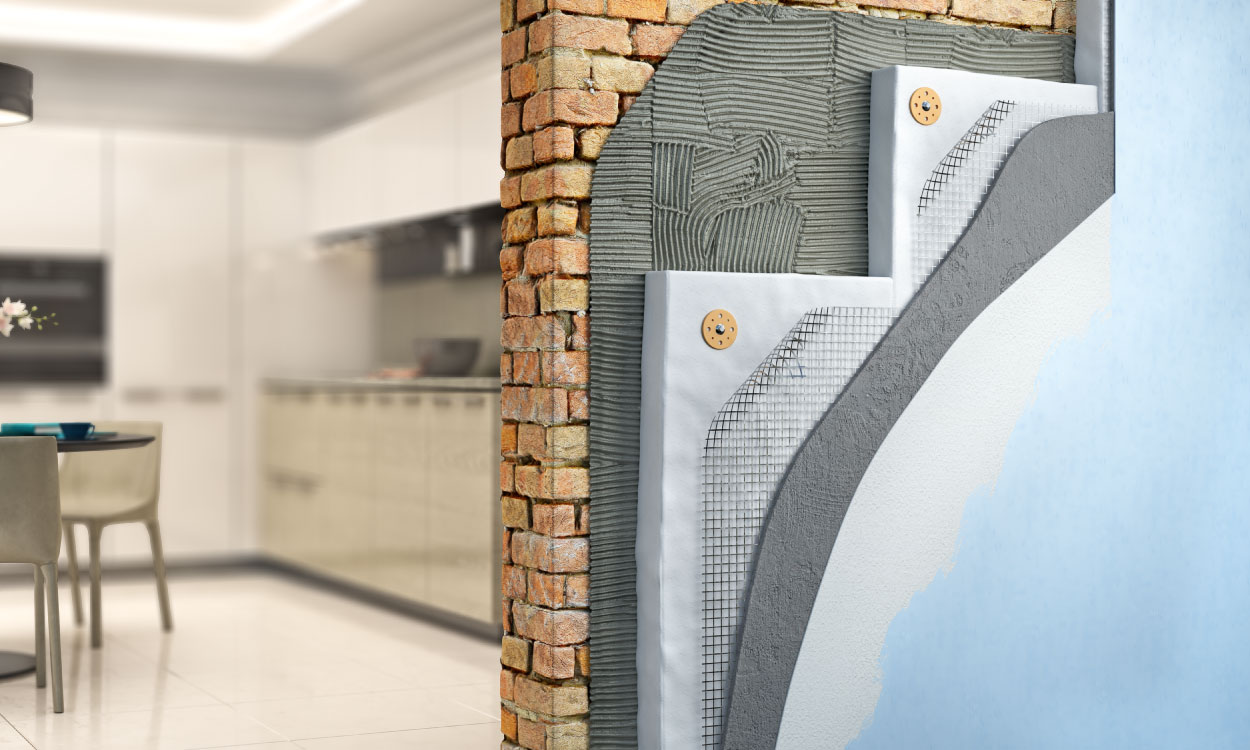
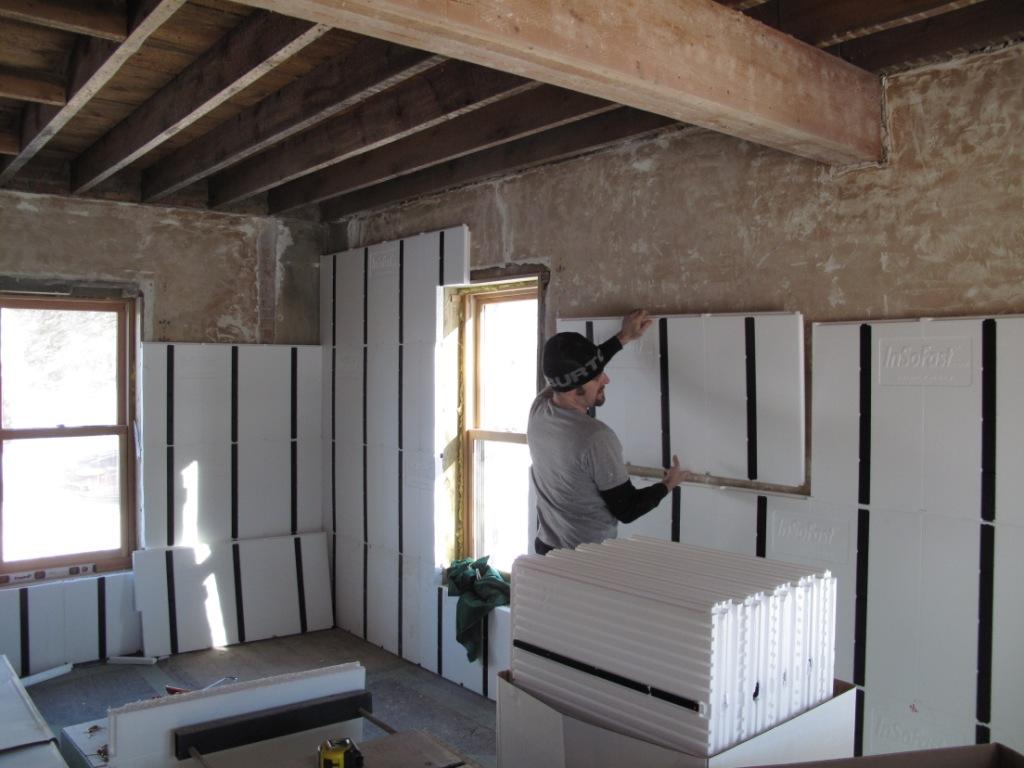
- Rigid Foam Boards: Rigid foam boards, such as expanded polystyrene (EPS), extruded polystyrene (XPS), and polyisocyanurate (polyiso), offer good insulation value and are relatively easy to install. They are typically cut to size and glued or mechanically fastened to the brick wall. Sealing the seams between boards is crucial to prevent air leakage.
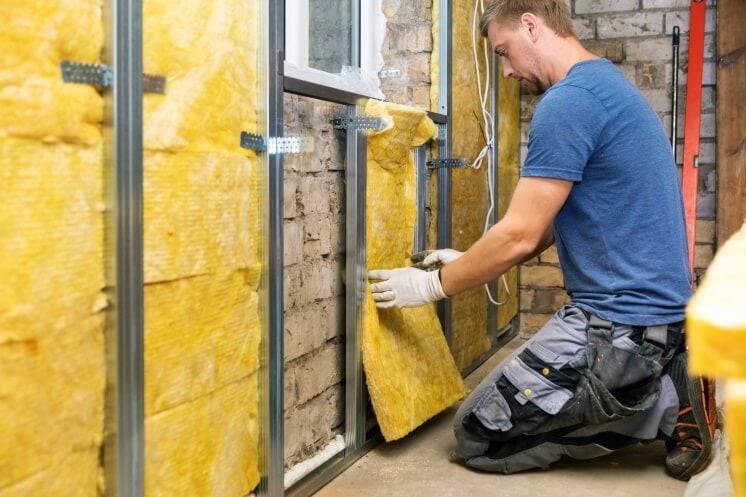
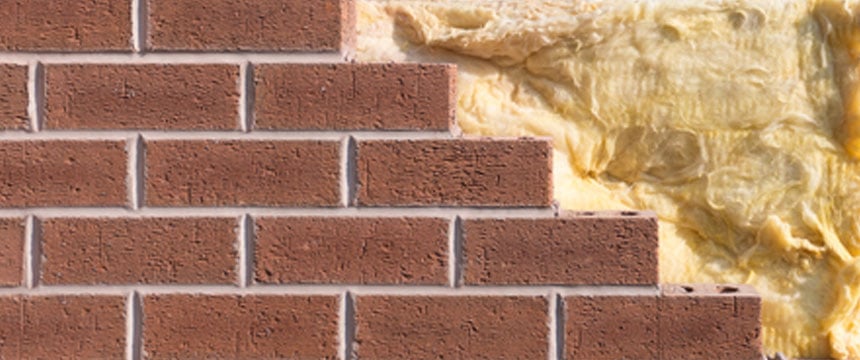
- Fiberglass Batts or Rolls: Fiberglass batts and rolls are a more traditional and generally less expensive insulation option. However, they are less effective at sealing air leaks and are susceptible to moisture damage if not properly installed. They require a framed wall to hold them in place.
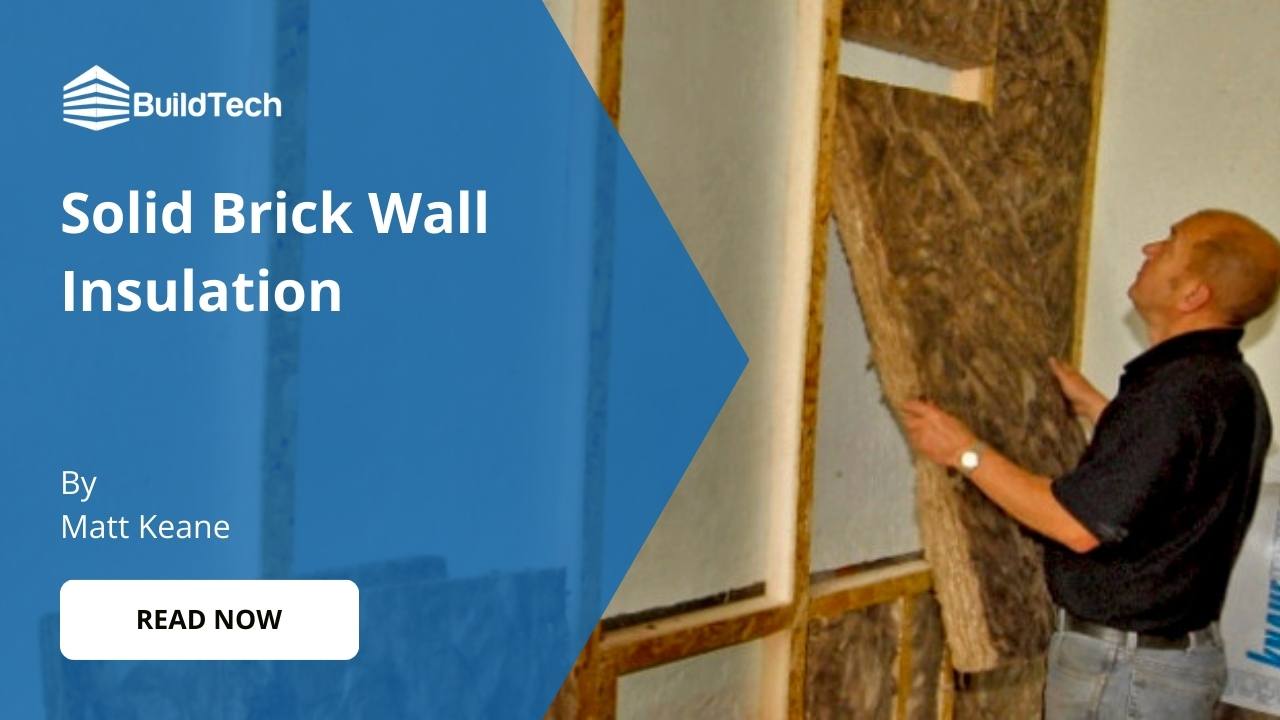
- Mineral Wool Batts or Rolls: Mineral wool (rock wool or slag wool) is similar to fiberglass but offers better fire resistance and sound absorption. It's also more resistant to moisture. Like fiberglass, it requires a framed wall.
- Dense-Packed Cellulose: Dense-packed cellulose is made from recycled paper and treated with fire retardants. It's blown into wall cavities and provides good insulation and soundproofing. It requires professional installation to ensure proper density and prevent settling.
The best insulation for your specific situation will depend on factors such as your budget, desired R-value, the condition of your brick wall, and any moisture concerns. Consulting with a qualified insulation contractor is recommended.
Q: How do I prepare the brick wall before insulating?
Proper preparation is essential for successful insulation. Follow these steps:
- Inspect the Brick: Carefully examine the brick wall for any signs of damage, such as cracks, crumbling mortar, or water stains. Address any necessary repairs before insulating.
- Clean the Surface: Clean the brick surface to remove any dirt, dust, or loose debris. A wire brush and a mild detergent solution can be used. Rinse thoroughly and allow the wall to dry completely.
- Address Moisture Issues: If you notice any signs of moisture intrusion, identify and fix the source of the problem before insulating. Insulating a damp wall can trap moisture, leading to mold growth and structural damage. Consider applying a breathable waterproofing sealant to the exterior of the brick if needed.
- Seal Air Leaks: Use caulk or sealant to seal any gaps or cracks around windows, doors, pipes, or other penetrations in the brick wall. This will help prevent air leakage and improve the effectiveness of the insulation.
- Consider a Vapor Barrier: Depending on your climate and the type of insulation you choose, you may need to install a vapor barrier to prevent moisture from migrating into the wall cavity. Consult with a building professional to determine if a vapor barrier is necessary in your situation. A professional familiar with your local building codes can offer guidance.
Q: What is the installation process for insulating brick walls from the inside?
The installation process varies depending on the type of insulation you choose, but here's a general overview:
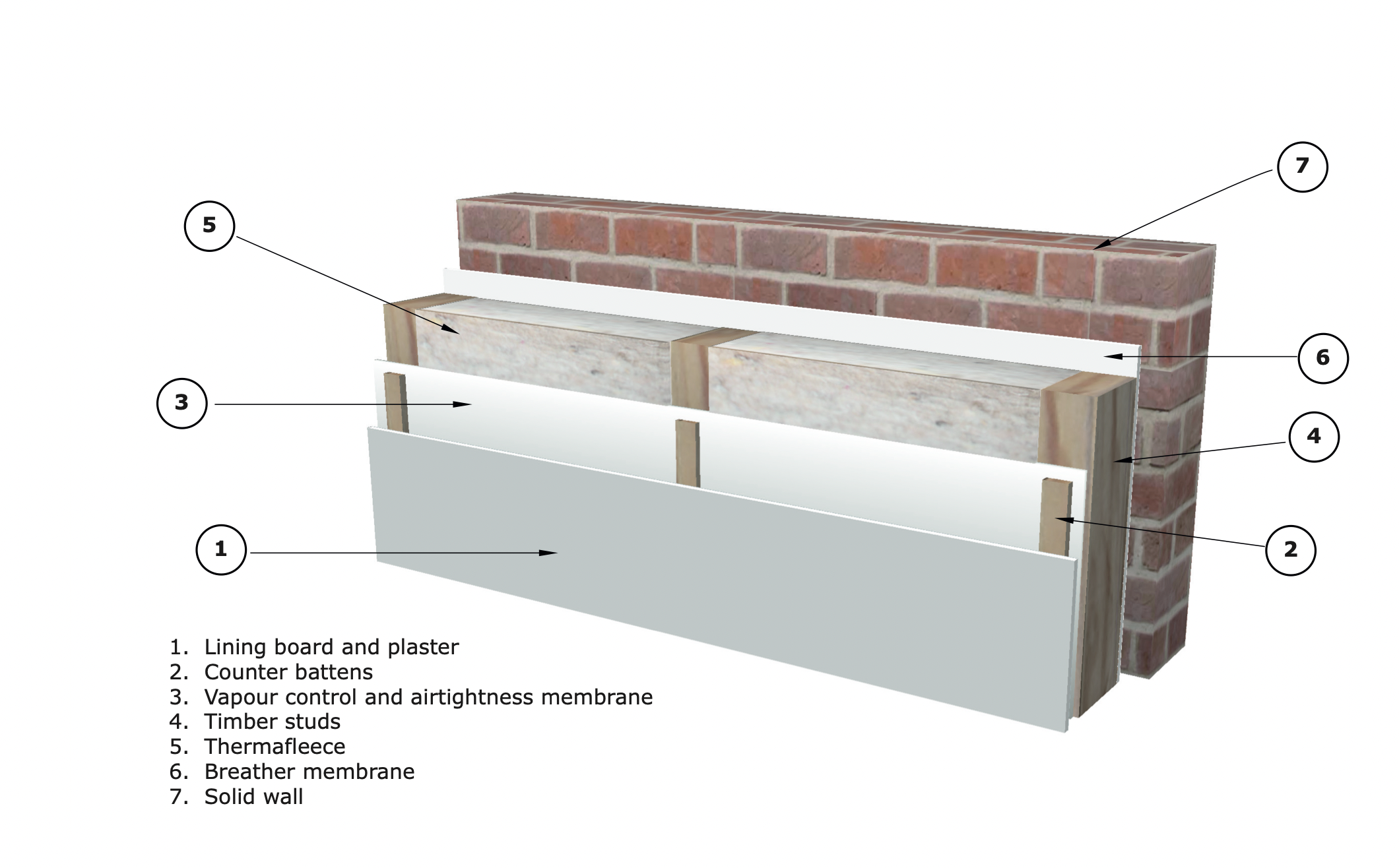
- Framing (if necessary): If you're using batt insulation (fiberglass or mineral wool) or rigid foam boards, you'll typically need to build a stud wall (wood or metal) inside the brick wall. This creates a cavity for the insulation and provides a surface for attaching drywall.
- Insulation Installation:
- Spray Foam: A professional will spray the foam into the wall cavity, allowing it to expand and fill the space.
- Rigid Foam Boards: Cut the boards to size and adhere them to the brick wall with construction adhesive or mechanical fasteners. Seal the seams between boards with tape or caulk.
- Batts/Rolls: Place the batts or rolls between the studs in the framed wall. Ensure they fit snugly and fill the entire cavity.
- Dense-Packed Cellulose: A professional will drill holes in the wall and blow the cellulose into the cavity, ensuring it is properly compacted.
- Vapor Barrier (if applicable): Install a vapor barrier (typically a polyethylene sheet) over the insulation, overlapping the seams and sealing them with tape. Note: in some climates, a vapor retarder is more appropriate than a vapor barrier.
- Drywall Installation: Install drywall over the framed wall (or directly over the rigid foam boards if no framing is used).
- Finishing: Tape and mud the drywall seams, sand smooth, and prime and paint the wall.
Important: For spray foam and dense-packed cellulose, it's highly recommended to hire a professional installer. These materials require specialized equipment and expertise to ensure proper installation and avoid potential problems.
Q: Are there any potential problems or challenges when insulating brick walls from the inside?
Yes, there are several potential problems and challenges to be aware of:
- Moisture Problems: As mentioned earlier, trapping moisture inside the wall cavity can lead to mold growth, rot, and structural damage. Proper preparation, addressing any existing moisture issues, and using a breathable insulation material or a vapor retarder can help mitigate this risk.
- Reduced Interior Space: Adding insulation and framing (if necessary) will reduce the usable space in the room. Consider this when choosing the type of insulation and framing material.
- Condensation: If the insulation is not properly installed or if the wall is not adequately sealed, condensation can form within the wall cavity, leading to moisture problems.
- Air Leaks: Failing to properly seal air leaks around windows, doors, and other penetrations can significantly reduce the effectiveness of the insulation.
- Cost: Insulating brick walls from the inside can be a significant investment, especially if you hire a professional installer. However, the long-term energy savings can often offset the initial cost.
- Brick Type Matters: Some brick types are more porous than others. Porous brick can absorb more moisture, making moisture management even more critical. Consider consulting a brick specialist to understand your brick's properties.
Q: How do I choose the right insulation contractor?
Selecting a qualified and experienced insulation contractor is crucial for a successful project. Here are some tips:
- Get Multiple Quotes: Obtain quotes from at least three different contractors.
- Check Credentials: Verify that the contractor is licensed, insured, and bonded.
- Ask for References: Request references from previous clients and contact them to inquire about their experience with the contractor.
- Review Their Experience: Ask about the contractor's experience with insulating brick walls specifically.
- Read Online Reviews: Check online review sites to see what other customers have to say about the contractor.
- Get a Detailed Contract: Make sure the contract includes a detailed description of the work to be performed, the materials to be used, the project timeline, and the payment schedule.
- Verify Insurance: Confirm that the contractor has adequate liability and workers' compensation insurance.
By carefully considering these factors, you can increase your chances of finding a reliable and qualified insulation contractor who will do the job right.
Q: Are there any building codes or regulations I need to be aware of?
Yes, building codes and regulations related to insulation vary by location. It's essential to check with your local building department or code enforcement agency to determine the specific requirements for your area. These codes may specify:
- Minimum R-values: The required R-value for insulation in walls.
- Vapor Barrier Requirements: Whether a vapor barrier is required and, if so, its type and placement.
- Fire Safety Standards: Requirements for fire-resistant materials and installation methods.
- Permitting Requirements: Whether a building permit is required for the insulation project.
Failing to comply with building codes can result in fines, delays, and even the need to redo the work. Consulting with a building professional who is familiar with local codes is highly recommended.