How To Insulate Floor Joists In Crawl Space
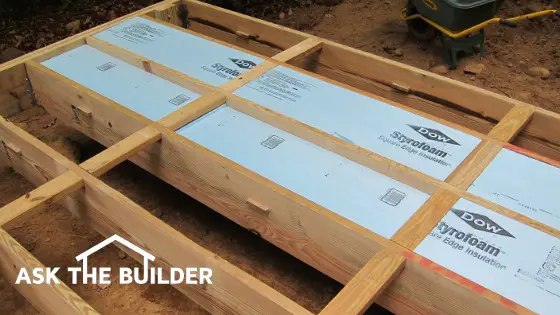
Insulating floor joists in a crawl space is a critical step in improving energy efficiency, reducing heating and cooling costs, and enhancing overall comfort within a building. A crawl space, often overlooked, can be a significant source of heat loss in winter and heat gain in summer. This comprehensive guide will cover the methods, materials, and best practices for effectively insulating floor joists in a crawl space.
Understanding the Importance of Crawl Space Insulation
A crawl space is the area between the ground and the first floor of a building. Without proper insulation, this space can contribute to several problems, including:
- Increased Energy Bills: Uninsulated floor joists allow heat to escape during winter, forcing the HVAC system to work harder and consume more energy. In summer, they allow heat to enter, increasing the cooling load.
- Drafts and Cold Floors: Cold air from the crawl space can seep into the living areas, leading to uncomfortable drafts and cold floors.
- Moisture Problems: Crawl spaces are prone to moisture, which can lead to mold growth, wood rot, and structural damage. Insulating without addressing moisture issues can exacerbate these problems.
- Pest Infestation: Unsealed crawl spaces can provide easy access for pests, such as rodents and insects.
Properly insulating floor joists helps mitigate these issues and create a more comfortable and energy-efficient environment. By creating a thermal barrier, insulation reduces heat transfer between the crawl space and the living area above.
Insulation Materials for Floor Joists
Several insulation materials are suitable for insulating floor joists in a crawl space. Each has its own advantages and disadvantages.
Fiberglass Batt Insulation
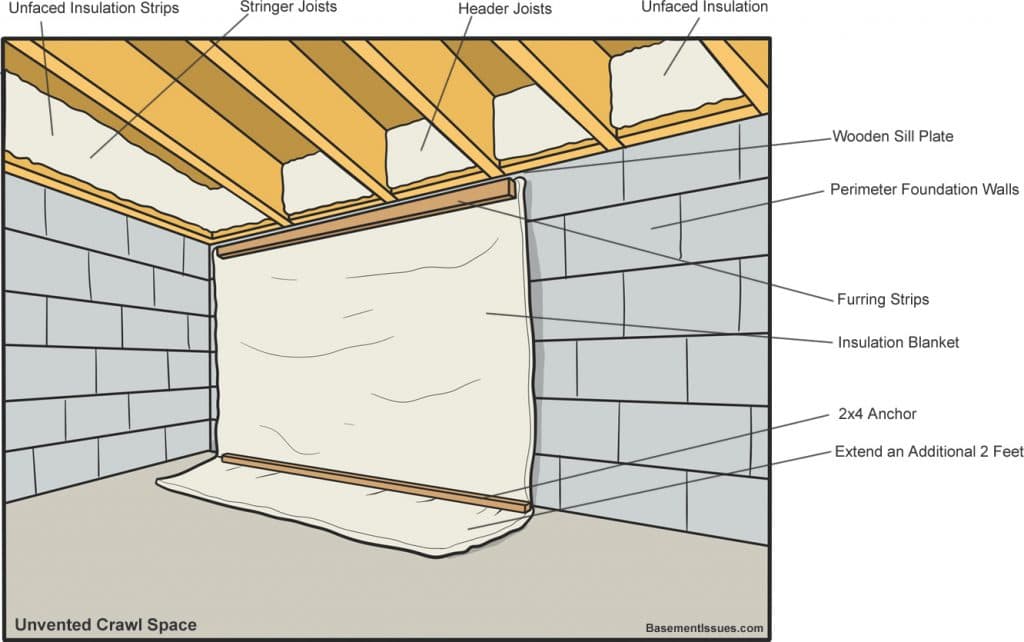
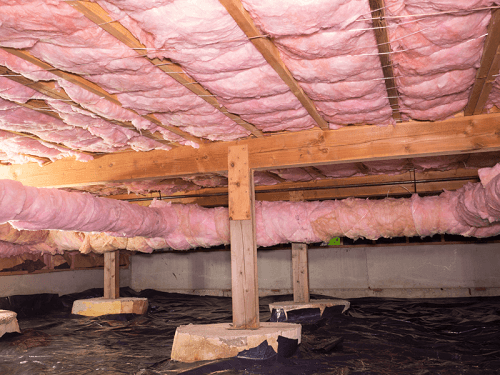
Fiberglass batts are a common and relatively inexpensive option. They are made from spun glass fibers and come in pre-cut widths designed to fit between standard floor joists. Fiberglass batts are readily available at most home improvement stores. However, they can lose their effectiveness if they become wet or compressed. Installation requires careful attention to avoid gaps and air leaks. The R-value, a measure of thermal resistance, typically ranges from R-11 to R-30 for floor joist applications.
Rigid Foam Board Insulation
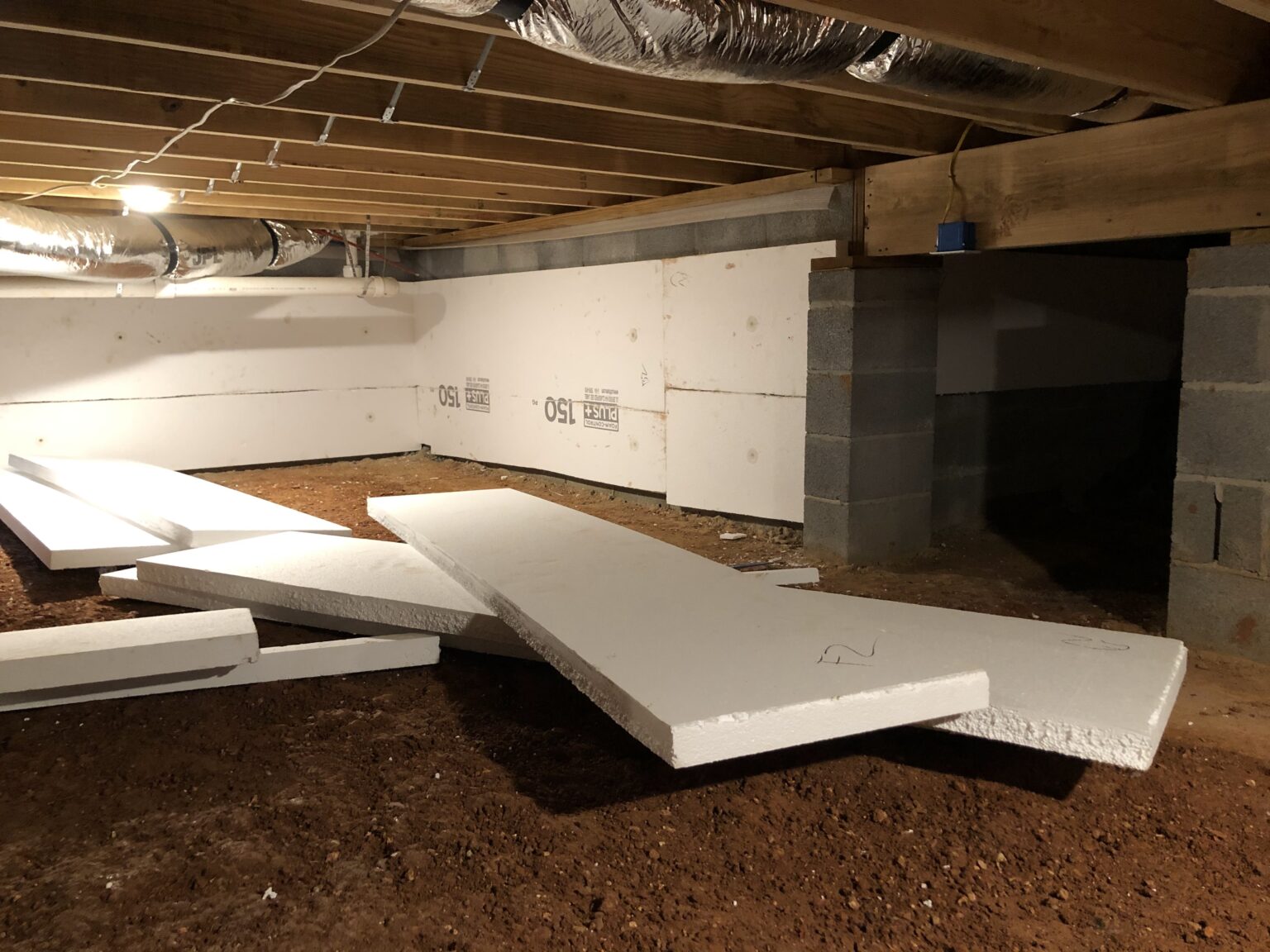
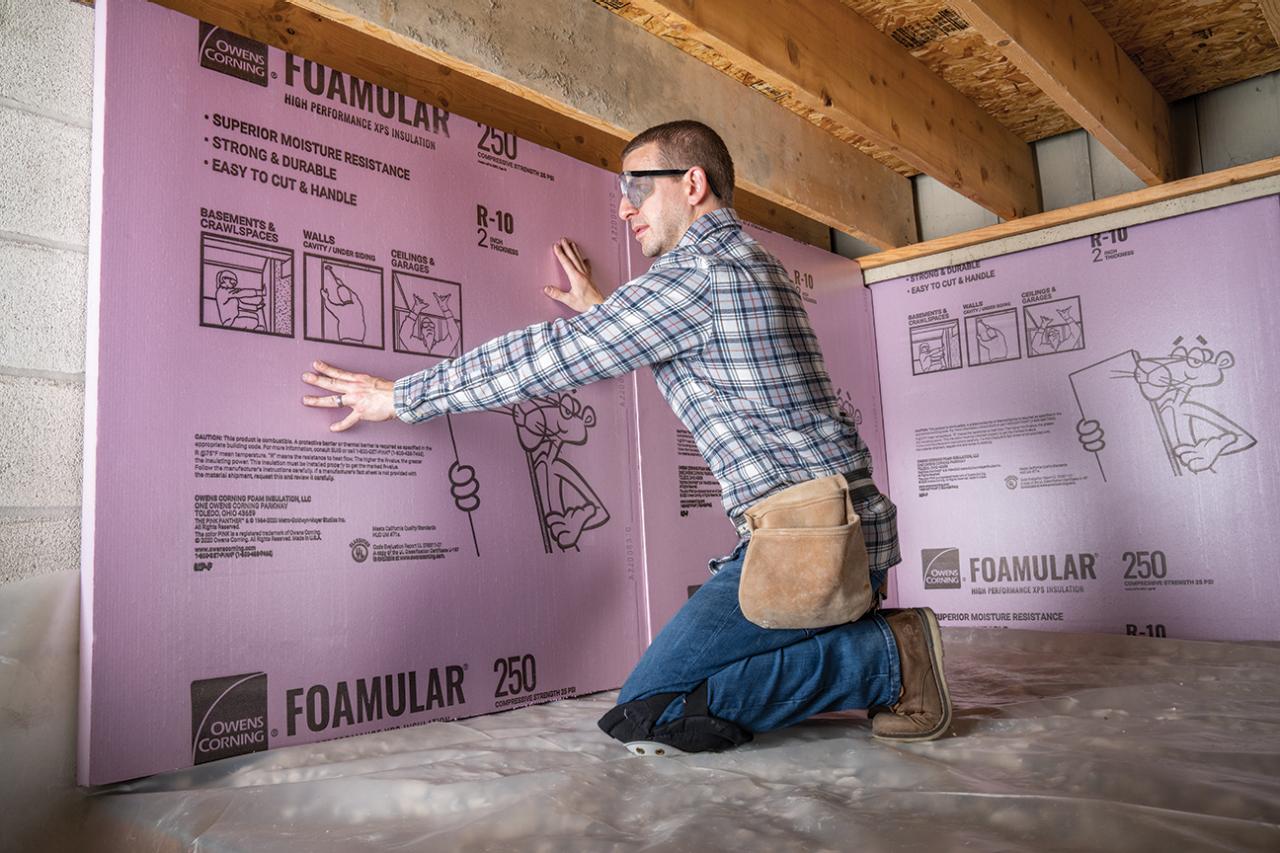
Rigid foam board, such as expanded polystyrene (EPS), extruded polystyrene (XPS), and polyisocyanurate (polyiso), provides a higher R-value per inch compared to fiberglass. Rigid foam is moisture-resistant and can be cut to fit between floor joists. It is often used in conjunction with spray foam to seal gaps and cracks. Polyiso generally offers the highest R-value, but it is also more expensive. XPS is a good balance of cost and performance. EPS is the least expensive, but also has the lowest R-value of the three. R-values typically range from R-4 to R-6.5 per inch.
Spray Foam Insulation
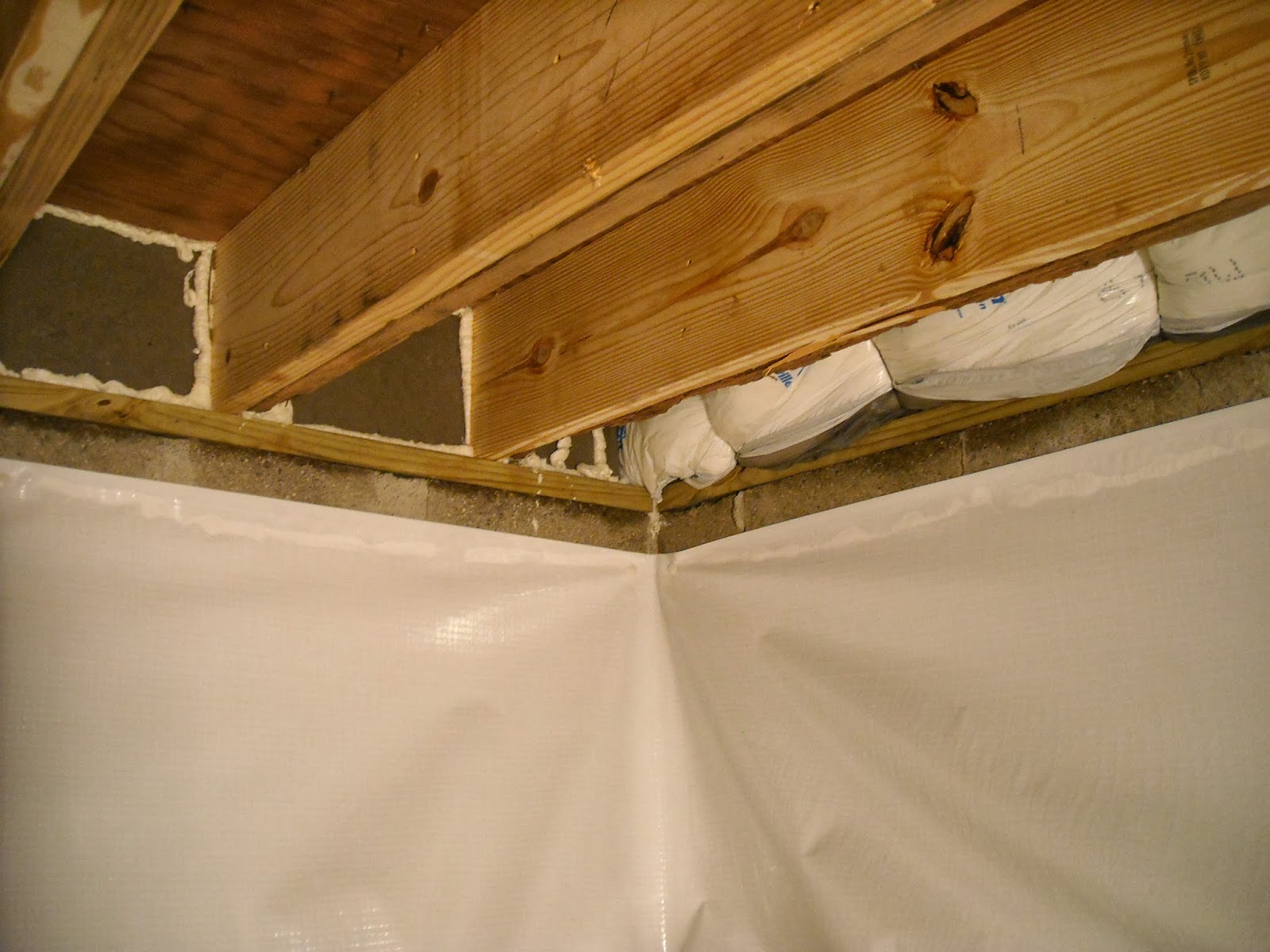
Spray foam insulation is an excellent choice for crawl spaces due to its ability to seal air leaks and provide a high R-value. There are two main types: open-cell and closed-cell. Closed-cell spray foam has a higher R-value (around R-6 to R-7 per inch) and is more resistant to moisture. Open-cell spray foam has a lower R-value (around R-3.5 per inch) but is less expensive. Spray foam is applied directly to the underside of the subfloor and between the floor joists, creating a seamless air barrier. However, professional installation is typically required, making it a more expensive option than fiberglass or rigid foam.
Rockwool (Mineral Wool) Insulation
Rockwool, also known as mineral wool, is made from recycled materials and offers excellent thermal and acoustic performance. It is fire-resistant and moisture-resistant, making it a good choice for crawl spaces. Rockwool batts can be installed between floor joists, similar to fiberglass. Its R-value typically ranges from R-15 to R-30. Rockwool is denser than fiberglass, providing better soundproofing and resistance to sagging.
Step-by-Step Installation Guide
Proper installation is crucial for maximizing the effectiveness of floor joist insulation. Here’s a step-by-step guide:
- Preparation:
- Safety First: Wear appropriate personal protective equipment (PPE), including safety glasses, gloves, and a dust mask.
- Inspect the Crawl Space: Check for moisture problems, mold, and pest infestations. Address any issues before installing insulation.
- Clean the Area: Remove any debris, dirt, or old insulation from the crawl space.
- Seal Air Leaks: Use caulk or expanding foam to seal any cracks or gaps in the foundation walls, around pipes, and wiring penetrations.
- Measure and Cut Insulation:
- Fiberglass Batts: Measure the distance between the floor joists and cut the fiberglass batts to fit snugly. Slightly overfill the space to ensure a tight fit.
- Rigid Foam Board: Measure the distance between the floor joists and cut the rigid foam board to fit. Use a utility knife or saw for cutting.
- Spray Foam: Professional installation is recommended. Ensure the area is properly prepped, and the spray foam is applied evenly and thoroughly.
- Rockwool Batts: Measure the distance between the floor joists and cut the rockwool batts to fit snugly.
- Install Insulation:
- Fiberglass Batts: Place the fiberglass batts between the floor joists, ensuring they are flush with the bottom of the joists. Use friction fit or install netting or wire to hold the batts in place.
- Rigid Foam Board: Apply construction adhesive to the back of the rigid foam board and press it firmly against the underside of the subfloor and between the floor joists. Use spray foam to seal any gaps around the edges.
- Spray Foam: A professional installer will apply the spray foam directly to the underside of the subfloor and between the floor joists.
- Rockwool Batts: Place the rockwool batts between the floor joists, ensuring they are flush with the bottom of the joists. Use friction fit or install netting or wire to hold the batts in place.
- Vapor Barrier (If Required): In some climates, a vapor barrier is recommended. Consult local building codes to determine if a vapor barrier is necessary and which side should face the living area.
Addressing Moisture Issues
Moisture is a significant concern in crawl spaces. Before insulating, it's crucial to address any existing moisture problems. Common sources of moisture include:
- Ground Moisture: Water vapor from the soil can enter the crawl space.
- Rainwater: Poor drainage around the foundation can lead to water accumulation in the crawl space.
- Leaking Pipes: Plumbing leaks can introduce moisture into the crawl space.
- Condensation: Warm, humid air entering the crawl space can condense on cool surfaces.
Solutions for moisture control include:
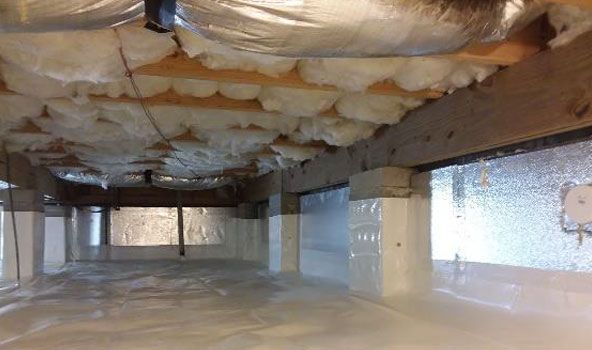
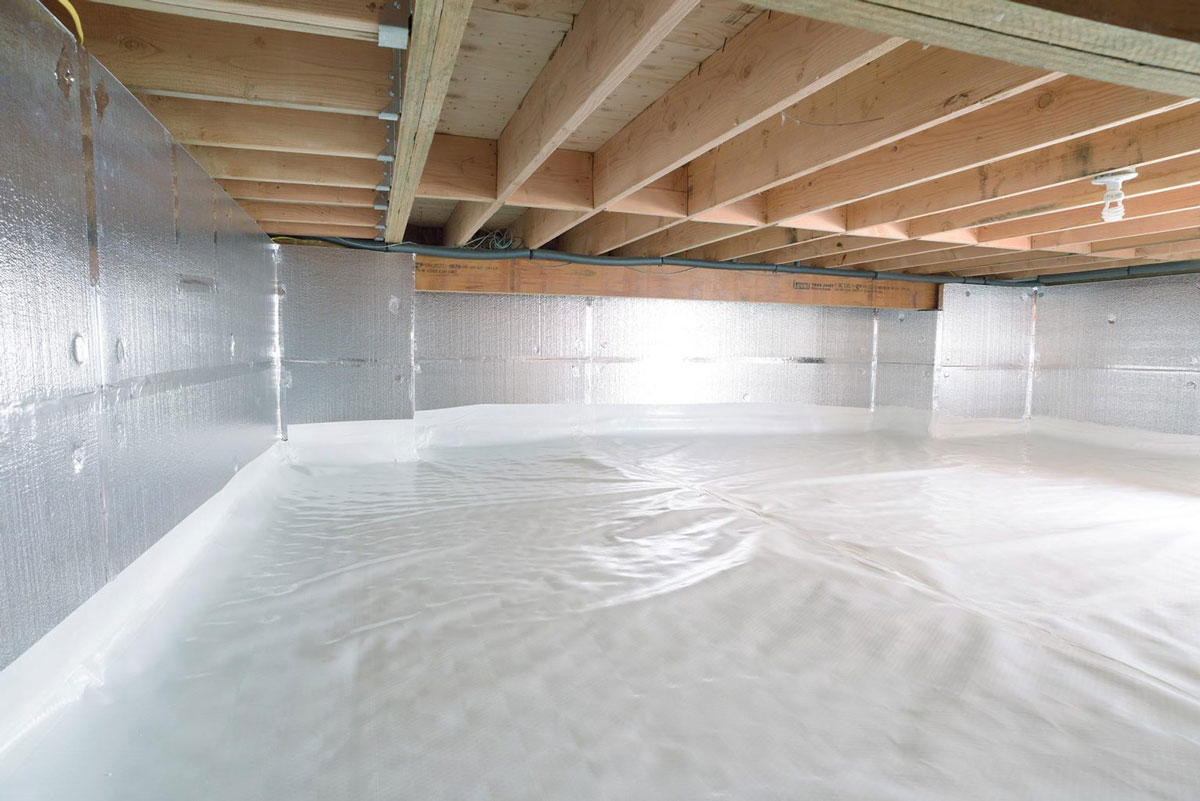
- Crawl Space Encapsulation: This involves sealing the crawl space with a vapor barrier, insulating the foundation walls, and installing a dehumidifier. Encapsulation creates a conditioned space, reducing moisture and improving air quality.
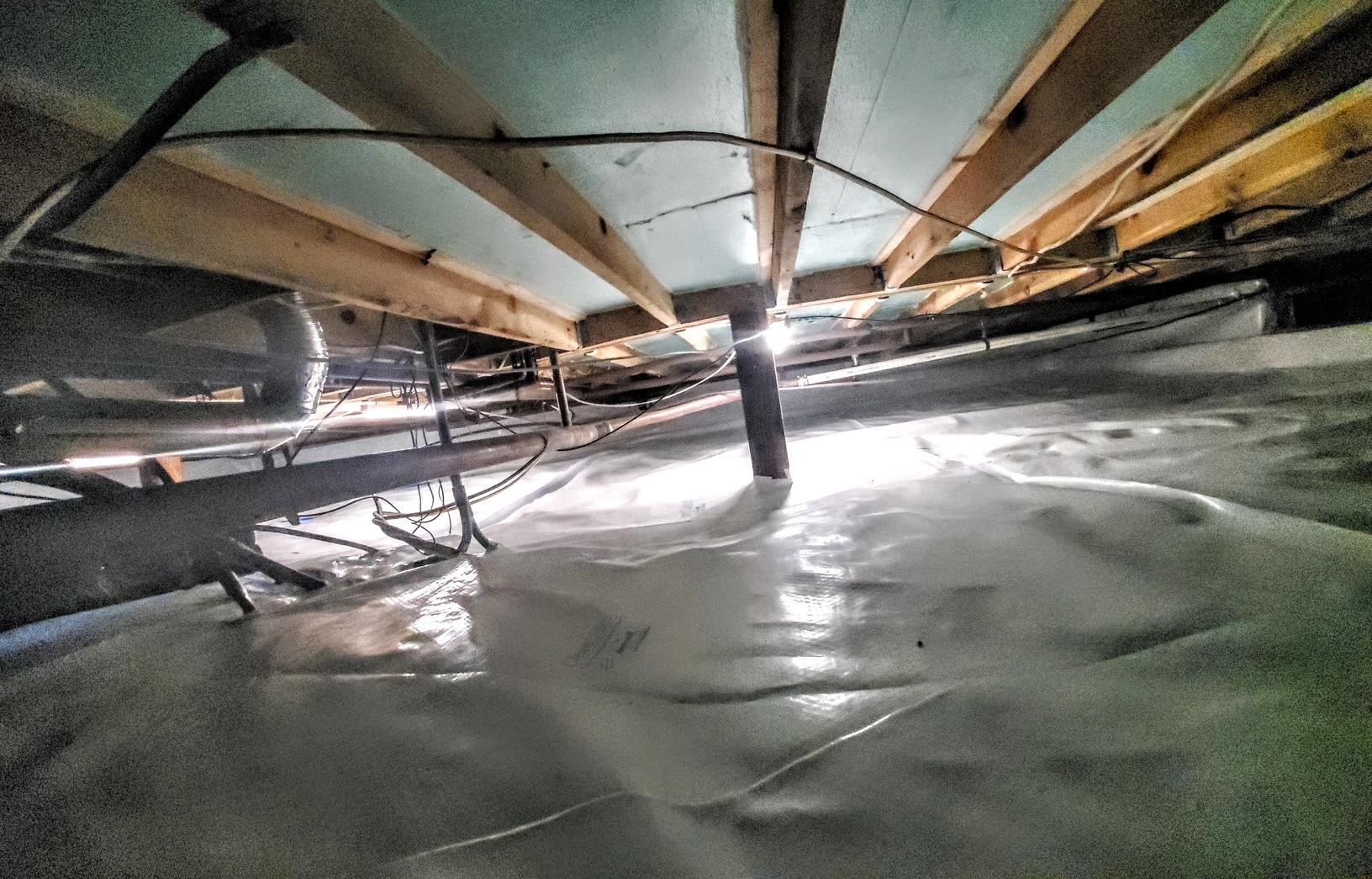
- Vapor Barrier: A heavy-duty polyethylene vapor barrier can be placed over the soil to prevent moisture from evaporating into the crawl space. Overlap seams by at least 12 inches and seal with tape.
- Drainage Improvements: Ensure proper grading around the foundation to direct rainwater away from the building. Install gutters and downspouts to manage rainwater runoff.
- Dehumidifier: A dehumidifier can help remove excess moisture from the crawl space. Choose a model designed for crawl space environments.
- Ventilation: While traditional wisdom suggested ventilating crawl spaces, modern building science often recommends sealing them. If ventilation is used, ensure it complies with local building codes and does not exacerbate moisture problems.
Cost Considerations
The cost of insulating floor joists in a crawl space varies depending on the chosen material, the size of the crawl space, and whether you hire a professional installer. Here's a general overview of the cost factors:
- Material Costs: Fiberglass batts are the least expensive, followed by rockwool, rigid foam board, and spray foam.
- Labor Costs: Professional installation adds to the overall cost, but it ensures the job is done correctly and efficiently. Spray foam installation typically requires professional expertise.
- Crawl Space Preparation: Addressing moisture problems, sealing air leaks, and cleaning the crawl space can add to the cost.
- Long-Term Savings: While the initial investment may seem significant, the long-term energy savings and improved comfort can offset the cost.
For example, insulating a 1,000-square-foot crawl space with fiberglass batts might cost $500-$1,000 for materials, while spray foam insulation could cost $2,000-$5,000, including professional installation. The potential energy savings, however, could range from 10% to 20% on heating and cooling costs, depending on the climate and existing insulation levels.
Building Codes and Regulations
Local building codes and regulations may specify minimum insulation requirements for crawl spaces. Consult with your local building department to ensure compliance. Codes typically specify the minimum R-value required for floor joist insulation and may also address vapor barrier requirements and ventilation standards.
Conclusion
Insulating floor joists in a crawl space is a worthwhile investment that can improve energy efficiency, enhance comfort, and protect your building from moisture damage. By understanding the different insulation materials, following proper installation techniques, and addressing moisture issues, you can create a healthier and more energy-efficient environment. Whether you choose to DIY the project or hire a professional, the benefits of a well-insulated crawl space are undeniable.