How To Leak Test A Gas Line
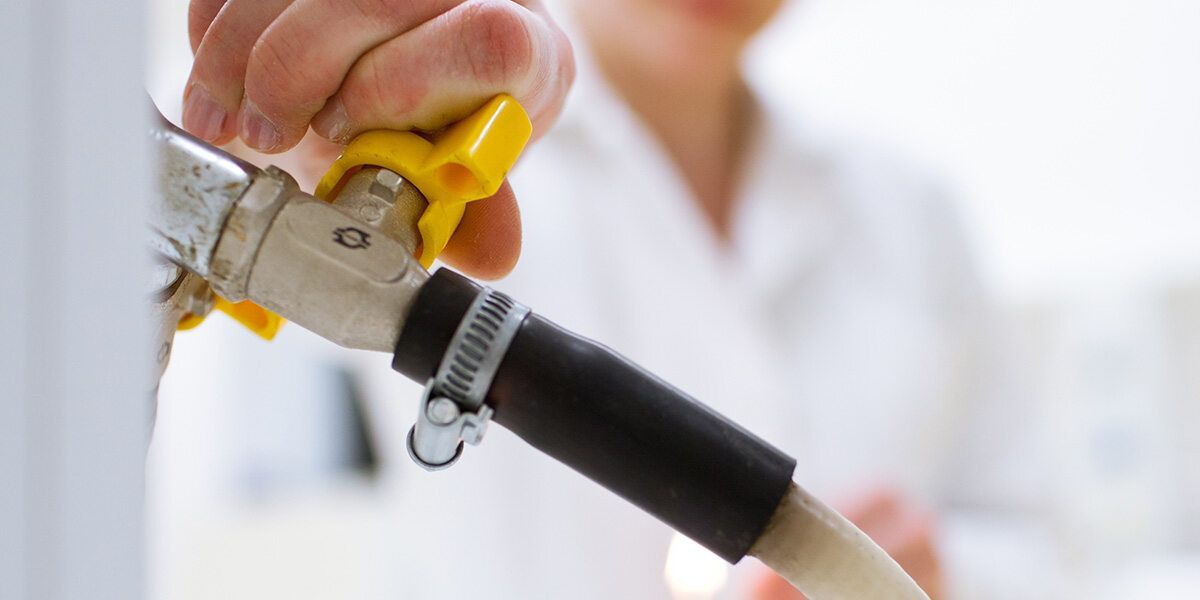
Natural gas powers many homes and businesses, fueling everything from furnaces and water heaters to stoves and fireplaces. While a reliable energy source, gas leaks can be costly and dangerous. Addressing them quickly and efficiently is paramount for energy savings and safety. This guide provides step-by-step instructions for leak testing a gas line, focusing on simple DIY methods and when professional assistance is needed. We'll also explore how integrating smart home technology and energy-efficient upgrades can minimize the risk of leaks and maximize savings.
DIY Gas Line Leak Testing: The Soap Bubble Method
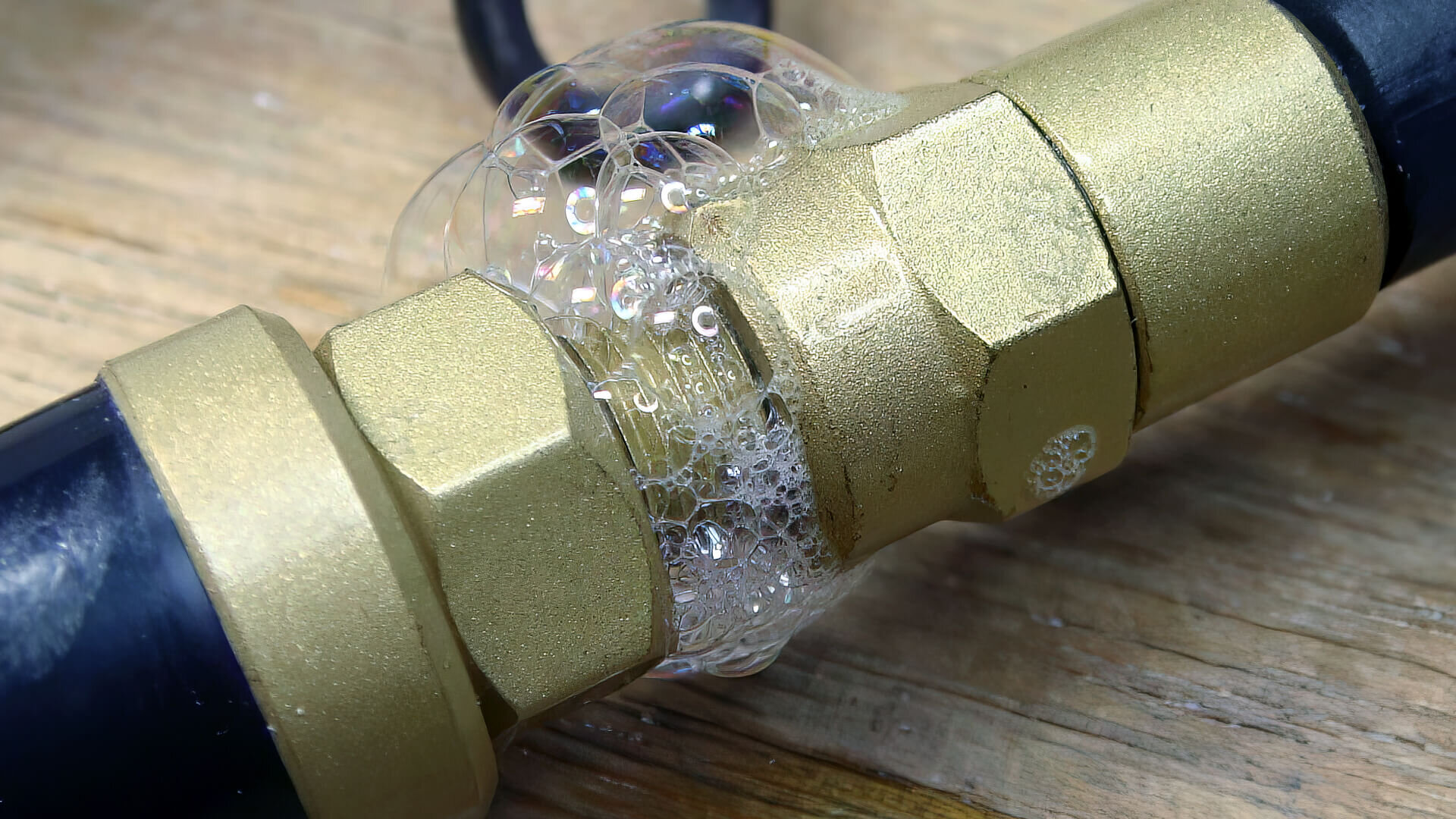
The soap bubble test is a simple, effective, and low-cost method for detecting gas leaks at fittings and connections. Before starting, ensure proper ventilation by opening windows and doors.
Tools and Materials:
- Spray bottle
- Dish soap (a few drops)
- Water
- Small brush (optional)
- Adjustable wrench (for tightening fittings)
Step-by-Step Instructions:
- Prepare the Soap Solution: Mix a few drops of dish soap with water in the spray bottle. Aim for a sudsy consistency. Avoid using harsh chemicals or detergents that might corrode metal pipes.
- Apply the Solution: Spray or brush the soap solution onto all gas line connections, including fittings, valves, and joints. Pay close attention to areas where leaks are most common, such as where pipes connect to appliances.
- Observe for Bubbles: Watch carefully for bubbles forming and growing on the surface. Even small bubbles indicate a gas leak. A larger leak will produce more prominent and faster-growing bubbles.
- Mark Leaks: If you find a leak, mark the location with a marker or tape. This will help you remember where the problem areas are when you take corrective action.
- Tighten Connections (If Applicable): If the leak appears to be at a threaded connection, try gently tightening the fitting with an adjustable wrench. Be careful not to overtighten, which could damage the connection or worsen the leak. Only attempt this if you are comfortable and confident in your ability to do so.
- Re-Test: After tightening any connections, reapply the soap solution and check for bubbles again. If the leak persists, further action is needed.
- Inspect Appliance Connections: Don't forget to check the connections at your gas appliances (furnace, water heater, stove, etc.). These connections are also potential leak points.
Important Safety Note: If you smell a strong gas odor, do not attempt to locate the leak yourself. Immediately evacuate the building and call your local gas company or 911 from a safe location. Avoid using any electronics (lights, phones, etc.) that could create a spark.
Beyond the Soap Bubble Test: Advanced Leak Detection Methods
While the soap bubble test is effective for detecting many leaks, some leaks may be too small or inaccessible to find with this method. For more advanced leak detection, consider these options:
Electronic Leak Detectors:
Electronic gas leak detectors are handheld devices that sense the presence of natural gas in the air. They provide a more sensitive and accurate way to locate leaks, especially in hard-to-reach areas. These detectors are available for purchase or rent at most hardware stores.
Using an electronic detector involves slowly moving the sensor along the gas line, paying attention to the detector's readings. An increase in the reading indicates the presence of gas. Be sure to follow the manufacturer's instructions for proper use and calibration.
Pressure Testing:
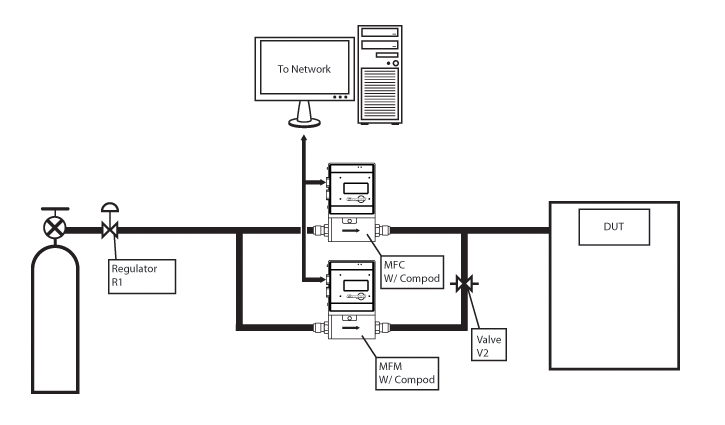
Pressure testing involves isolating a section of the gas line and pressurizing it with air or an inert gas. The pressure is then monitored over a period of time to see if it drops, indicating a leak. This method requires specialized equipment and expertise and is generally performed by qualified HVAC technicians or plumbers.
When to Call a Professional: Safety First
While DIY leak testing can be helpful, there are situations where it's essential to call a qualified professional:
- You smell a strong gas odor: Evacuate and call the gas company immediately.
- You can't locate the leak yourself: If you've tried the soap bubble test and electronic leak detector and still can't find the source of the leak, it's time to call a professional.
- The leak is inside a wall or underground: These leaks are difficult and dangerous to address without specialized equipment and expertise.
- You're uncomfortable working with gas lines: Safety should always be your top priority. If you're not confident in your ability to safely test and repair a gas line, leave it to the professionals.
A qualified HVAC technician or plumber can accurately diagnose the leak, perform necessary repairs, and ensure the safety and integrity of your gas system. They can also advise on preventative maintenance to minimize the risk of future leaks.
Energy Savings and Rebates: Addressing Leaks Pays Off
Repairing gas leaks isn't just about safety; it's also about saving money on your energy bills. Even small leaks can waste a significant amount of gas over time, leading to higher energy consumption and increased costs. Fixing a gas leak can result in immediate savings on your monthly bill. According to the Energy Information Administration (EIA), the average U.S. household spends hundreds of dollars annually on natural gas. Addressing leaks prevents this wasted energy and keeps that money in your pocket.
Furthermore, many utility companies and government agencies offer rebates and incentives for energy-efficient upgrades, including gas line repairs. Check with your local utility company or visit the Energy Star website to see if any rebates are available in your area. These rebates can help offset the cost of repairs and make the investment even more worthwhile.
Smart Home Integration and Leak Prevention
Smart home technology offers innovative ways to monitor your gas system and prevent leaks before they become a problem. Smart gas detectors can continuously monitor for gas leaks and alert you via your smartphone or other devices if a leak is detected. These detectors can be placed near appliances or in areas where leaks are more likely to occur.
Some smart thermostats can also integrate with gas leak detectors and automatically shut off the gas supply in the event of a leak. This added layer of safety can prevent further damage and protect your home and family.
Additionally, smart energy monitors can track your gas consumption in real-time, allowing you to identify any sudden spikes in usage that could indicate a leak. By monitoring your gas usage closely, you can detect potential problems early and take corrective action before they escalate.
Investing in energy-efficient appliances, such as high-efficiency furnaces and water heaters, can also reduce the risk of gas leaks. These appliances are designed to operate more efficiently and safely, minimizing the potential for leaks and other problems. Look for Energy Star certified appliances to ensure optimal performance and energy savings.
Regular Maintenance: A Proactive Approach
The best way to prevent gas leaks is to perform regular maintenance on your gas system. Schedule annual inspections by a qualified HVAC technician or plumber to check for leaks, corrosion, and other potential problems. These inspections can identify minor issues before they become major problems, saving you money and ensuring the safety of your home.
Here are some additional tips for maintaining your gas system:
- Keep gas appliances clean and free of debris.
- Inspect gas lines regularly for signs of damage or corrosion.
- Replace flexible gas connectors when they reach the end of their lifespan.
- Ensure proper ventilation around gas appliances.
- Install carbon monoxide detectors to protect against carbon monoxide poisoning.
By taking a proactive approach to gas line safety and maintenance, you can minimize the risk of leaks, save money on your energy bills, and ensure the safety and comfort of your home.
Ultimately, the goal is to create a safe and energy-efficient home. Understanding how to leak test a gas line, combined with the use of smart technology and professional assistance when needed, contributes to a more sustainable and cost-effective living environment. Remember to prioritize safety and consult with qualified professionals for any complex issues.