How To Light A Furnace In Minecraft

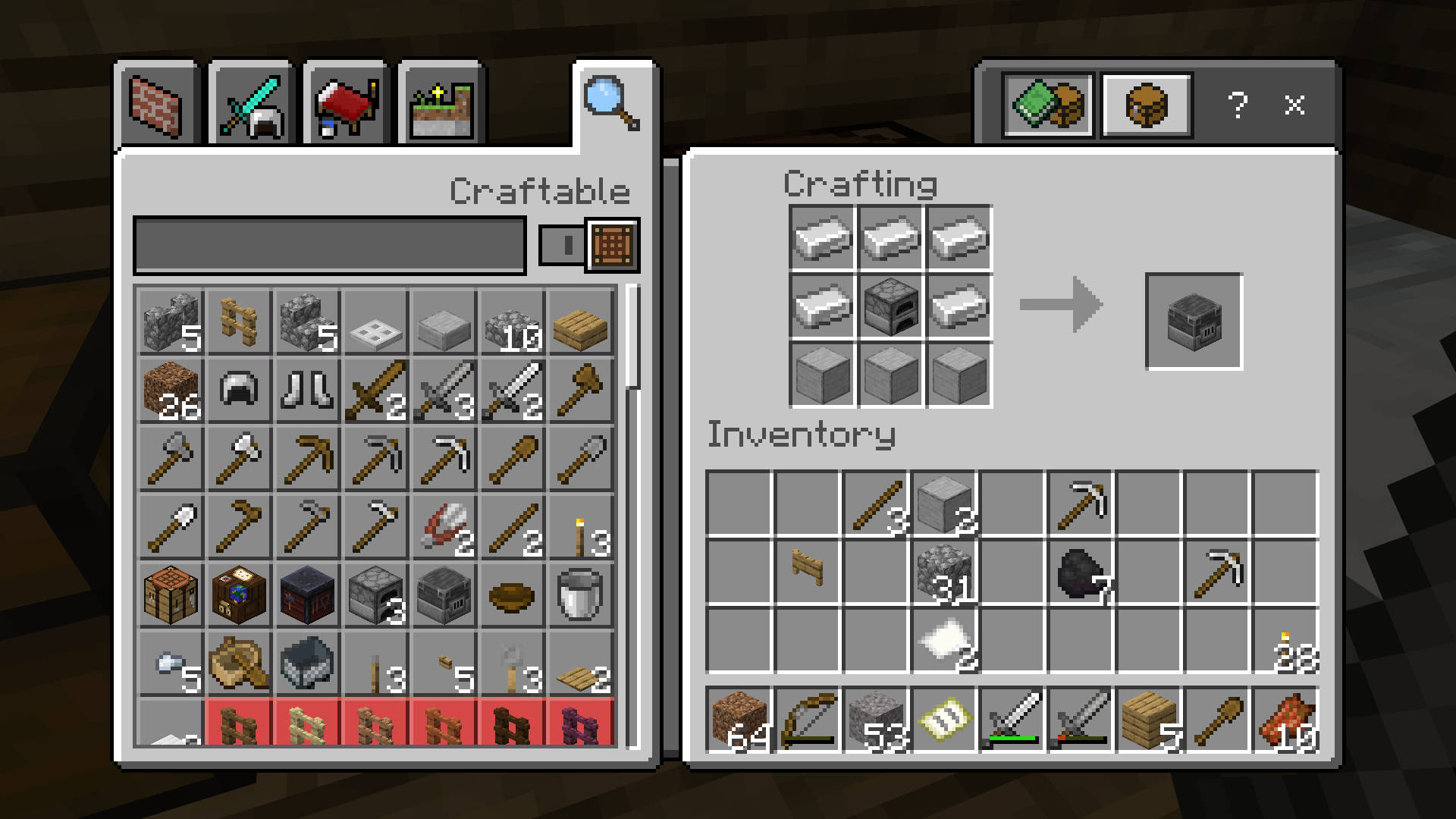
Navigating the world of HVAC systems can feel a bit like venturing into the depths of Minecraft – complex, sometimes confusing, but ultimately rewarding when you understand the mechanics. While we won't be crafting furnaces with cobblestone and coal, this guide aims to illuminate the process of lighting a *real-world* furnace and keeping it running safely and efficiently. This is crucial knowledge for homeowners, real estate investors evaluating properties, and contractors advising clients on the best heating solutions. Understanding the process empowers you to make informed decisions about your home's heating system.
Understanding Your Furnace: A Foundation for Safe Operation
Before delving into the lighting procedure, it's critical to understand the basic components of your furnace. This includes knowing the type of furnace you have (natural gas, propane, or oil), and where key components like the gas valve, pilot light (if applicable), and igniter are located. This knowledge is fundamental to understanding the lighting procedure and ensuring safety.
Types of Furnaces:
- Natural Gas Furnaces: The most common type, using natural gas supplied by a utility company.
- Propane Furnaces: An alternative when natural gas isn't available, using propane stored in a tank.
- Oil Furnaces: Older technology, less efficient than gas or propane, using heating oil stored in a tank.
Key Components:
- Gas Valve: Controls the flow of gas to the burner.
- Pilot Light (Older Models): A small, constant flame that ignites the main burner. Newer furnaces generally use electronic ignition.
- Igniter (Newer Models): An electronic device that heats up to ignite the gas.
- Flame Sensor: A safety device that detects the presence of a flame and shuts off the gas supply if no flame is detected.
- Blower Motor: Circulates heated air throughout the home.
- Thermostat: Controls the furnace's operation based on the desired temperature.
Step-by-Step Guide to Lighting Your Furnace
Safety First: Before attempting to light your furnace, ensure you have read and understand the manufacturer's instructions. If you smell gas, immediately evacuate the area and call your gas company from a safe location. Do not attempt to light the furnace if you suspect a gas leak.
Lighting a Furnace with a Pilot Light (Older Models)
This procedure applies to older furnaces equipped with a pilot light.
- Turn Off the Furnace: Locate the switch near the furnace (usually a light switch type) and turn it to the "OFF" position.
- Turn Off the Gas Supply: Locate the gas valve on the gas line leading to the furnace. Turn the valve to the "OFF" position. The valve handle should be perpendicular to the gas line.
- Wait: Wait at least five minutes to allow any accumulated gas to dissipate. This is a crucial safety step.
- Locate the Pilot Light Assembly: This is usually located near the main burner. You should see a small tube leading to a small opening.
- Turn the Gas Valve to "Pilot": On the gas valve, there should be a setting labeled "PILOT." Turn the knob to this position.
- Press and Hold the Pilot Button: While holding a lit lighter or match near the pilot light opening, press and hold the pilot button. This allows gas to flow to the pilot light.
- Light the Pilot Light: Carefully ignite the gas with the lighter or match. The pilot light should ignite and remain lit while you continue to hold the pilot button.
- Hold for 30-60 Seconds: Continue holding the pilot button for 30-60 seconds. This allows the thermocouple (a heat-sensing device) to heat up and keep the gas valve open.
- Release the Pilot Button: Slowly release the pilot button. If the pilot light remains lit, proceed to the next step. If the pilot light goes out, repeat steps 5-8. If it still doesn't stay lit, consult a qualified HVAC technician.
- Turn the Gas Valve to "ON": Once the pilot light is lit and stays lit, turn the gas valve to the "ON" position.
- Turn On the Furnace: Turn the furnace switch back to the "ON" position.
- Test the Furnace: Set your thermostat to a temperature higher than the current room temperature. The main burner should ignite, and the blower motor should start after a short delay.
Lighting a Furnace with Electronic Ignition (Newer Models)
Newer furnaces use electronic ignition, which eliminates the need for a standing pilot light. The process is generally simpler and safer.
- Turn Off the Furnace: Locate the furnace switch and turn it to the "OFF" position.
- Turn Off the Gas Supply: Locate the gas valve and turn it to the "OFF" position.
- Wait: Wait at least five minutes to allow any accumulated gas to dissipate.
- Turn On the Gas Supply: Turn the gas valve to the "ON" position.
- Turn On the Furnace: Turn the furnace switch back to the "ON" position.
- Set the Thermostat: Set your thermostat to a temperature higher than the current room temperature.
- Listen for the Ignition Sequence: The furnace should initiate an ignition sequence. You may hear a clicking sound as the igniter attempts to light the gas.
- Observe the Burner: If the furnace ignites successfully, the main burner will light, and the blower motor will start after a short delay.
Troubleshooting Common Furnace Problems
Even with proper knowledge, furnace problems can arise. Here are some common issues and potential solutions:
- Furnace Won't Turn On: Check the thermostat settings, power supply, and circuit breaker. Ensure the furnace switch is in the "ON" position.
- Pilot Light Won't Stay Lit: The thermocouple may be dirty or faulty. Try cleaning the thermocouple with fine steel wool. If that doesn't work, the thermocouple may need to be replaced.
- Furnace Cycles On and Off Frequently (Short Cycling): This could indicate a dirty air filter, blocked vents, or a problem with the flame sensor.
- Blower Runs Continuously: This could be caused by a faulty limit switch or thermostat.
- Unusual Noises: Banging, squealing, or rattling noises can indicate a variety of problems, such as loose components or a failing blower motor. Contact a qualified technician for diagnosis and repair.
Maintaining Your Furnace for Optimal Performance
Regular maintenance is essential for ensuring your furnace operates safely and efficiently. Here are some key maintenance tasks:
- Change Air Filters Regularly: Dirty air filters restrict airflow, reducing efficiency and potentially damaging the furnace. Replace air filters every 1-3 months, depending on usage and air quality.
- Inspect and Clean Burners: Periodically inspect the burners for dirt and debris. Clean the burners with a wire brush if necessary.
- Inspect Flue Pipe: Ensure the flue pipe is properly connected and free of obstructions. A blocked flue pipe can lead to carbon monoxide buildup.
- Carbon Monoxide Detectors: Install carbon monoxide detectors near sleeping areas and test them regularly.
- Professional Inspection: Schedule an annual inspection and tune-up with a qualified HVAC technician. They can identify potential problems and ensure your furnace is operating safely and efficiently.
Choosing the Right HVAC System: Brands, Models, and Ratings
When considering a new HVAC system, several factors come into play. These include the size of your home, your budget, and your desired level of efficiency. Consider the following brands and their popular models:
Popular HVAC Brands:
- Carrier: Known for high-efficiency and advanced features. Carrier Infinity Series offers top-of-the-line performance.
- Trane: A reliable brand with a wide range of options. The Trane XV20i is a popular high-efficiency model.
- Lennox: Offers a balance of performance and value. The Lennox SLP98DF is a highly efficient modulating furnace.
- Goodman: A budget-friendly option known for its affordability.
- Rheem: A reputable brand with a variety of energy-efficient options.
Key Ratings to Consider:
- AFUE (Annual Fuel Utilization Efficiency): Measures the heating efficiency of a furnace. A higher AFUE rating indicates greater efficiency. Look for furnaces with an AFUE of 90% or higher for significant energy savings.
- SEER (Seasonal Energy Efficiency Ratio): Measures the cooling efficiency of an air conditioner. A higher SEER rating indicates greater efficiency.
- HSPF (Heating Seasonal Performance Factor): Measures the heating efficiency of a heat pump. A higher HSPF rating indicates greater efficiency.
Understanding Warranties:
HVAC warranties vary by manufacturer and model. Pay close attention to the terms and conditions of the warranty. Common warranty types include:
- Parts Warranty: Covers the cost of replacement parts for a specified period.
- Labor Warranty: Covers the cost of labor for repairs for a specified period.
- Heat Exchanger Warranty: Covers the cost of replacing the heat exchanger, a critical component of the furnace.
Ensure you register your HVAC system with the manufacturer to activate the warranty.
Cost Considerations and ROI
The cost of a new HVAC system can vary depending on the brand, model, and installation costs. While energy-efficient systems often have a higher upfront cost, they can save you money in the long run through lower energy bills. Consider the long-term return on investment (ROI) when choosing a new HVAC system.
Consider financing options and available rebates from your utility company or government programs to help offset the cost of a new HVAC system.
Conclusion
Understanding how to light a furnace, along with basic troubleshooting and maintenance, is crucial for ensuring the safe and efficient operation of your home's heating system. When it comes time to replace or upgrade your HVAC system, carefully consider your needs, budget, and the long-term benefits of energy-efficient options. Consulting with a qualified HVAC technician is always recommended to ensure you choose the right system for your home and that it is installed correctly. Just like mastering Minecraft, understanding your HVAC system empowers you to control your home environment and maximize comfort and efficiency.


:max_bytes(150000):strip_icc()/013_how-to-make-a-furnace-in-minecraft-5085276-af0d8a7b4cb74d1b9a9fc6b42c9e90f8.jpg)