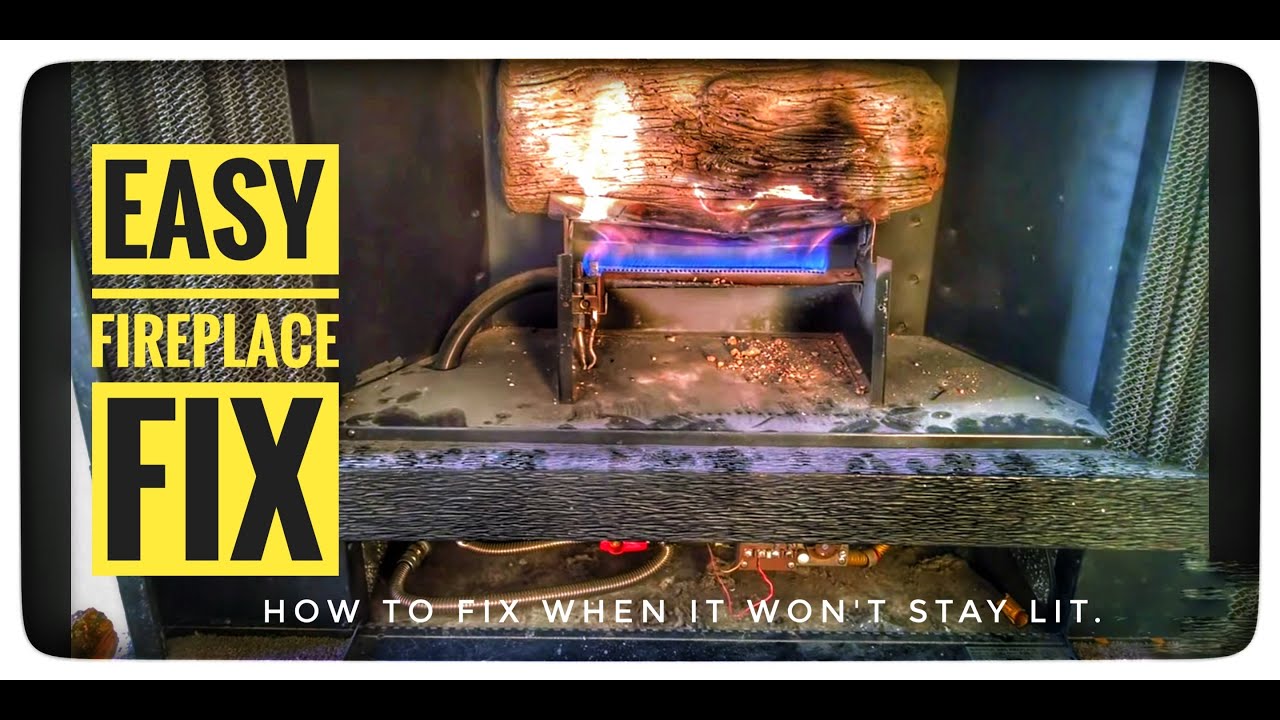
How To Light A Gas Fireplace With Electronic Ignition

Igniting Your Gas Fireplace: A Comprehensive Guide to Electronic Ignition Systems
Gas fireplaces offer a convenient and aesthetically pleasing alternative to traditional wood-burning fireplaces. Modern gas fireplaces often utilize electronic ignition systems, eliminating the need for a pilot light and offering increased energy efficiency and safety. This guide provides a detailed walkthrough of how to light a gas fireplace equipped with electronic ignition.
Understanding Electronic Ignition
Unlike older models with standing pilot lights, electronic ignition systems use a spark to ignite the gas. This spark is typically generated by a battery-powered or electrically powered module. The key advantage is that no gas is wasted continuously fueling a pilot light, leading to significant energy savings over time. Furthermore, electronic ignition systems often incorporate safety features that automatically shut off the gas supply if the flame is not detected, preventing gas leaks.
Step-by-Step Guide to Lighting Your Gas Fireplace
Before you begin, ensure you have read and understood the manufacturer's instructions for your specific fireplace model. Different models may have slight variations in operation.
Step 1: Safety First - Checking for Gas Leaks
Prior to ignition, it's crucial to check for any potential gas leaks. Sniff around the fireplace for any unusual gas odors. If you suspect a leak, do NOT attempt to light the fireplace. Immediately turn off the gas supply at the shut-off valve (usually located near the fireplace or outside the house) and contact a qualified HVAC technician or your gas company.
Step 2: Locating the Controls
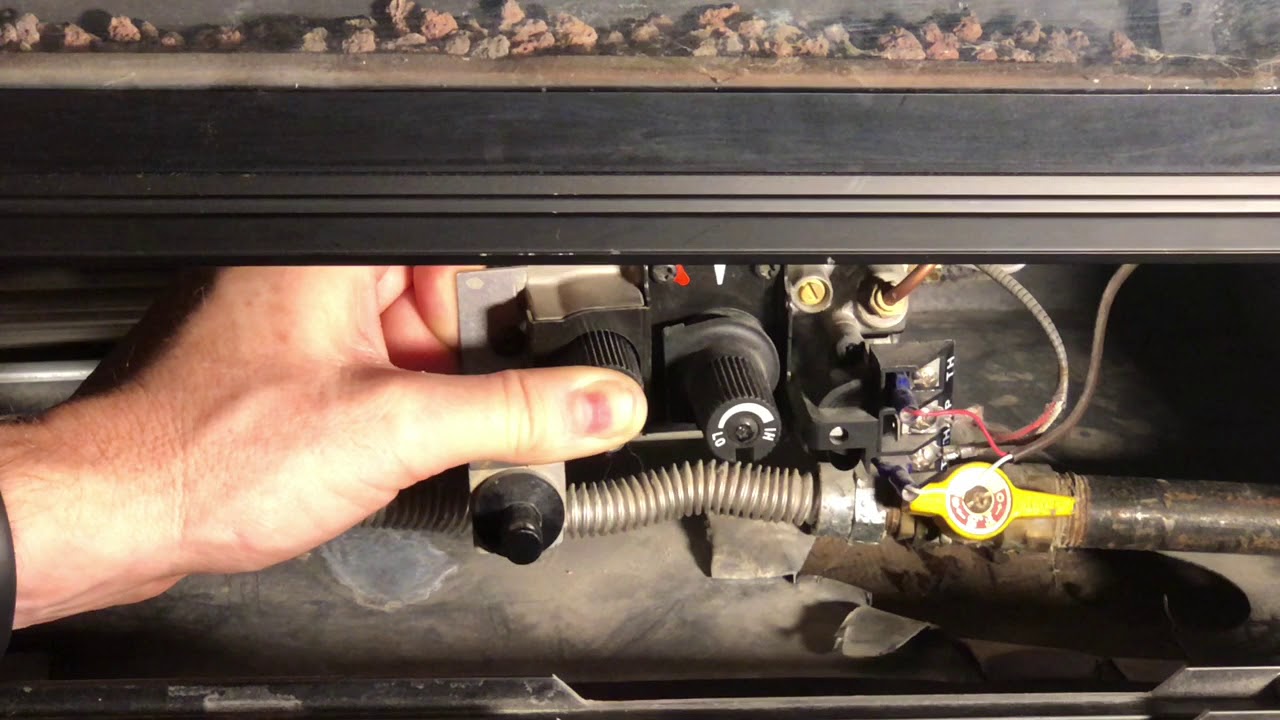
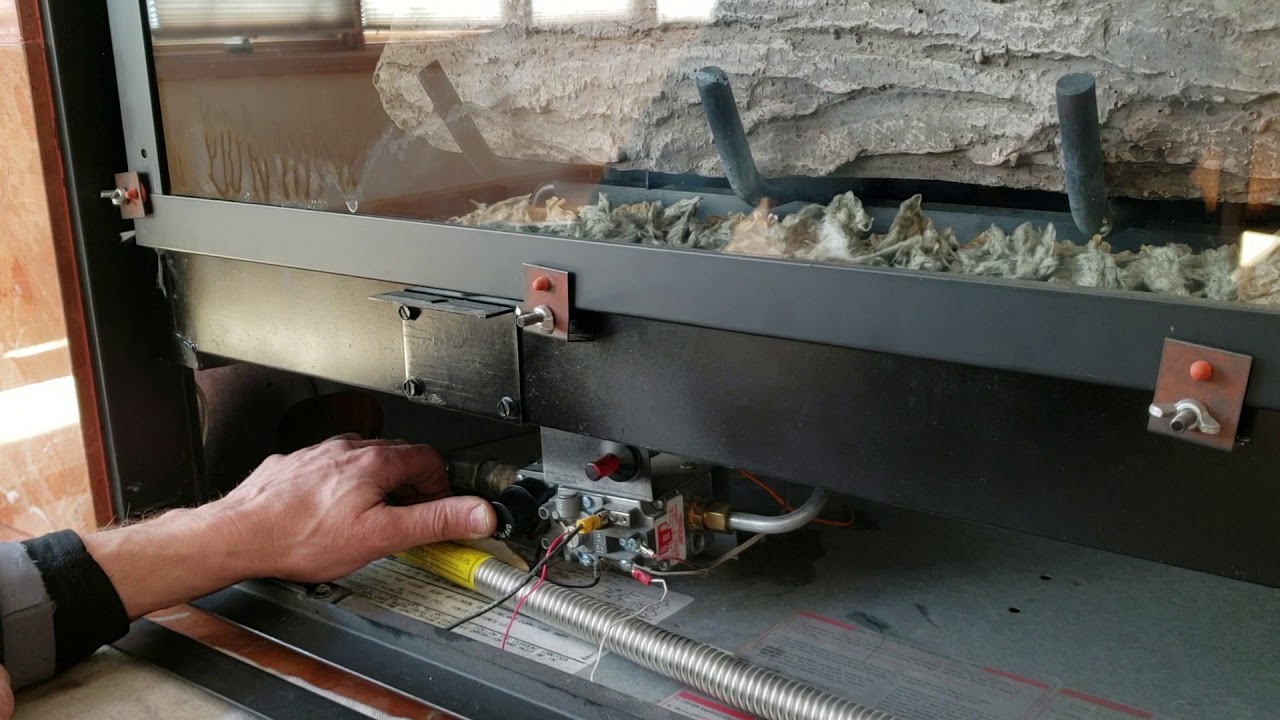
The controls for your gas fireplace are typically located behind a small access panel, often near the bottom of the unit. Common controls include:
- On/Off Switch: This switch activates the electronic ignition system.
- Ignition Button: In some models, you may need to press and hold a separate ignition button to generate the spark.
- Flame Height Control: This allows you to adjust the intensity of the flame.
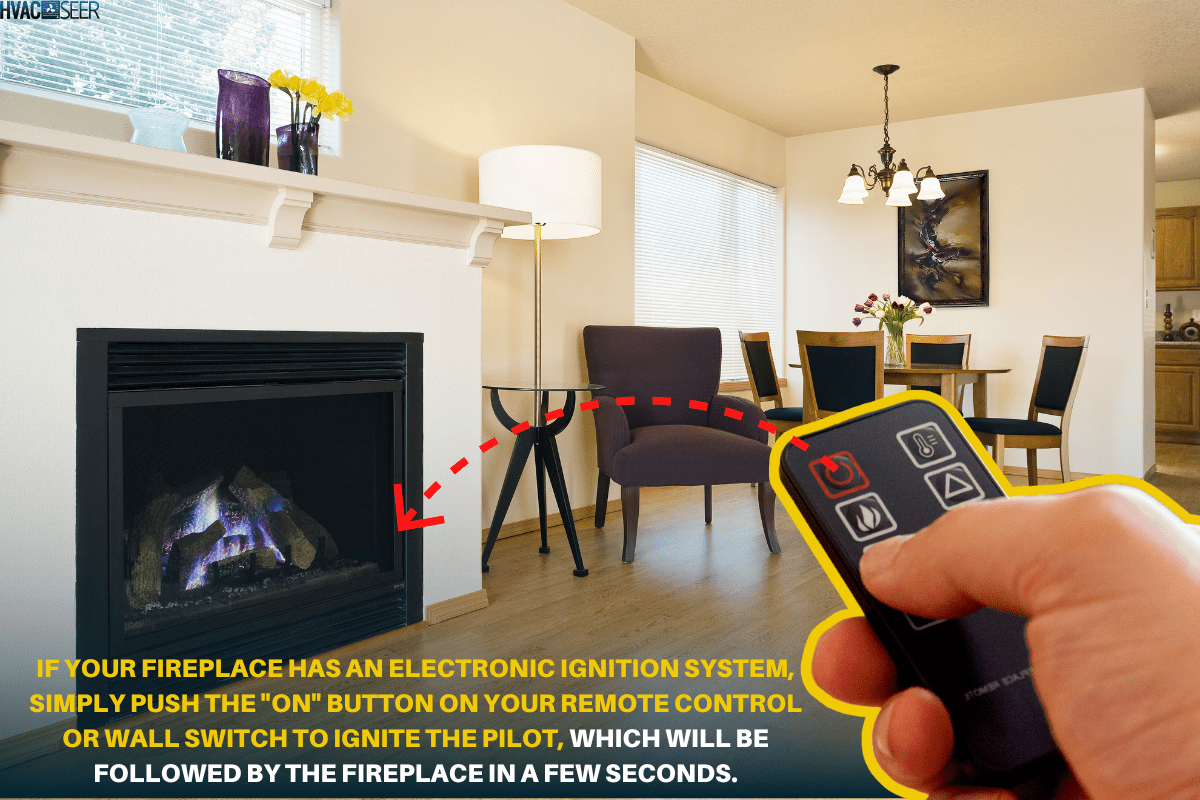
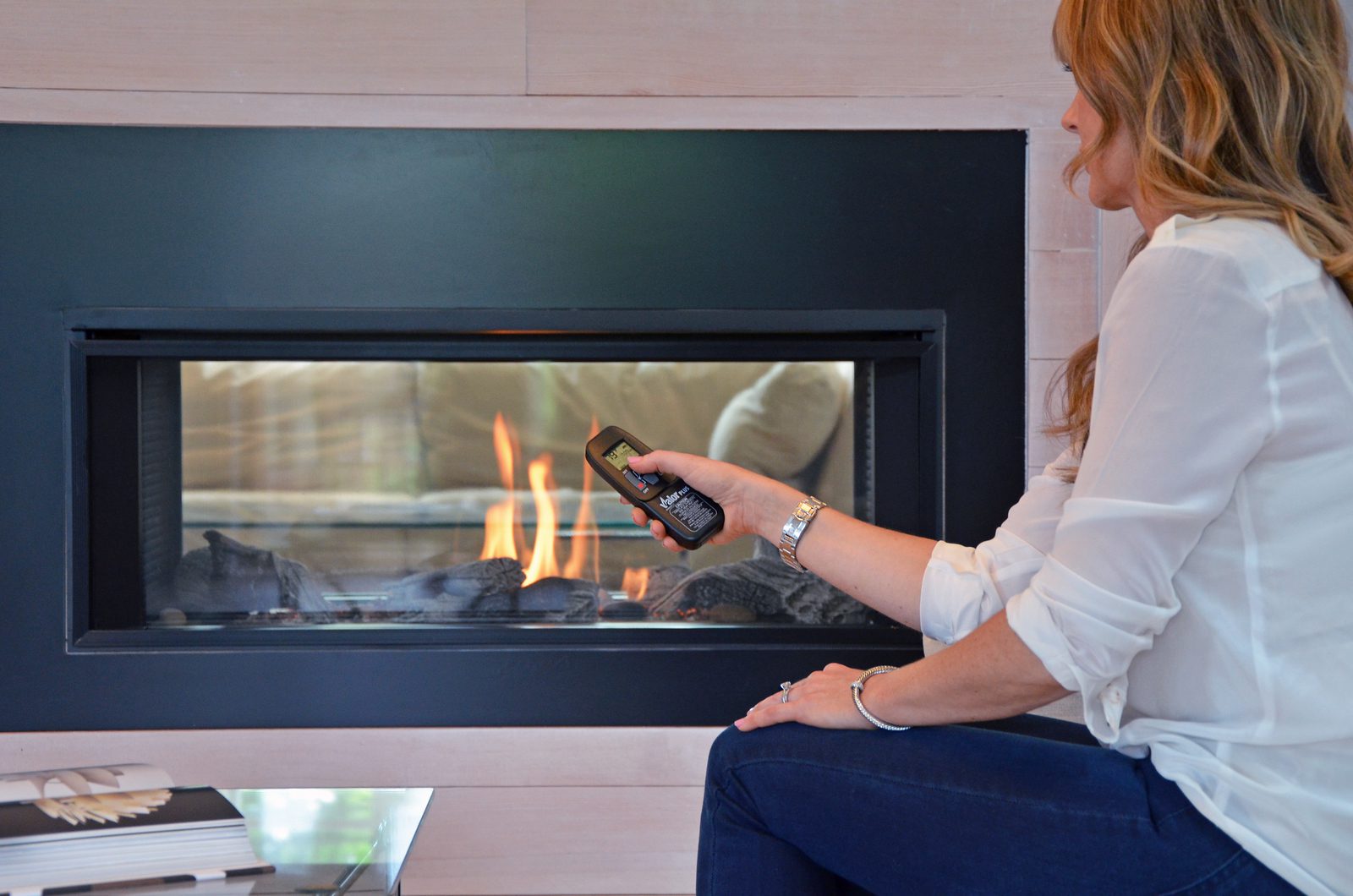
- Remote Control (Optional): Many modern gas fireplaces include a remote control for convenient operation.
Step 3: Initiating the Ignition Sequence
Follow these steps to light your gas fireplace:
- Turn On the Gas Supply: Ensure the gas shut-off valve is in the "on" position.
- Locate the Main Control Switch: Find the On/Off switch, sometimes labeled "Ignite" or "Start."
- Activate the Ignition: Depending on your model:
- Single Switch: Simply flip the switch to the "On" or "Ignite" position. You should hear a clicking sound as the igniter attempts to spark.
- Separate Ignition Button: Flip the main switch to "On," then press and hold the ignition button. Continue holding the button until the flame ignites.
- Observe the Flame: Once the flame ignites, continue holding the ignition button (if applicable) for a few seconds to allow the flame sensor to activate. The flame sensor verifies the presence of a flame and keeps the gas valve open.
- Release the Button (if applicable): If your model has a separate ignition button, release it once the flame is established.
- Adjust the Flame Height: Use the flame height control to set the desired flame intensity.
Step 4: Troubleshooting Common Ignition Problems
If your gas fireplace fails to ignite, consider the following troubleshooting steps:
- Check the Power Supply: Ensure the batteries in the ignition module (if battery-powered) are fresh. For electrically powered systems, verify that the unit is plugged in and receiving power.
- Clean the Igniter: Dust and debris can accumulate on the igniter, preventing it from sparking. Use a soft brush to gently clean the igniter tip.
- Check the Gas Supply: Make sure the gas shut-off valve is fully open.
- Inspect the Flame Sensor: A dirty or malfunctioning flame sensor can prevent the gas valve from staying open. Clean the sensor with a fine-grit sandpaper or steel wool.
- Examine the Pilot Orifice (if applicable): Although less common with electronic ignition, some systems may have a small pilot orifice. A clogged orifice can prevent the pilot flame from igniting. Clean the orifice with a thin wire or needle.
- Consult the Manual: Refer to your fireplace's owner's manual for specific troubleshooting tips and error codes.
If you are unable to resolve the ignition problem after attempting these troubleshooting steps, contact a qualified HVAC technician for assistance. Do not attempt to repair the fireplace yourself if you are not comfortable working with gas appliances.
Maintaining Your Gas Fireplace
Regular maintenance is essential for ensuring the safe and efficient operation of your gas fireplace. Schedule annual inspections and maintenance with a qualified HVAC technician. Common maintenance tasks include:
- Cleaning the burner assembly
- Inspecting the gas lines and connections for leaks
- Cleaning the glass door
- Checking the venting system for obstructions
- Inspecting the flame sensor and igniter
Gas Fireplace Features and Benefits
Gas fireplaces offer numerous benefits compared to traditional wood-burning fireplaces, including:
- Convenience: Easy to ignite and operate with electronic ignition.
- Efficiency: Higher energy efficiency than wood-burning fireplaces.
- Cleanliness: No need to handle wood or clean up ashes.
- Safety: Reduced risk of fire hazards and carbon monoxide poisoning with proper venting and safety features.
- Aesthetics: Wide variety of styles and designs to complement any home décor.
Comparing Gas Fireplace Brands and Models
Several reputable manufacturers offer high-quality gas fireplaces with electronic ignition. Here are a few popular brands and models to consider:
- Napoleon: Known for their innovative designs and high-efficiency models.
- Heat & Glo: Offers a wide range of gas fireplaces, including linear and traditional styles.
- Kingsman: Provides reliable and affordable gas fireplaces with various features.
- Lennox Hearth Products: A trusted brand with a long history of manufacturing quality HVAC equipment.
When comparing different models, consider the following factors:
- BTU Output: Choose a BTU output that is appropriate for the size of your room.
- Efficiency Rating: Look for models with high efficiency ratings to save on energy costs.
- Features: Consider features such as remote control, thermostatic control, and variable flame height.
- Warranty: Check the warranty coverage offered by the manufacturer.
- Price: Compare prices from different retailers and installers to find the best deal.
Cost Considerations
The cost of a gas fireplace can vary depending on the brand, model, features, and installation requirements. Expect to pay anywhere from $2,000 to $10,000 or more for a complete gas fireplace installation. Factors that can affect the cost include:
- Fireplace Unit: The price of the fireplace unit itself.
- Installation: The cost of labor and materials for installing the fireplace.
- Venting: The cost of installing or modifying the venting system.
- Gas Line: The cost of running a gas line to the fireplace.
- Permits: The cost of obtaining any necessary permits.
Obtain quotes from multiple qualified HVAC contractors to compare pricing and services before making a decision.
Understanding AFUE, SEER, and HSPF Ratings (Relevance to Overall HVAC System)
While AFUE (Annual Fuel Utilization Efficiency), SEER (Seasonal Energy Efficiency Ratio), and HSPF (Heating Seasonal Performance Factor) are primarily used to rate furnaces, air conditioners, and heat pumps, understanding these ratings is crucial when considering a gas fireplace as part of your overall home heating strategy. A gas fireplace typically supplements your primary heating system. Therefore, its efficiency can impact your overall energy consumption.
- AFUE: Measures the efficiency of converting fuel (natural gas or propane) into heat. While gas fireplaces don't have a standardized AFUE rating like furnaces, understanding the concept helps you evaluate the fireplace's heating effectiveness. Look for models that are designed for efficient heat distribution.
- SEER & HSPF: These ratings are not directly applicable to gas fireplaces, as they relate to cooling and heat pump efficiency, respectively. However, consider how the use of a gas fireplace might affect your thermostat settings and overall HVAC system usage. Using the fireplace in certain zones of your home could potentially reduce the load on your central heating system.
Consider how your gas fireplace will integrate with your central heating and cooling system to optimize energy efficiency and comfort. A smart thermostat can help you manage different heating zones and automatically adjust temperatures based on your usage patterns.
Warranties and Customer Support
A comprehensive warranty provides peace of mind and protects you against potential defects or malfunctions. Look for gas fireplaces with warranties that cover parts, labor, and the firebox. Inquire about the warranty terms and conditions, including the duration of coverage and any exclusions. Furthermore, consider the manufacturer's reputation for customer support. Choose a brand with a proven track record of providing responsive and helpful service.
Conclusion
A gas fireplace with electronic ignition offers a convenient, efficient, and aesthetically pleasing way to add warmth and ambiance to your home. By understanding the ignition process, troubleshooting common problems, and maintaining your fireplace properly, you can enjoy years of reliable performance. Consider your specific heating needs, budget, and aesthetic preferences when selecting a gas fireplace. Remember to consult with qualified HVAC professionals for installation, maintenance, and repairs to ensure the safe and efficient operation of your system. Carefully consider your overall HVAC needs when selecting any new heating appliance, including supplemental options like a gas fireplace.