How To Light A Goodman Furnace Pilot
Before the advent of electronic ignition systems, gas furnaces relied on a small, constant flame known as the pilot light to ignite the main burners and heat your home. While newer furnaces boast spark ignition or hot surface ignition for greater energy efficiency, many Goodman furnaces still utilize a pilot light system, especially in older models. Understanding how to safely light your Goodman furnace pilot light is crucial for homeowners, businesses, and HVAC professionals alike, especially when dealing with older equipment or power outages. A properly functioning furnace not only ensures comfort but also contributes to energy savings and safety.
Safety First: Preparation Before Lighting
Safety is paramount when dealing with natural gas. Before attempting to light the pilot, take these essential precautions:
- Smell for Gas: If you detect a strong gas odor, DO NOT attempt to light the pilot. Evacuate the premises immediately and call your gas company or the fire department from a safe location. Gas leaks are a serious hazard and require professional attention.
- Turn Off the Furnace: Locate the main power switch for your furnace (usually near the unit or on the circuit breaker panel) and turn it to the "OFF" position. This prevents the furnace from attempting to ignite automatically during the lighting process.
- Clear the Area: Remove any flammable materials or obstructions from around the furnace.
- Ventilate: Open windows and doors to ventilate the area and dissipate any accumulated gas.
- Gather Supplies: You'll need a long lighter or match (a barbeque lighter is ideal) and a flashlight.
- Consult Your Manual: Your Goodman furnace owner's manual contains specific instructions for your model. Refer to it for detailed diagrams and safety information.
Step-by-Step Guide to Lighting a Goodman Furnace Pilot Light
Follow these steps carefully to light your Goodman furnace pilot light safely and effectively:
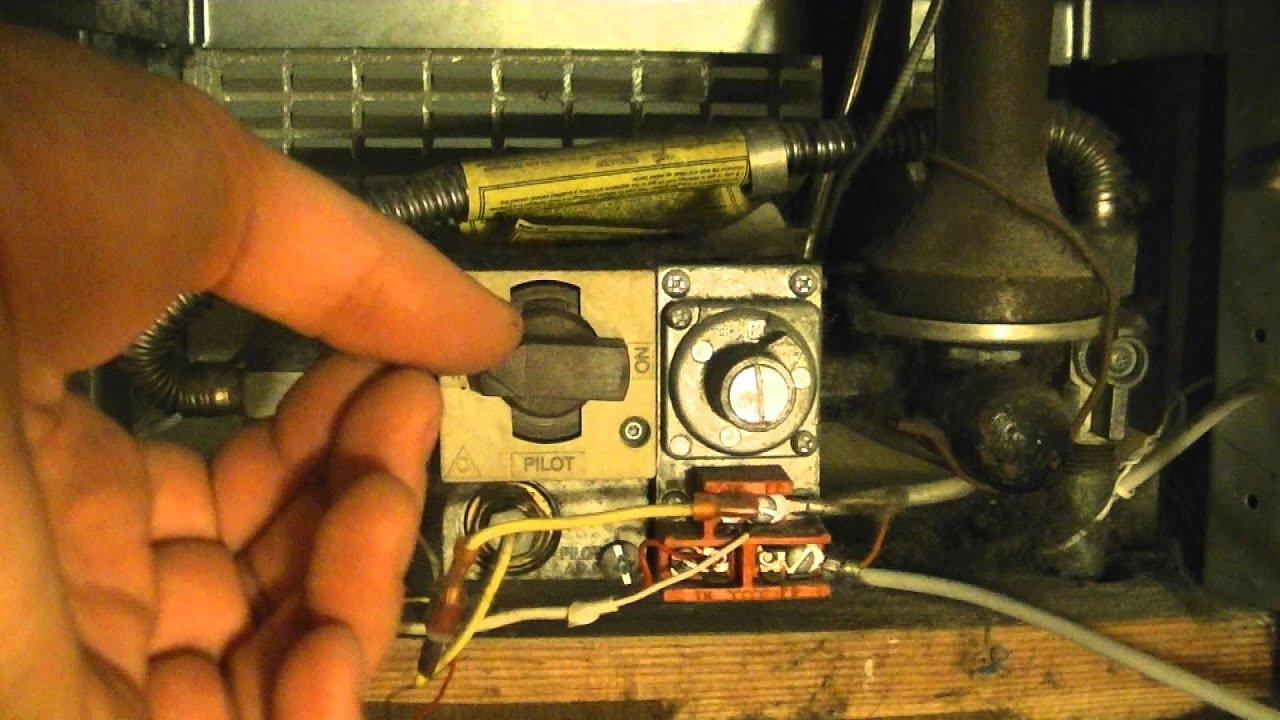
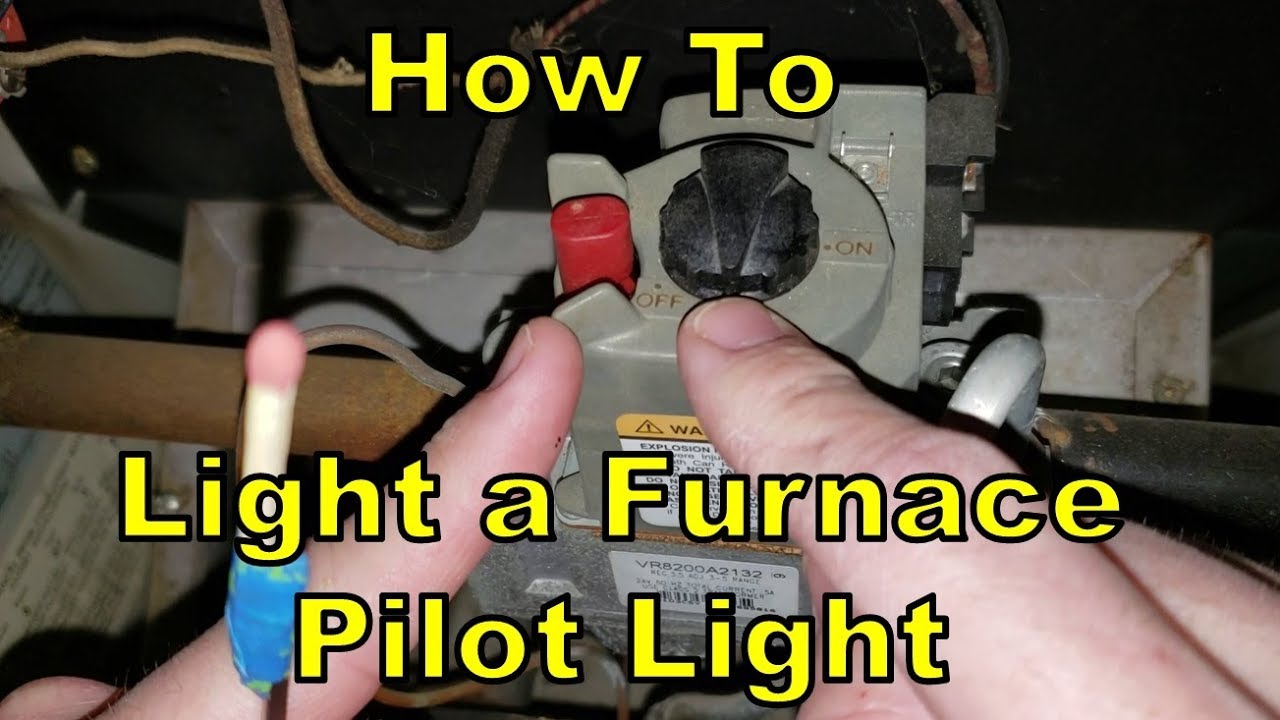
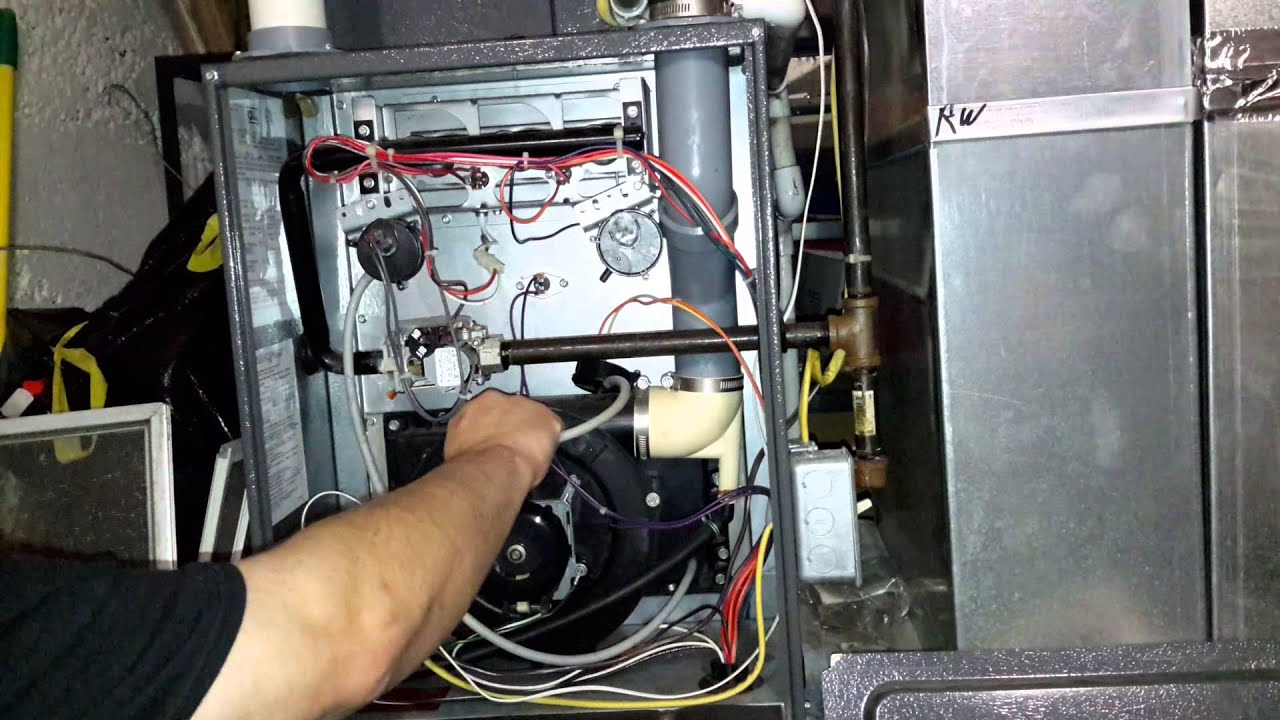
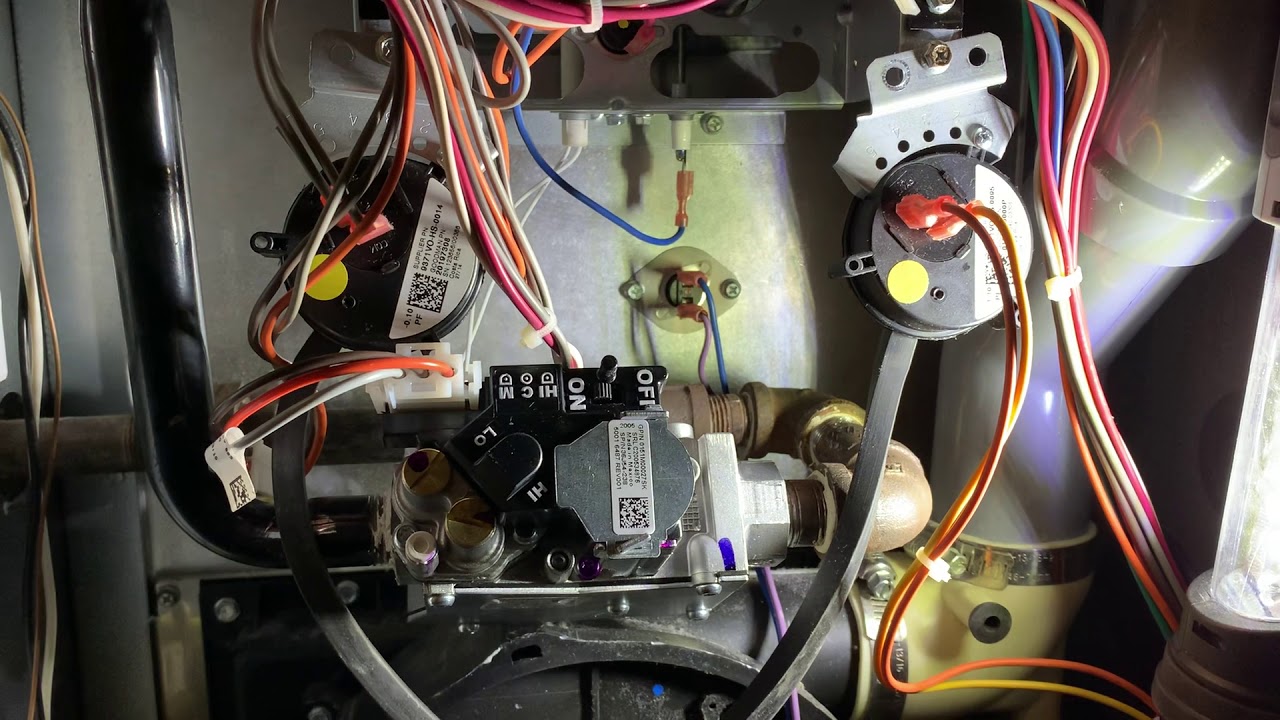
- Locate the Gas Valve: The gas valve is typically located near the bottom of the furnace. It has a lever or knob with three settings: "ON," "OFF," and "PILOT."
- Turn to "OFF": Ensure the gas valve is in the "OFF" position. Wait at least five minutes to allow any accumulated gas to dissipate. This is a crucial safety step.
- Turn to "PILOT": Slowly turn the gas valve knob to the "PILOT" position. You may need to press and hold the knob down to allow gas to flow to the pilot light. The knob usually has a detent; you'll feel it engage when you reach the "PILOT" position.
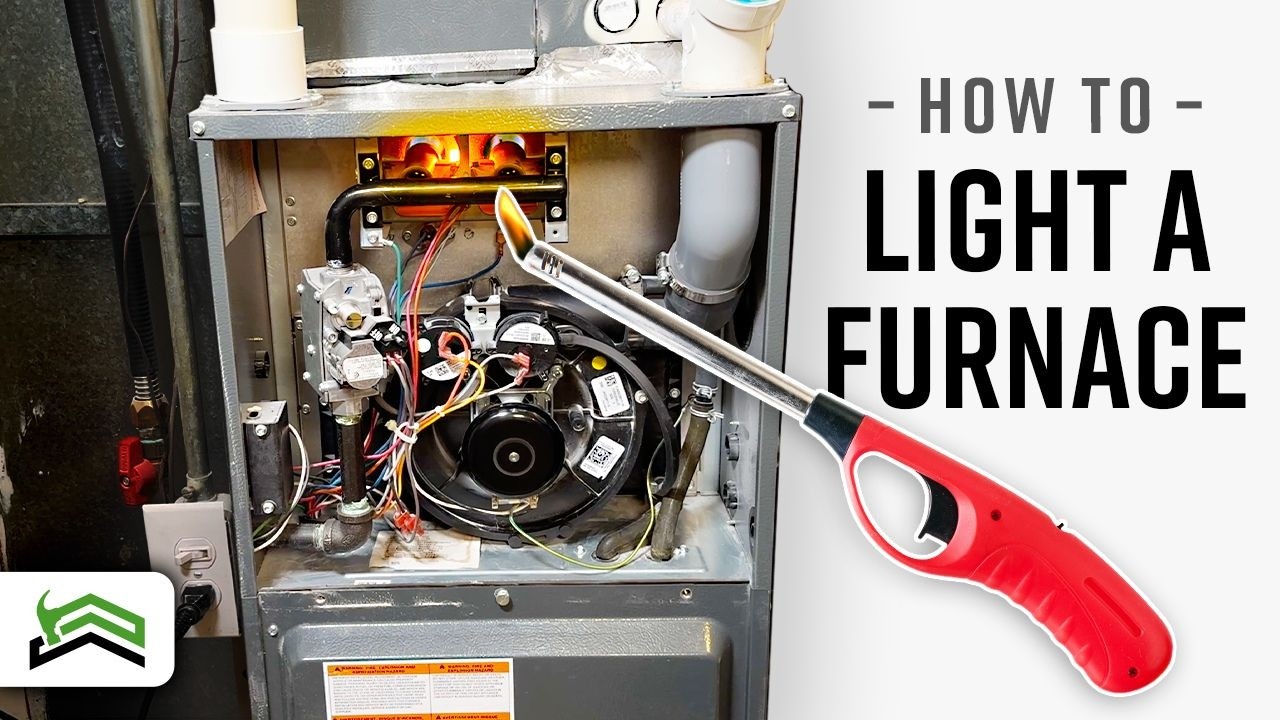
- Light the Pilot: While holding the gas valve knob down, use your long lighter or match to ignite the pilot light. The pilot light assembly is usually located near the main burners. You may need to maneuver the lighter carefully to reach the pilot light burner.
- Hold the Knob: Continue holding the gas valve knob down for 30-60 seconds after the pilot light ignites. This allows the thermocouple (a safety device) to heat up and sense the flame. The thermocouple generates a small electrical current that keeps the gas valve open to the pilot light.
- Release the Knob: After 30-60 seconds, slowly release the gas valve knob. If the pilot light stays lit, you have successfully lit the pilot. If the pilot light goes out, repeat steps 3-5. You may need to repeat these steps several times, especially if the furnace has been off for a long period.
- Turn to "ON": Once the pilot light is consistently lit, carefully turn the gas valve knob to the "ON" position.
- Turn On the Furnace: Return the furnace power switch to the "ON" position. Your furnace should now operate normally.
Troubleshooting Common Issues
If you encounter problems lighting the pilot light, consider these troubleshooting tips:
- Pilot Light Won't Stay Lit: This is often caused by a faulty thermocouple. The thermocouple may be dirty, damaged, or not properly seated. Clean the thermocouple with fine steel wool or replace it if necessary.
- No Gas Flow: Ensure the gas supply to your home is turned on. Check your other gas appliances to verify gas flow. If other appliances are working, there may be a blockage in the gas line to the furnace. Contact a qualified HVAC technician to inspect the gas line.
- Dirty Pilot Light Orifice: The pilot light orifice can become clogged with dust and debris. Clean the orifice with a small wire or needle. Be careful not to enlarge the orifice, as this can affect the pilot flame.
- Drafts: Strong drafts can blow out the pilot light. Ensure the furnace area is free from drafts.
Why Pilot Lights Go Out: Causes & Prevention
Understanding why your Goodman furnace pilot light goes out can help you prevent future issues and maintain optimal performance. Common causes include:
- Thermocouple Failure: As mentioned above, a faulty thermocouple is a primary culprit.
- Dirty Pilot Orifice: Dust, dirt, and debris can accumulate in the pilot orifice, restricting gas flow and extinguishing the flame. Regular furnace maintenance can help prevent this.
- Drafts: Strong winds or drafts can blow out the pilot light, particularly in older furnaces that are not well-sealed.
- Gas Supply Issues: Intermittent gas supply problems, such as low gas pressure, can cause the pilot light to extinguish.
- Faulty Gas Valve: A malfunctioning gas valve may not supply enough gas to the pilot light, causing it to go out.
Modernizing Your HVAC System for Energy Efficiency
While knowing how to light a pilot light is helpful for older Goodman furnace models, upgrading to a newer, more energy-efficient system can provide significant long-term benefits.
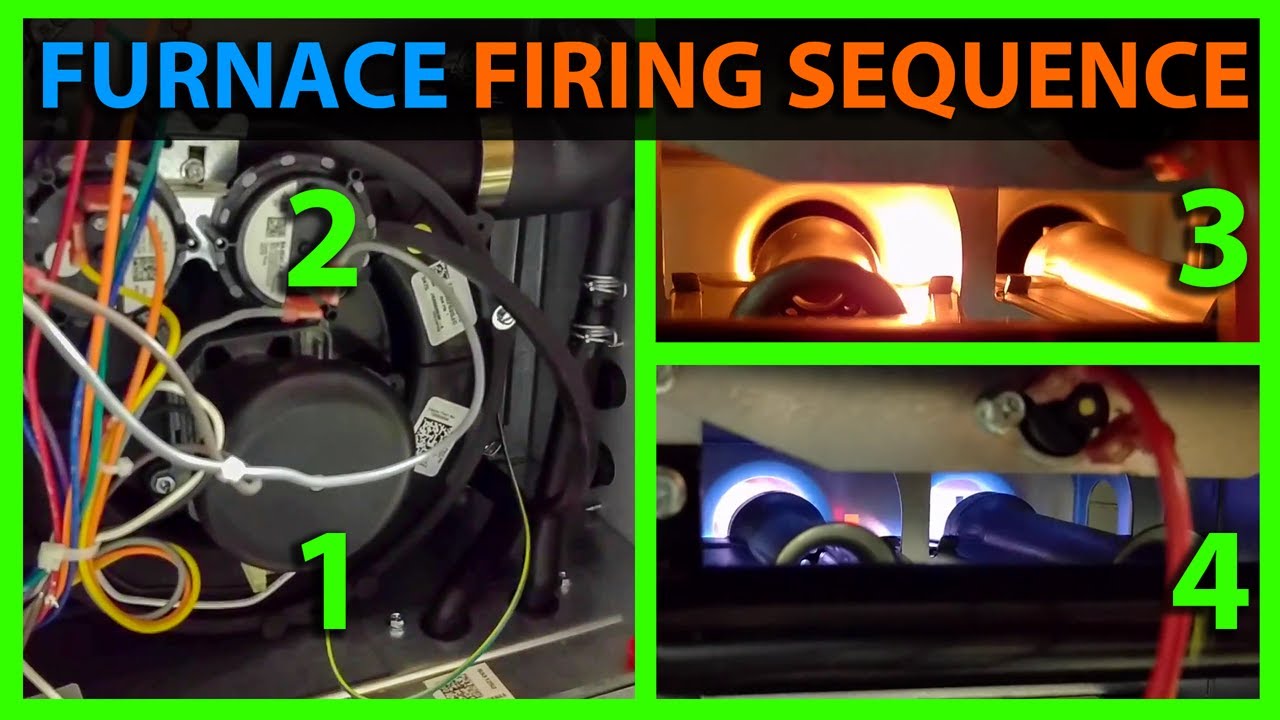
Electronic Ignition Systems: Modern furnaces utilize electronic ignition systems (spark ignition or hot surface ignition) that eliminate the need for a continuous pilot light. These systems only ignite the burner when heat is needed, resulting in substantial energy savings. The U.S. Department of Energy estimates that electronic ignition can save homeowners up to $100 per year on energy costs.
Energy Star Certified Furnaces: When considering a new furnace, look for the Energy Star label. Energy Star certified furnaces are significantly more efficient than standard models and meet strict energy performance criteria set by the EPA. A 95% AFUE (Annual Fuel Utilization Efficiency) Energy Star furnace wastes only 5% of its fuel, compared to older furnaces that may waste 20% or more.
Smart Thermostats and Sensors: Integrating your HVAC system with a smart thermostat and sensors can further enhance energy efficiency. Smart thermostats learn your heating and cooling preferences and automatically adjust the temperature based on your schedule. They can also be controlled remotely via smartphone or tablet, allowing you to adjust the temperature even when you're away from home. Sensors can detect occupancy and adjust the temperature accordingly, preventing energy waste in unoccupied rooms. According to Nest, their smart thermostat saves users an average of 10-12% on heating bills and 15% on cooling bills.
Variable-Speed Blowers: Modern furnaces often feature variable-speed blowers that can adjust the airflow based on the heating or cooling demand. Variable-speed blowers are quieter and more energy-efficient than single-speed blowers. They can also improve indoor air quality by circulating air more evenly throughout the home.
ROI and Rebates: Making the Switch to Energy-Efficient HVAC
Investing in energy-efficient HVAC equipment can provide a significant return on investment (ROI) through reduced energy bills and increased comfort. While the initial cost of a new furnace may seem high, the long-term savings can quickly offset the investment. Factor in the potential for increased home value, and it becomes a very compelling decision.
Rebates and Incentives: Many utility companies and government agencies offer rebates and incentives for upgrading to energy-efficient HVAC equipment. These rebates can significantly reduce the upfront cost of a new furnace or air conditioner. Check with your local utility company and state energy office to learn about available rebates and incentives. The DSIRE (Database of State Incentives for Renewables & Efficiency) website is a valuable resource for finding rebates and incentives in your area.
Tax Credits: The federal government also offers tax credits for energy-efficient home improvements, including HVAC upgrades. These tax credits can further reduce the cost of upgrading your HVAC system. Consult with a tax professional to determine your eligibility for these credits.
Conclusion: Prioritize Safety and Efficiency
Knowing how to safely light a Goodman furnace pilot light is an essential skill for homeowners with older furnaces. However, for long-term energy savings and enhanced comfort, consider upgrading to a modern, energy-efficient HVAC system with electronic ignition, Energy Star certification, and smart home integration. Remember to prioritize safety when working with natural gas and consult with a qualified HVAC professional for any complex repairs or installations. By embracing energy-efficient HVAC technologies, you can reduce your energy bills, minimize your environmental impact, and create a more comfortable and sustainable living environment.