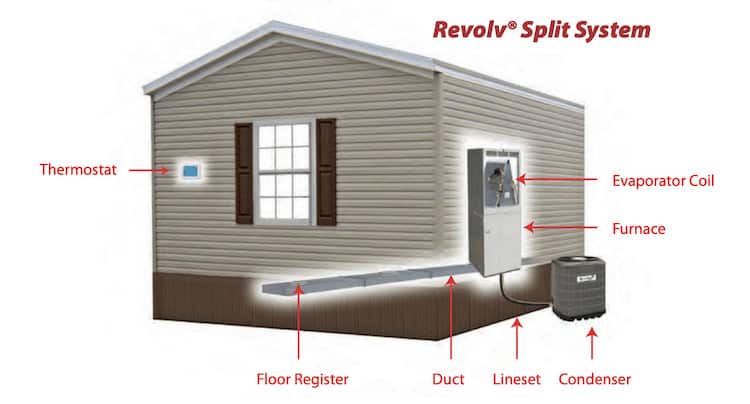
How To Light A Mobile Home Furnace

One of the most unsettling experiences for a mobile homeowner is waking up to a frigid house in the dead of winter. A furnace that refuses to ignite can quickly transform from a minor inconvenience to a major problem. Before you resign yourself to calling a professional, there are several steps you can take to troubleshoot the issue and potentially get your furnace roaring back to life. This guide will walk you through the process systematically, helping you identify the problem and perform some basic fixes. Remember, your safety is paramount. If you're ever unsure or uncomfortable with any step, call a qualified HVAC technician.
Step 1: Basic Checks (No Tools Required)
Before diving into anything more complex, let's start with the simplest, most obvious checks. These often resolve the issue and require absolutely no tools.
1.1. Thermostat Setting
This might seem ridiculously basic, but it's the most common culprit. Make sure your thermostat is:
- Turned ON: Ensure it's not set to "OFF" or "FAN ONLY."
- Set to HEAT: Confirm it's in "HEAT" mode and not "COOL" mode.
- Temperature Higher Than Room Temperature: Set the thermostat a few degrees higher than the current room temperature to force the furnace to kick on. Wait a few minutes to see if the furnace starts.
- Battery Check: If your thermostat is battery-powered, check the batteries. A low battery can prevent the thermostat from properly communicating with the furnace. Replace them with fresh batteries.
It sounds simple, but double-checking these settings can save you a lot of time and trouble.
1.2. Power Switch
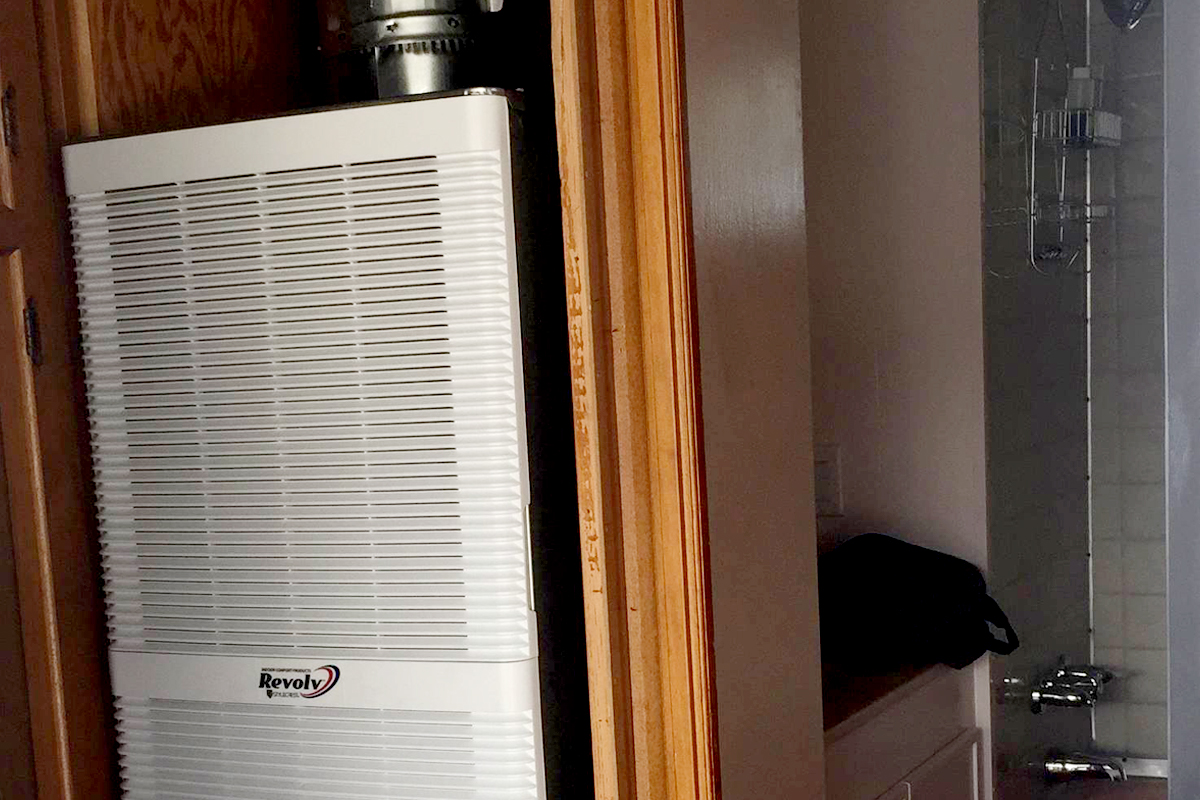
Furnaces usually have a dedicated power switch, often located on or near the furnace itself. It looks like a light switch and is sometimes red. Make sure this switch is in the "ON" position. It's surprisingly easy for this switch to be accidentally flipped off.
1.3. Air Vents
Check that your air vents throughout the mobile home are open and unobstructed. Closed vents can restrict airflow, causing the furnace to overheat and shut down as a safety measure.
1.4. Visual Inspection Around the Furnace
Take a look around the furnace. Are there any obvious signs of damage, such as:
- Water Leaks: Water near the furnace can indicate a serious problem.
- Burn Marks or Soot: These suggest a potential combustion issue.
- Disconnected Wires: Loose or disconnected wires can prevent the furnace from operating.
If you see any of these, do not attempt to start the furnace. Call a qualified HVAC technician immediately.
Step 2: Checking the Power Supply and Gas (Minimal Tools Needed)
If the basic checks didn't solve the problem, let's move on to the power supply and gas. For this section, you might need a simple multi-meter (to check voltage – though this step can be skipped if you're not comfortable) and knowledge of your gas supply.
2.1. Circuit Breaker
Locate the circuit breaker for your furnace in your mobile home's electrical panel. Look for a breaker labeled "Furnace," "Heating," or something similar. Ensure the breaker is in the "ON" position. If it's tripped (in the "OFF" or middle position), flip it all the way to "OFF" and then back to "ON." If it trips again immediately, there's likely a short circuit, and you should call a professional.
Caution: Never repeatedly reset a tripped breaker without addressing the underlying issue. This can be dangerous and damage your electrical system.
2.2. Gas Supply
Mobile homes often use propane for heating. Verify that you have propane in your tank. If you're unsure, check the tank's gauge. If the gauge reads empty or very low, schedule a propane delivery.
Next, check the gas shut-off valve near the furnace. It should be in the "OPEN" position (usually parallel to the gas pipe). If it's perpendicular to the pipe, it's closed. Carefully turn it to the "OPEN" position. If you smell gas at any point, immediately leave the area and call your gas company or the fire department.
Important Gas Safety: Natural gas and propane are flammable and can be dangerous. If you suspect a gas leak, do not use any electrical devices (including phones), light matches, or do anything that could create a spark. Evacuate the area immediately and call for professional help.
2.3. (Optional) Voltage Check
Caution: This step involves working with electricity and should only be performed if you are comfortable and knowledgeable about electrical safety. If not, skip this step and call a professional.
Using a multi-meter, check the voltage at the furnace's power supply. You should typically see around 120 volts. If there's no voltage, the problem is likely with the electrical supply, and you'll need to investigate further (or call an electrician).
Step 3: Checking the Furnace Components (Basic Tools Needed)
If the power and gas supply seem fine, the problem might be with one of the furnace's components. For this section, you'll need a screwdriver (likely both Phillips and flathead) and possibly a vacuum cleaner with a hose attachment.
3.1. Filter Check
A dirty air filter is a very common cause of furnace problems. A clogged filter restricts airflow, causing the furnace to overheat and shut down. Locate the air filter compartment (usually near the furnace itself or in a return air vent). Remove the filter and inspect it. If it's visibly dirty, replace it with a new filter of the correct size. Using the wrong sized filter will restrict airflow.
Tip: Check your air filter monthly and replace it as needed. A clean filter improves your furnace's efficiency and prolongs its lifespan.
3.2. Flame Sensor
The flame sensor is a thin metal rod located near the burner. Its purpose is to detect whether a flame is present. If the sensor doesn't detect a flame, it shuts off the gas supply for safety reasons. Over time, the flame sensor can become dirty and prevent it from working properly.
To clean the flame sensor:
- Turn off the power to the furnace at the breaker.
- Locate the flame sensor (refer to your furnace's manual if needed). It's usually held in place by a single screw.
- Carefully remove the screw and detach the flame sensor.
- Use a piece of fine-grit sandpaper or steel wool to gently clean the metal rod. Remove any carbon buildup or corrosion.
- Reinstall the flame sensor and tighten the screw.
- Turn the power back on to the furnace.
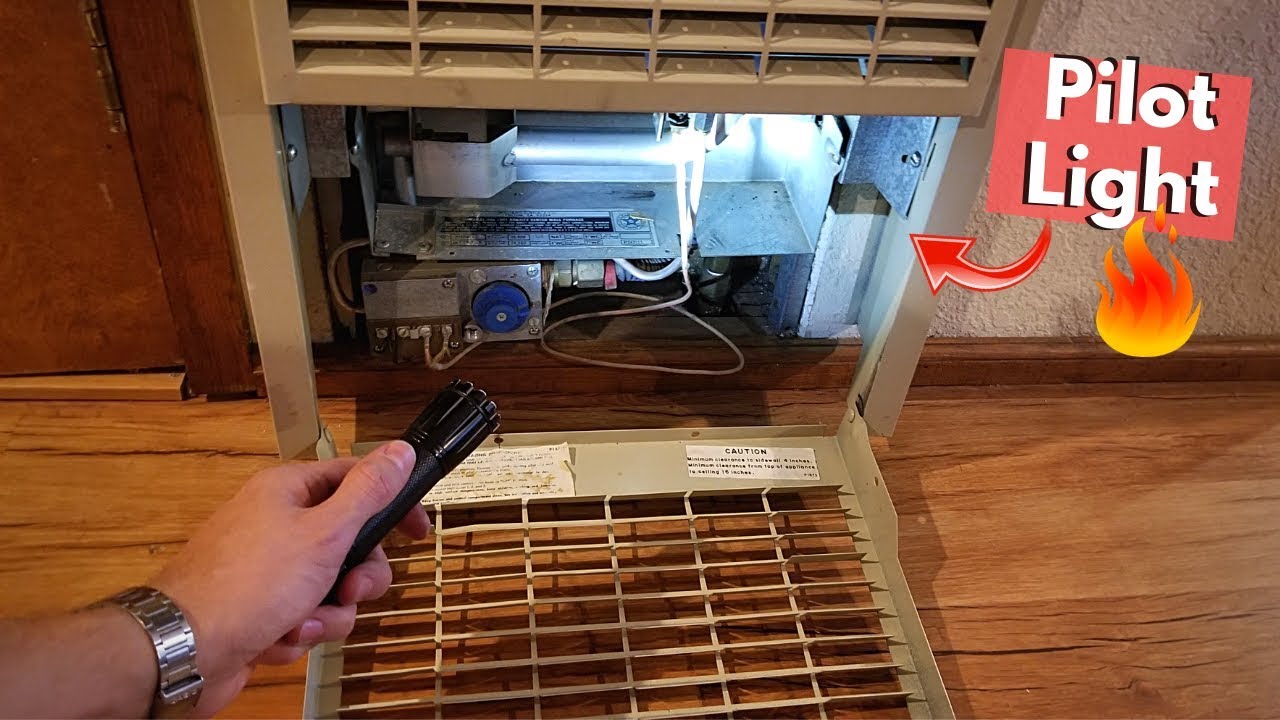
3.3. Pilot Light (If Applicable)
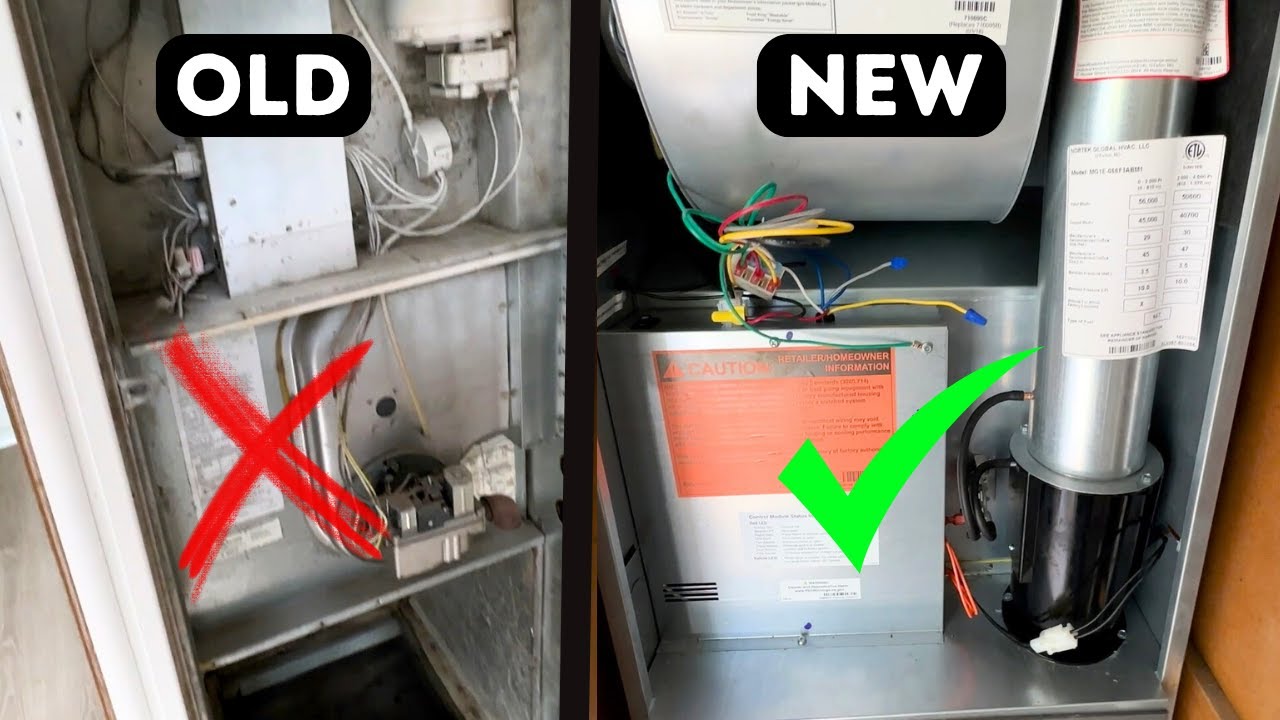
Note: Many modern furnaces have electronic ignition and do not have a pilot light. If your furnace has electronic ignition, skip this step.
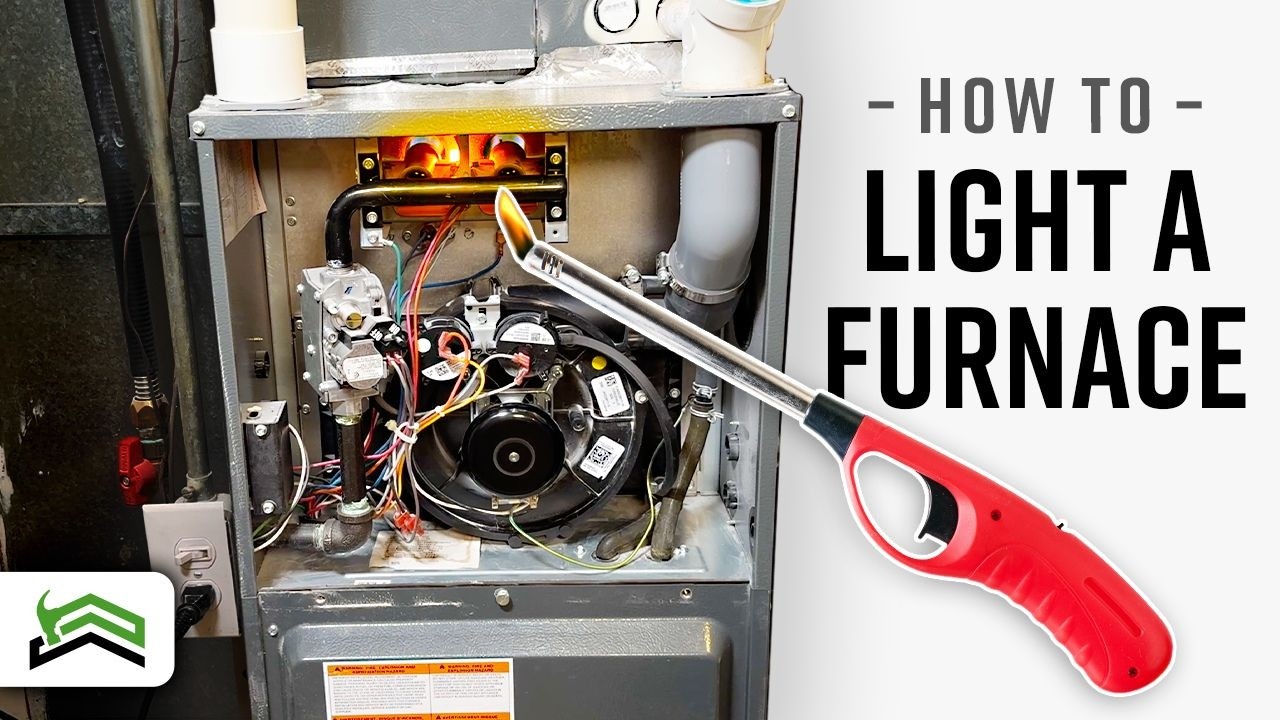
If your furnace has a pilot light, it may have gone out. To relight the pilot light:
- Turn off the furnace power at the breaker.
- Locate the pilot light assembly (refer to your furnace's manual).
- Turn the gas control knob to the "PILOT" position.
- Press and hold the reset button (usually a small button near the gas control knob).
- While holding the reset button, use a long lighter or match to light the pilot light.
- Continue holding the reset button for about 30-60 seconds after the pilot light ignites.
- Release the reset button. The pilot light should stay lit.
- Turn the gas control knob to the "ON" position.
- Turn the furnace power back on at the breaker.
If the pilot light repeatedly goes out, there may be a problem with the gas supply or the thermocouple (a device that senses the pilot light and keeps the gas valve open). In this case, call a professional.
3.4. Blower Motor
The blower motor circulates air throughout your mobile home. If the blower motor isn't working, the furnace can overheat and shut down. Listen for the blower motor when the furnace is supposed to be running. If you don't hear it, it could be a sign of a problem.
Sometimes, the blower motor's capacitor (a small cylindrical component that helps start the motor) can fail. You can visually inspect the capacitor. If it's bulging or leaking, it needs to be replaced. Replacing a capacitor can be a DIY project, but it's crucial to discharge the capacitor before handling it to avoid an electrical shock. If you're not comfortable doing this, call a professional.
Step 4: When to Call a Professional
While many furnace problems can be resolved with simple troubleshooting steps, some issues require professional attention. Call a qualified HVAC technician if:
- You smell gas, even a faint odor.
- You see signs of water leaks, burn marks, or soot around the furnace.
- The circuit breaker repeatedly trips.
- The furnace makes unusual noises (loud banging, rattling, or screeching).
- You suspect a problem with the gas valve, thermocouple, or other gas-related components.
- You're not comfortable working with electricity or gas.
- You've tried all the troubleshooting steps and the furnace still won't start.
Remember: It's always better to err on the side of caution when dealing with gas and electricity. Your safety and the safety of your family are paramount.
By following these steps, you can systematically troubleshoot your mobile home's furnace and potentially avoid a costly service call. Remember to prioritize safety and call a professional when necessary. With a little patience and careful observation, you can often restore heat to your home and stay comfortable all winter long.