How To Light A Pilot Light On Gas Fireplace

One of the most frustrating experiences for homeowners during the colder months is a malfunctioning gas fireplace. You anticipate cozy warmth, but instead, you're met with a cold hearth and a lingering worry. Often, the culprit is a pilot light that has gone out. While it might seem daunting, reigniting a pilot light is often a simple task you can handle yourself. This guide will walk you through the process safely and methodically, helping you restore warmth to your home.
Diagnosing the Pilot Light Problem
Before you even think about striking a match, it's crucial to determine that a blown-out pilot light is indeed the problem. Here's how to diagnose the situation:
- No Heat: This is the most obvious sign. If your fireplace isn't producing any heat, and you haven't used it in a while, a pilot light outage is a prime suspect.
- No Flame: Look into the fireplace. Most gas fireplaces have a small opening or viewing window that allows you to see the pilot light assembly. If you don't see a small, steady blue flame, the pilot light is likely out.
- Gas Smell (Use Caution!): A faint gas odor might indicate a pilot light issue, as unburnt gas is being released. If the gas smell is strong, immediately evacuate the house, and call your gas company or the fire department from a safe location! Do not attempt to light anything.
Once you've confirmed these indicators, it's time to move on to the troubleshooting steps.
Step-by-Step Guide to Lighting Your Gas Fireplace Pilot Light
Follow these steps carefully, and remember safety is paramount. If at any point you feel uncomfortable or unsure, stop and call a qualified HVAC technician.
1. Turn Off the Gas Supply
This is the most crucial step. Locate the gas shut-off valve for your fireplace. It's usually near the fireplace itself, either behind an access panel or in an adjacent cabinet. The valve is typically a small lever or knob attached to the gas pipe.
Turn the valve to the "OFF" position. The valve is usually in the "OFF" position when it is perpendicular to the gas pipe. Wait at least five minutes to allow any accumulated gas to dissipate.
2. Locate the Pilot Light Assembly
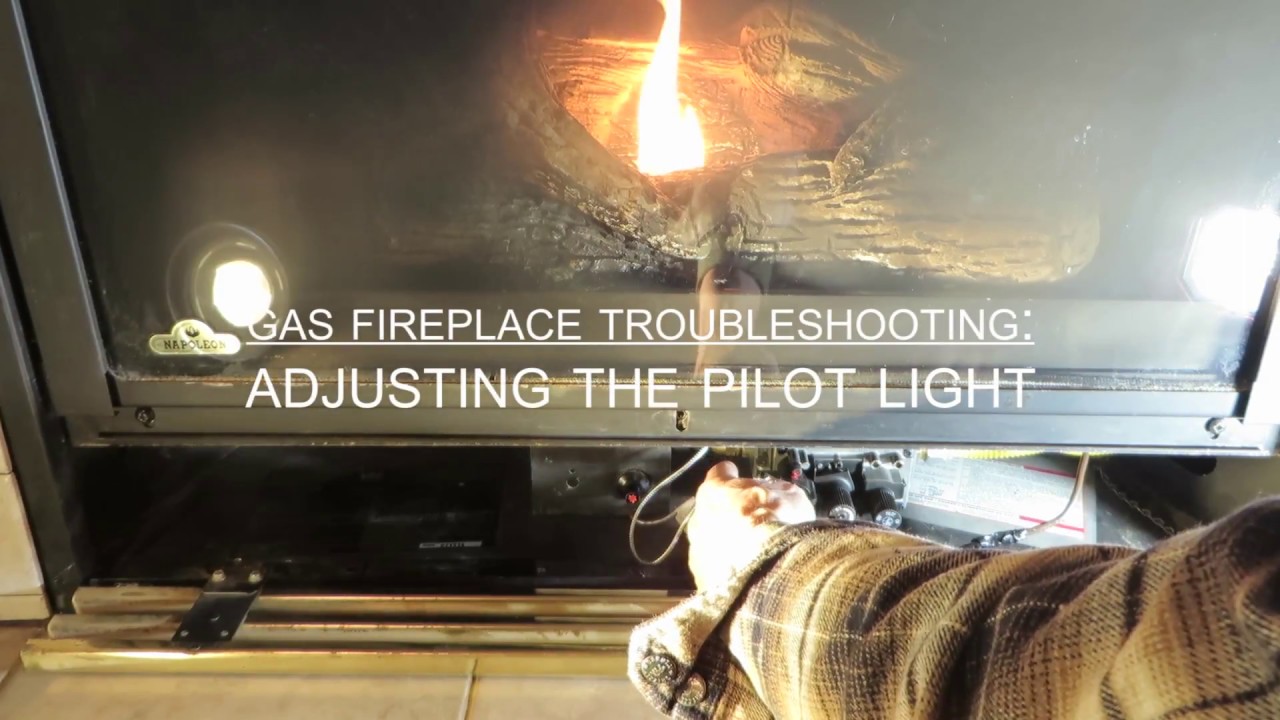
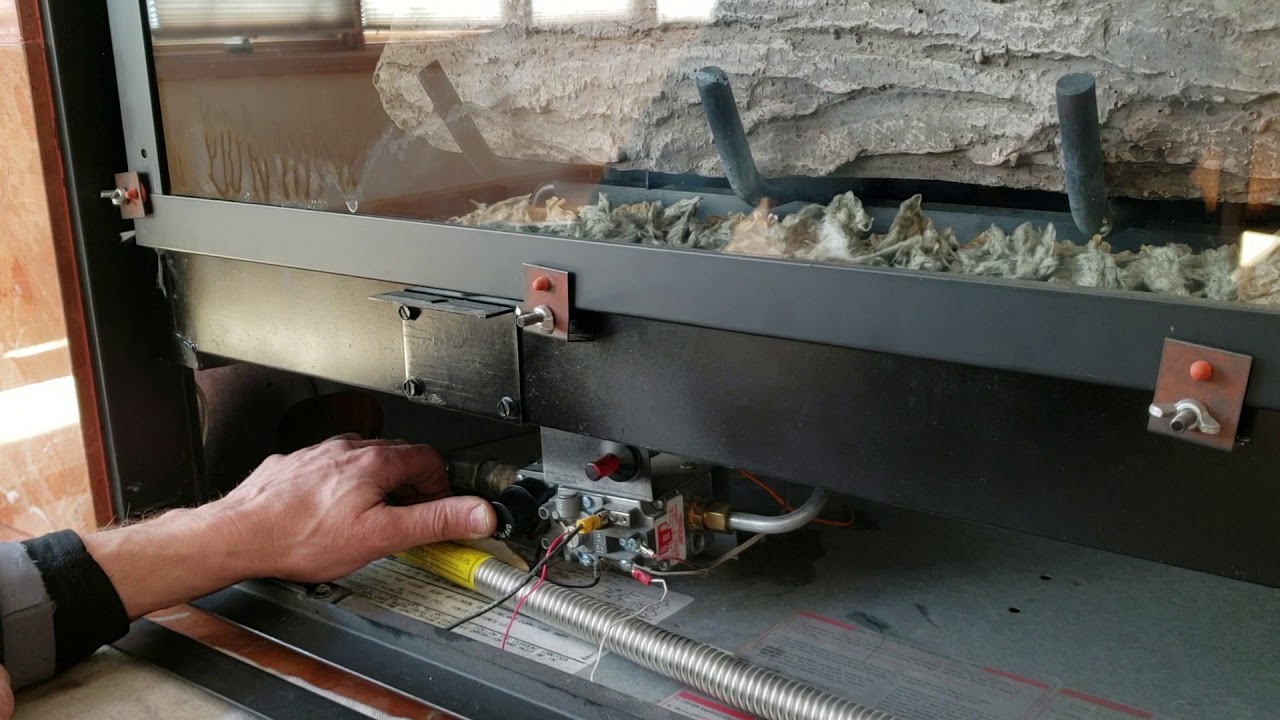
Using a flashlight, locate the pilot light assembly within the fireplace. It's usually a small metal structure with a tiny opening where the pilot light flame should be. You should also see a few small gas lines running to it.
Look for any labels or instructions near the pilot light assembly. Many fireplaces have a diagram or sticker that explains the lighting procedure specific to that model. Refer to your fireplace's owner's manual for detailed instructions if available.
3. Identify the Control Knob and Buttons
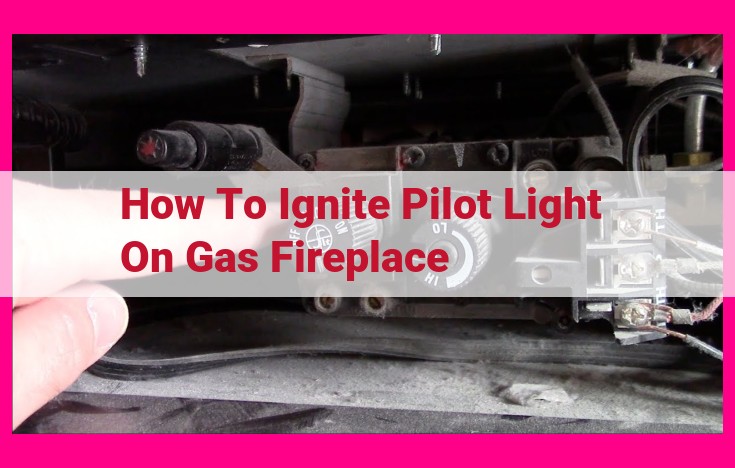
Near the pilot light assembly, you should find a control knob or a series of buttons. The knob usually has markings like "ON," "OFF," and "PILOT." Some systems may have a separate "IGNITE" or "SPARK" button. Familiarize yourself with these controls.
4. Set the Control Knob to "PILOT"
Turn the control knob to the "PILOT" position. This will allow gas to flow to the pilot light.
5. Depress and Hold the Control Knob
Press and hold down the control knob. This action releases gas to the pilot light. You will likely hear a faint hissing sound as gas begins to flow.
6. Ignite the Pilot Light
While still holding down the control knob, ignite the pilot light. There are several ways to do this:
- Piezo Igniter (No Tools Required): Many modern fireplaces have a built-in piezo igniter. This is usually a button labeled "IGNITE" or "SPARK." Press this button repeatedly while holding down the control knob. You should hear a clicking sound as the igniter generates a spark. Keep pressing the igniter until the pilot light ignites.
- Electric Igniter (No Tools Required): Some fireplaces have an electric igniter that automatically sparks when the control knob is depressed. In this case, simply hold down the control knob and wait a few seconds for the pilot light to ignite.
- Long Lighter or Match (Requires a Long Lighter): If your fireplace doesn't have a built-in igniter, you'll need a long lighter or a long match. Carefully insert the lit lighter or match near the pilot light opening while holding down the control knob. Be extremely careful not to burn yourself.
7. Hold the Control Knob (Critical!)
Once the pilot light ignites, continue holding down the control knob for 20-30 seconds. This allows the thermocouple (a safety device that senses the pilot light flame) to heat up. The thermocouple needs to heat up in order to keep the gas valve open. If the thermocouple doesn't heat up enough, the gas valve will close when you release the control knob, and the pilot light will go out.
8. Release the Control Knob
After holding the control knob for 20-30 seconds, slowly release it. The pilot light should remain lit. If the pilot light goes out when you release the knob, repeat steps 4-7. You may need to hold the knob for a longer period this time. If it consistently fails to stay lit, see the "Troubleshooting Tips" section below.
9. Turn the Control Knob to "ON"
If the pilot light remains lit after releasing the control knob, carefully turn the control knob to the "ON" position. This will activate the main gas burner, and your fireplace should now be producing heat.
10. Observe the Flame
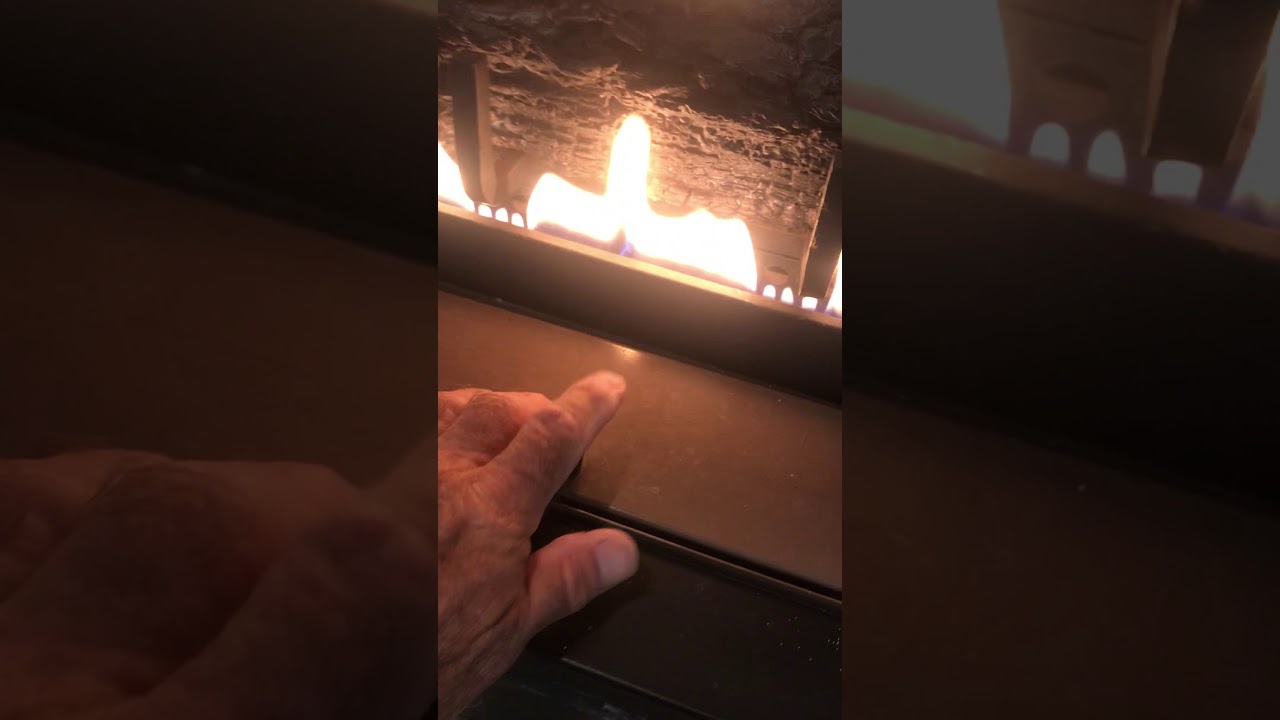
Observe the main burner flame. It should be a steady, blue flame with yellow tips. If the flame is yellow, smoky, or erratic, there may be an issue with the gas supply or burner. Consult a qualified HVAC technician.
Troubleshooting Tips
Sometimes, reigniting a pilot light can be tricky. Here are some troubleshooting tips to help you overcome common problems:
- Pilot Light Won't Stay Lit: This is usually due to a faulty thermocouple. The thermocouple may be dirty, damaged, or simply worn out. In many cases the thermocouple can be gently cleaned with a wire brush. Consider replacing the thermocouple. This is a relatively inexpensive part. Replacing the thermocouple is usually a DIY task requiring basic hand tools such as a screw driver and wrench.
- No Spark from Igniter: If the piezo igniter isn't producing a spark, check the battery (if applicable). The igniter itself might also be faulty and need replacement.
- Gas Smell Persists: If you continue to smell gas even after the pilot light is lit, immediately turn off the gas supply and call your gas company or a qualified HVAC technician. There may be a gas leak.
- Pilot Light is Clogged: Sometimes, the pilot light opening can become clogged with dust or debris. Use a small wire or pin to carefully clear the obstruction.
- Check Gas Supply: Ensure that your gas supply is turned on at the meter and that other gas appliances in your home are working.
When to Call a Professional
While reigniting a pilot light is often a straightforward task, there are situations where it's best to call a professional HVAC technician. Your safety is always the top priority.
Call a professional if:
- You smell a strong gas odor.
- You are uncomfortable working with gas appliances.
- The pilot light consistently fails to light or stay lit.
- The flame is yellow, smoky, or erratic.
- You suspect a gas leak.
- You are unsure about any step in the process.
- Your fireplace is old or hasn't been serviced in a long time.
- You suspect the gas valve is faulty.
Safety First!
Working with gas appliances requires caution. Always remember these safety guidelines:
- Never smoke or use open flames near gas appliances.
- Ensure adequate ventilation when working with gas appliances.
- Follow all instructions carefully.
- If you are unsure about anything, call a professional.
- Keep a carbon monoxide detector in your home and check it regularly.
By following these steps and taking necessary precautions, you can often relight your gas fireplace pilot light safely and efficiently, restoring warmth and comfort to your home. Remember to prioritize safety, and don't hesitate to seek professional help when needed.