How To Light A Pit Boss Pellet Grill

Igniting Your Pit Boss Pellet Grill: A Comprehensive Guide
Pellet grills, especially Pit Boss, offer a fantastic combination of wood-fired flavor and user-friendly operation. A crucial part of the experience is getting the grill lit properly. This guide walks you through the process, covering different Pit Boss models and troubleshooting common ignition issues.
Before You Begin: Safety First!
Safety is paramount when dealing with any appliance that uses heat and electricity. Before attempting to light your Pit Boss grill, ensure you follow these precautions:
- Read the Manual: Always consult your Pit Boss owner's manual for model-specific instructions and safety guidelines.
- Clear the Area: Keep the area around your grill clear of flammable materials like paper, wood, and gasoline.
- Proper Ventilation: Operate your grill outdoors in a well-ventilated area. Never use it indoors or in enclosed spaces.
- Check for Obstructions: Ensure the auger tube is clear of obstructions and that the fire pot is clean.
- Wear Appropriate Gear: Consider wearing heat-resistant gloves to protect your hands.
- Unplug the Grill: Before performing any maintenance or cleaning, unplug the grill from the power outlet.
Standard Ignition Procedure for Pit Boss Pellet Grills
The core ignition process is similar across most Pit Boss models. Here’s a step-by-step guide:
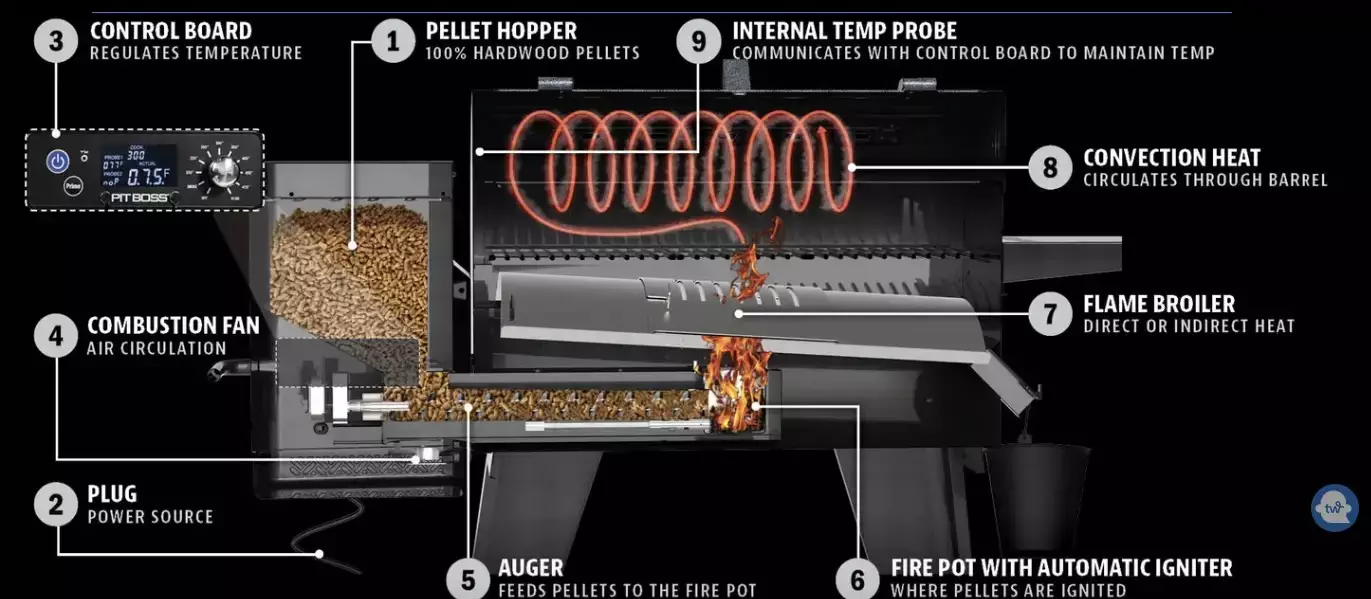
- Fill the Hopper: Ensure your pellet hopper is adequately filled with quality wood pellets. Pit Boss recommends using their brand of pellets for optimal performance, but other premium brands are generally acceptable. Avoid using damp or moldy pellets.
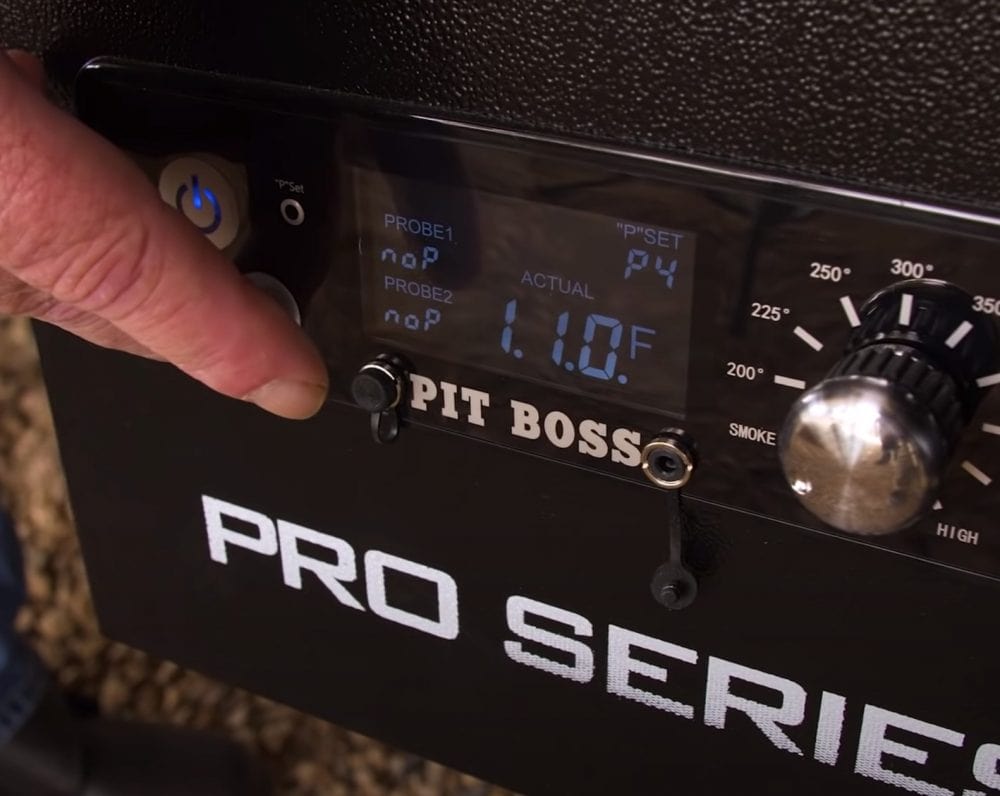
- Prime the Auger (Initial Startup or Empty Hopper): If this is the first time using your grill, or if the hopper was completely empty, you'll need to prime the auger. Most Pit Boss grills have a "Prime" function. Press the power button, then press and hold the "Prime" button (if available on your model). The auger will start feeding pellets into the fire pot. You should see pellets starting to fall into the firepot within a few minutes. Do not over-prime. If your grill does not have a "Prime" button, you may need to run the grill on the lowest setting for an extended period to fill the auger.
- Power On and Set the Temperature: Turn the power switch to the "On" position. Set the temperature to the "Smoke" setting (usually the lowest setting, around 180-200°F). Some models may have a "Start-Up" or "Ignition" mode.
- Observe the Fire Pot: Observe the fire pot. Within a few minutes, you should see smoke and then flames. If the igniter is working correctly, the pellets should ignite within 5-10 minutes.
- Increase the Temperature: Once the pellets are burning steadily, increase the temperature to your desired cooking level.
- Allow Preheat: Allow the grill to preheat for 10-15 minutes before placing food on the grates.
Troubleshooting Ignition Problems
Sometimes, things don’t go as planned. Here’s how to troubleshoot common ignition issues:
No Smoke or Flames After Several Minutes
This is a common issue. Here's what to check:
- Power Supply: Verify that the grill is properly plugged in and that the outlet is working. Test the outlet with another appliance.
- Igniter Rod: The igniter rod is responsible for heating the pellets to ignition temperature. If it’s faulty, it won’t work. Visually inspect the igniter rod for damage. Use a multimeter to test its continuity (*Warning:* only perform this test if you are comfortable working with electricity and understand the risks involved. If not, call a qualified technician). If the igniter is faulty, it will need to be replaced.
- Auger Motor: The auger motor pushes pellets from the hopper to the fire pot. If the motor isn't working, pellets won't reach the fire. Listen for the motor running when the grill is powered on and set to "Smoke". Check for any obstructions in the auger tube. If the motor is faulty, it will need to be replaced.
- Pellet Quality: As mentioned earlier, use high-quality, dry wood pellets. Damp or old pellets won't ignite easily. Try using a fresh batch of pellets.
- Fire Pot Cleanliness: Ash buildup in the fire pot can prevent proper ignition. Clean the fire pot regularly using a shop vac.
- Airflow: Ensure the grill is properly ventilated. Restricted airflow can prevent the pellets from igniting. Check the exhaust vents for obstructions.
Grill Smokes But Doesn’t Reach Temperature
If your grill is smoking but not reaching the set temperature, consider these factors:
- Temperature Sensor (RTD Probe): The RTD probe measures the temperature inside the grill. If it's faulty, it will provide inaccurate readings, preventing the grill from heating properly. Inspect the probe for damage and ensure it's properly connected. You can test the probe's resistance using a multimeter (refer to your manual for the correct resistance values).
- Ambient Temperature: Extremely cold weather can affect the grill's ability to reach temperature. You may need to use a grill blanket or adjust the temperature setting to compensate.
- Pellet Type: Different types of wood pellets burn at different temperatures. Try using a different type of pellet.
- Grease Buildup: Excessive grease buildup can insulate the cooking chamber and prevent proper heat distribution. Clean the grill thoroughly.
- Draft: Strong winds can affect the grill's temperature. Position the grill in a sheltered location.
Grill Shuts Down Unexpectedly
An unexpected shutdown can be frustrating. Here's what to investigate:
- Low Pellet Level: Ensure the hopper has enough pellets. When the hopper is empty, the grill will eventually shut down.
- Auger Jam: Foreign objects or oversized pellets can jam the auger. Inspect the auger tube for obstructions.
- Overheating: The grill may shut down as a safety measure if it overheats. This can be caused by excessive grease buildup or a faulty temperature sensor. Clean the grill and check the RTD probe.
- Power Interruption: A power outage or a tripped circuit breaker can cause the grill to shut down. Check the power supply.
- Faulty Control Board: The control board manages all the grill's functions. If it's faulty, it can cause the grill to shut down. This is a more complex issue that may require professional repair.
Essential Tools for Pit Boss Maintenance and Repair
Having the right tools makes maintenance and minor repairs much easier:
- Shop Vacuum: For cleaning the fire pot and grease trap.
- Pellet Grill Brush: For cleaning the grates.
- Screwdrivers (Phillips and Flathead): For removing and installing components.
- Pliers: For gripping and manipulating parts.
- Multimeter: For testing electrical components (*Caution:* Use with care and proper knowledge).
- Socket Set: For tightening and loosening bolts.
- Heat-Resistant Gloves: For protecting your hands.
Common Replacement Parts for Pit Boss Grills
You may need to replace certain parts over time. Here are some common replacement parts:
- Igniter Rod: The heating element that ignites the pellets.
- Auger Motor: The motor that drives the auger.
- Temperature Sensor (RTD Probe): The sensor that measures the grill's temperature.
- Control Board: The electronic control center of the grill.
- Hot Rod: Another name for the igniter rod.
- Grease Bucket: Collects grease drippings.
When to Call a Professional HVAC Technician
While some issues are easy to fix yourself, others require professional help. Contact a qualified HVAC technician if:
- You are uncomfortable working with electricity.
- You suspect a problem with the control board.
- You are unable to diagnose the problem.
- The grill requires extensive repairs.
- You are experiencing gas leaks (if your model has a gas option).
Note: While HVAC technicians typically specialize in heating, ventilation, and air conditioning systems, many are also knowledgeable about appliance repair, especially those involving electrical components and heating elements. Don't hesitate to inquire about their experience with pellet grills.
Cost Considerations for Repairs
Repair costs can vary depending on the issue and the cost of parts and labor. Here's a general idea:
- Igniter Rod Replacement: $50 - $150 (including parts and labor).
- Auger Motor Replacement: $80 - $200 (including parts and labor).
- Temperature Sensor Replacement: $40 - $100 (including parts and labor).
- Control Board Replacement: $150 - $300 (including parts and labor).
- Diagnostic Fee: Many technicians charge a diagnostic fee, typically between $50 and $100, to assess the problem.
Disclaimer: These are just estimates. Actual costs may vary based on your location, the technician's rates, and the specific Pit Boss model you own.
Preventative Maintenance for Long-Term Performance
Regular maintenance can help prevent problems and extend the life of your Pit Boss pellet grill:
- Clean the Fire Pot Regularly: Remove ash after each use.
- Clean the Grease Trap: Empty and clean the grease trap frequently to prevent grease fires.
- Clean the Grates: Use a grill brush to clean the grates after each use.
- Inspect the Auger Tube: Check for obstructions and clean as needed.
- Cover the Grill: Use a grill cover to protect it from the elements.
- Store Pellets Properly: Store wood pellets in a dry, airtight container to prevent them from absorbing moisture.
By following these steps and performing regular maintenance, you can keep your Pit Boss pellet grill running smoothly and enjoy delicious wood-fired meals for years to come. Remember to always prioritize safety and consult a professional when needed. Enjoy grilling!