How To Locate Ac Drain Line
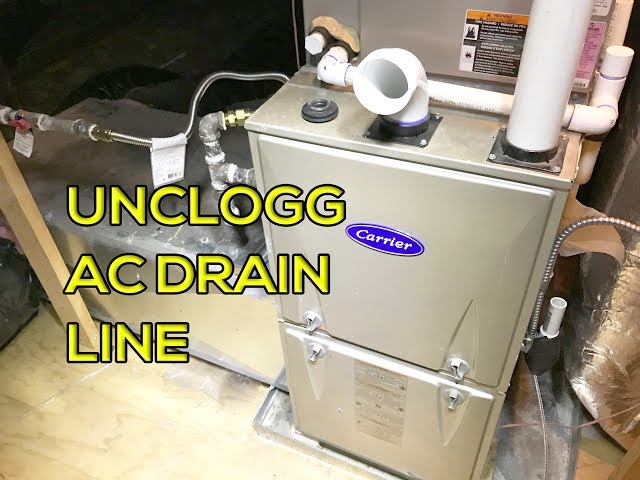
One of the most frustrating experiences for a homeowner, especially during the hot summer months, is discovering water leaking from their air conditioning unit. Often, the culprit isn't a major mechanical failure, but a simple clog in the AC drain line. This seemingly small issue can lead to big problems, from water damage to mold growth. Fortunately, locating and even clearing a blocked drain line is often a task you can tackle yourself. This guide will walk you through the process step-by-step, helping you diagnose the problem and attempt some safe, DIY fixes. We'll also clearly outline when it's time to call in the professionals.
Understanding the AC Drain Line
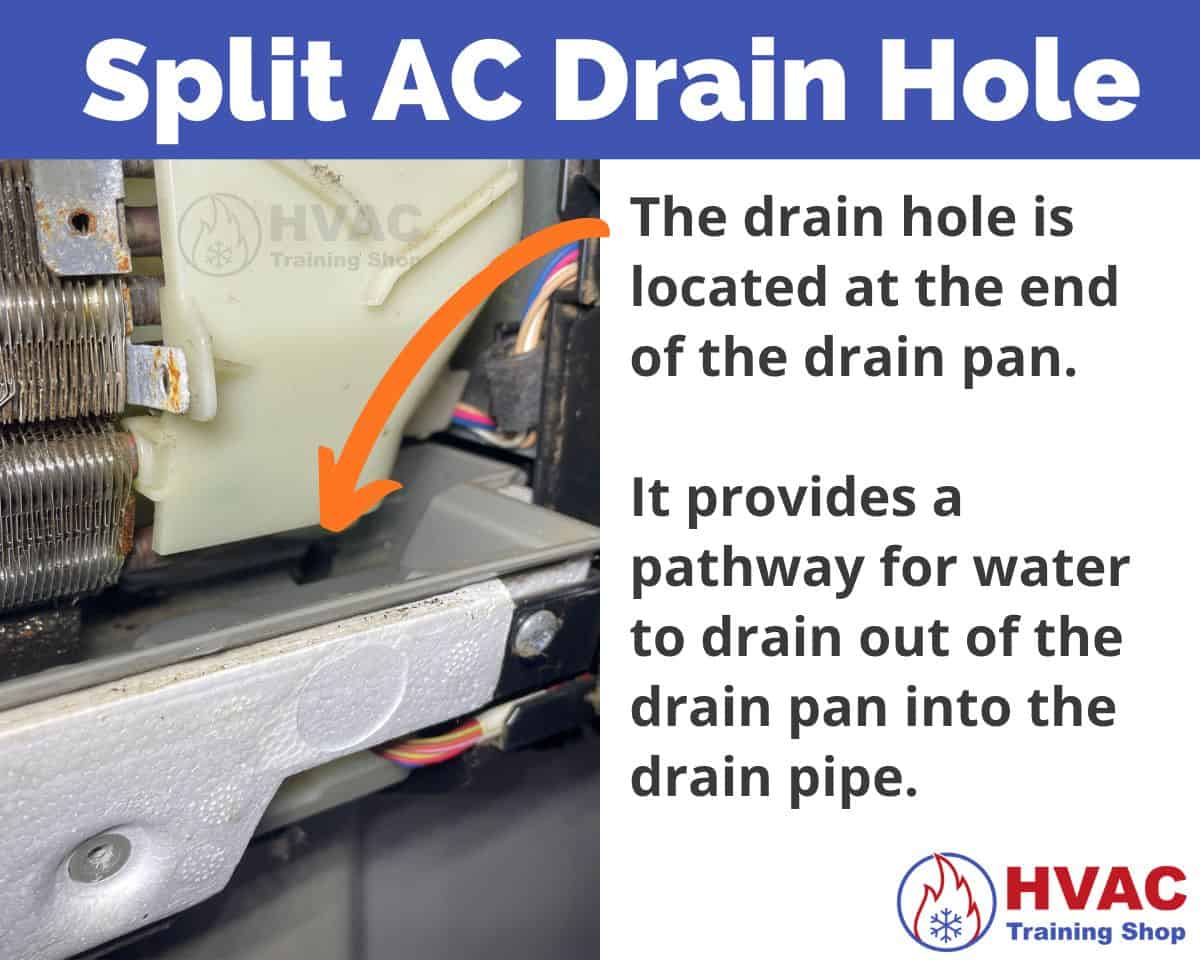
Before diving into troubleshooting, it's essential to understand what the AC drain line is and its purpose. Your air conditioner works by cooling the air that passes over its evaporator coils. As these coils cool, moisture from the air condenses on them, much like water forming on a cold glass. This condensation needs to go somewhere, and that's where the drain line comes in. The drain line is a PVC pipe that carries this water away from your indoor AC unit and typically deposits it outside of your house.
If this drain line becomes clogged, the water has nowhere to go and will eventually overflow, leading to leaks inside your home. Common causes of clogs include algae growth, mold, dust, insects, and other debris that can accumulate over time.
Step-by-Step Guide to Locating and Diagnosing the Issue
The first step is always diagnosis. A systematic approach will save you time and frustration.
Step 1: Identify the Symptoms
Before you start searching for the drain line, confirm you actually have a drain line issue. Common symptoms include:
- Water leaking from your indoor AC unit, often near the air handler.
- A musty or moldy odor coming from your vents.
- The AC unit shutting off unexpectedly, possibly due to a safety float switch being triggered by the overflowing water.
- Visible water damage on your ceiling or walls near the AC unit.
Step 2: Turn Off the AC Unit
For your safety, and to prevent further water damage, turn off your AC unit at the thermostat before proceeding. You may also want to turn off the breaker that powers the unit.
Step 3: Locate the Indoor Unit
The indoor unit, also known as the air handler, is usually located in one of these places:
- The attic: This is a common location, especially in warmer climates.
- A closet: Often found in hallways or utility rooms.
- The basement: Common in colder climates.
- A crawl space: Access may be limited.
Step 4: Find the Primary Drain Line
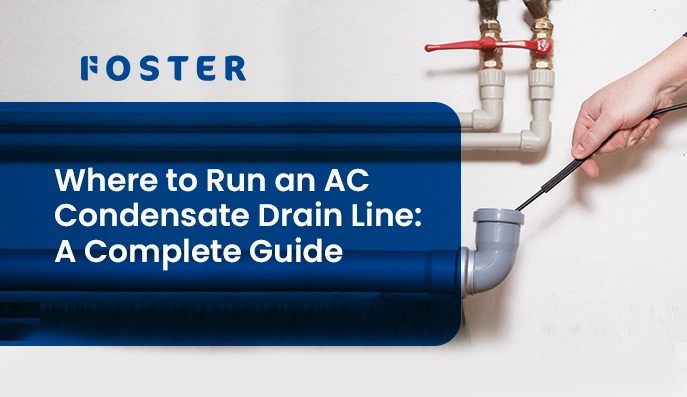
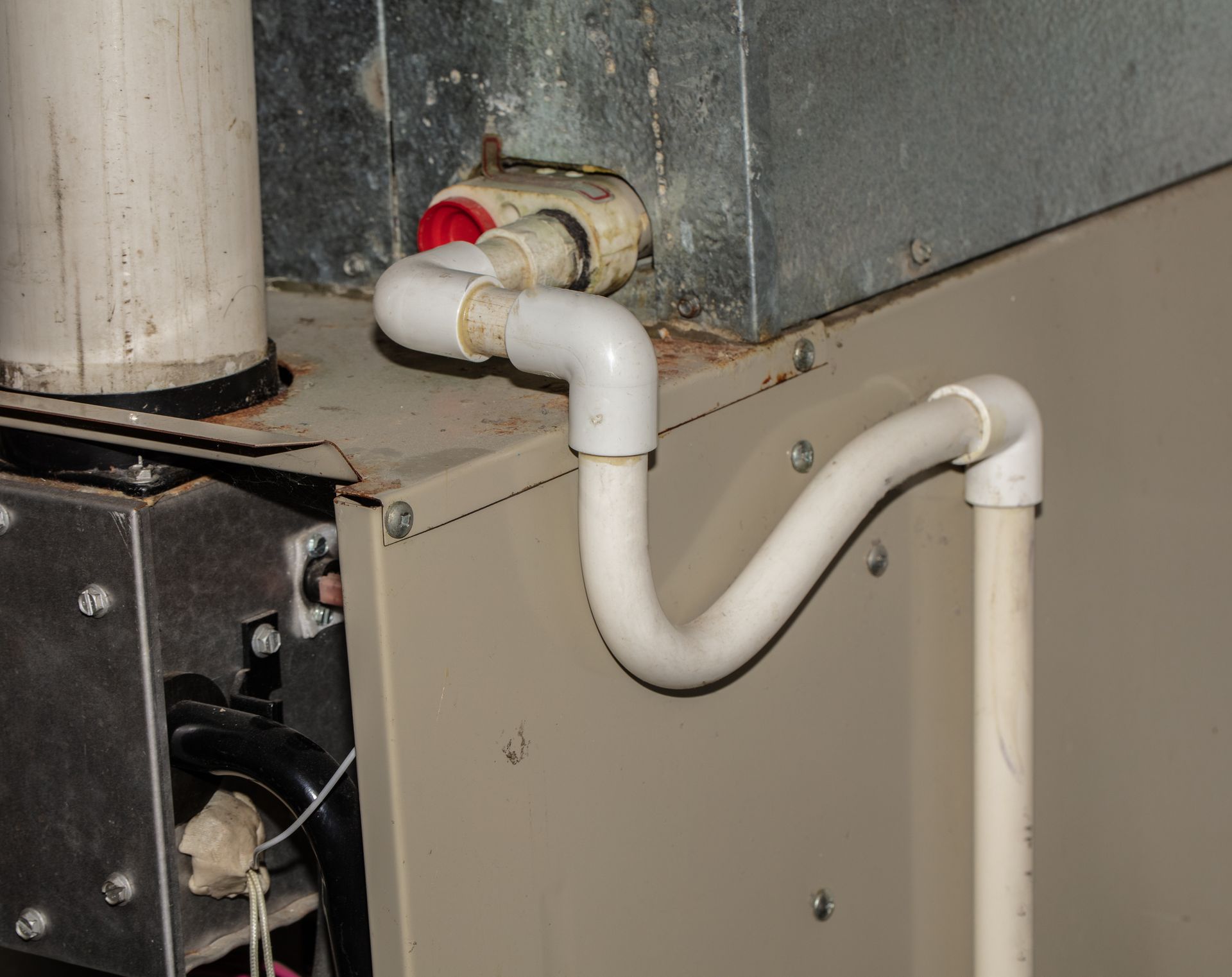
Once you've located the indoor unit, look for the primary drain line. This is typically a PVC pipe (usually ¾ inch or 1 inch in diameter) that exits the unit. It is often located near the bottom of the air handler. Look for a pipe that slopes downward, leading away from the unit. It's usually white or gray PVC.
Important: Some units may also have a secondary drain line, which is usually shorter and terminates above a sink, outside, or in a conspicuous location. This acts as an overflow drain in case the primary line gets clogged. If you see water coming from the secondary drain line, it's a clear indication that the primary line is blocked.
Step 5: Trace the Drain Line
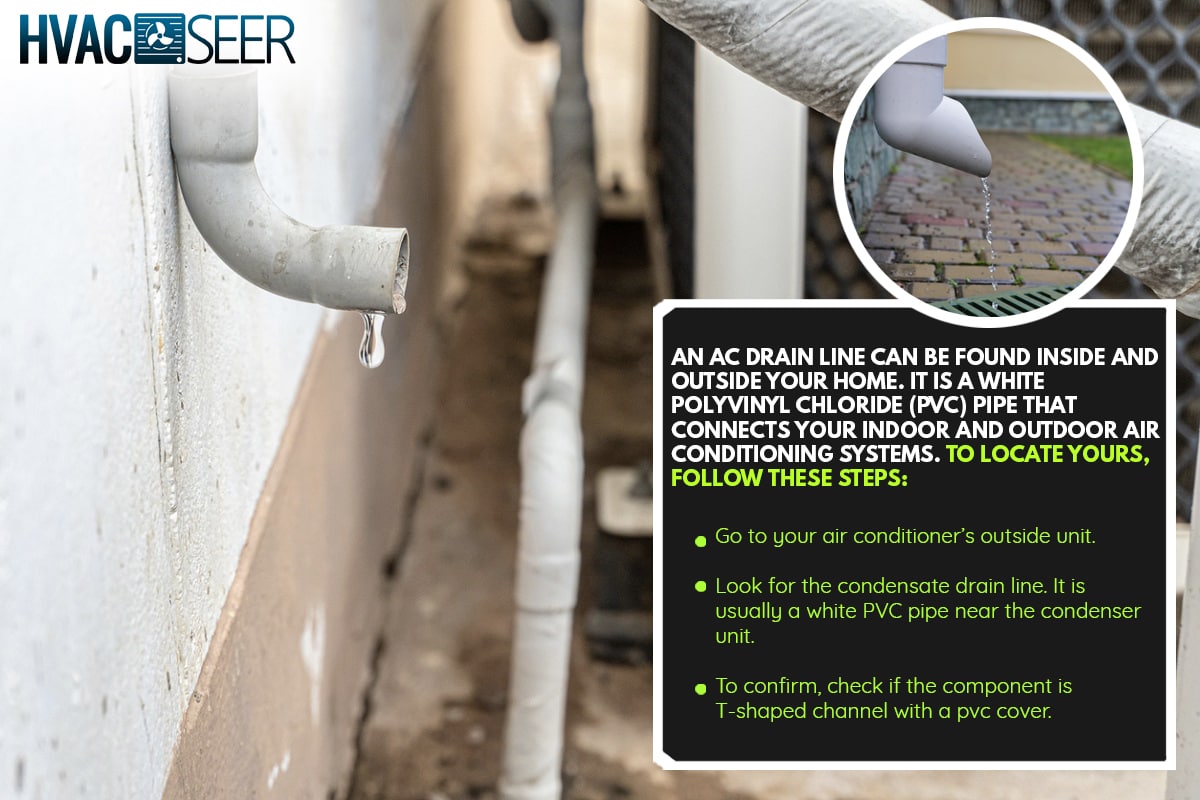
Follow the drain line from the indoor unit to its termination point. This will help you understand its path and identify any potential problem areas. The drain line typically runs outside, usually near the foundation of your house. Look for the pipe opening near the ground. Sometimes, the end of the pipe will have a small screen or grate to prevent debris from entering.
Common termination points include:
- Outside near the foundation: The most common location.
- Into a floor drain: Often found in basements or utility rooms.
- Into a condensate pump: The condensate pump then pumps the water outside or into a drain.
Step 6: Inspect for Obvious Blockages
Visually inspect the entire length of the drain line for any obvious kinks, bends, or crushing. Check the termination point outside for any visible debris blocking the opening. Clear away any leaves, dirt, or other obstructions.
DIY Fixes for a Clogged AC Drain Line
If you've located the drain line and suspect a blockage, here are some DIY methods you can try:
Method 1: Using a Wet/Dry Vacuum
This is often the most effective DIY method. Ensure you have a wet/dry vacuum that can handle water. Follow these steps:
- Locate the end of the drain line outside.
- If possible, disconnect the drain line from the AC unit inside (be prepared for some water to spill out – have a bucket and towels ready). This will provide the most direct suction. If you cannot disconnect the line, try to access it at the termination point outside.
- Attach the vacuum hose to the end of the drain line, creating a tight seal. You may need to use duct tape to improve the seal.
- Turn on the vacuum and let it run for several minutes. The vacuum should suck out any debris clogging the line.
- Listen for any gurgling sounds or see debris being pulled into the vacuum. This indicates that the clog is being removed.
- After several minutes, turn off the vacuum and carefully remove the hose.
- Reconnect the drain line if you disconnected it earlier.
- Test the AC unit to see if the leak has stopped.
Method 2: Using a Garden Hose
This method can be helpful for dislodging stubborn clogs. Be careful not to use excessive pressure, as this could damage the drain line.
- Locate the end of the drain line outside.
- Insert the end of the garden hose into the drain line as far as it will go.
- Wrap a rag around the hose and drain line to create a tight seal.
- Turn on the water slowly and gradually increase the pressure.
- Let the water run for several minutes to flush out any debris.
- Turn off the water and remove the hose.
- Test the AC unit to see if the leak has stopped.
Method 3: Using Vinegar
Vinegar is a natural and effective way to kill algae and mold that can contribute to clogs. This is more of a preventative measure, but can also help clear minor blockages.
- Locate the drain line access point near the indoor unit. Many units have a T-shaped vent or cleanout specifically for this purpose.
- Pour about a cup of white vinegar down the drain line.
- Let the vinegar sit in the drain line for at least 30 minutes, or even overnight for stubborn clogs.
- Flush the drain line with water.
- Repeat this process monthly to prevent future clogs.
Method 4: Using a Drain Snake
A drain snake (also called an auger) can physically break up and remove clogs. Use caution to avoid damaging the drain line.
- Carefully insert the drain snake into the drain line.
- Rotate the snake as you push it further into the line.
- If you encounter resistance, carefully work the snake back and forth to break up the clog.
- Once you've cleared the clog, remove the drain snake and flush the line with water.
- Test the AC unit to see if the leak has stopped.
When to Call a Professional
While these DIY methods can be effective, there are times when it's best to call a professional HVAC technician. These situations include:
- You've tried the DIY methods and the drain line is still clogged. This could indicate a more serious blockage or a problem deeper within the system.
- You can't locate the drain line. If you're unable to find the drain line, it's best to let a professional handle it.
- You suspect mold growth within the AC unit or ductwork. Mold remediation requires specialized equipment and expertise.
- You notice other problems with your AC unit, such as reduced cooling, unusual noises, or frequent cycling. These could indicate a more serious mechanical issue.
- The drain line is damaged or broken. Repairing or replacing a drain line may require specialized tools and knowledge.
- You're uncomfortable working with electrical components or plumbing. Your safety is paramount.
Attempting to fix complex HVAC problems without proper training can be dangerous and could potentially void your warranty. When in doubt, err on the side of caution and call a qualified technician.
Preventative Maintenance
The best way to deal with a clogged AC drain line is to prevent it from happening in the first place. Here are some preventative maintenance tips:
- Pour a cup of white vinegar down the drain line monthly to kill algae and mold.
- Regularly inspect the drain line for any signs of leaks or blockages.
- Trim any vegetation near the drain line termination point to prevent debris from entering.
- Schedule annual AC maintenance with a qualified technician. This will include a thorough inspection and cleaning of the entire system, including the drain line.
By following these steps, you can minimize the risk of a clogged AC drain line and keep your air conditioning system running smoothly and efficiently. Remember, regular maintenance is key to preventing problems and extending the life of your AC unit.