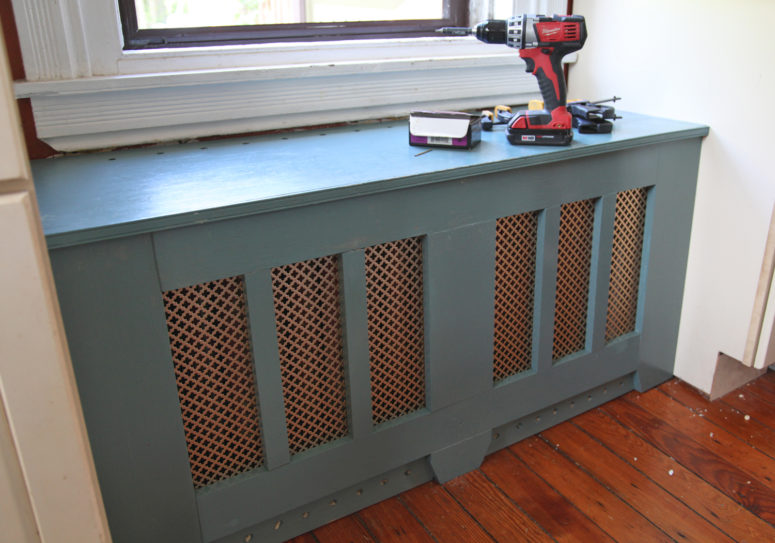
How To Make A Radiator Cover

Boosting Radiator Efficiency: A DIY Guide to Radiator Covers & Smart Integration
Radiators, a staple in many homes and businesses, offer a reliable source of heat. However, their efficiency can be significantly improved. This article provides a comprehensive guide to creating radiator covers that not only enhance aesthetics but also contribute to substantial energy savings. We'll also explore how smart home technology can further optimize your radiator system for maximum efficiency.
Understanding Radiator Cover Benefits: More Than Just Aesthetics
While often viewed as decorative elements, well-designed radiator covers can demonstrably improve heating performance. They achieve this in several ways:
- Improved Heat Distribution: Without a cover, heat rises directly to the ceiling, creating uneven temperature distribution. A properly designed cover with a reflective back panel redirects heat outwards into the room, promoting more consistent warmth. Studies have shown this can reduce heat stratification by up to 15%.
- Enhanced Convection: Vents at the top and bottom of the cover encourage airflow, drawing cool air in at the bottom, heating it as it passes over the radiator, and then releasing warm air at the top. This enhanced convection cycle improves heating efficiency.
- Safety: Covers protect against accidental burns, especially important for households with children or elderly individuals.
- Dust Reduction: A cover can act as a barrier, preventing dust and debris from settling directly on the radiator, which can reduce its efficiency and affect air quality.
It is crucial to avoid trapping heat inside the cover. Doing so can actually reduce efficiency. Design is paramount. Consider consulting with an HVAC professional to ensure your design maximizes airflow and doesn’t impede performance.
DIY Radiator Cover Construction: A Step-by-Step Guide
Building your own radiator cover is a manageable project for homeowners with basic woodworking skills. Here’s what you’ll need:
- Materials:
- Wood (e.g., MDF, plywood, solid wood) – Choose a material suitable for painting or staining.
- Decorative grille (metal or wood) for the front panel.
- Reflective insulation (e.g., foil-faced foam board).
- Screws, nails, wood glue.
- Primer and paint (or stain).
- Tools:
- Measuring tape.
- Saw (circular saw or hand saw).
- Drill/driver.
- Screwdriver.
- Sander.
- Paintbrush or sprayer.
Step 1: Measure Your Radiator
Accurate measurements are essential. Measure the height, width, and depth of your radiator. Add at least 2 inches to each dimension to allow for airflow and prevent the cover from touching the radiator. Note any pipes or valves that need to be accommodated.
Step 2: Design Your Cover
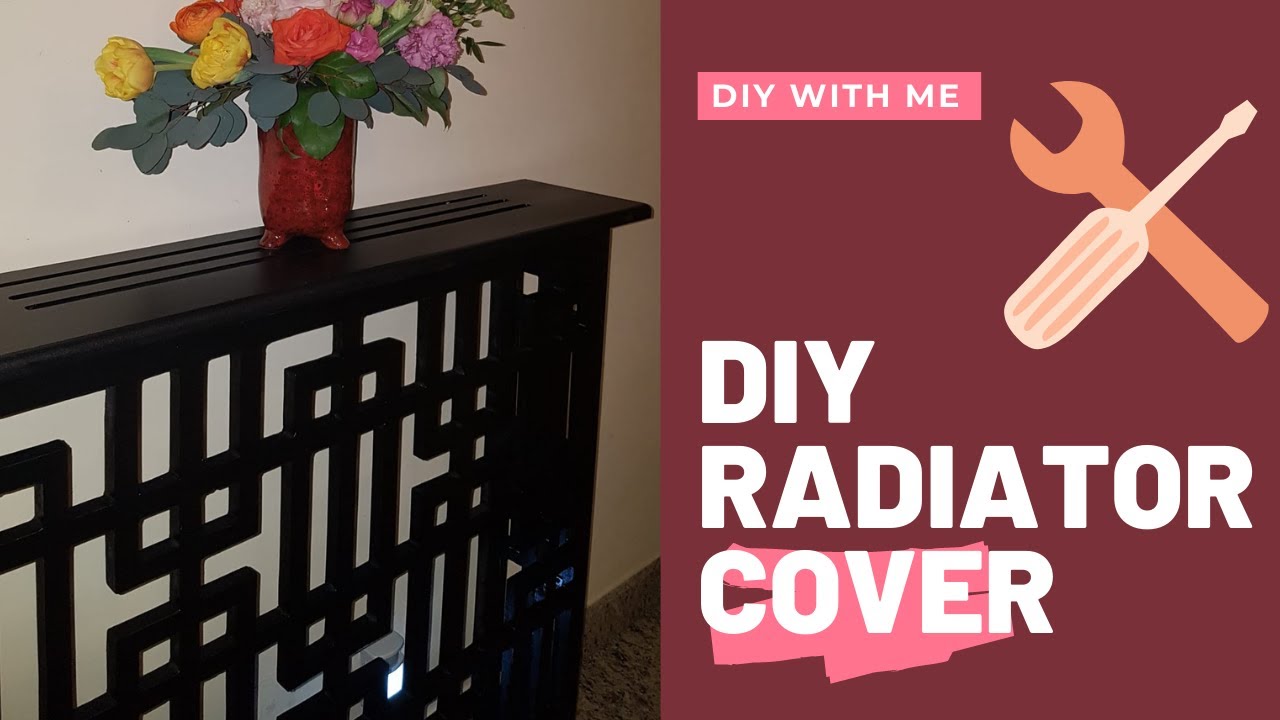
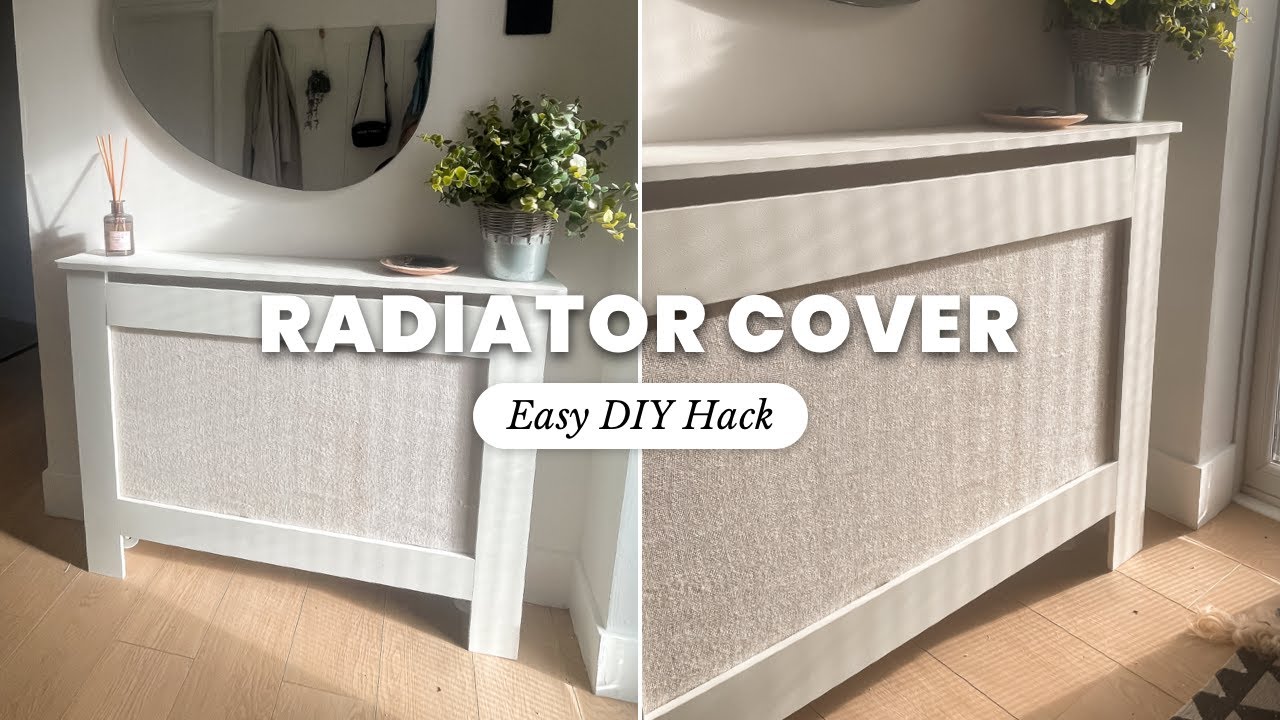
Sketch out your design. Consider the style of your room and choose a design that complements it. Ensure adequate ventilation with openings at the top and bottom. The front panel will primarily consist of a decorative grille to allow heat to radiate outwards.
Step 3: Cut the Wood
Cut the wood pieces according to your measurements. You'll need pieces for the top, sides, front frame, and a back panel (optional, but highly recommended for reflecting heat). Ensure your cuts are precise and square.
Step 4: Assemble the Frame
Assemble the frame using wood glue and screws or nails. Ensure the frame is sturdy and square. Sand down any rough edges.
Step 5: Install the Grille
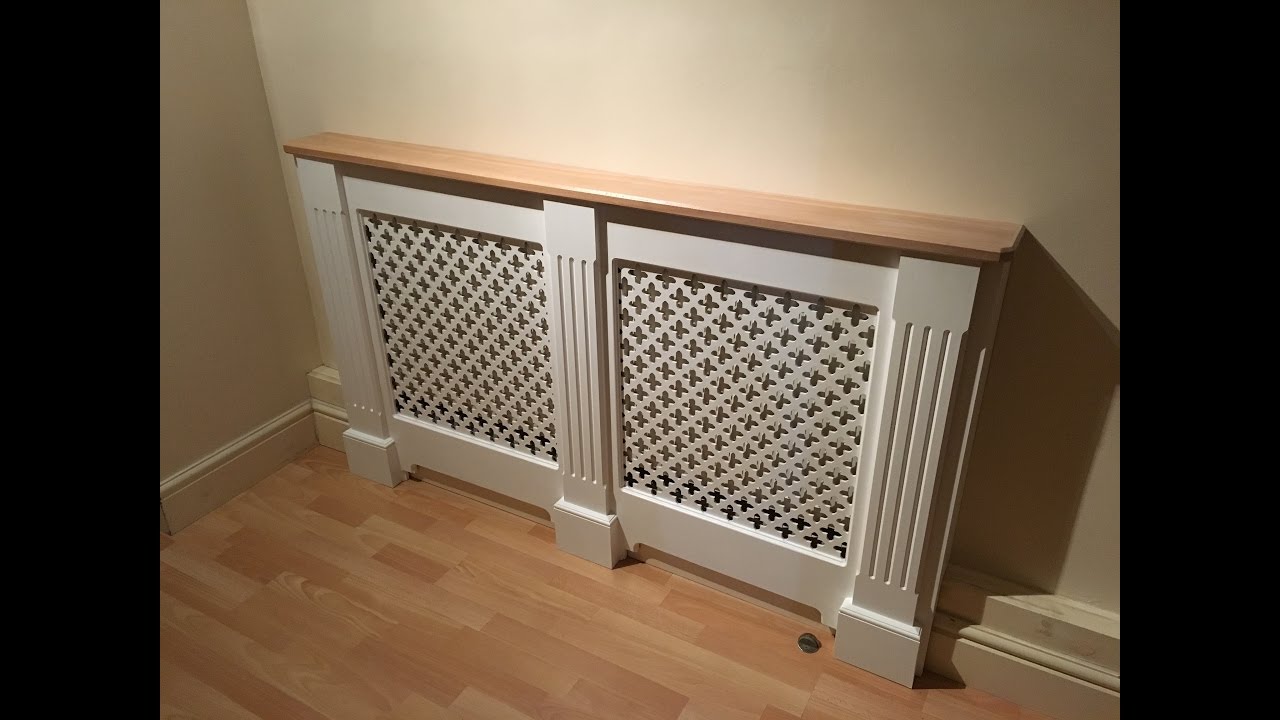
Attach the decorative grille to the front of the frame. You can use screws, nails, or construction adhesive. Ensure the grille is securely fastened.
Step 6: Add Reflective Insulation
Cut the reflective insulation to fit the back panel (if using). Attach it using construction adhesive or staples. This will reflect heat back into the room, increasing efficiency.
Step 7: Finish the Cover
Prime and paint or stain the cover to your desired finish. Allow the paint or stain to dry completely before installing the cover.
Step 8: Install the Cover
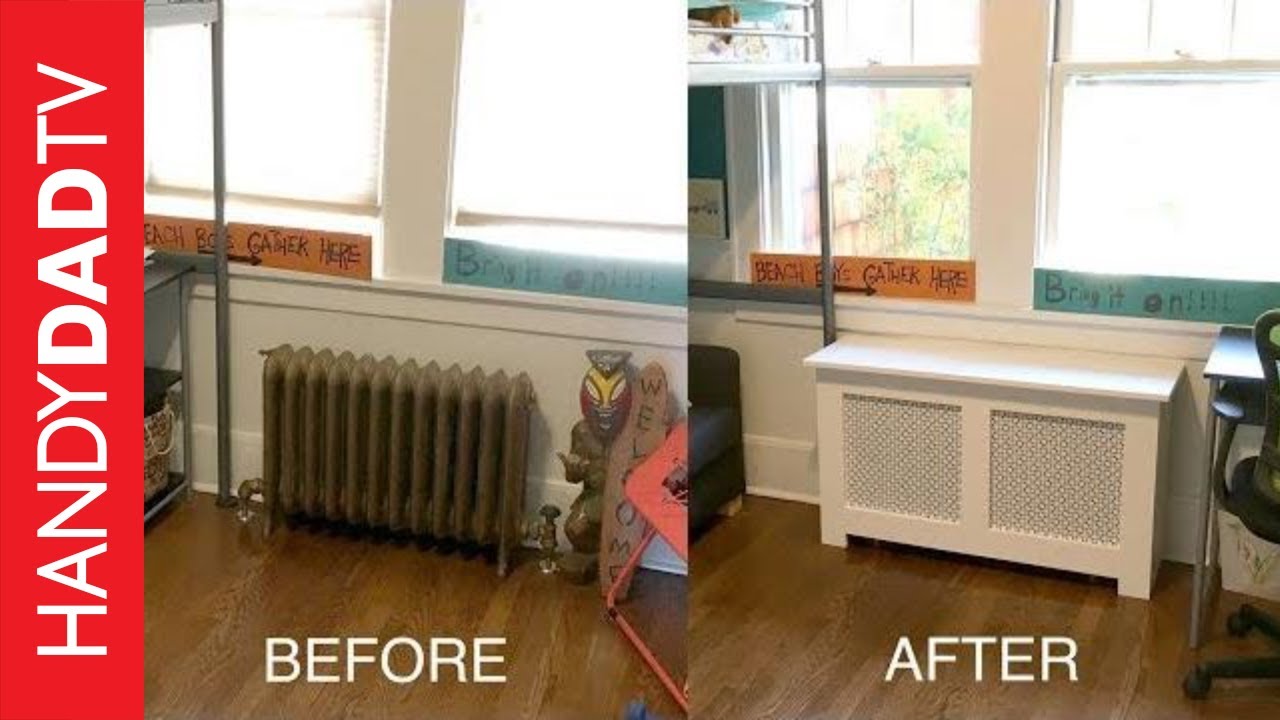
Carefully place the cover over the radiator. Ensure there is adequate clearance between the radiator and the cover. Secure the cover to the wall if necessary, using brackets or screws. Be mindful of not obstructing any pipes.
Optimizing with Smart Home Technology: Radiator Thermostats and Sensors
Integrating smart home technology can take your radiator system's efficiency to the next level. Smart radiator thermostats and sensors offer granular control over individual radiators, allowing for personalized heating schedules and temperature settings.
- Smart Radiator Thermostats (SRTs): These replace traditional radiator valves and connect to your home's Wi-Fi network. They allow you to control the temperature of each radiator independently via a smartphone app or voice assistant. Some models offer features like geofencing, which automatically adjusts the temperature based on your location.
- Smart Sensors: These can be placed in various rooms to monitor temperature and humidity. They communicate with your smart thermostats to ensure consistent temperature throughout your home.
- Central Hub Integration: SRTs often integrate with central smart home hubs (e.g., Google Home, Amazon Alexa, Apple HomeKit), allowing you to create automated heating schedules and control your entire system from a single interface.
ROI and Energy Savings: Installing SRTs can lead to significant energy savings. Studies have shown that smart thermostats can reduce heating bills by 10-20%. Furthermore, many utility companies offer rebates for installing smart home devices, further improving the ROI.
Energy Star certified smart thermostats are a good benchmark to aim for when shopping around.
Selecting the Right Materials and Design: Key Considerations
The choice of materials and design significantly impacts the efficiency and aesthetics of your radiator cover.
- Material:
- Wood: MDF is a cost-effective option, but solid wood offers greater durability and a more premium look. Consider sustainably sourced wood to minimize environmental impact.
- Grille: Metal grilles offer excellent airflow and durability, while wooden grilles can add a touch of elegance. Ensure the grille's open area is sufficient to allow for adequate heat transfer.
- Design:
- Ventilation: Proper ventilation is crucial. Ensure there are ample openings at the top and bottom of the cover to facilitate airflow.
- Reflective Surface: A reflective back panel is highly recommended to redirect heat into the room. Aluminum foil or foil-faced foam board are effective options.
- Accessibility: Design the cover to allow easy access to radiator valves for maintenance and adjustments.
Professional Installation vs. DIY: Weighing the Options
While DIY radiator cover construction is feasible for many homeowners, professional installation may be preferable in certain situations.
DIY Advantages:
- Cost savings.
- Customization options.
- Personal satisfaction.
Professional Advantages:
- Expert design and construction.
- Guaranteed quality and performance.
- Time savings.
If you lack woodworking skills or are concerned about achieving optimal performance, consider hiring an HVAC contractor or a carpenter specializing in radiator covers.
Maximizing Energy Savings: Beyond Radiator Covers
While radiator covers and smart thermostats can significantly improve heating efficiency, consider these additional measures to further reduce your energy consumption:
- Insulation: Ensure your home is adequately insulated. Proper insulation reduces heat loss, minimizing the strain on your heating system. Consider attic insulation, wall insulation, and sealing air leaks around windows and doors.
- Window Treatments: Use curtains or blinds to insulate windows and prevent heat loss during the winter.
- Regular Maintenance: Schedule regular maintenance for your radiator system to ensure it is operating efficiently. This includes bleeding radiators to remove trapped air and checking for leaks.
According to the U.S. Department of Energy, proper insulation alone can save homeowners up to 15% on heating and cooling costs.
Conclusion: A Holistic Approach to Radiator Efficiency
Improving radiator efficiency is a multifaceted process that involves optimizing design, leveraging smart home technology, and implementing broader energy-saving measures. By following the guidelines outlined in this article, you can create radiator covers that enhance aesthetics, improve heating performance, and contribute to substantial energy savings. Coupled with smart thermostats, sensors, and other energy-efficient upgrades, you can create a comfortable and sustainable home or business environment. Remember to check with your local utility company for potential rebates and incentives for energy-efficient upgrades. Consult with HVAC professionals to determine the best approach for your specific needs and maximize your ROI.