How To Make Ac More Efficient
Unlock Maximum Savings: Proven Strategies to Boost Your AC Efficiency
In the quest for lower energy bills and a smaller carbon footprint, optimizing your air conditioning (AC) system's efficiency is paramount. Whether you're a homeowner, a business owner, or an HVAC professional, understanding and implementing these strategies can significantly reduce energy consumption and improve overall comfort. This article provides a comprehensive guide to making your AC more efficient, focusing on practical steps, data-driven insights, and the latest technologies.
Understanding AC Efficiency Metrics: SEER and EER
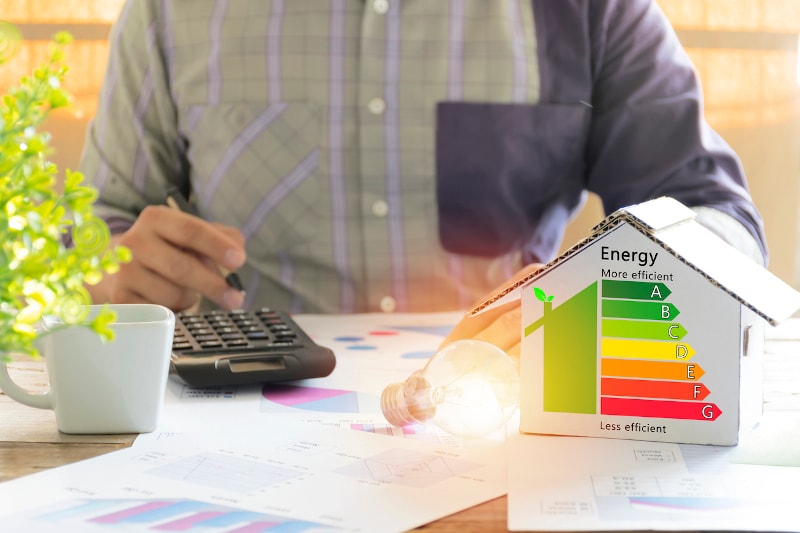
Before diving into specific strategies, it’s crucial to grasp the key metrics that define AC efficiency: SEER (Seasonal Energy Efficiency Ratio) and EER (Energy Efficiency Ratio). SEER measures the cooling efficiency of an AC system over an entire cooling season, while EER measures efficiency at a specific point in time, often under peak load conditions. The higher the SEER and EER ratings, the more efficient the AC system.
According to Energy Star, upgrading to a high-efficiency AC system with a SEER rating of 15 or higher can save homeowners up to 30% on their cooling costs compared to older, less efficient models with SEER ratings of 10 or below. New Energy Star certified ACs meet or exceed minimum SEER ratings, ensuring significant energy savings. Check the Energy Star website for the most current requirements.
Top Strategies for AC Efficiency
1. Regular Maintenance: The Foundation of Efficiency
Neglecting maintenance is a surefire way to compromise your AC's efficiency. Here's what regular maintenance entails:
- Filter Replacement: Clogged air filters restrict airflow, forcing your AC to work harder and consume more energy. Replace disposable filters monthly during peak cooling seasons. Consider upgrading to washable filters for long-term cost savings.
- Coil Cleaning: Over time, the evaporator and condenser coils can accumulate dirt and debris, hindering their ability to transfer heat effectively. Clean these coils annually with a fin comb and coil cleaner.
- Fin Straightening: Bent fins on the coils impede airflow. Use a fin comb to straighten bent fins and restore optimal airflow.
- Drain Line Clearing: A clogged condensate drain line can lead to water damage and reduced efficiency. Flush the drain line annually with a bleach solution or vinegar to prevent clogs.
- Professional Tune-Up: Schedule an annual tune-up with a qualified HVAC technician. They can inspect and clean critical components, check refrigerant levels, and identify potential issues before they escalate.
2. Sealing Air Leaks: Prevent Energy Loss
Air leaks in your home's envelope can negate the benefits of even the most efficient AC system. Seal air leaks around windows, doors, and ductwork to prevent conditioned air from escaping and unconditioned air from entering.
- Caulking and Weatherstripping: Apply caulk to seal gaps around window and door frames. Install weatherstripping to create a tight seal between doors and windows and their frames.
- Duct Sealing: Leaky ductwork can account for up to 30% of energy loss in HVAC systems. Seal duct joints and seams with mastic sealant or metal tape (never duct tape, which dries out and cracks over time). Consider having your ductwork professionally inspected and sealed.
- Insulation: Adequate insulation in attics, walls, and floors minimizes heat transfer, reducing the workload on your AC system. Consult with an insulation professional to determine the appropriate R-value for your climate zone.
3. Optimizing Thermostat Settings: Smart Control for Energy Savings
Your thermostat plays a critical role in AC efficiency. Here's how to optimize your settings:
- Programmable Thermostats: Install a programmable thermostat to automatically adjust the temperature based on your schedule. Set higher temperatures when you're away from home and lower temperatures when you're present.
- Smart Thermostats: Smart thermostats offer advanced features like remote control, learning capabilities, and energy usage tracking. They can learn your preferences and automatically adjust the temperature to maximize energy savings. Many smart thermostats also integrate with other smart home devices for seamless automation.
- Temperature Setback: According to the U.S. Department of Energy, you can save as much as 10% a year on heating and cooling costs by simply turning your thermostat back 7°-10°F for 8 hours a day from its normal setting. Consider adjusting the temperature during the day or when you are not in the building to maximize energy savings.
4. Shading and Ventilation: Natural Cooling Strategies
Reducing solar heat gain and promoting natural ventilation can significantly lessen the burden on your AC system:
- Window Treatments: Install blinds, shades, or curtains to block sunlight during the hottest parts of the day. Consider using reflective window films to further reduce heat gain.
- Landscaping: Plant trees and shrubs around your home to provide shade. Deciduous trees are particularly effective, as they provide shade in the summer and allow sunlight to penetrate in the winter.
- Ventilation: Open windows and use fans to circulate air during cooler evenings and mornings. Consider installing a whole-house fan to exhaust hot air from your attic.
5. System Upgrades: Investing in Energy-Efficient Technology
If your AC system is old or inefficient, upgrading to a newer, more efficient model can yield significant energy savings. Consider the following:
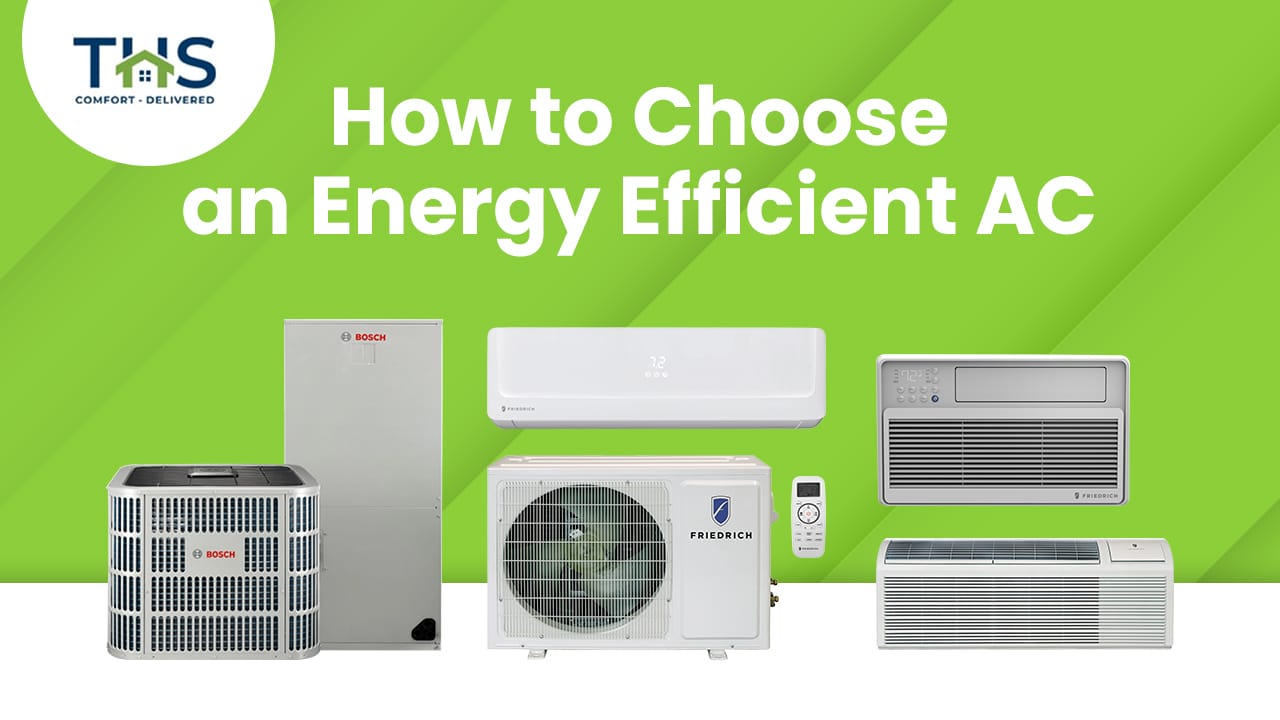
- High-Efficiency AC Systems: Look for AC systems with high SEER and EER ratings. Energy Star certified models offer the best performance and energy savings.
- Variable-Speed Compressors: Variable-speed compressors adjust their cooling output based on demand, providing more consistent temperatures and reducing energy consumption compared to single-speed compressors.
- Ductless Mini-Split Systems: Ductless mini-split systems are highly efficient and offer flexible zoning capabilities. They are ideal for homes without existing ductwork or for supplementing existing AC systems.
6. Smart HVAC Integration: The Future of Efficiency
Integrating your HVAC system with smart home technology can unlock new levels of efficiency and convenience:
- Smart Thermostats with Geofencing: Geofencing allows your smart thermostat to automatically adjust the temperature based on your location. When you leave home, the thermostat sets back the temperature to save energy. When you approach home, the thermostat adjusts the temperature to your desired level.
- Smart Sensors: Smart sensors can monitor temperature, humidity, and occupancy in different rooms, allowing your HVAC system to adjust its output based on actual conditions.
- Voice Control: Voice control allows you to adjust your thermostat settings hands-free, making it easy to optimize your comfort and energy savings.
- Energy Monitoring: Many smart HVAC systems offer energy monitoring capabilities, allowing you to track your energy usage and identify opportunities for improvement.
Financial Incentives and Rebates
Many utility companies and government agencies offer rebates and incentives for upgrading to energy-efficient AC systems and implementing energy-saving measures. Check with your local utility company and the Energy Star website to learn about available programs.
The Inflation Reduction Act (IRA) offers significant tax credits and rebates for energy-efficient home improvements, including HVAC upgrades. Consult with a tax professional to determine your eligibility for these incentives.
The ROI of AC Efficiency
Investing in AC efficiency measures can provide a significant return on investment (ROI) through reduced energy bills, increased comfort, and improved indoor air quality. While the upfront costs may seem daunting, the long-term savings and environmental benefits make it a worthwhile investment.
For example, upgrading from a SEER 10 AC system to a SEER 16 system can save you hundreds of dollars per year in energy costs. Over the lifespan of the system, these savings can easily exceed the initial investment.
Conclusion
Maximizing your AC's efficiency is a win-win proposition for your wallet and the environment. By implementing the strategies outlined in this article, you can significantly reduce energy consumption, lower your energy bills, and contribute to a more sustainable future. From regular maintenance and air sealing to smart thermostat integration and system upgrades, there are numerous ways to optimize your AC system for peak performance. Embrace these strategies and unlock the full potential of your air conditioning system.