How To Measure A Pipe Thread

Understanding pipe threads is crucial for anyone working with plumbing, HVAC, or fluid systems. Correctly identifying and measuring them ensures proper connections, prevents leaks, and avoids costly mistakes. This guide provides a clear and comprehensive approach to measuring pipe threads, empowering you to confidently tackle your projects.
Why is Measuring Pipe Threads Important?
Imagine trying to fit a square peg in a round hole. That's essentially what happens when you use the wrong pipe thread size. Mismatched threads can lead to leaks, damaged fittings, and even system failure. Think of it like this: if you are working on your AC system, refrigerant is the 'blood' of your AC system, carrying heat from inside to outside. If the connections are not tight, the refrigerant leaks, making your system malfunction and causing damage to the environment. So, accurate measurement is paramount for a secure and reliable connection.
Furthermore, different thread standards exist (NPT, BSPT, Metric, etc.), and they are not interchangeable. Attempting to force a connection between different thread types can damage both components, leading to extensive repairs. Knowing how to measure pipe threads correctly allows you to identify the thread type and size, enabling you to select the correct fittings for your application.
Understanding Pipe Thread Terminology
Before diving into the measurement process, let's define some key terms:
- Thread: The helical ridge (spiral) on the outside or inside of a pipe or fitting.
- Thread Pitch: The distance between two adjacent thread crests (the top of the thread). A finer pitch means more threads per inch.
- Thread Diameter: The diameter of the pipe or fitting, measured at the thread crests.
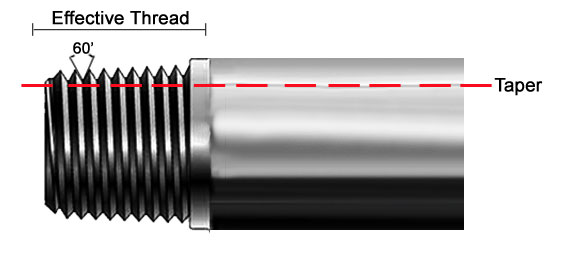
- Tapered Thread: A thread that gradually narrows or widens along its length. NPT (National Pipe Tapered) is a common example.
- Straight Thread: A thread that maintains a constant diameter along its length. NPS (National Pipe Straight) is an example.
- Male Thread: A thread on the outside of a pipe or fitting (external thread).
- Female Thread: A thread on the inside of a fitting (internal thread).
- Nominal Pipe Size (NPS): A *nominal* (approximate) value used to identify the size of a pipe. It does not directly correspond to the actual diameter of the pipe.
Tools You'll Need
Having the right tools is essential for accurate pipe thread measurement. Here's a list of the most common tools:
- Pipe Thread Gauge (Thread Comb): This tool has a series of blades with different thread pitches. It allows you to quickly identify the thread pitch by finding the blade that matches the thread profile.
- Caliper (Digital or Vernier): Used to measure the outer diameter of male threads and the inner diameter of female threads. Digital calipers offer easier readability, while vernier calipers provide high precision.
- Measuring Tape or Ruler: Useful for measuring the overall length of the threaded section and the diameter of larger pipes.
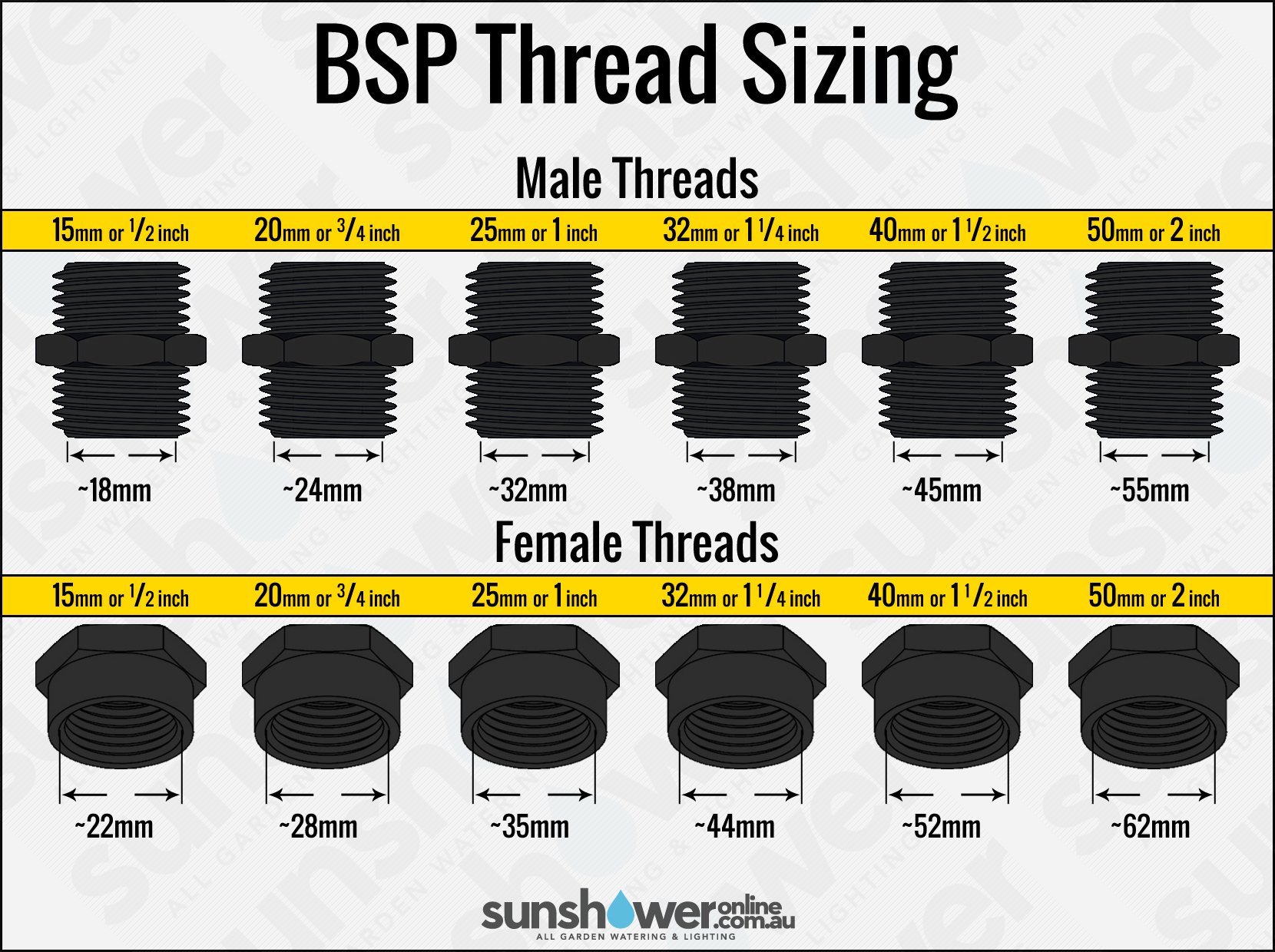
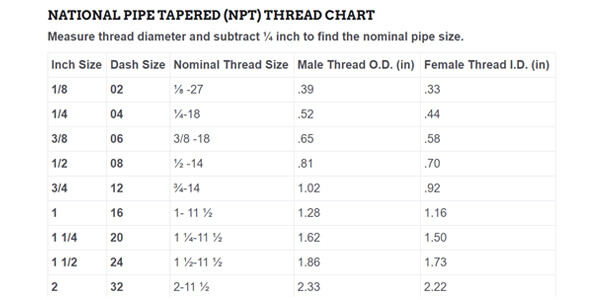
- Thread Identification Chart: A chart that lists standard pipe thread sizes and their corresponding dimensions. These are readily available online or at plumbing supply stores.
- Magnifying Glass (Optional): Can be helpful for visually inspecting the threads, especially for damaged or corroded threads.
Step-by-Step Guide to Measuring Pipe Threads
Here's a detailed guide to measuring both male and female pipe threads:
Measuring Male (External) Pipe Threads
- Clean the Threads: Remove any dirt, debris, or corrosion from the threads. Use a wire brush or a clean cloth.
- Identify the Thread Type (Tapered or Straight): Visually inspect the thread. Does it appear to narrow or widen along its length (tapered), or does it maintain a constant diameter (straight)? This is a crucial first step.
- Determine the Nominal Pipe Size (NPS):
- If Tapered: Use a thread gauge to determine the threads per inch (TPI). Then, use the caliper to measure the outside diameter of the thread at the *first* fully formed thread. Compare these measurements to a thread identification chart (readily available online) to find the NPS. Remember, the NPS is nominal and not the exact outside diameter.
- If Straight: Use a thread gauge to determine the threads per inch (TPI). Then, use the caliper to measure the outside diameter of the thread. Compare these measurements to a thread identification chart to find the NPS.
- Measure the Thread Pitch: Use a thread gauge (thread comb). Select different blades and hold them against the threads until you find the one that perfectly matches the thread profile. The number on the blade indicates the threads per inch (TPI).
- Measure the Outer Diameter: Use a caliper to measure the outer diameter of the threaded section. Take the measurement at the widest point of the threads. If the threads are tapered, measure at the point closest to the end of the pipe.
- Consult a Thread Identification Chart: Compare your measurements (thread pitch and outer diameter) to a thread identification chart. The chart will list the standard pipe thread sizes and their corresponding dimensions. This will help you identify the thread type (e.g., NPT, BSPT, Metric) and the nominal pipe size.
Measuring Female (Internal) Pipe Threads
- Clean the Threads: Remove any dirt, debris, or corrosion from the threads. Use a small brush or a clean cloth.
- Identify the Thread Type (Tapered or Straight): Visually inspect the thread. Does it appear to narrow or widen along its length (tapered), or does it maintain a constant diameter (straight)? This is a crucial first step.
- Determine the Nominal Pipe Size (NPS):
- If Tapered: Use a thread gauge to determine the threads per inch (TPI). Then, use the caliper to measure the *minor* diameter of the thread. Compare these measurements to a thread identification chart (readily available online) to find the NPS. Remember, the NPS is nominal and not the exact outside diameter.
- If Straight: Use a thread gauge to determine the threads per inch (TPI). Then, use the caliper to measure the *minor* diameter of the thread. Compare these measurements to a thread identification chart to find the NPS.
- Measure the Thread Pitch: Use a thread gauge (thread comb). Carefully insert the blades into the female threads until you find the one that perfectly matches the thread profile. The number on the blade indicates the threads per inch (TPI).
- Measure the Inner Diameter: Use a caliper to measure the inner diameter of the threaded section. Take the measurement from crest to crest (the distance across the opening at the thread peaks).
- Consult a Thread Identification Chart: Compare your measurements (thread pitch and inner diameter) to a thread identification chart. This will help you identify the thread type and the nominal pipe size.
Important Considerations and Common Mistakes
Here are some important points to keep in mind when measuring pipe threads:
- Don't Assume: Never assume the thread size or type based on visual appearance alone. Always measure to confirm.
- Account for Corrosion and Damage: Corroded or damaged threads can be difficult to measure accurately. Clean the threads thoroughly before measuring. If the threads are severely damaged, consider replacing the fitting.
- Use the Right Tools: Using the correct tools is crucial for accurate measurements. A thread gauge is essential for determining the thread pitch.
- Understand Nominal Pipe Size: Remember that the NPS is a nominal value and does not directly correspond to the actual diameter of the pipe. Refer to a thread identification chart to determine the actual dimensions.
- Consider Sealant: When joining tapered threads (like NPT), thread sealant or Teflon tape is *essential* to create a leak-proof seal. The taper creates a mechanical seal, but the sealant fills any microscopic imperfections in the threads.
- Avoid Over-Tightening: Over-tightening can damage the threads and lead to leaks. Tighten fittings until they are snug and secure, but avoid applying excessive force.
- Verify Your Measurements: Double-check your measurements to ensure accuracy. A small error can lead to significant problems.
Common Pipe Thread Types
Here are some of the most common pipe thread types you'll encounter:
- NPT (National Pipe Tapered): A tapered thread commonly used in North America for plumbing and industrial applications. Requires sealant.
- NPS (National Pipe Straight): A straight thread used for mechanical joints. Requires a gasket or O-ring to create a seal.
- BSPT (British Standard Pipe Tapered): A tapered thread commonly used in Europe and other parts of the world. Similar to NPT but not interchangeable. Requires sealant.
- BSPP (British Standard Pipe Parallel): A straight thread commonly used in Europe and other parts of the world. Requires a gasket or O-ring to create a seal.
- Metric Threads: Threads based on the metric system, designated by "M" followed by the diameter in millimeters and the pitch.
Troubleshooting Measurement Issues
Sometimes, measuring pipe threads can be challenging. Here are some common issues and how to address them:
- Threads are Corroded or Damaged: Clean the threads as thoroughly as possible. If the damage is severe, consider replacing the fitting. You might need to use a thread chaser to clean up damaged threads, but be careful not to remove too much material.
- Difficulty Matching Thread Pitch: Try different blades on the thread gauge. Sometimes, the thread pitch can be slightly off due to manufacturing variations or wear. A magnifying glass can help you visually inspect the thread profile.
- Measurements Don't Match a Standard Size: This could indicate a non-standard thread type or a damaged thread. Double-check your measurements and consult a thread identification chart carefully. Consider seeking assistance from a plumbing or industrial supply expert.
- Leakage After Installation: Even with accurate measurements, leaks can occur if the threads are not properly sealed or if the fittings are over-tightened. Reapply sealant or Teflon tape, and tighten the fitting to the recommended torque.
Conclusion
Measuring pipe threads accurately is essential for ensuring proper connections and preventing leaks. By understanding the terminology, using the right tools, and following the step-by-step guide outlined in this article, you can confidently identify and measure pipe threads for your plumbing, HVAC, or fluid system projects. Remember to always double-check your measurements and consult a thread identification chart to ensure accuracy. When in doubt, seek assistance from a qualified professional. This knowledge will empower you to make informed decisions and avoid costly mistakes, leading to reliable and leak-free connections every time.