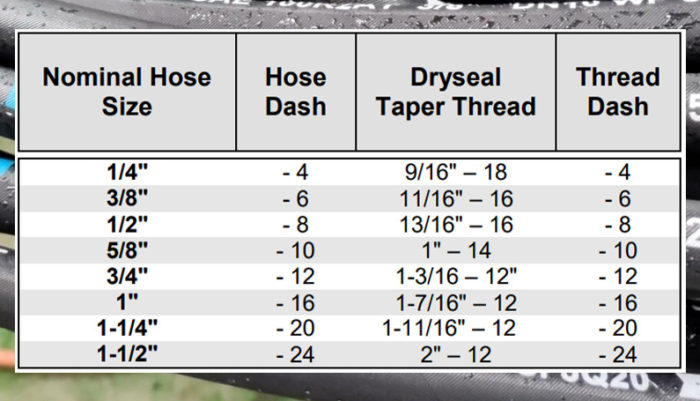
How To Measure Hose Fitting Size
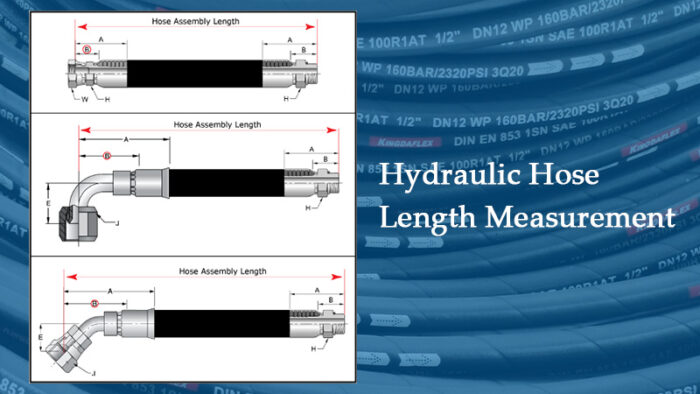
Accurately measuring hose fitting sizes is crucial for successful HVAC installations, repairs, and maintenance. Whether you're a homeowner tackling a DIY project, a seasoned HVAC technician, or a facility manager overseeing a large building's climate control system, understanding how to properly identify fitting dimensions prevents leaks, ensures optimal system performance, and saves time and money. This guide provides a comprehensive overview of the tools and techniques needed to measure hose fitting sizes correctly.
Understanding Hose Fitting Basics
Before diving into the measurement process, it's essential to grasp the fundamental terminology related to hose fittings. Common types include:
- NPT (National Pipe Thread): A U.S. standard for tapered threads used on pipes and fittings for joining and sealing.
- NPTF (National Pipe Thread Fuel): Similar to NPT but designed for a tighter seal, often used in fuel systems.
- SAE (Society of Automotive Engineers): Specifies standards for fittings commonly used in hydraulic and automotive applications.
- JIC (Joint Industry Council): A 37-degree flared fitting offering a reliable leak-proof connection.
- Compression Fittings: Utilize a compression nut and ferrule to create a tight seal.
Key terms to understand include:
- Male vs. Female: Refers to whether the fitting has threads on the outside (male) or inside (female).
- Thread Pitch: The distance between threads, measured in threads per inch (TPI).
- Nominal Size: The approximate size of the fitting, which does not necessarily correspond to the actual measured dimensions. This is particularly important for pipe threads, where the nominal size refers to the inner diameter (ID) of the pipe it's intended to connect to, not the fitting's outer diameter (OD).
- OD (Outer Diameter): The measurement across the outermost part of the fitting.
- ID (Inner Diameter): The measurement across the innermost part of the fitting.
Essential Tools for Measuring Hose Fittings
Having the right tools on hand will significantly improve the accuracy of your measurements:
- Caliper: A precision instrument used for measuring inside, outside, and depth dimensions. Digital calipers offer enhanced accuracy and ease of reading.
- Thread Pitch Gauge: Also known as a thread gauge, this tool helps determine the thread pitch (TPI) of a fitting. It consists of a series of blades with different thread pitches.
- Rulers and Tape Measures: For measuring overall length and larger dimensions.
- Fitting Identification Guides: Charts or guides that visually compare fittings to common standards (NPT, JIC, SAE, etc.) to help identify the fitting type.
Step-by-Step Guide to Measuring Hose Fittings
Follow these steps to accurately measure hose fittings:
1. Identifying the Fitting Type
Begin by visually inspecting the fitting. Look for markings or labels that indicate the fitting type (e.g., NPT, SAE). If no markings are present, compare the fitting to identification guides. Consider the application the fitting was used in (e.g., refrigerant lines, hydraulic systems) as this can provide clues to its type. For example, flare fittings with a characteristic 45-degree flare are commonly used in HVAC refrigerant lines.
2. Determining Male or Female
Observe whether the threads are on the outside (male) or inside (female) of the fitting. This is a straightforward but crucial step.
3. Measuring the Thread Pitch
Use a thread pitch gauge to determine the thread pitch. Select the blade that fits most snugly into the threads. The number on the blade indicates the threads per inch (TPI). For metric threads, the gauge will indicate the pitch in millimeters. This is a critical step in identifying NPT versus other thread types.
4. Measuring the Diameter
Use a caliper to measure the diameter of the fitting. For male fittings, measure the outer diameter (OD) of the threads. For female fittings, measure the inner diameter (ID) of the threads. Take multiple measurements at different points to ensure accuracy. Record these measurements carefully.
5. Identifying the Nominal Size (for Pipe Threads)
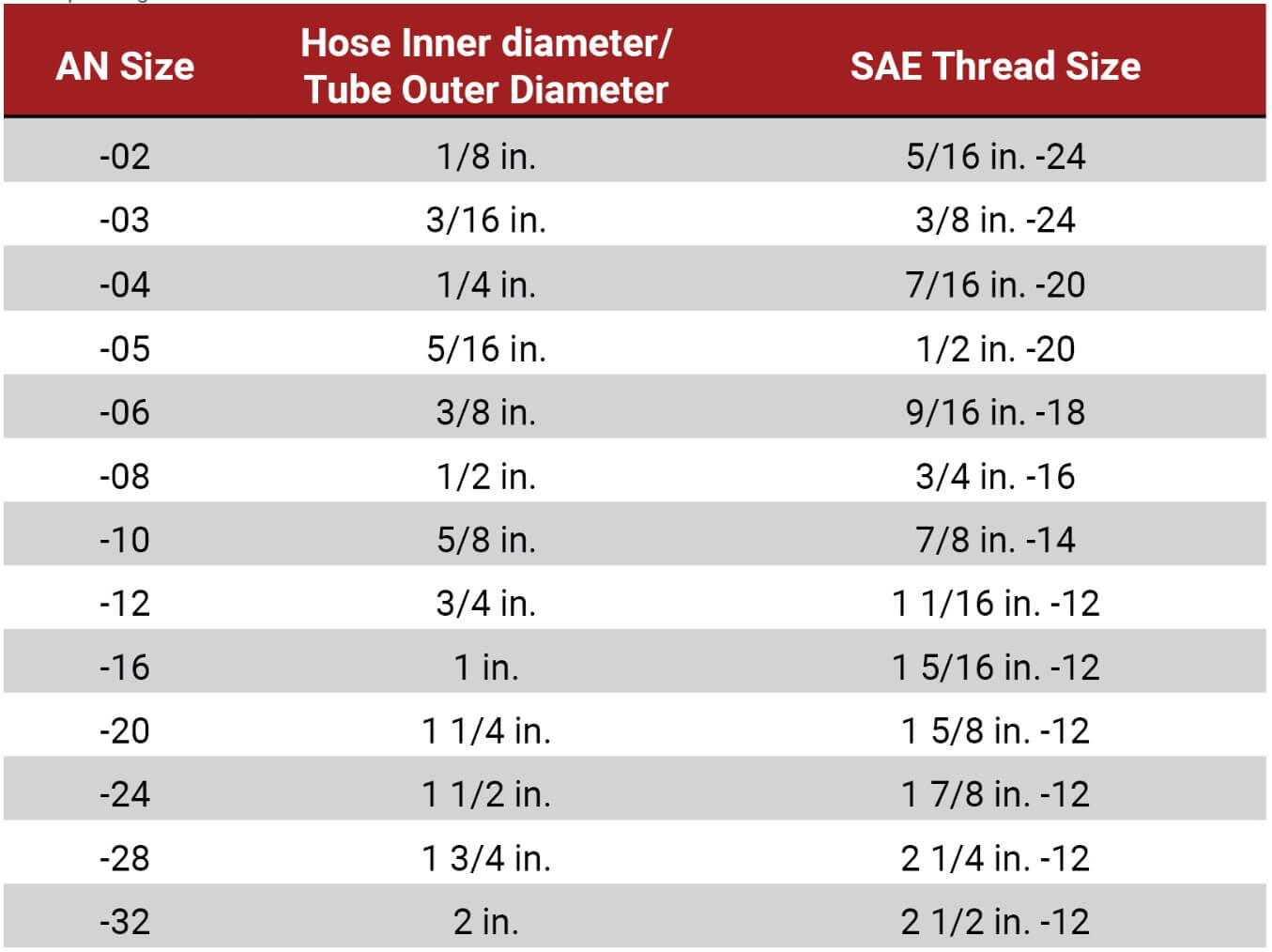
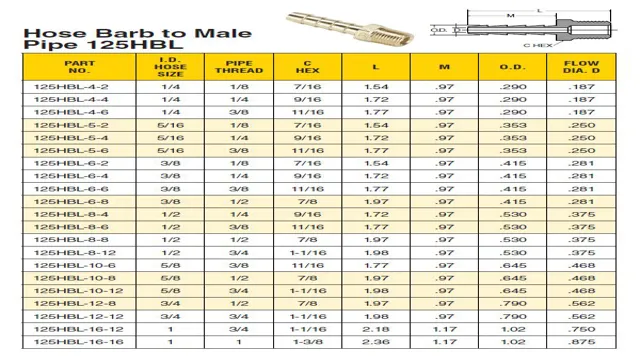
For NPT fittings, the nominal size is a reference to the pipe size it's intended to connect to. It's important to understand that the nominal size does *not* directly correspond to the measured OD. Use a pipe size chart to cross-reference your measured OD with the corresponding nominal pipe size. These charts are readily available online and in plumbing supply catalogs.
Example: If you measure the OD of a male NPT fitting to be approximately 0.675 inches, the corresponding nominal size would be 1/8 inch NPT. It’s important to note that this measurement alone isn't enough, you will need to consider the thread pitch.
6. Measuring Flare Angles (for Flare Fittings)
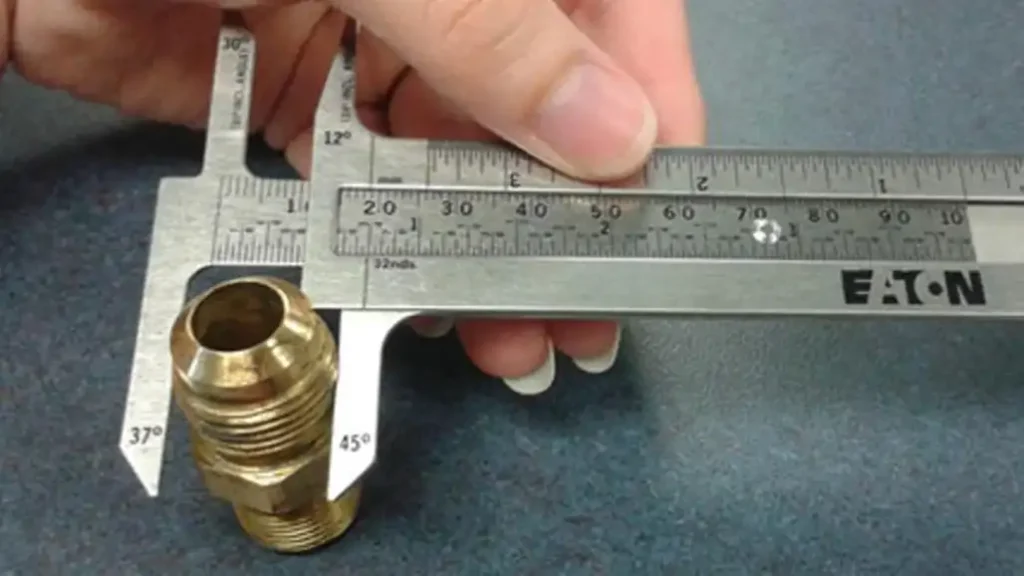
For flare fittings (like JIC and SAE), the angle of the flare is a critical dimension. While specialized tools exist for measuring flare angles, a protractor can be used for a close approximation. Common flare angles are 37 degrees (JIC) and 45 degrees (SAE). If you are unable to precisely measure the flare, referencing a fitting identification guide is best.
Common Mistakes to Avoid
Accurate measurement requires attention to detail. Here are some common pitfalls to watch out for:
- Misinterpreting Nominal Size: As mentioned earlier, the nominal size of pipe threads doesn't directly equate to the measured OD. Always consult a pipe size chart.
- Rounding Errors: Avoid excessive rounding of measurements. Use decimals (e.g., 0.675 inches) to maintain accuracy.
- Using the Wrong Tools: Using a ruler instead of a caliper for precise diameter measurements can lead to significant errors.
- Ignoring Thread Pitch: Failing to correctly identify the thread pitch can result in selecting the wrong fitting.
- Overlooking Damage: Damaged threads can affect measurements. Inspect the fitting for any damage before measuring.
Practical Applications in HVAC Systems
Understanding hose fitting sizes is essential in various HVAC applications:
- Refrigerant Line Repair: Replacing damaged refrigerant lines requires accurately matching the fitting sizes to ensure a leak-proof seal. Common fittings include flared and compression fittings.
- Condensate Drain Line Installation: Connecting condensate drain lines to the HVAC unit and drain requires properly sized fittings.
- Water Line Connections: In hydronic heating and cooling systems, correctly sized fittings are crucial for connecting water lines to boilers, chillers, and other components.
- Connecting Gauges and Testing Equipment: When performing diagnostic tests, connecting gauges and other equipment requires adapters and fittings that match the system's connections.
Consider a scenario where an HVAC technician is replacing a leaking refrigerant line in a residential air conditioning system. Improperly sized flare fittings can cause refrigerant leaks, leading to reduced cooling capacity and potential environmental damage. Accurately measuring the flare angle and thread size ensures a secure and leak-free connection.
Costs and Considerations
While measuring hose fittings doesn't involve direct monetary costs beyond the initial investment in tools, the consequences of inaccurate measurements can be significant. Selecting the wrong fitting can lead to:
- Leaks: Refrigerant leaks, water leaks, or air leaks can reduce system efficiency and potentially damage property.
- System Downtime: Incorrect fittings can cause delays in installation or repair, resulting in system downtime and inconvenience.
- Increased Repair Costs: Leaks and other issues caused by incorrect fittings can lead to additional repairs and expenses.
Therefore, investing in quality measuring tools and taking the time to measure fittings accurately is a cost-effective approach in the long run. For larger facilities with multiple HVAC systems, maintaining a well-stocked inventory of common fittings and adapters can further reduce downtime and repair costs.
Conclusion
Mastering the art of measuring hose fitting sizes is a valuable skill for homeowners, HVAC technicians, and facility managers alike. By understanding the different types of fittings, utilizing the right tools, and following a systematic measurement process, you can ensure accurate and reliable connections, optimize system performance, and avoid costly mistakes. Remember that proper fitting selection is not just about size; material compatibility (e.g., brass, stainless steel) is also critical for long-term reliability and to prevent corrosion. Accurate measurements translate to efficient HVAC systems, comfortable environments, and peace of mind.