How To Measure Static Pressure In Hvac

Understanding static pressure is crucial for maintaining an efficient and comfortable HVAC system. Think of your HVAC system as a body; static pressure is like its blood pressure. High or low static pressure indicates that something isn't working correctly, potentially leading to wasted energy, reduced lifespan of equipment, and inconsistent temperatures.
This guide will walk you through the process of measuring static pressure in your HVAC system. We'll break down the concepts, tools, and steps involved, empowering you to diagnose potential problems and make informed decisions about your system's performance. However, remember that working with HVAC systems involves electricity and potentially hazardous conditions. If you're not comfortable working with these elements, it's always best to call a qualified HVAC professional.
What is Static Pressure?
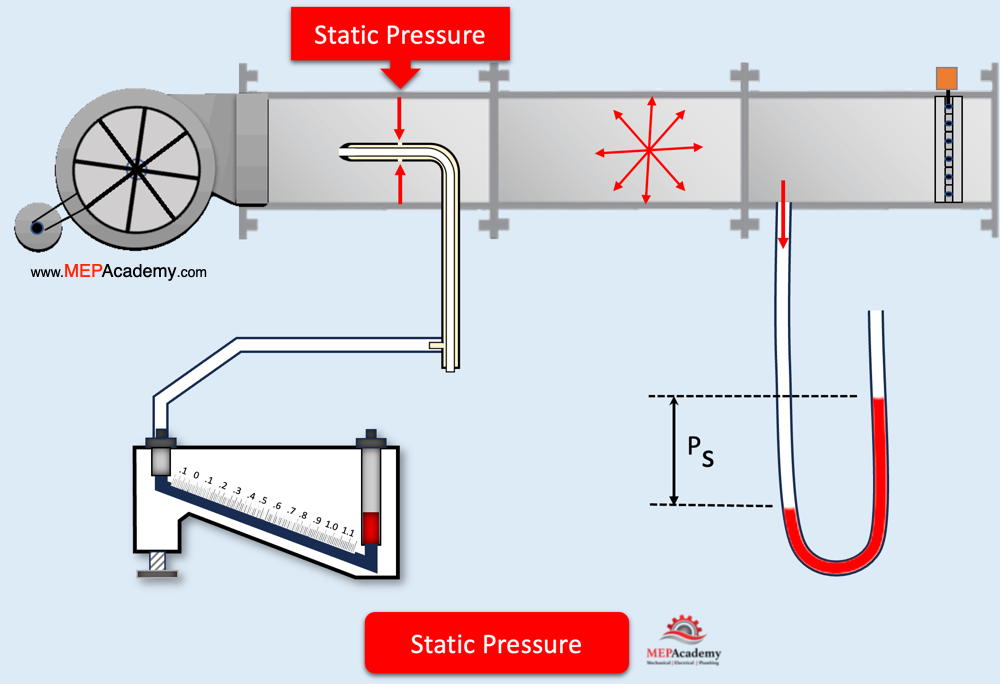
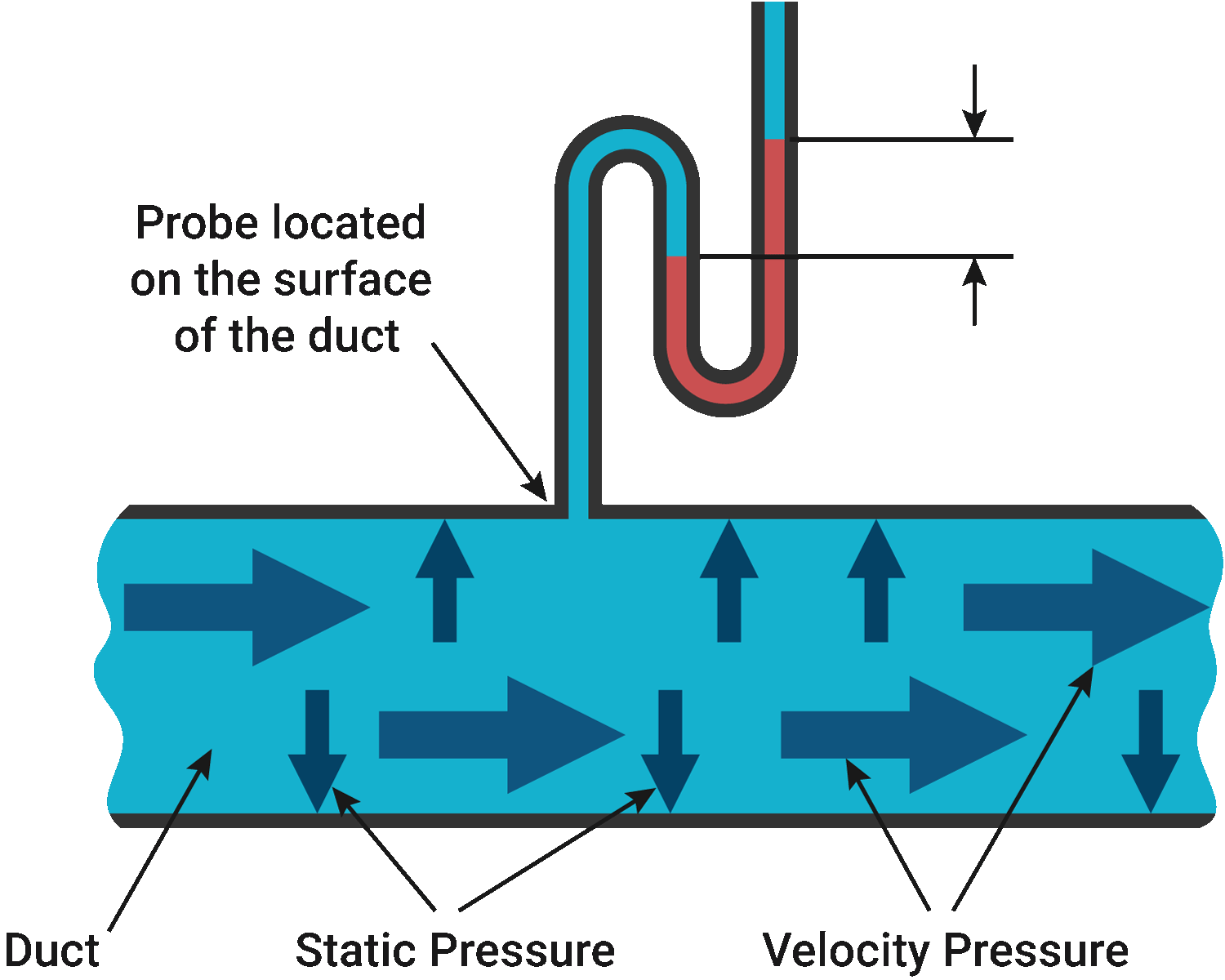
Static pressure is the potential energy of the air in your ductwork. It's the force that the air exerts against the walls of the ducts. Imagine inflating a balloon; the air inside exerts pressure against the rubber, keeping it inflated. Similarly, the air in your HVAC system exerts pressure against the ductwork. A healthy system maintains a specific static pressure range, ensuring proper airflow and efficient operation.
Think of airflow as a river. Static pressure is the force of the water pushing against the riverbanks. If the river narrows (a constricted duct), the pressure against the banks increases. If the river widens (a large, unrestricted duct), the pressure decreases.
Why is Measuring Static Pressure Important?
Measuring static pressure provides valuable insights into your HVAC system's overall health. Here's why it's essential:
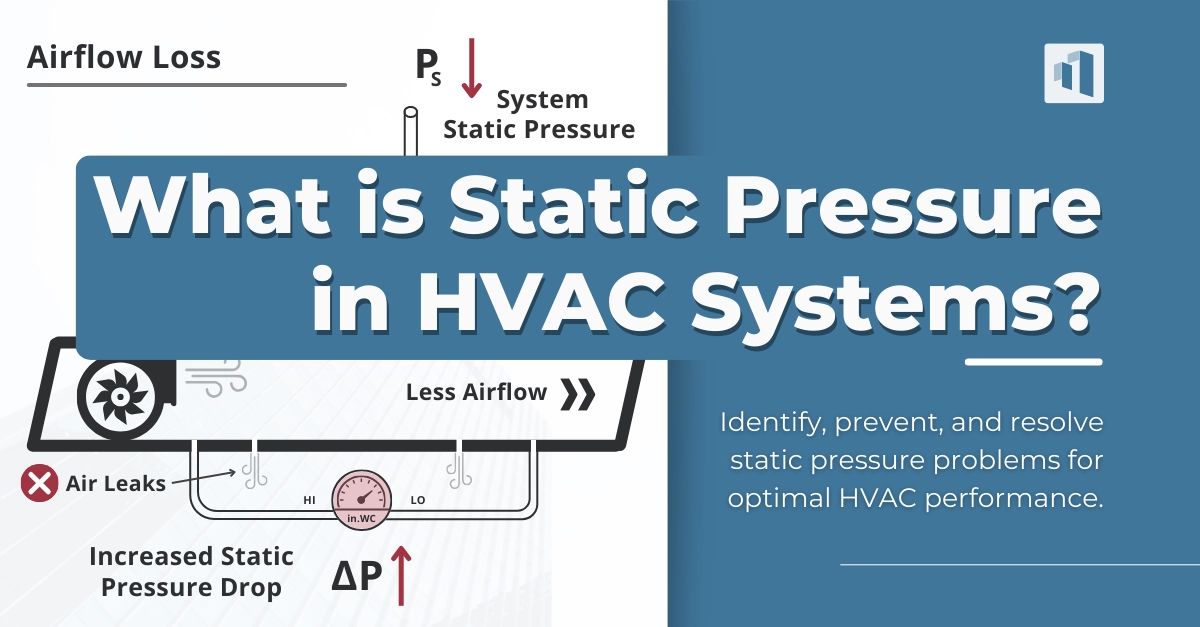
- Diagnosing Airflow Problems: High static pressure often indicates a restriction in the ductwork, such as a clogged air filter, closed vents, or undersized ducts. Low static pressure might suggest leaks or oversized ducts.
- Optimizing System Performance: By identifying and addressing static pressure issues, you can improve airflow, ensuring that your system operates at peak efficiency.
- Extending Equipment Lifespan: Excessive static pressure puts strain on the blower motor, potentially leading to premature failure. Maintaining proper static pressure can extend the lifespan of your equipment.
- Improving Comfort: Correct airflow ensures consistent temperatures throughout your home, improving overall comfort.
- Identifying Potential Problems Early: Monitoring static pressure can help you detect problems before they become major repairs.
Tools and Materials Needed
To measure static pressure, you'll need the following tools and materials:
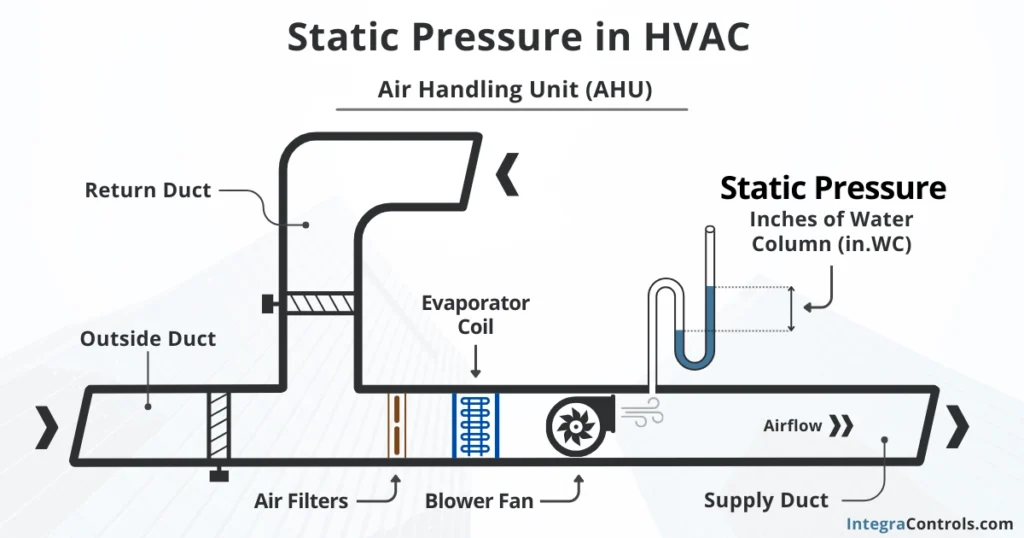
- Manometer: A manometer is a device that measures pressure differences. There are two main types:
- Digital Manometer: A digital manometer provides a digital readout of the pressure, making it easy to read and accurate. It is generally preferred for its precision.
- Analog Manometer (Water Column): An analog manometer uses a column of water to indicate the pressure difference. While less expensive, it requires careful reading and is more susceptible to errors.
- Static Pressure Tip (Probe): A static pressure tip, also known as a static pressure probe, is a small tube with a closed end and holes along the sides. This tip measures the static pressure without being affected by the velocity of the air.
- Drill and Drill Bits: You'll need a drill and drill bits to create small holes in the ductwork for inserting the static pressure tip. Use a drill bit size slightly larger than the diameter of the static pressure tip.
- Duct Tape or Foil Tape: Duct tape or foil tape is used to seal the holes in the ductwork after taking measurements. Use foil tape for better sealing.
- Marker or Pen: A marker or pen is used to label the holes you drill in the ductwork.
- Safety Glasses: Always wear safety glasses to protect your eyes from debris while drilling.
- Ladder (if necessary): If the ductwork is located in a difficult-to-reach area, you'll need a ladder.
Step-by-Step Guide to Measuring Static Pressure
Here's a step-by-step guide to measuring static pressure in your HVAC system:
- Prepare Your Tools: Gather all the necessary tools and materials. Ensure your manometer is calibrated and has fresh batteries (if applicable).
- Identify Measurement Locations: The typical locations for measuring static pressure are:
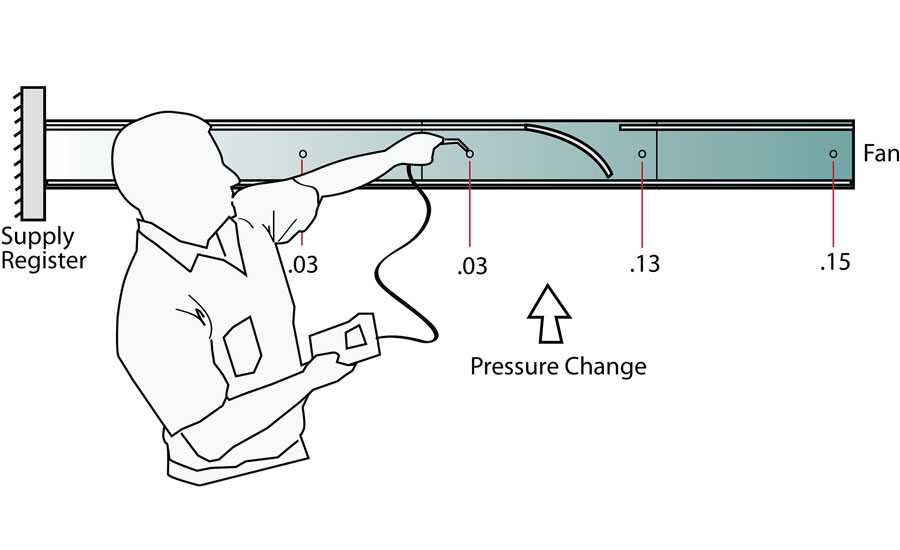
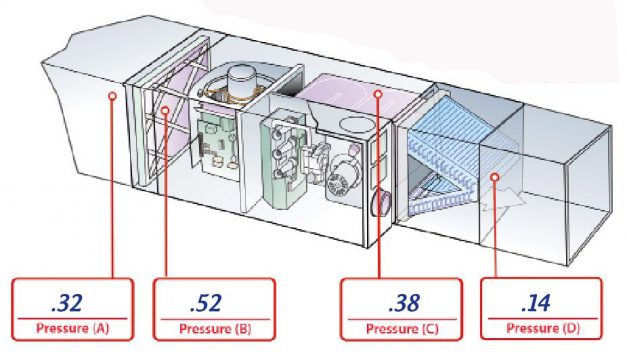
- Supply Duct: As close to the air handler (blower) as possible after the heating/cooling coil and before any branches or takeoffs. This measures the total static pressure the blower is pushing against.
- Return Duct: As close to the air handler as possible before the air filter and the blower. This measures the resistance the blower is pulling against.
Important: Refer to your HVAC system's manufacturer specifications for recommended measurement locations. Some systems may require different locations.
- Drill Pilot Holes: Using your drill and drill bit, carefully drill a small hole in the ductwork at each measurement location. Make sure the hole is just large enough to accommodate the static pressure tip. Drill perpendicular to the duct surface.
- Insert Static Pressure Tip: Insert the static pressure tip into the drilled hole, ensuring that the tip is facing into the airflow and is positioned in the center of the duct. The tip should be inserted so that only the perforated section is inside the duct.
- Connect Manometer: Connect the manometer tubing to the static pressure tip. Most manometers have two ports: one for positive pressure (+) and one for negative pressure (-).
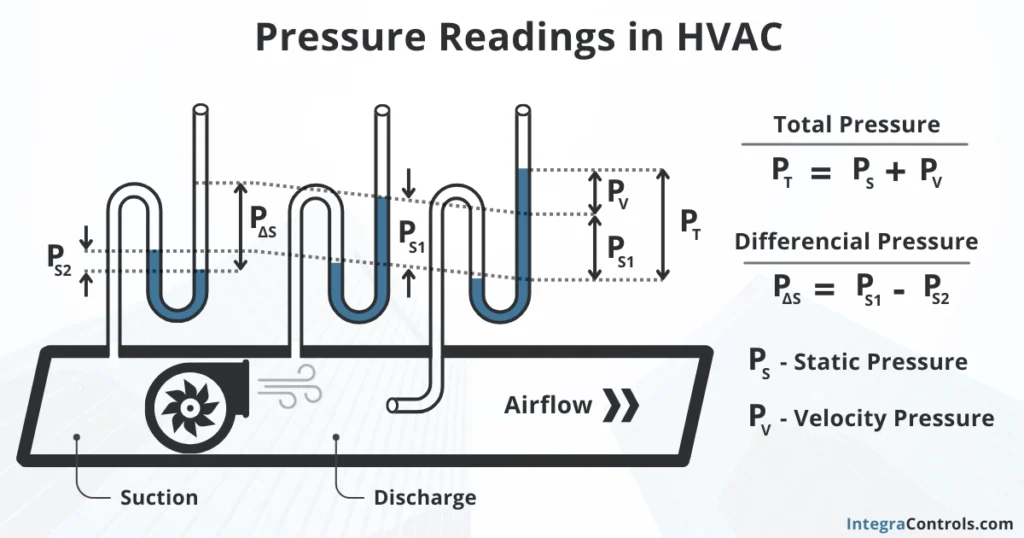
- Total External Static Pressure (TESP): If measuring total static pressure, connect the positive port (+) to the supply duct static pressure tip and the negative port (-) to the return duct static pressure tip.
- Supply or Return Static Pressure: When measuring either Supply or Return Static Pressure against ambient pressure, connect the Positive side of the Manometer to the probe. Leave the negative side open to the atmosphere.
- Turn on the HVAC System: Turn on your HVAC system and allow it to run for several minutes to stabilize the airflow. Make sure the thermostat is set to either cooling or heating, depending on the season.
- Record the Measurement: Observe the manometer reading and record the static pressure. Digital manometers will display the reading directly. Analog manometers require careful reading of the water column. Units are typically in inches of water column (in. w.c.).
- Take Multiple Readings: Take several readings over a few minutes and average them to get a more accurate measurement.
- Turn off the HVAC System: Once you've completed your measurements, turn off the HVAC system.
- Seal the Holes: Carefully remove the static pressure tip and seal the holes in the ductwork with duct tape or foil tape. Ensure the tape is applied securely to prevent air leaks.
Interpreting Your Static Pressure Readings
Once you've measured the static pressure, you need to interpret the readings to understand your system's performance. Here are some general guidelines:
- Check Manufacturer Specifications: The most accurate way to interpret your readings is to compare them to the manufacturer's specifications for your HVAC system. This information is usually found in the system's manual or on a sticker on the unit. This is the golden rule!
- Typical Static Pressure Ranges: In general, most residential HVAC systems operate within a total external static pressure range of 0.5 to 0.8 inches of water column (in. w.c.). However, this range can vary depending on the system type and design.
- High Static Pressure: A static pressure reading above the recommended range often indicates a restriction in the airflow. Common causes include:
- Dirty Air Filter: This is the most common cause of high static pressure. Regularly replace your air filter to maintain proper airflow.
- Closed or Blocked Vents: Ensure that all vents are open and unobstructed.
- Undersized Ductwork: Ductwork that is too small for the system's airflow requirements can cause high static pressure.
- Collapsed or Damaged Ductwork: Inspect your ductwork for any signs of collapse or damage.
- Dirty Evaporator Coil or Condenser Coil: A dirty coil restricts airflow.
- Low Static Pressure: A static pressure reading below the recommended range may indicate:
- Oversized Ductwork: Ductwork that is too large for the system's airflow requirements can result in low static pressure.
- Leaky Ductwork: Air leaks in the ductwork reduce the overall pressure in the system.
- Blower Motor Issues: A malfunctioning blower motor may not be producing enough airflow.
Troubleshooting Based on Static Pressure Readings
Based on your static pressure readings, here's how to troubleshoot potential issues:
- High Static Pressure Troubleshooting:
- Replace Air Filter: Start by replacing the air filter with a clean one. This is the simplest and most common solution.
- Check Vents: Ensure that all vents are open and unobstructed.
- Inspect Ductwork: Look for any signs of collapsed or damaged ductwork. Repair or replace any damaged sections.
- Clean Coils: If the evaporator or condenser coils are dirty, clean them with a coil cleaner.
- Call a Professional: If you've checked these items and the static pressure is still high, consult with a qualified HVAC professional. Undersized ductwork requires a professional to assess the system and recommend solutions.
- Low Static Pressure Troubleshooting:
- Inspect Ductwork for Leaks: Seal any air leaks in the ductwork with duct tape or foil tape.
- Check Blower Motor: Ensure the blower motor is functioning properly. Listen for any unusual noises. If the motor is faulty, it may need to be replaced.
- Call a Professional: If you've checked these items and the static pressure is still low, consult with a qualified HVAC professional. Oversized ductwork and blower motor issues often require professional diagnosis and repair.
Conclusion
Measuring static pressure is a valuable tool for understanding and maintaining the health of your HVAC system. By following the steps outlined in this guide, you can diagnose potential airflow problems, optimize system performance, and extend the lifespan of your equipment.
Remember, safety is paramount. If you're not comfortable working with electricity or HVAC systems, it's always best to call a qualified HVAC professional. A professional can accurately diagnose and resolve any static pressure issues, ensuring that your system operates safely and efficiently.
Regularly monitoring static pressure, along with routine maintenance such as changing air filters, can help you keep your HVAC system running smoothly and efficiently for years to come.