How To Measure Temperature In Room
Have you ever felt like your home's thermostat is lying to you? One room is sweltering while another feels like an icebox, despite the thermostat being set to a comfortable temperature. This is a common problem many homeowners face, and it can lead to discomfort, increased energy bills, and a general sense of frustration. Accurately measuring the temperature in each room is the first step to solving this issue. This article will guide you through diagnosing temperature discrepancies and offer simple DIY fixes. However, we'll also point out when it's time to call in the professionals.
Identifying the Temperature Discrepancy
Before jumping to conclusions, let's confirm that there's actually a problem. Don't rely solely on your thermostat's reading. Here's how to get a more accurate picture:
Step 1: Gather Your Tools
You'll need the following:
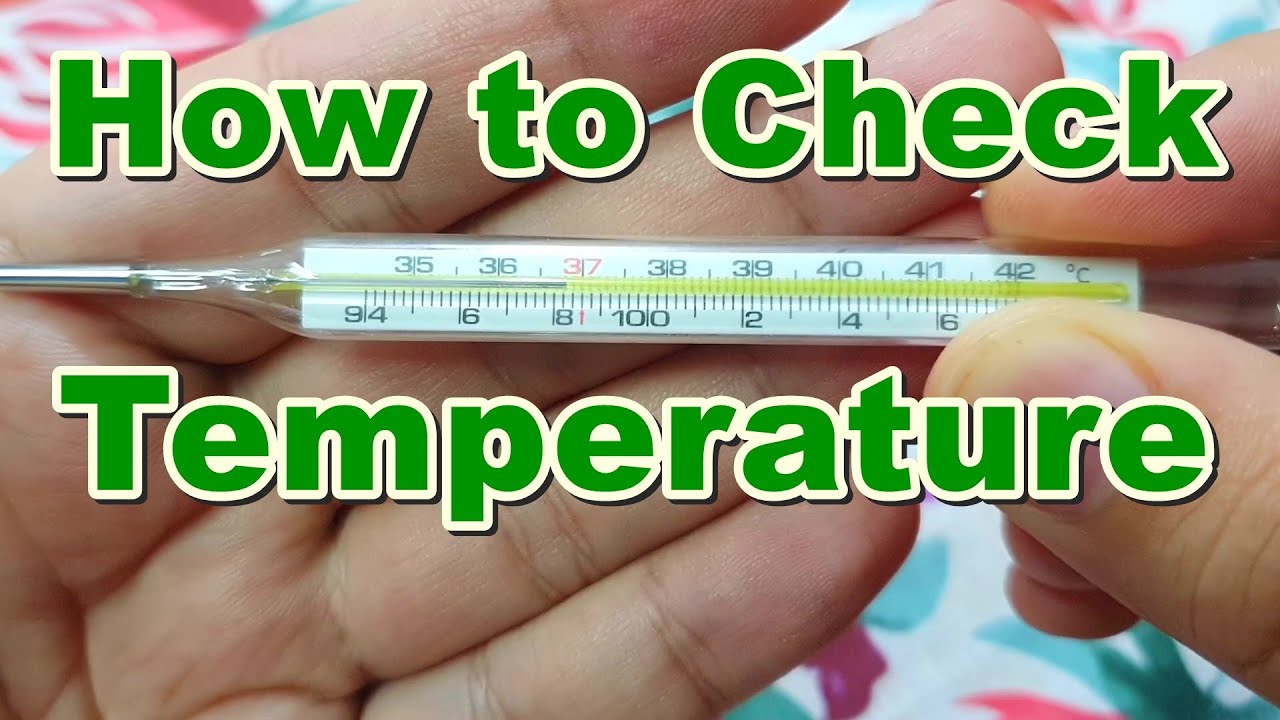
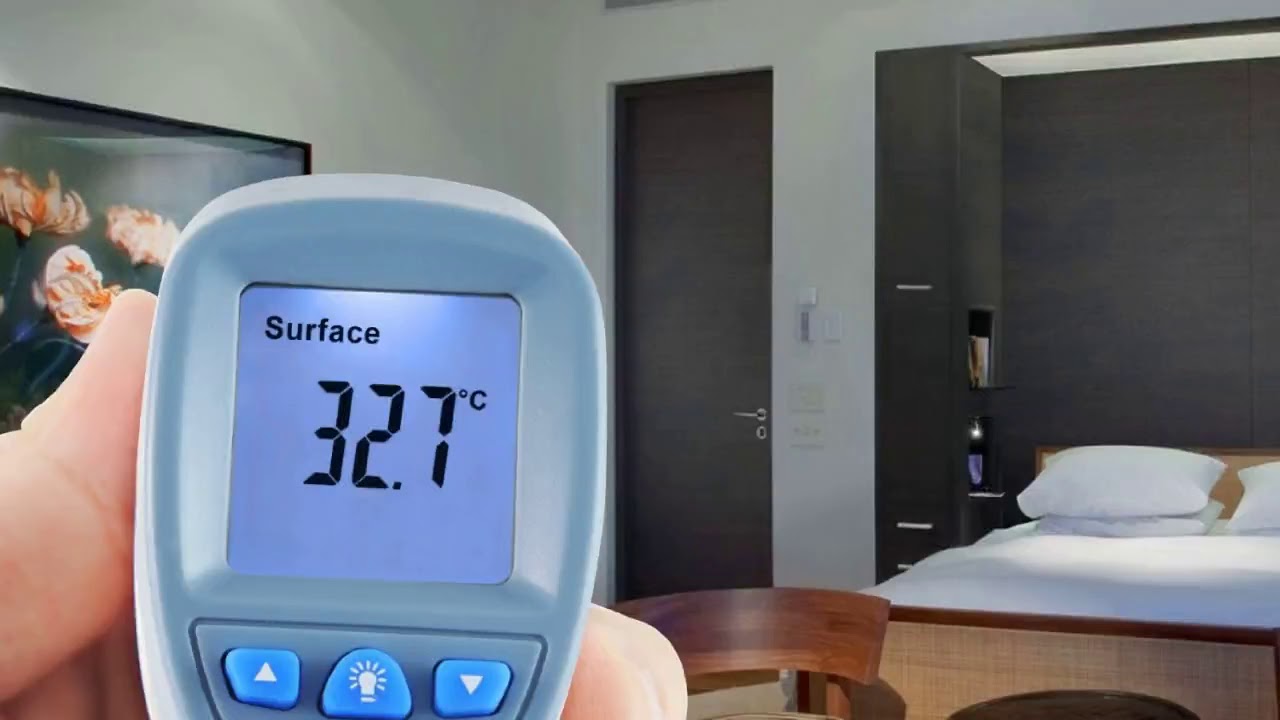
- A reliable digital thermometer. Avoid using older mercury thermometers as they can be inaccurate and hazardous if broken.
- A notebook and pen (or a notes app on your phone).
- A floor plan of your home (optional, but helpful).
Step 2: Choose Measurement Locations
Select several locations in each room where you want to measure the temperature. Aim for:
- The center of the room: This provides a general baseline.
- Near windows and doors: These areas are often affected by drafts or sunlight.
- Near exterior walls: These walls are more exposed to outside temperatures.
- Near the floor and ceiling: Heat rises, so there can be a significant difference in temperature between these two locations.
Step 3: Take Your Measurements
Now, let's get some readings. Follow these guidelines:
- Place the thermometer in your chosen location and wait for a few minutes (usually 3-5 minutes) for the reading to stabilize.
- Record the temperature for each location in your notebook. Be sure to note the date and time of the measurement.
- Repeat the process for all rooms you want to assess.
Step 4: Analyze Your Data
Once you've collected your data, it's time to analyze it. Look for:
- Significant temperature differences between rooms (more than 3-5 degrees Fahrenheit).
- Temperature variations within the same room, especially between the floor and ceiling.
- Areas that are consistently colder or warmer than the thermostat setting.
Example: You might find that the bedroom over the garage is consistently 5 degrees colder than the living room, and that the area near the window in the bedroom is even colder.
DIY Fixes for Common Temperature Problems
After pinpointing the problem areas, try these simple DIY fixes:
1. Drafts: The Silent Energy Thief
Drafts are a major culprit behind uneven temperatures. They let cold air in during the winter and hot air in during the summer. Here's how to tackle them:
Diagnosis:
- The "hand test": Simply hold your hand near windows, doors, electrical outlets, and any other openings in the walls. Can you feel a draft?
- The candle test: Carefully hold a lit candle (or a stick of incense) near these areas. If the flame flickers or the smoke moves erratically, you've found a draft. Be extremely careful not to set anything on fire!
Fixes:
- Weatherstripping: Replace worn or damaged weatherstripping around doors and windows. This is an inexpensive and effective way to seal gaps.
- Caulking: Seal cracks and gaps around window frames, door frames, and where pipes or wires enter the house.
- Door sweeps: Install door sweeps at the bottom of exterior doors to prevent drafts from entering under the door.
- Outlet and switch plate insulators: These foam insulators fit behind outlet and switch plates to seal air leaks.
- Curtains and drapes: Heavy curtains or drapes can help insulate windows and block drafts.
2. Insulation Issues
Poor insulation can cause significant temperature fluctuations throughout your home. Check these areas:
Diagnosis:
- Attic inspection: Check the depth and condition of the insulation in your attic. Ideally, you should have at least 10-12 inches of insulation. Look for signs of moisture damage or settling. Use caution when entering your attic. Watch out for tripping hazards and low-hanging beams.
- Wall inspection: It's harder to inspect wall insulation without specialized equipment, but you can sometimes get a clue by feeling the exterior walls on a cold day. Are they noticeably colder than interior walls?
Fixes:
- Add attic insulation: This is often the most cost-effective way to improve your home's insulation. You can add fiberglass batts or loose-fill insulation yourself, but be sure to follow safety precautions.
- Seal air leaks in the attic: Before adding insulation, seal any air leaks in the attic, such as around pipes, wires, and recessed lighting fixtures.
3. Sunlight and Shading
The amount of sunlight entering a room can significantly impact its temperature.
Diagnosis:
- Observe sunlight patterns: Notice which rooms get direct sunlight during different times of the day. Rooms with south-facing windows will typically get the most sunlight.
Fixes:
- Window coverings: Use blinds, shades, or curtains to block sunlight during the hottest parts of the day.
- Plant trees or shrubs: Plant trees or shrubs on the south and west sides of your home to provide shade during the summer.
- Window film: Apply reflective window film to reduce heat gain from sunlight.
4. Airflow Obstructions
Blocked vents can prevent proper airflow and create temperature imbalances.
Diagnosis:
- Check vents: Make sure that all supply and return vents are open and unobstructed. Ensure furniture, rugs, or drapes are not blocking them.
Fixes:
- Unblock vents: Move any obstructions away from vents.
- Clean vents: Remove dust and debris from vents to improve airflow.
When to Call a Professional
While many temperature problems can be resolved with simple DIY fixes, some issues require professional intervention. It's time to call in the experts when:
- You suspect major insulation problems: If you suspect that your walls or ceilings lack sufficient insulation, a professional can conduct a thermal imaging inspection to identify problem areas.
- Your HVAC system is malfunctioning: If your heating or cooling system is not working properly, it can cause uneven temperatures throughout your home. Do not attempt to repair your HVAC system yourself unless you are a qualified technician.
- You have concerns about asbestos or other hazardous materials: If you suspect that your home contains asbestos or other hazardous materials, contact a qualified professional to assess and remediate the situation. Never attempt to remove asbestos yourself.
- You are uncomfortable or unsure about performing DIY repairs: Safety is always the top priority. If you are not comfortable performing a DIY repair, it's best to call a professional.
- After trying DIY fixes, the problem persists: If you've tried the DIY fixes outlined above and the temperature discrepancies remain, it's likely that there's a more complex underlying issue that requires professional diagnosis and repair.
Specific scenarios that warrant professional attention:
- Significant ductwork issues: Leaky or damaged ductwork can cause significant heat loss or gain. Professionals can seal or repair ductwork to improve efficiency and temperature balance.
- HVAC system sizing problems: An improperly sized HVAC system may not be able to adequately heat or cool your home. A professional can assess your home's heating and cooling needs and recommend the appropriate system size.
- Uneven heating or cooling in a multi-story home: Balancing the temperature in a multi-story home can be challenging. Professionals can use zoning systems or other techniques to improve temperature control on each floor.
- Older homes with unique construction: Older homes may have unique construction features that make them difficult to insulate or heat and cool efficiently. Professionals experienced in working with older homes can provide tailored solutions.
Conclusion
By following these steps, you can accurately measure the temperature in each room of your home, identify problem areas, and implement simple DIY fixes. Remember to prioritize safety and call a professional when necessary. With a little effort, you can create a more comfortable and energy-efficient home.
Taking the time to assess your home's temperature and addressing any issues will not only improve your comfort but also potentially save you money on energy bills. Don't be intimidated; start with the simple steps, and don't hesitate to seek professional help when needed. A comfortable and evenly heated/cooled home is within reach!