How To Measure The Humidity In A Room

Understanding the humidity levels in a room is crucial for maintaining comfort, preventing mold growth, and ensuring the efficient operation of your HVAC system. Whether you're a homeowner, HVAC technician, or facility manager, accurate humidity measurement is the first step towards achieving a healthy and comfortable indoor environment. This article provides a comprehensive guide to measuring humidity in a room, covering various methods, tools, and best practices.
Why Measure Humidity?
Before diving into the methods, let's quickly review why humidity measurement is essential:
- Comfort: High humidity makes the air feel hotter, while low humidity can lead to dry skin and irritated sinuses. Maintaining optimal humidity levels (typically between 30-60%) is key for comfort.
- Health: Excessive humidity promotes mold and mildew growth, triggering allergies and respiratory problems. Low humidity can exacerbate asthma and other respiratory conditions.
- Building Integrity: High humidity can damage building materials, leading to wood rot, corrosion, and structural issues.
- HVAC Efficiency: Air conditioners work harder (and less efficiently) when humidity is high. Dehumidifiers consume energy, and it's crucial to know if they are really needed.
Tools for Measuring Humidity
Several tools are available for measuring humidity, each with its own advantages and disadvantages:
Hygrometers
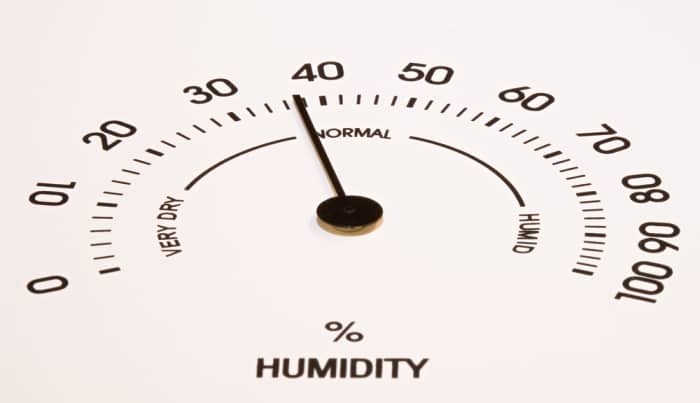
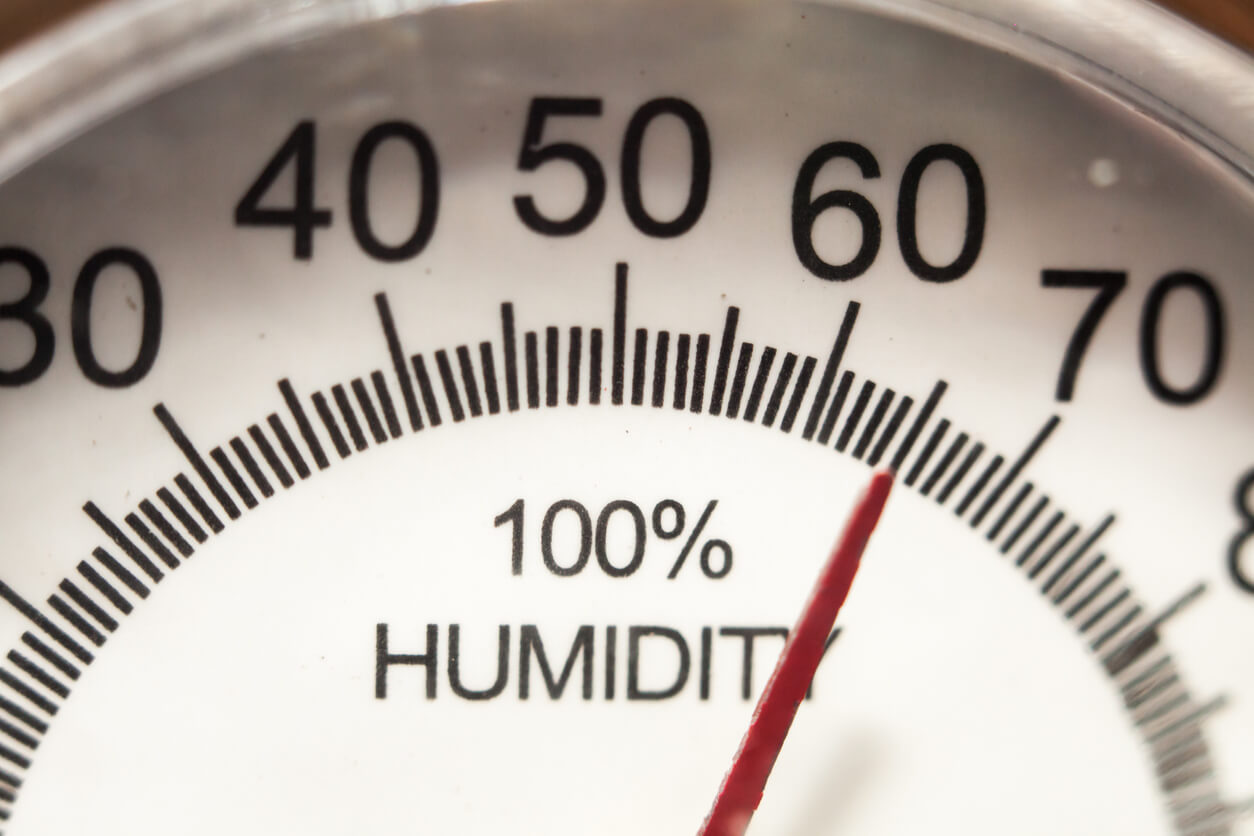
A hygrometer is an instrument used to measure the amount of water vapor in the air, or the humidity. These are the most common and versatile tools for humidity measurement. There are several types:
- Digital Hygrometers: These are user-friendly and provide a direct reading of the relative humidity (RH) and often the temperature. They are relatively inexpensive and readily available. Look for models with accuracy ratings that meet your needs. For general home use, an accuracy of +/- 5% RH is often sufficient. Some advanced digital hygrometers can also measure dew point and wet-bulb temperature.
- Analog Hygrometers (Psychrometers): These older-style devices use two thermometers – one dry-bulb and one wet-bulb. The wet-bulb thermometer has a wick that is moistened with water. As water evaporates from the wick, it cools the wet-bulb thermometer. The difference in temperature between the two thermometers is used to calculate the relative humidity using a psychrometric chart or formula. These are less convenient than digital hygrometers but can be quite accurate when used correctly. They require more manual calculation.
- Hair Hygrometers: These use human or animal hair, which expands and contracts in response to changes in humidity. The movement of the hair is linked to a pointer that indicates the relative humidity on a scale. These are generally less accurate than digital or psychrometric hygrometers.
Humidity Sensors
Humidity sensors are often integrated into smart thermostats and HVAC control systems. These sensors provide continuous humidity monitoring and can automatically adjust the HVAC system to maintain optimal humidity levels. Many smart thermostats display humidity levels and offer historical data tracking. These can be valuable for identifying trends and making informed decisions about your HVAC settings.
Weather Stations
Weather stations typically include humidity sensors along with other meteorological sensors (temperature, pressure, wind speed, etc.). These are useful for monitoring both indoor and outdoor humidity levels, providing a comprehensive view of your environment.
How to Measure Humidity with a Hygrometer
Regardless of the type of hygrometer you use, follow these steps for accurate humidity measurement:
- Placement: Place the hygrometer in the center of the room, away from direct sunlight, drafts, and heat sources. Avoid placing it near exterior walls, windows, or vents, as these areas may not accurately reflect the overall humidity level of the room. Ideally, position the hygrometer at a height of about 5 feet (1.5 meters) from the floor.
- Acclimation Time: Allow the hygrometer to acclimate to the room for at least 15-30 minutes before taking a reading. This ensures that the sensor has reached equilibrium with the surrounding air.
- Taking a Reading: For digital hygrometers, simply read the relative humidity (RH) value displayed on the screen. For psychrometers, follow the manufacturer's instructions for wetting the wick and calculating the RH.
- Multiple Readings: Take multiple readings at different times of the day and in different locations in the room to get a more accurate representation of the overall humidity level.
- Calibration: Periodically calibrate your hygrometer to ensure accuracy. Many digital hygrometers have a built-in calibration function. For analog hygrometers, you can use a salt test to verify accuracy.
Troubleshooting Humidity Problems
If your humidity measurements indicate a problem, here's how to troubleshoot common issues:
High Humidity
If the humidity level is consistently above 60%, consider the following:
- Ventilation: Improve ventilation by opening windows or using exhaust fans in bathrooms and kitchens.
- Leaks: Check for water leaks in the roof, walls, and plumbing.
- Dehumidifier: Use a dehumidifier to remove excess moisture from the air. The size of the dehumidifier depends on the size of the room. A small dehumidifier might be sufficient for a bathroom, but a larger unit is needed for a basement. Look for Energy Star rated models for better energy efficiency.
- Air Conditioner: Ensure your air conditioner is properly sized for the space. An oversized AC unit may cool the air too quickly without removing enough moisture. Check the SEER (Seasonal Energy Efficiency Ratio) rating of your AC unit. Higher SEER ratings indicate better energy efficiency.
Low Humidity
If the humidity level is consistently below 30%, consider the following:
- Humidifier: Use a humidifier to add moisture to the air. There are several types of humidifiers, including evaporative, ultrasonic, and steam humidifiers. Choose a model that is appropriate for the size of the room.
- Air Leaks: Seal air leaks around windows and doors to prevent dry air from entering the room.
- Plant Life: Add houseplants to the room. Plants release moisture into the air through transpiration.
Humidity and HVAC Systems
Humidity plays a significant role in the performance and efficiency of HVAC systems:
Air Conditioners
Air conditioners not only cool the air but also remove moisture. However, if the air conditioner is not properly sized or maintained, it may not remove enough moisture, leading to high humidity levels. Regular maintenance, including cleaning the coils and replacing the air filter, is essential for optimal performance. Furthermore, consider variable-speed AC units. These units can run at lower speeds for longer periods, which is more effective at removing humidity than quickly cycling on and off.
Furnaces
Furnaces can dry out the air, especially during the winter months. This can lead to low humidity levels, causing dry skin and irritated sinuses. Consider using a whole-house humidifier in conjunction with your furnace to maintain optimal humidity levels. Look for furnaces with AFUE (Annual Fuel Utilization Efficiency) ratings of 90% or higher for better energy efficiency.
Heat Pumps
Heat pumps can both heat and cool the air, making them a versatile option for maintaining indoor comfort. However, heat pumps may not be as effective at removing humidity as air conditioners, especially in humid climates. Consider using a supplemental dehumidifier in conjunction with your heat pump. Pay attention to the HSPF (Heating Seasonal Performance Factor) and SEER ratings when selecting a heat pump. Higher ratings indicate better energy efficiency.
Cost Considerations
The cost of measuring and controlling humidity can vary depending on the tools and systems you choose:
- Hygrometers: Digital hygrometers range in price from $10 to $50, while professional-grade models can cost several hundred dollars.
- Dehumidifiers: Portable dehumidifiers range in price from $100 to $500, while whole-house dehumidifiers can cost $1,000 to $3,000 (including installation).
- Humidifiers: Portable humidifiers range in price from $30 to $200, while whole-house humidifiers can cost $500 to $1,500 (including installation).
- HVAC Systems: The cost of a new HVAC system can range from $3,000 to $10,000 or more, depending on the size and complexity of the system. Factor in the long-term energy savings when evaluating the cost of a more efficient system.
Conclusion
Measuring humidity is a critical step towards creating a comfortable and healthy indoor environment. By understanding the different tools and methods available, you can accurately assess the humidity levels in your home or building and take appropriate action to maintain optimal conditions. Whether you're a homeowner, HVAC technician, or facility manager, prioritizing humidity control will not only improve comfort but also protect your health and property.