How To Measure Water Column Inches
Understanding & Measuring Water Column Inches: A Homeowner's Guide to HVAC Efficiency
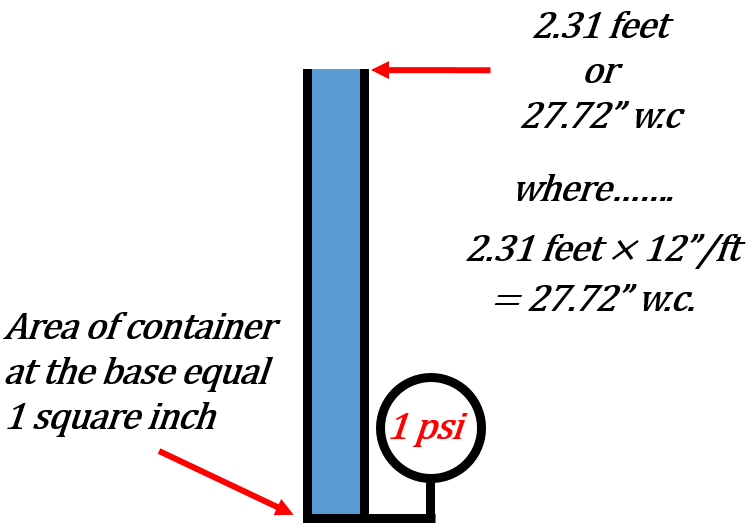
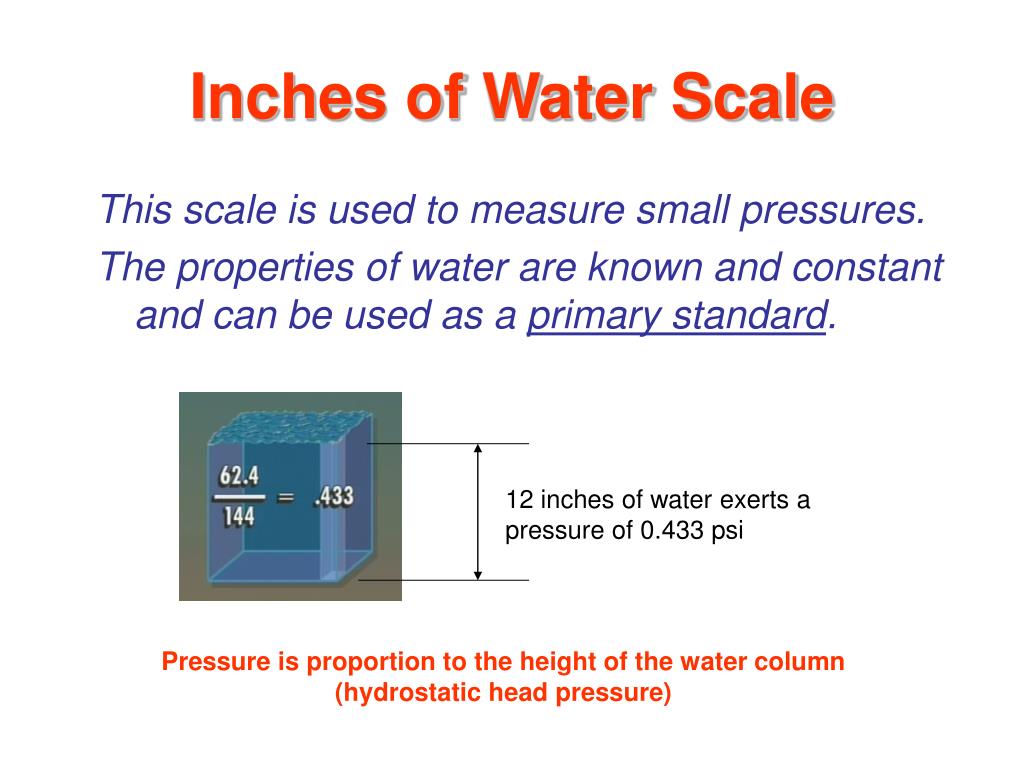
Optimizing your home or business's HVAC system is a cornerstone of energy efficiency. One crucial measurement that often goes unnoticed is water column inches (WC or in. w.c.). This metric indicates the pressure within your ductwork and helps diagnose various HVAC performance issues. Accurately measuring and understanding water column inches can lead to significant energy savings, improved comfort, and a longer lifespan for your HVAC equipment. This article provides a comprehensive guide to measuring water column inches, catering to homeowners, business owners, smart home enthusiasts, and HVAC professionals.
Why Water Column Inches Matter for Energy Efficiency
Water column inches directly correlate with the efficiency of your HVAC system. Here’s why:
- Airflow Resistance: Higher-than-normal WC readings often indicate excessive resistance to airflow within your ductwork. This could stem from dirty filters, obstructed vents, collapsed ducts, or improperly sized components. Restricted airflow forces your blower motor to work harder, consuming more energy and potentially leading to premature failure.
- Static Pressure Issues: An imbalance in static pressure – the pressure exerted by the air within your ducts – can significantly diminish heating and cooling performance. Correctly measuring WC helps pinpoint the sources of static pressure issues, allowing for targeted solutions.
- System Imbalances: Water column readings can reveal imbalances in airflow distribution. Some rooms might be over-conditioned, while others suffer from insufficient heating or cooling. Addressing these imbalances optimizes comfort and reduces energy waste.
According to the Energy Star program, optimizing airflow can reduce HVAC energy consumption by up to 30%. By accurately measuring and addressing issues identified through WC readings, you can unlock substantial energy savings and lower your utility bills.
Tools You'll Need to Measure Water Column Inches
The primary tool for measuring water column inches is a manometer. Two main types exist:
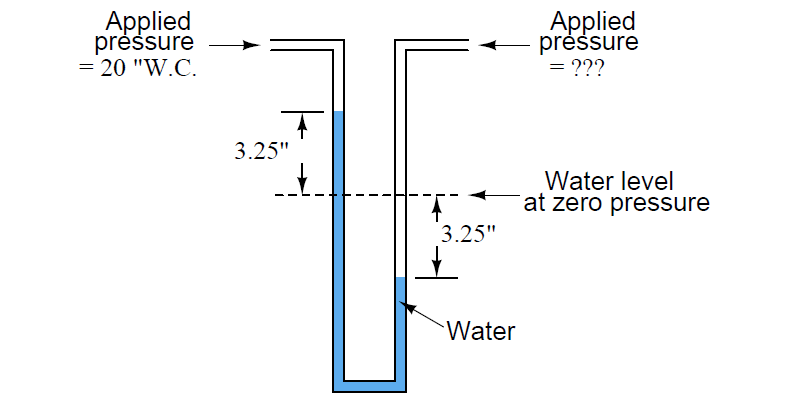
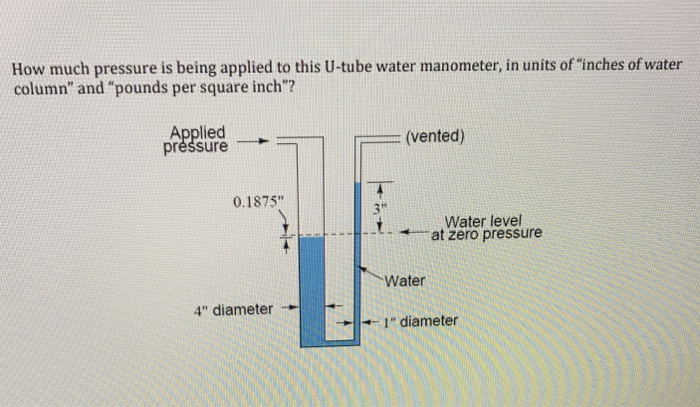
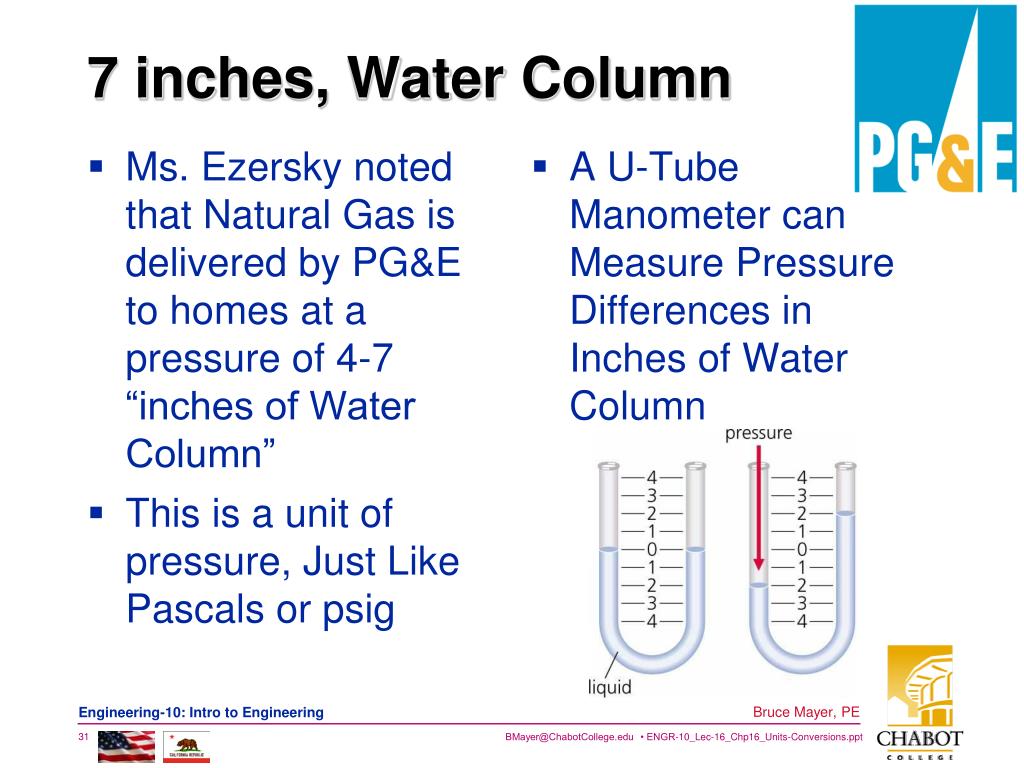
- U-Tube Manometer: This traditional device consists of a U-shaped tube filled with water or a specialized fluid. The pressure difference between the two ends of the tube causes the fluid to rise or fall, and the difference in height is measured in inches of water column. While accurate, they can be cumbersome to use.
- Digital Manometer: A digital manometer offers greater convenience and precision. These devices use electronic sensors to measure pressure and display the readings digitally. They often come with features like data logging and multiple measurement units. They are generally more expensive, but worth the investment for frequent use.
Besides a manometer, you'll also need:
- Static Pressure Tip: This is a specialized probe designed to measure static pressure within a duct. It features a small hole perpendicular to the airflow, minimizing the impact of air velocity on the reading.
- Drill and Drill Bit: You'll need a drill and drill bit to create small access holes in your ductwork for inserting the static pressure tip. Choose a bit size appropriate for the diameter of the tip.
- Duct Tape: Use high-quality duct tape to seal the access holes after taking your measurements. This prevents air leaks and maintains the integrity of your ductwork. Foil tape is a more permanent and superior option.
- Pen and Paper (or a Digital Note-Taking Device): Record your measurements at each test point for analysis and comparison.
Step-by-Step Guide to Measuring Water Column Inches
Follow these steps to accurately measure water column inches in your HVAC system:
- Safety First: Turn off your HVAC system at the thermostat or breaker before starting any measurements. This prevents injury and ensures accurate readings.
- Identify Measurement Points: Select strategic locations within your ductwork to measure static pressure. Common locations include:
- Supply Plenum: The main duct that distributes conditioned air from the air handler.
- Return Plenum: The main duct that returns air to the air handler.
- Before and After the Air Filter: This allows you to assess the pressure drop across the filter.
- At Branch Ducts: Measuring at individual branch ducts can reveal imbalances in airflow distribution.
- Drill Access Holes: Using your drill and drill bit, carefully drill a small hole in the ductwork at each measurement point. Ensure the hole is large enough to accommodate the static pressure tip.
- Insert the Static Pressure Tip: Insert the static pressure tip into the access hole, ensuring the tip is facing perpendicular to the airflow.
- Connect the Manometer: Connect the manometer tubing to the static pressure tip. Digital manometers often have specific ports for positive and negative pressure readings. Consult the manufacturer's instructions for proper connection.
- Turn on the HVAC System: Turn your HVAC system back on and allow it to run for a few minutes to stabilize the pressure readings.
- Record the Measurements: Read the pressure displayed on the manometer and record the value in inches of water column. Note the location of each measurement.
- Seal the Access Holes: After taking all measurements, remove the static pressure tip and seal the access holes tightly with duct tape. Ensure a complete seal to prevent air leaks.
Interpreting Your Water Column Measurements
Once you've collected your measurements, it's time to interpret the data. Here are some general guidelines:
- Total External Static Pressure (TESP): This is the sum of the supply and return static pressure (absolute values). Most residential HVAC systems are designed to operate within a TESP range of 0.5 to 0.8 inches of water column. Exceeding this range can indicate airflow restrictions.
- Filter Pressure Drop: The pressure drop across the air filter should be minimal. A significant pressure drop indicates a dirty filter that needs to be replaced. Many high-efficiency filters can add additional pressure, so always check the manufacturer's specifications.
- High Supply Static Pressure: Could indicate undersized ductwork, blocked vents, or a dirty blower wheel.
- High Return Static Pressure: Could indicate a blocked return grille, undersized return ductwork, or a closed-off return air path.
Consult with an HVAC professional for a detailed analysis of your measurements and recommendations for corrective actions. They can use specialized equipment and expertise to diagnose complex issues and ensure optimal system performance.
Troubleshooting Common Issues Based on Water Column Readings
Here's a table summarizing common issues and potential solutions based on water column readings:
| Symptom | Possible Cause | Solution |
|---|---|---|
| High TESP | Dirty air filter, undersized ductwork, blocked vents, collapsed ducts | Replace air filter, upgrade ductwork, unblock vents, repair/replace ducts |
| High filter pressure drop | Dirty air filter | Replace air filter regularly |
| Uneven airflow between rooms | Ductwork imbalances, closed dampers | Adjust dampers, re-design ductwork |
| System short cycling | Oversized HVAC equipment, restricted airflow | Correct equipment sizing, address airflow restrictions |
Integrating Water Column Measurements with Smart Home Technology
Smart home technology can further enhance your ability to monitor and optimize your HVAC system's performance. Consider the following:
- Smart Thermostats: Some smart thermostats provide diagnostic information, including airflow indicators. While not as precise as a manometer, they can offer a general indication of potential airflow issues.
- Smart Sensors: Wireless pressure sensors can be installed within your ductwork to continuously monitor static pressure. This data can be integrated with your smart home system to provide real-time alerts of any deviations from optimal levels.
- Data Logging and Analysis: By continuously monitoring static pressure and other HVAC performance metrics, you can identify trends and proactively address potential problems before they lead to significant energy waste or equipment failure.
By combining traditional measurement techniques with smart home technology, you can gain a comprehensive understanding of your HVAC system's performance and optimize it for maximum energy efficiency and comfort.
Rebates and Incentives for Energy-Efficient HVAC Upgrades
Many utility companies and government agencies offer rebates and incentives for upgrading to energy-efficient HVAC equipment. These programs can significantly offset the cost of new equipment and make energy-efficient upgrades more accessible.
Check the DSIRE (Database of State Incentives for Renewables & Efficiency) website for information on rebates and incentives available in your area. Look for programs that offer rebates for high-efficiency furnaces, air conditioners, and heat pumps. Additionally, some programs may offer incentives for ductwork upgrades and sealing.
The ROI of Measuring and Optimizing Water Column Inches
While measuring water column inches and addressing any identified issues may require an initial investment, the long-term ROI can be substantial. Here are some key benefits:
- Reduced Energy Bills: Optimizing airflow can significantly reduce your energy consumption, leading to lower monthly utility bills.
- Improved Comfort: Balanced airflow ensures consistent temperatures throughout your home, eliminating hot and cold spots.
- Extended Equipment Lifespan: Reducing stress on your HVAC equipment can extend its lifespan, saving you money on repairs and replacements.
- Increased Home Value: Energy-efficient homes are more attractive to buyers and can command a higher resale value.
By taking the time to measure and understand water column inches, you can proactively identify and address HVAC performance issues, unlocking significant energy savings and improving the overall comfort and value of your home or business.
Conclusion
Measuring water column inches is a critical step in optimizing your HVAC system for energy efficiency. By following the steps outlined in this guide, you can gain valuable insights into your system's performance and identify areas for improvement. Whether you're a homeowner, business owner, smart home enthusiast, or HVAC professional, understanding and utilizing water column measurements can lead to significant energy savings, improved comfort, and a longer lifespan for your HVAC equipment. Don't hesitate to consult with a qualified HVAC technician for professional assistance in interpreting your measurements and implementing corrective actions. Remember to explore available rebates and incentives to further maximize the ROI of your energy-efficient HVAC upgrades. By taking a proactive approach to HVAC optimization, you can create a more comfortable, sustainable, and cost-effective environment for yourself and your community.