How To Measure Wet Bulb Temperature
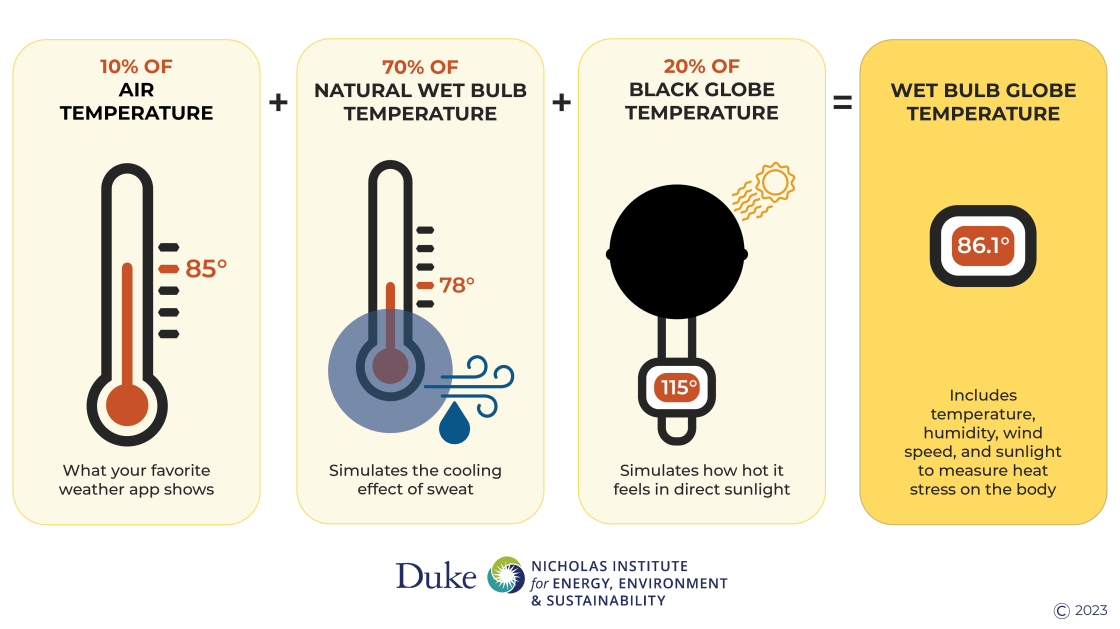
Understanding the conditions of the air around us is crucial in many fields, from meteorology and agriculture to HVAC (Heating, Ventilation, and Air Conditioning) and even sports. One key measurement is the wet bulb temperature. Unlike the regular air temperature (dry bulb temperature), the wet bulb temperature takes into account the effects of evaporation, giving a more complete picture of the air's cooling potential.
This guide will walk you through the process of measuring wet bulb temperature, explaining the underlying principles and providing practical advice for obtaining accurate readings.
What is Wet Bulb Temperature?
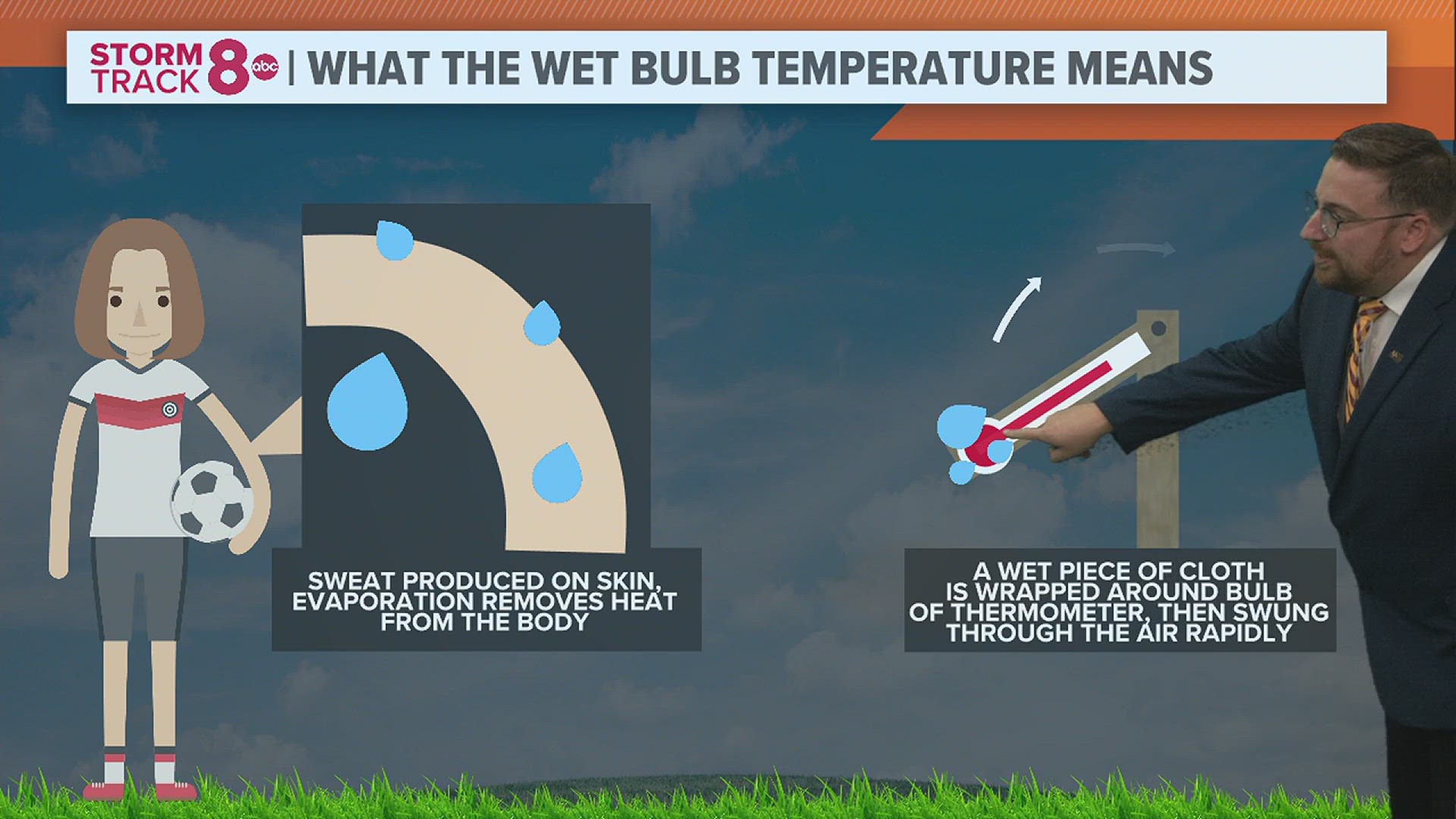
The wet bulb temperature is the temperature a parcel of air would have if it were cooled to saturation (100% relative humidity) by the evaporation of water into it, with the latent heat being supplied by the parcel. Simply put, it's the temperature you would feel if you were constantly sweating and the sweat was evaporating efficiently. Think of it as the 'feels like' temperature when you're hot and damp.
It’s always lower than the dry bulb temperature unless the air is already saturated (100% relative humidity), in which case the wet bulb and dry bulb temperatures are the same. The difference between the dry bulb and wet bulb temperatures depends on the humidity: the drier the air, the greater the difference. High humidity means less evaporation can occur, resulting in a wet bulb temperature closer to the dry bulb temperature.
Why is Wet Bulb Temperature Important?
Wet bulb temperature is a valuable metric for several reasons:
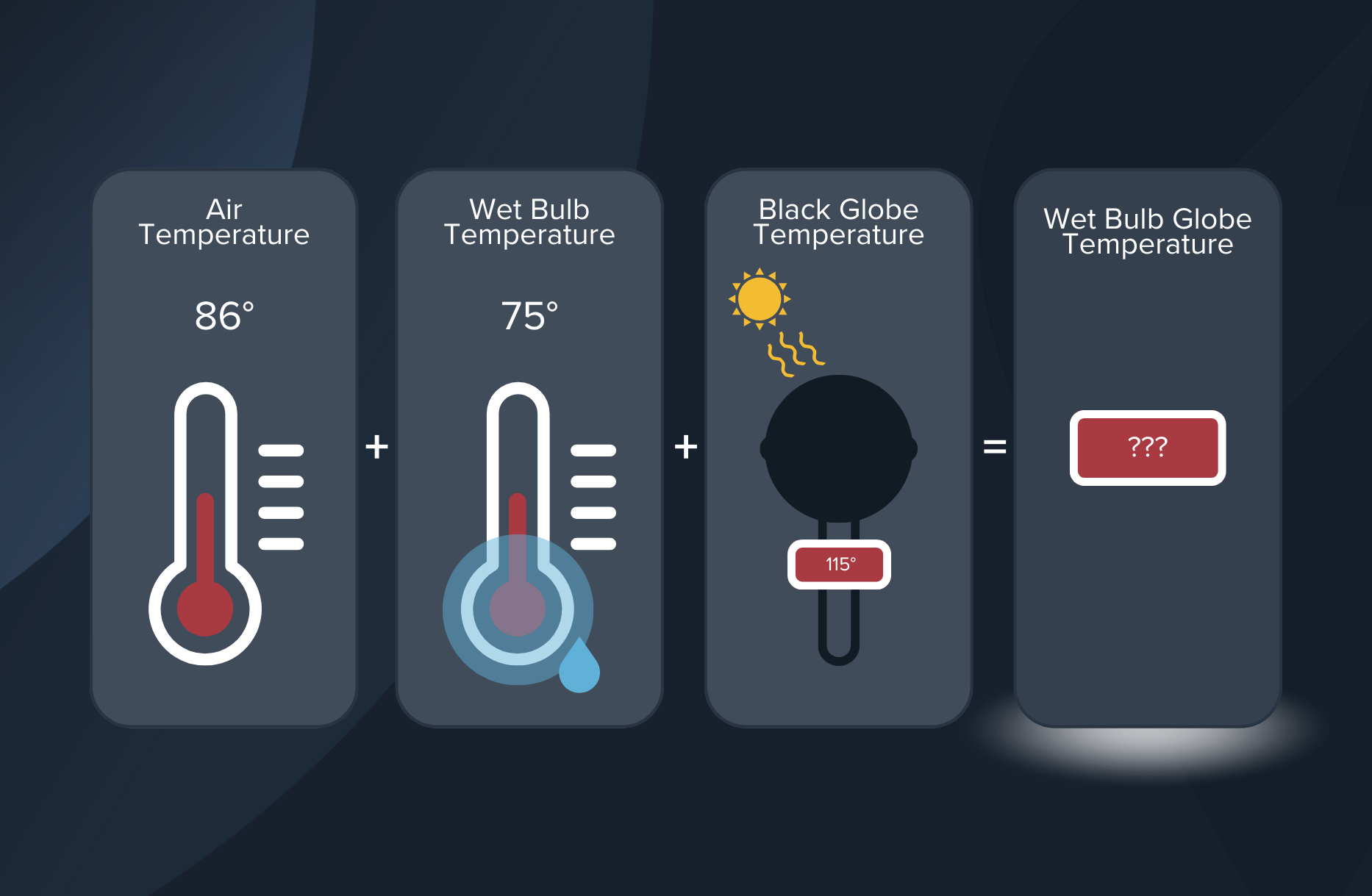
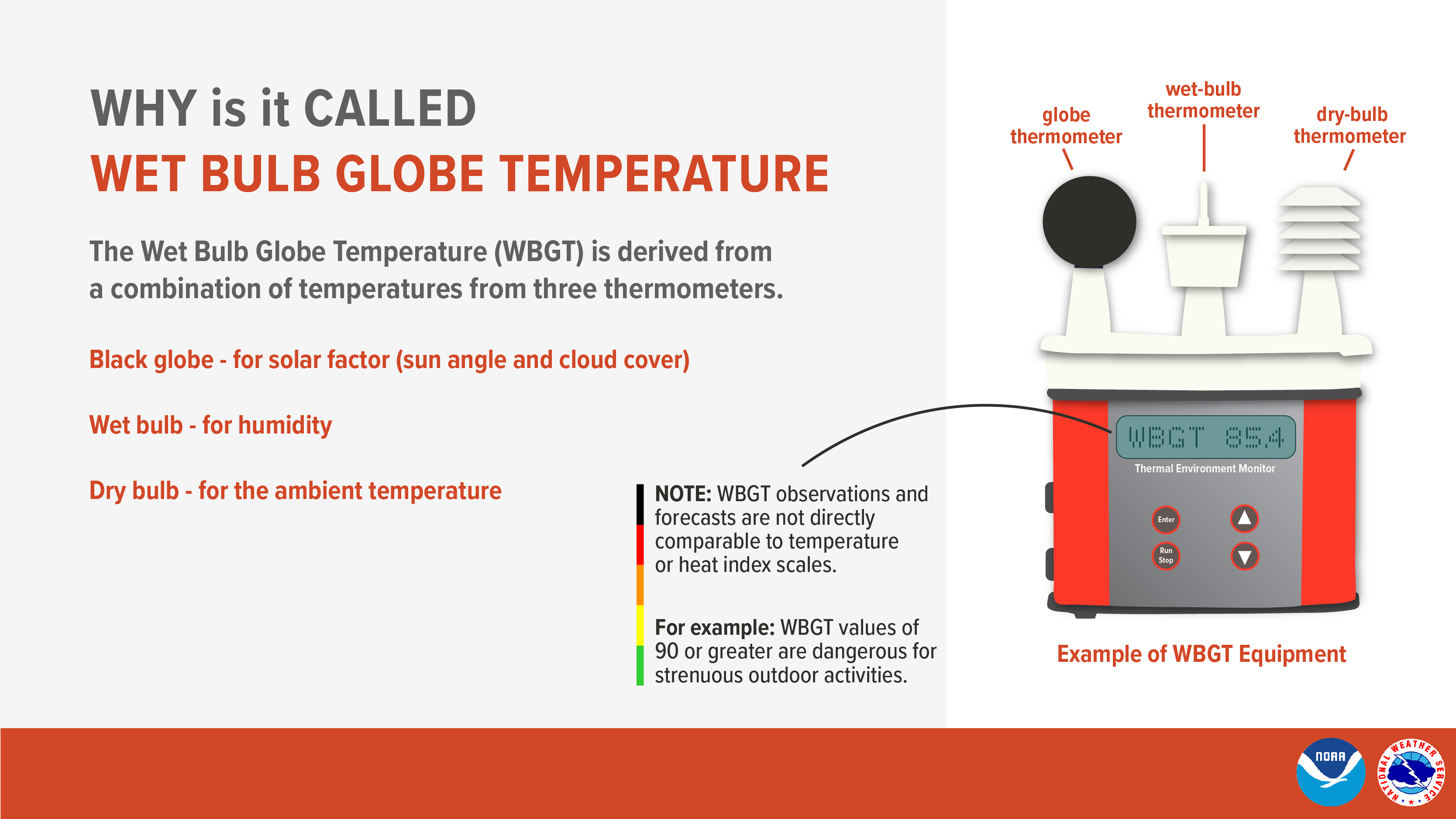
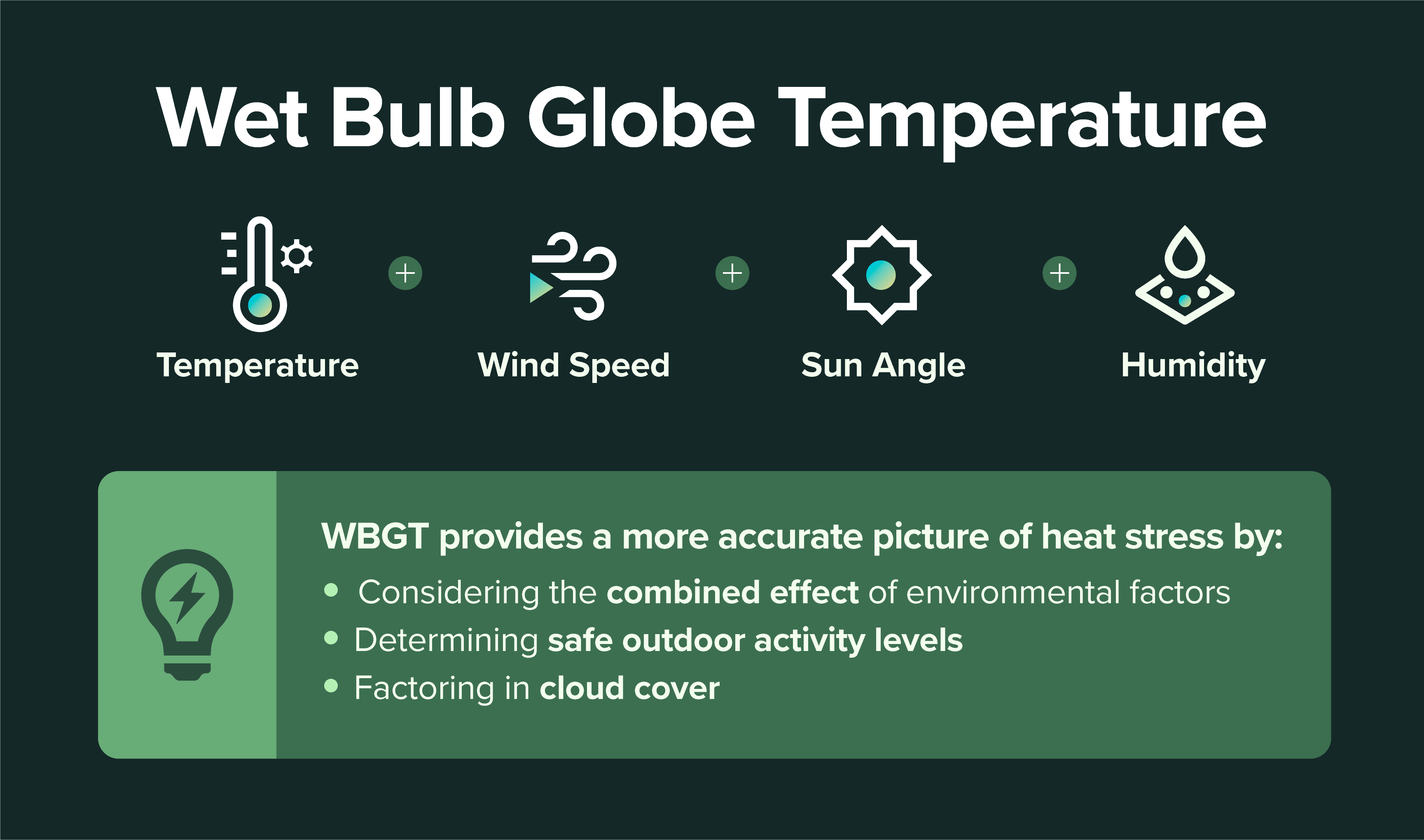
- Heat Stress Assessment: It's a critical factor in assessing heat stress, particularly in occupational health and safety. It helps determine safe working conditions in hot environments by considering both temperature and humidity. The higher the wet bulb temperature, the greater the risk of heat-related illnesses.
- HVAC System Design and Efficiency: HVAC engineers use wet bulb temperature to design and optimize cooling systems. It helps them estimate the cooling load required to dehumidify air. Knowing the wet bulb temperature allows for more efficient and cost-effective cooling solutions.
- Meteorology: Meteorologists use wet bulb temperature to predict the formation of fog and clouds, and to better understand atmospheric conditions.
- Agriculture: Farmers use wet bulb temperature to assess irrigation needs and to understand plant stress due to heat and humidity.
- Sports and Recreation: Coaches and athletes can use wet bulb temperature to monitor heat stress during training and competition, helping to prevent heatstroke and other heat-related problems.
Methods for Measuring Wet Bulb Temperature
There are two primary methods for measuring wet bulb temperature: using a sling psychrometer and using an electronic psychrometer.
1. Using a Sling Psychrometer
A sling psychrometer is a manual instrument consisting of two thermometers mounted side-by-side. One thermometer is a standard thermometer (dry bulb thermometer), while the other has a wetted wick covering its bulb (wet bulb thermometer). To take a reading, you wet the wick and then swing the psychrometer around for a specified period.
Materials Needed:
- Sling psychrometer
- Clean water (preferably distilled)
- Small container or bottle for water
- Psychrometric chart or calculator (optional, but helpful)
Step-by-Step Instructions:
- Prepare the Wet Bulb: Thoroughly soak the wick of the wet bulb thermometer with clean water. Make sure the wick is saturated but not dripping excessively. Use distilled water whenever possible to avoid mineral buildup on the wick.
- Position the Psychrometer: Stand in an open area away from direct sunlight and sources of heat or drafts. This is crucial for getting an accurate reading.
- Sling the Psychrometer: Hold the psychrometer by its handle and whirl it around at a consistent rate (usually 2-4 revolutions per second). Maintain this motion for about 1-2 minutes. The movement causes evaporation from the wick, cooling the wet bulb thermometer.
- Take the Readings: Quickly read both the dry bulb and wet bulb thermometers. It's important to take the readings immediately after stopping the whirling motion, as the wet bulb temperature will start to rise as the water evaporates more slowly.
- Repeat the Process: Repeat steps 3 and 4 several times, until the wet bulb temperature stabilizes (i.e., it doesn't decrease further with each measurement). This indicates that the maximum evaporative cooling has occurred.
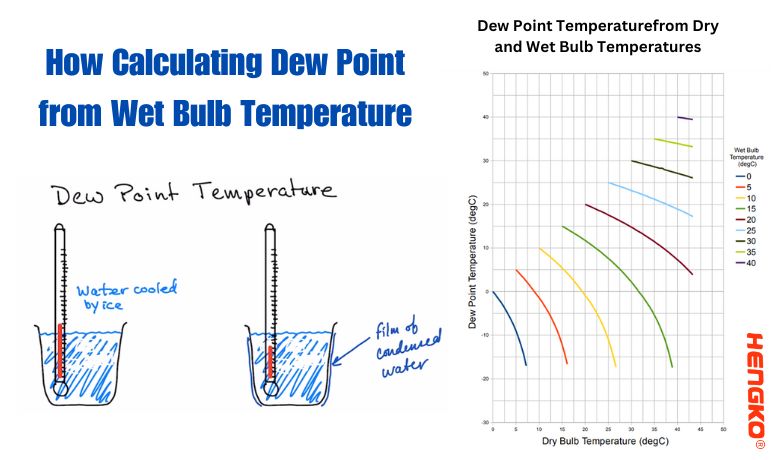
- Calculate the Wet Bulb Temperature: If you have a psychrometric chart, you can find the wet bulb temperature by locating the intersection of the dry bulb temperature and the humidity ratio lines (which are derived from the difference between the dry and wet bulb temperatures). Alternatively, you can use an online wet bulb temperature calculator.
Important Considerations When Using a Sling Psychrometer:
- Wick Condition: Keep the wick clean and replace it regularly. A dirty or contaminated wick will not allow for proper evaporation, leading to inaccurate readings.
- Water Quality: Use clean, distilled water to avoid mineral buildup on the wick.
- Airflow: Ensure adequate airflow around the psychrometer during whirling. Avoid taking measurements in confined spaces or near obstructions.
- Reading Speed: Read the thermometers quickly and accurately. The wet bulb temperature will start to rise as soon as the whirling stops.
- Practice: Practice using the sling psychrometer to become proficient at taking accurate readings.
2. Using an Electronic Psychrometer
Electronic psychrometers (also known as hygrometers) use electronic sensors to measure both temperature and humidity. Some models calculate the wet bulb temperature directly and display it on a digital screen. These devices are generally more convenient and easier to use than sling psychrometers.
Materials Needed:
- Electronic psychrometer
- Batteries (if required)
- Calibration standards (optional, for checking accuracy)
Step-by-Step Instructions:
- Power On: Turn on the electronic psychrometer and allow it to warm up for a few minutes, as recommended by the manufacturer.
- Position the Sensor: Place the sensor in the area where you want to measure the wet bulb temperature. Ensure that the sensor is exposed to the ambient air and is not obstructed by any objects.
- Take the Reading: Wait for the reading to stabilize. Most electronic psychrometers will display the dry bulb temperature, relative humidity, and wet bulb temperature simultaneously.
- Record the Reading: Record the wet bulb temperature reading.
- Calibration: Periodically calibrate the electronic psychrometer to ensure accuracy. Follow the manufacturer's instructions for calibration.
Important Considerations When Using an Electronic Psychrometer:
- Sensor Placement: Ensure that the sensor is placed in a representative location. Avoid placing the sensor near sources of heat or moisture that could affect the readings.
- Calibration: Calibrate the psychrometer regularly to maintain accuracy. Use appropriate calibration standards and follow the manufacturer's instructions.
- Battery Life: Monitor the battery level and replace batteries as needed. Low battery power can affect the accuracy of the readings.
- Environmental Conditions: Be aware of the operating temperature and humidity ranges of the psychrometer. Avoid using the device in extreme conditions that could damage the sensor or affect the readings.
Factors Affecting Wet Bulb Temperature Measurements
Several factors can influence the accuracy of wet bulb temperature measurements. It's important to be aware of these factors and take steps to minimize their impact.
- Airflow: Adequate airflow is essential for accurate measurements. Insufficient airflow will reduce the rate of evaporation, leading to an overestimation of the wet bulb temperature.
- Water Quality: Impurities in the water used to wet the wick can affect the rate of evaporation and lead to inaccurate readings. Use distilled water whenever possible.
- Wick Condition: A dirty or contaminated wick will not allow for proper evaporation. Keep the wick clean and replace it regularly.
- Sensor Calibration: Electronic psychrometers should be calibrated regularly to ensure accuracy. Follow the manufacturer's instructions for calibration.
- Direct Sunlight: Avoid taking measurements in direct sunlight, as the radiant heat can affect the temperature readings.
- Proximity to Heat Sources: Avoid taking measurements near heat sources, such as machinery or exhaust vents, as these can also affect the temperature readings.
- Altitude: Altitude can affect wet bulb temperature measurements, as the boiling point of water decreases with altitude.
Common Mistakes to Avoid
Here are some common mistakes to avoid when measuring wet bulb temperature:
- Using tap water instead of distilled water: Minerals in tap water can build up on the wick and affect evaporation.
- Not wetting the wick thoroughly: The wick needs to be fully saturated for accurate readings.
- Taking readings too quickly: Allow sufficient time for the wet bulb temperature to stabilize.
- Standing in direct sunlight: Radiant heat can affect the thermometer readings.
- Not calibrating electronic psychrometers: Calibration is essential for maintaining accuracy.
- Obstructing airflow around the sensor: Ensure that the sensor is exposed to the ambient air.
Conclusion
Measuring wet bulb temperature is a valuable skill with applications in various fields. Whether you're using a simple sling psychrometer or a sophisticated electronic device, understanding the principles behind wet bulb temperature and following the proper measurement techniques will help you obtain accurate and reliable results. By taking the time to understand and apply these best practices, you can ensure that your measurements are accurate and that you're making informed decisions based on the data you collect.
Remember to always prioritize safety when working in hot environments and to consult with qualified professionals for advice on heat stress management and HVAC system design.