How To Operate A Gas Fireplace
Understanding and Operating Your Gas Fireplace: A Comprehensive Guide
Gas fireplaces offer a convenient and aesthetically pleasing alternative to traditional wood-burning fireplaces. They provide warmth and ambiance with the flick of a switch, eliminating the need for chopping wood and cleaning up ashes. This guide provides a comprehensive overview of how to safely and effectively operate a gas fireplace, catering to homeowners, HVAC technicians, and property managers alike.
Types of Gas Fireplaces
Before delving into operation, it's crucial to understand the different types of gas fireplaces available. These variations impact both functionality and maintenance requirements.
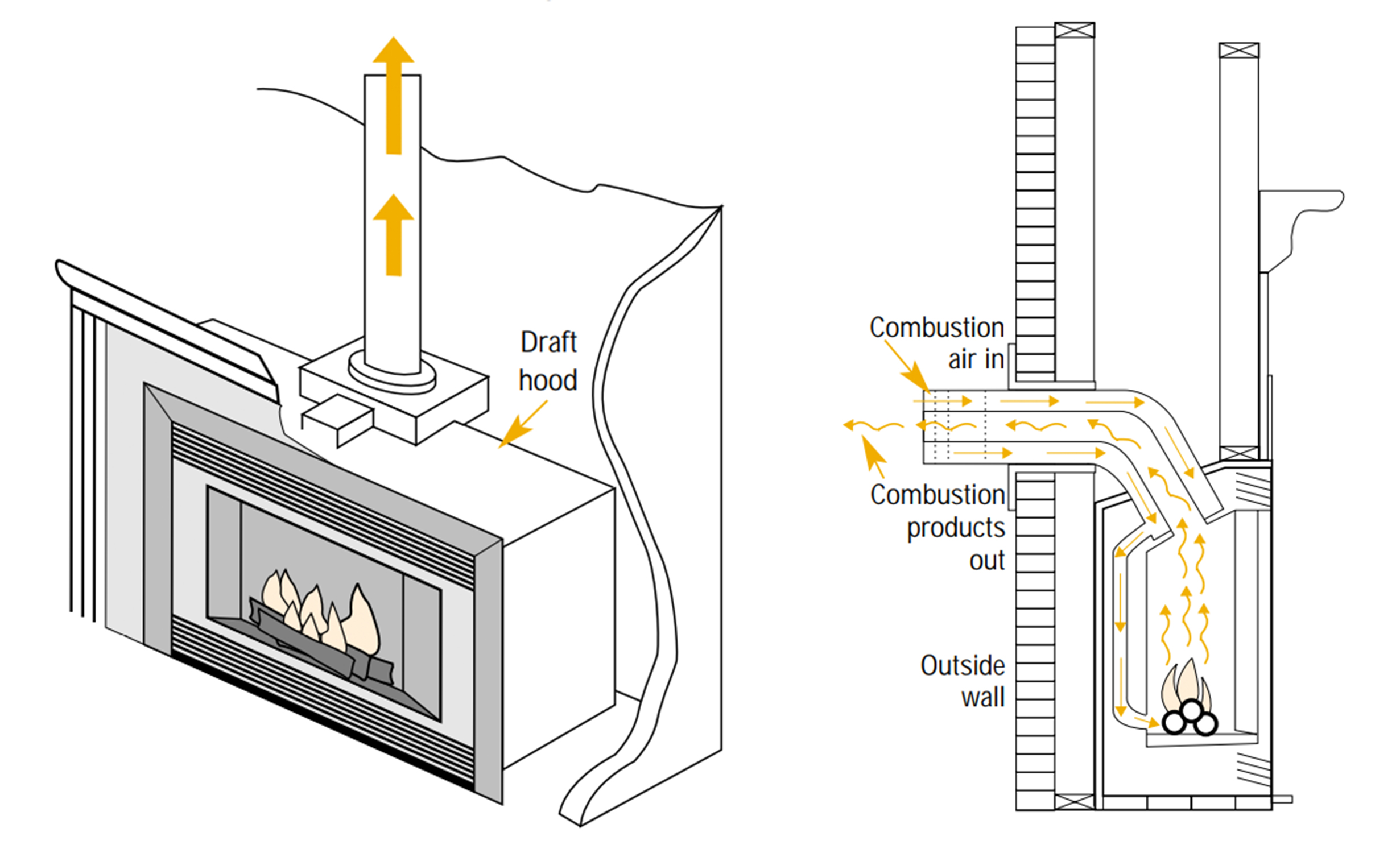
- Direct Vent Fireplaces: These are the most common and safest type. They draw combustion air from outside and vent exhaust gases directly outside through a sealed system. This prevents indoor air pollution and enhances efficiency.
- Vent-Free Fireplaces: Also known as ventless fireplaces, these units don't require a chimney or venting system. They burn very cleanly, but require a larger room with adequate ventilation to prevent the buildup of carbon monoxide. Many jurisdictions have restrictions or outright bans on vent-free fireplaces due to safety concerns. Always consult local building codes before installation.
- B-Vent Fireplaces: These fireplaces vent exhaust gases through a "B-vent" pipe, which requires a chimney or existing flue. They draw combustion air from inside the room, making them less efficient than direct vent models.
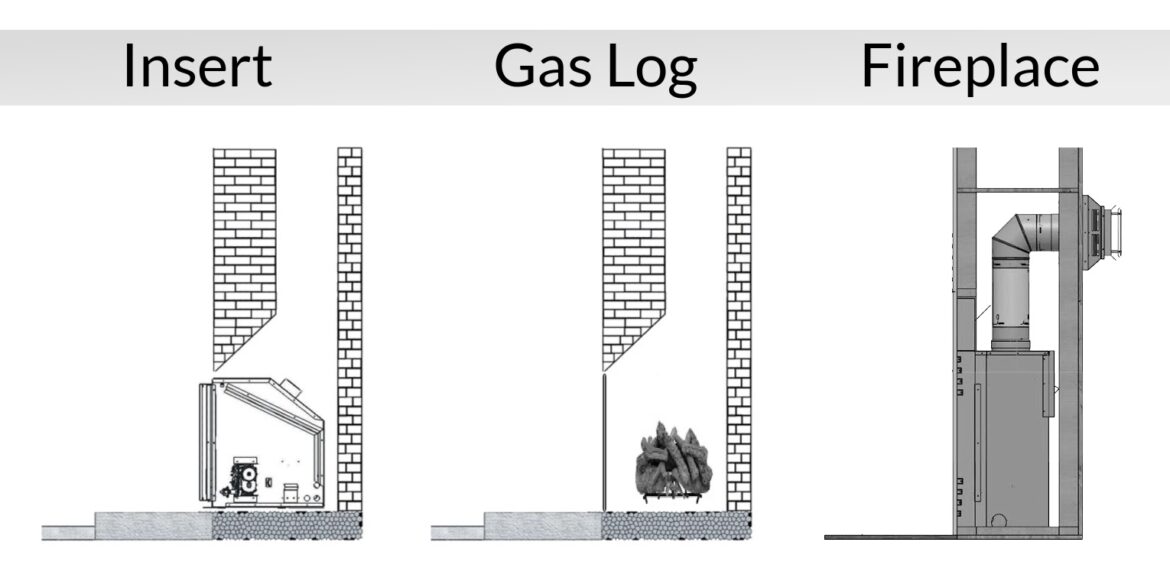
- Gas Inserts: These units are designed to fit into existing wood-burning fireplace openings, converting them into gas-fueled fireplaces. They can be direct vent, B-vent, or vent-free.
Pre-Operation Checklist: Safety First
Safety is paramount when operating any gas-fueled appliance. Before lighting your gas fireplace, follow these crucial steps:
- Carbon Monoxide Detectors: Ensure you have functioning carbon monoxide detectors installed near the fireplace and in sleeping areas. Test them regularly.
- Clearance: Keep flammable materials, such as curtains, furniture, and paper, at least three feet away from the fireplace opening.
- Inspect the Fireplace: Visually inspect the fireplace for any signs of damage, such as cracked glass, loose connections, or debris inside the firebox.
- Gas Line Inspection: If you smell gas, do not attempt to light the fireplace. Immediately turn off the gas supply at the shut-off valve (usually located near the fireplace or outside the house), evacuate the area, and call your local gas company or a qualified HVAC technician.
- Read the Manual: Familiarize yourself with the manufacturer's instructions for your specific model. Every fireplace is slightly different.
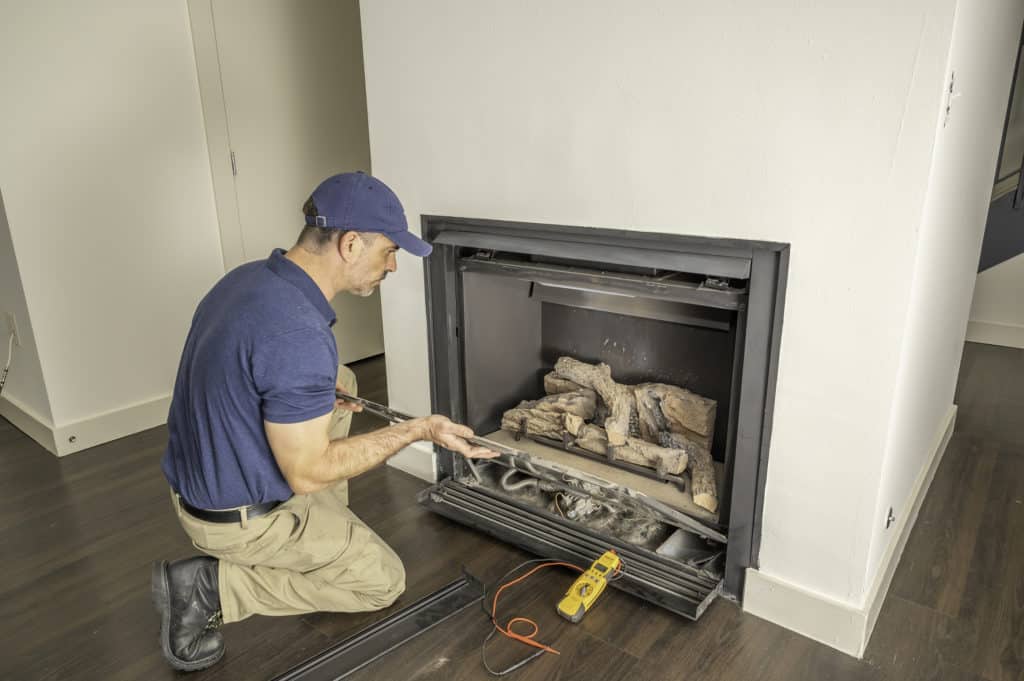
- Professional Inspection: Schedule an annual inspection by a qualified HVAC technician. They can check for leaks, proper venting, and ensure all components are functioning correctly. This is especially crucial for vent-free models.
Operating Procedures: Step-by-Step Guide
The specific operating procedure varies depending on the type of ignition system your gas fireplace uses. Here are the most common types:
Standing Pilot Ignition
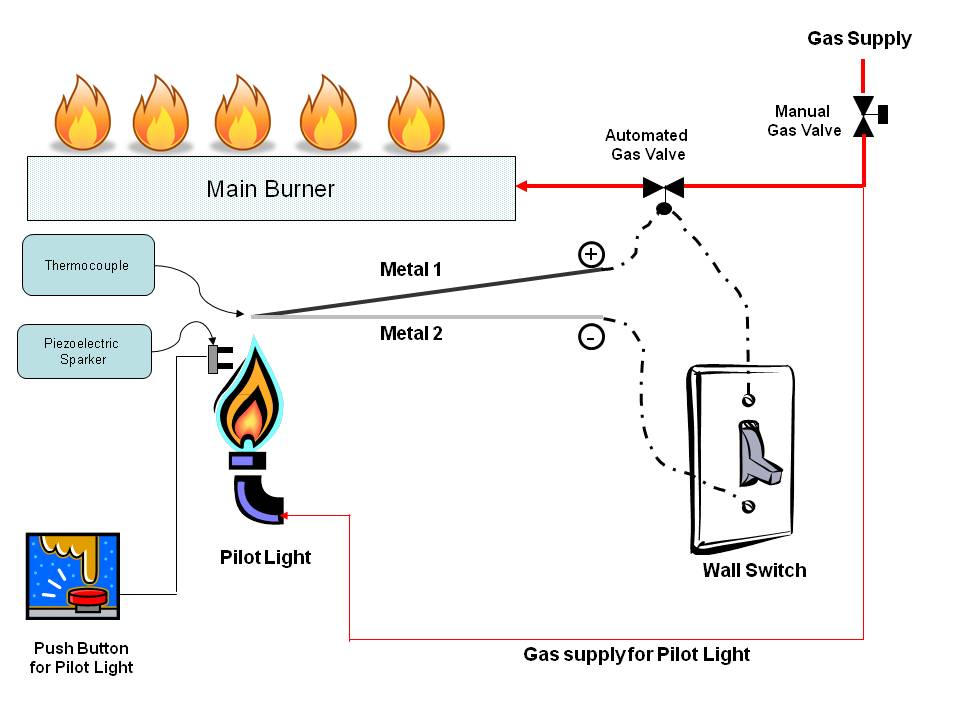
Some older gas fireplaces use a standing pilot light, which is a small flame that constantly burns to ignite the main burner.
- Locate the Gas Valve: Typically located behind a control panel or access door near the bottom of the fireplace.
- Turn the Gas Valve to "Pilot": The valve usually has three settings: "On," "Off," and "Pilot."
- Press and Hold the Pilot Button: While holding the pilot button, use a lighter or spark igniter to light the pilot light.
- Continue Holding the Pilot Button: Keep holding the pilot button for about 30-60 seconds to allow the thermocouple to heat up. The thermocouple is a safety device that shuts off the gas supply if the pilot light goes out.
- Release the Pilot Button: If the pilot light stays lit after releasing the button, turn the gas valve to the "On" position.
- Adjust the Flame Height: Use the control knob to adjust the flame height to your desired level.
Electronic Ignition
Most modern gas fireplaces use electronic ignition, which eliminates the need for a standing pilot light. This saves energy and reduces the risk of accidental gas leaks.
- Turn on the Gas Supply: Ensure the gas supply valve is open.
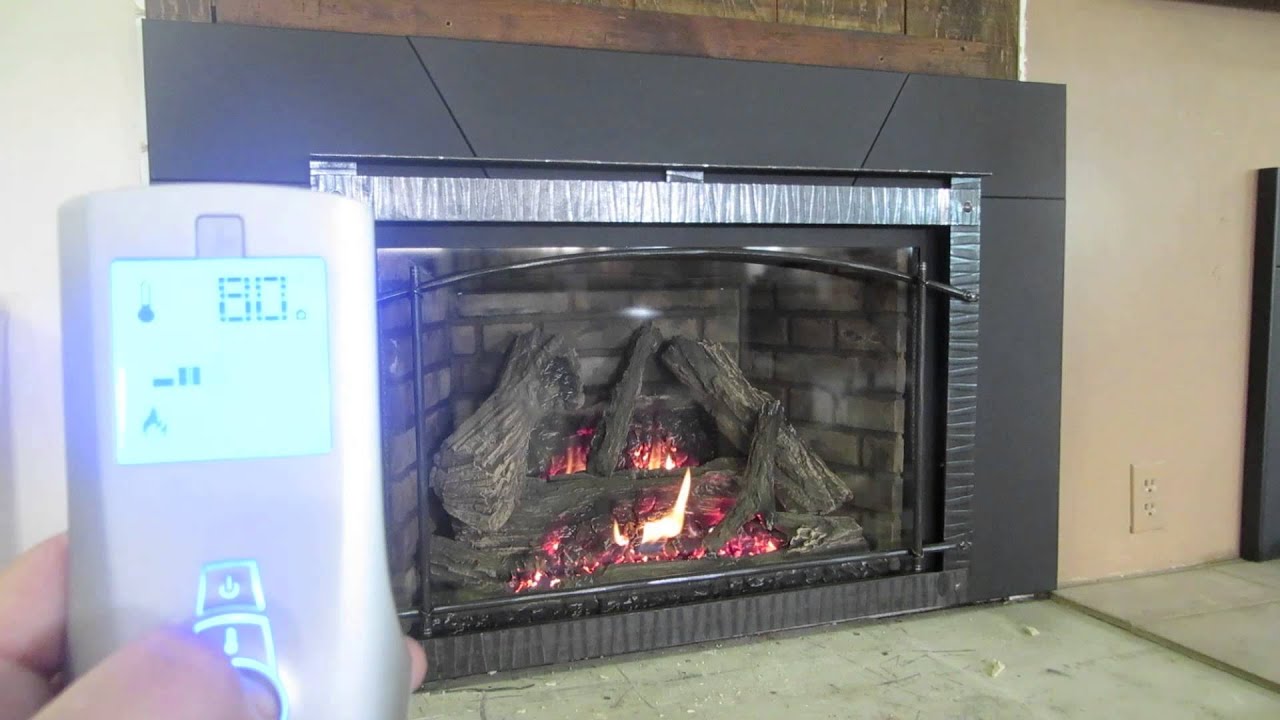
- Locate the Power Switch or Remote Control: Some fireplaces have a simple on/off switch, while others use a remote control.
- Turn on the Fireplace: Flip the switch or press the "On" button on the remote. The igniter will spark and ignite the main burner.
- Adjust the Flame Height: Use the control knob or remote control to adjust the flame height to your desired level.
Troubleshooting Common Issues
Even with proper operation, you may encounter occasional issues with your gas fireplace. Here are some common problems and their potential solutions:
- Pilot Light Won't Stay Lit:
- Dirty Pilot Orifice: Clean the pilot orifice with a small wire or pin.
- Faulty Thermocouple: Replace the thermocouple.
- Low Gas Pressure: Contact your gas company.
- Fireplace Won't Turn On (Electronic Ignition):
- Dead Batteries: Replace the batteries in the remote control or the fireplace control module.
- Faulty Igniter: Replace the igniter.
- Loose Wiring: Check the wiring connections to the igniter and control module.
- Unusual Odor:
- Dust Burning Off: This is common when the fireplace is first turned on after a period of inactivity.
- Gas Leak: If the odor persists or smells strongly of gas, immediately turn off the gas supply and call your gas company.
- Soot Buildup:
- Improper Venting: Ensure the venting system is properly installed and clear of obstructions.
- Incorrect Gas Pressure: Contact your gas company or a qualified HVAC technician to check the gas pressure.
- Dirty Burners: Clean the burners regularly.
Important Note: For any complex repairs or if you are uncomfortable working with gas appliances, always consult a qualified HVAC technician.
Maintenance Tips for Longevity and Efficiency
Regular maintenance is crucial for extending the lifespan of your gas fireplace and ensuring optimal performance.
- Annual Inspection: Schedule an annual inspection and cleaning by a qualified HVAC technician.
- Clean the Glass: Clean the glass on the fireplace door regularly with a fireplace glass cleaner to remove soot and buildup.
- Clean the Burners: Clean the burners with a brush or vacuum to remove dust and debris. Consult your owner’s manual for specific cleaning instructions.
- Inspect the Venting System: Visually inspect the venting system for any signs of damage or blockage.
- Check the Pilot Light (Standing Pilot Models): Ensure the pilot light is burning cleanly and steadily.
Cost and Efficiency Considerations
Gas fireplaces offer a relatively efficient and cost-effective heating solution for supplemental warmth. However, factors like gas prices and fireplace type influence the overall cost.
- Fuel Costs: Natural gas prices fluctuate, so monitor your gas bill and consider energy-saving strategies.
- Efficiency Ratings: Look for fireplaces with high AFUE (Annual Fuel Utilization Efficiency) ratings for optimal energy efficiency. Direct vent fireplaces generally have higher AFUE ratings than B-vent or vent-free models.
- Zoning: Use your gas fireplace to heat specific zones or rooms in your home, reducing the need to heat the entire house with your central heating system.
- Programmable Thermostats: Many gas fireplaces can be equipped with programmable thermostats, allowing you to set schedules and optimize energy usage.
Conclusion
Operating a gas fireplace is generally straightforward, but understanding the different types, safety precautions, and maintenance requirements is essential for safe and efficient operation. By following the guidelines outlined in this article, homeowners, HVAC technicians, and property managers can ensure their gas fireplaces provide years of reliable warmth and ambiance.
Remember, always prioritize safety and consult a qualified HVAC technician for any complex repairs or concerns. A well-maintained gas fireplace is a valuable asset to any home.