How To Plumb A Grease Trap
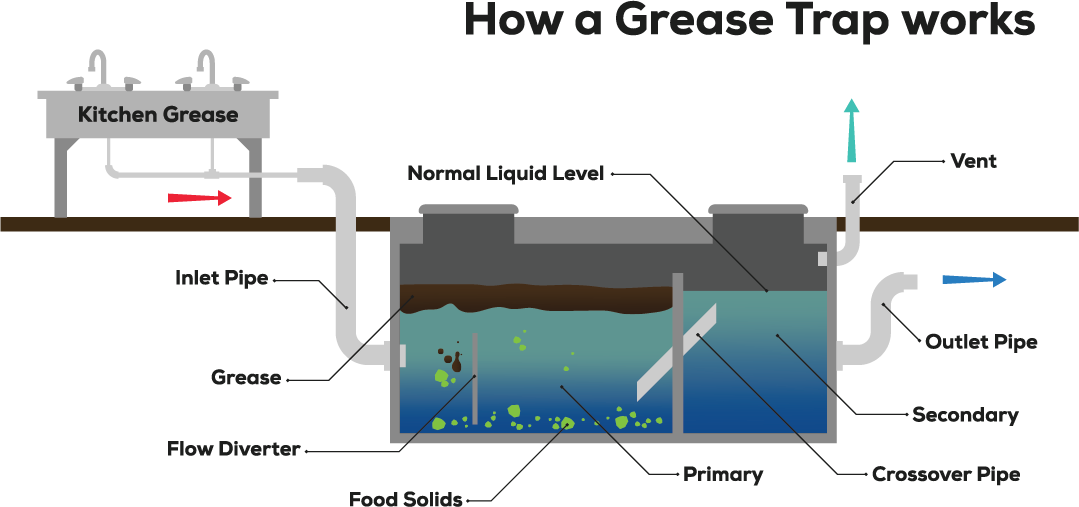
Plumbing a grease trap is a critical skill, especially for HVAC professionals working in the commercial sector. While it might seem outside the direct realm of heating, ventilation, and air conditioning, understanding the principles of grease trap installation and maintenance is invaluable. This article provides a comprehensive guide to plumbing a grease trap, offering insights relevant to HVAC students, seasoned technicians, and employers alike. We'll delve into the process, related regulations, and career opportunities that intersect with this specialized skill.
Understanding the Importance of Grease Traps
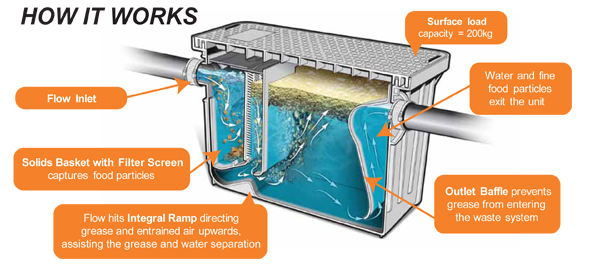
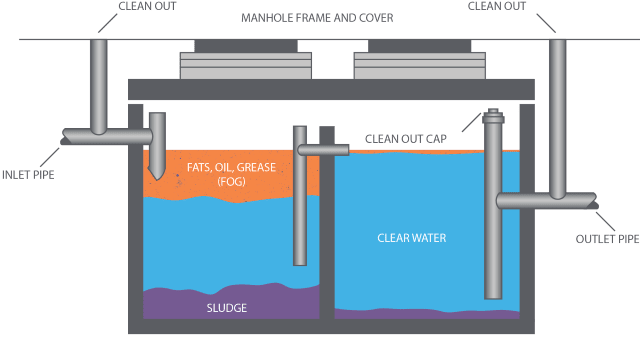
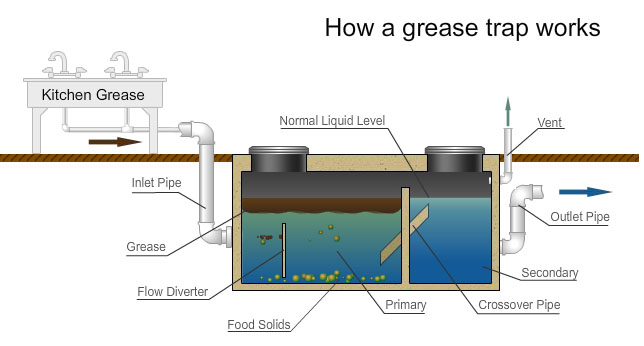
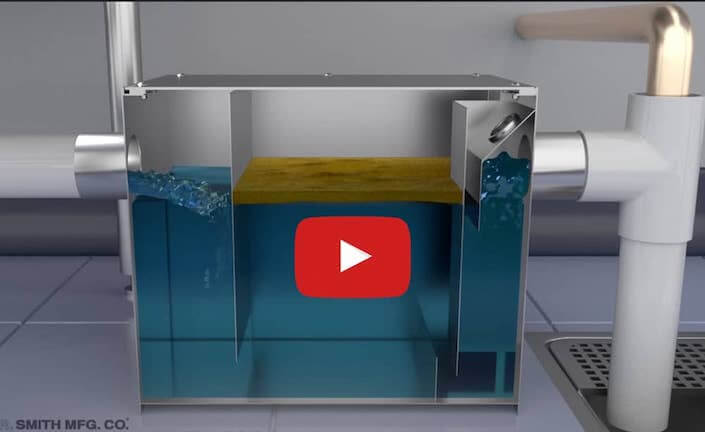
Grease traps, also known as grease interceptors, are essential components in commercial kitchens and food processing facilities. Their primary function is to prevent fats, oils, and grease (FOG) from entering the municipal sewer system. Untreated FOG can solidify within pipes, causing blockages, overflows, and significant environmental damage. By effectively trapping these substances, grease traps protect infrastructure, reduce maintenance costs for municipalities, and contribute to environmental sustainability.
The Plumbing Process: A Step-by-Step Guide
Plumbing a grease trap involves several key stages. It's crucial to adhere to local plumbing codes and regulations throughout the entire process. These codes vary by municipality and state, so thorough research is essential before commencing any work.
1. Planning and Preparation
Before any physical work begins, careful planning is necessary. This includes:
- Determining Grease Trap Size: This is based on the flow rate and grease production of the kitchen. Local codes typically specify the sizing requirements.
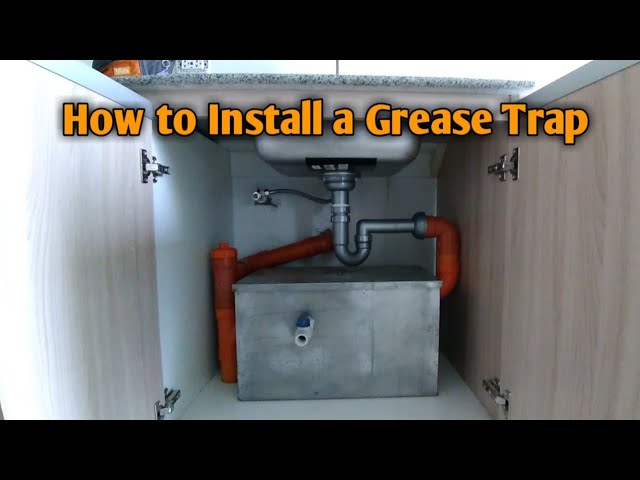
- Selecting the Right Location: The grease trap should be easily accessible for cleaning and maintenance. It needs to be located away from food preparation areas to prevent contamination. Consider proximity to existing plumbing lines and drainage systems.
- Obtaining Necessary Permits: Contact your local building department to secure the required permits for installation.
- Gathering Tools and Materials: This includes the grease trap itself, piping (typically PVC or cast iron), fittings, sealant, measuring tools, and safety equipment (gloves, eye protection).
2. Installation
This phase entails the physical connection of the grease trap to the plumbing system.
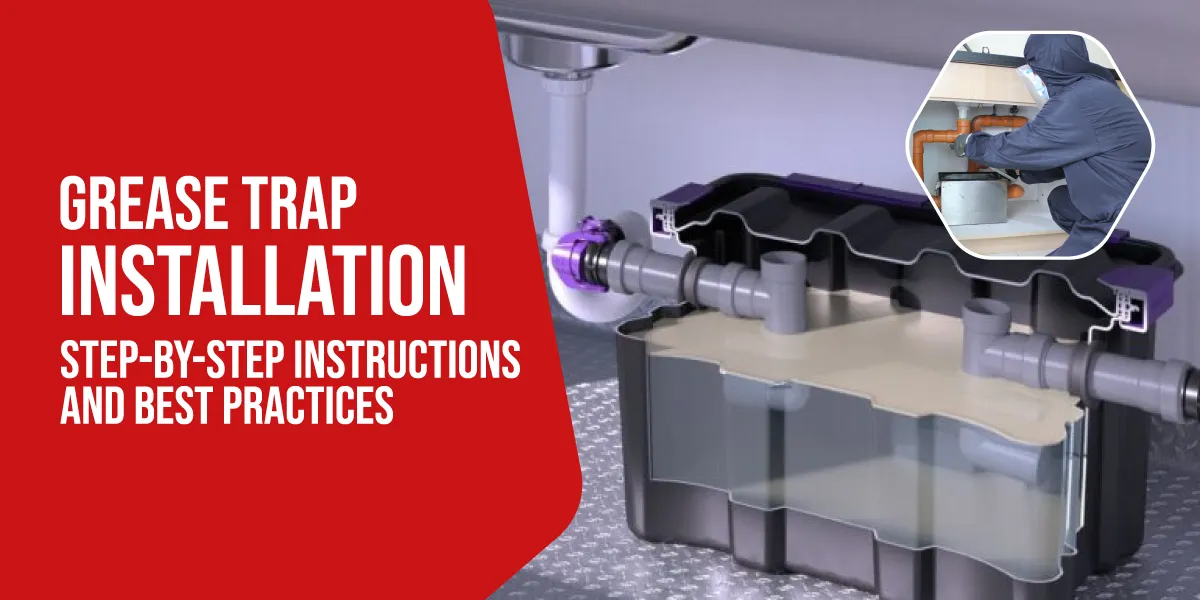
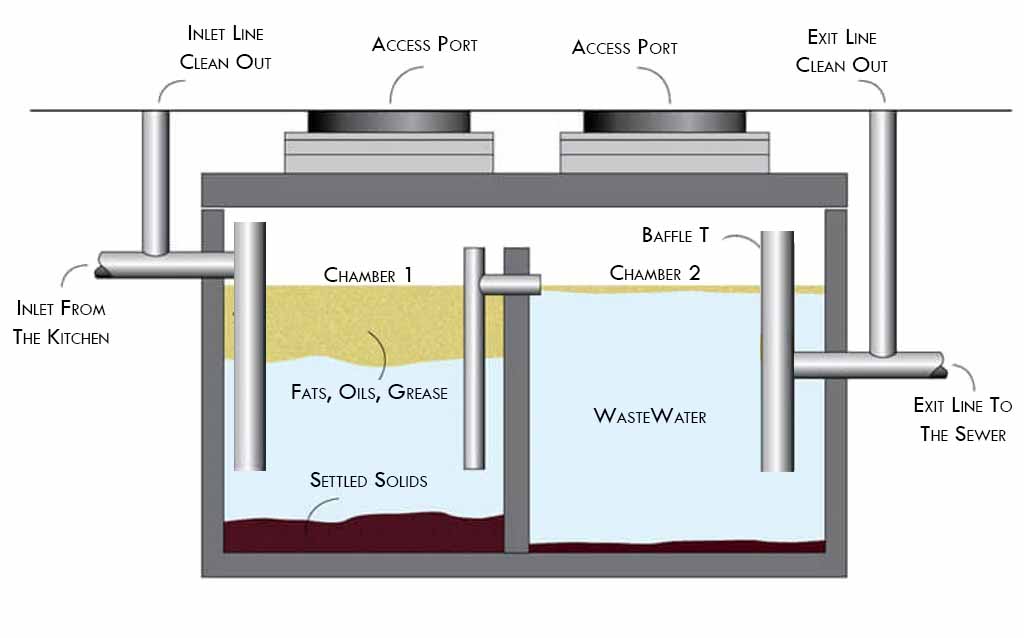
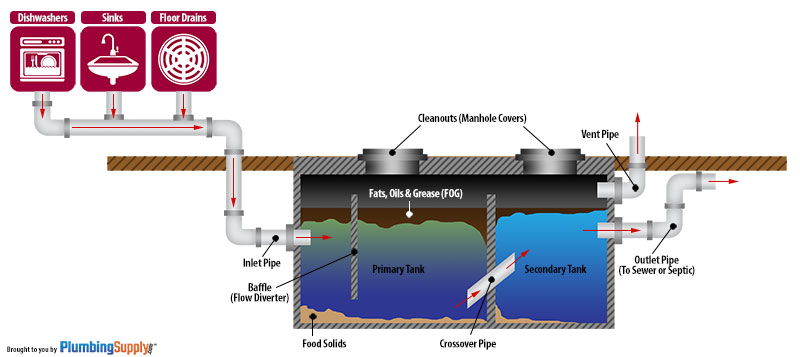
- Inlet Plumbing: The inlet pipe carries wastewater from the kitchen's sinks, dishwashers, and other fixtures to the grease trap. Ensure a proper slope for gravity flow. Use appropriate fittings to connect the inlet pipe to the grease trap's inlet opening.
- Outlet Plumbing: The outlet pipe carries treated wastewater from the grease trap to the sewer line. Similar to the inlet, maintain a proper slope and use appropriate fittings. An air gap between the outlet and the sewer line is often required to prevent backflow.
- Venting: Proper venting is essential to prevent siphoning and ensure proper flow. Connect a vent pipe to the grease trap to allow air to enter and escape. The vent pipe should extend to the building's main vent stack.
- Securing the Grease Trap: Ensure the grease trap is securely positioned and supported to prevent movement or damage.
3. Testing and Inspection
After installation, thorough testing and inspection are critical to ensure proper functionality and compliance with codes.
- Leak Test: Fill the grease trap with water and check for leaks around the connections. Address any leaks immediately.
- Flow Test: Run water through the system to verify proper flow and drainage.
- Inspection: Schedule an inspection with your local building department to obtain final approval.
HVAC and Grease Trap Plumbing: An Overlapping Skill Set
While seemingly distinct, HVAC and grease trap plumbing share several commonalities. Both require a strong understanding of fluid dynamics, piping systems, and local codes. HVAC technicians often encounter grease traps in commercial buildings, particularly restaurants and cafeterias. Being able to diagnose problems, perform minor repairs, and understand the overall system can significantly enhance their value to employers. Furthermore, knowledge of ventilation systems that exhaust cooking odors is another related area where HVAC expertise is highly relevant.
Career Opportunities and Salary Expectations
The demand for skilled tradespeople, including plumbers and HVAC technicians, remains strong. According to the Bureau of Labor Statistics, the median annual wage for plumbers, pipefitters, and steamfitters was $61,130 in May 2023. The job outlook is projected to grow 2% from 2022 to 2032, creating about 15,600 openings each year. In metropolitan areas with a high concentration of restaurants, the demand for technicians with grease trap expertise is even greater.
For HVAC technicians, the median annual wage was $59,620 in May 2023. The job outlook is projected to grow 6% from 2022 to 2032, creating about 41,600 openings each year. Specializing in commercial HVAC, which often involves working with grease traps and kitchen ventilation systems, can lead to higher earning potential.
Experienced technicians with certifications and specialized skills can command higher salaries. For example, a master plumber or a certified HVAC technician specializing in commercial refrigeration and kitchen equipment can earn significantly more than the median wage. Certifications such as NATE (North American Technician Excellence) and EPA 608 (for refrigerant handling) demonstrate competency and enhance career prospects.
Certifications and Training
While a specific certification for grease trap plumbing is rare, several certifications and training programs can enhance your skills and knowledge in this area:
- Plumbing Apprenticeship: A formal plumbing apprenticeship provides comprehensive training in all aspects of plumbing, including grease trap installation and maintenance.
- HVAC Apprenticeship: Focusing on commercial HVAC systems.
- Manufacturer Training: Many grease trap manufacturers offer training programs on their specific products.
- Continuing Education Courses: Local trade schools and community colleges often offer courses on plumbing codes and specific plumbing skills.
- EPA 608 Certification: Essential for HVAC technicians working with refrigeration systems, which are often found in commercial kitchens.
- NATE Certification: Demonstrates competency in HVAC systems and can enhance career prospects.
Real-World Examples and Career Paths
Consider these examples of how grease trap knowledge can enhance your career:
- HVAC Technician Specializing in Restaurant Equipment: An HVAC technician working for a company that services restaurants can leverage their knowledge of grease traps to provide more comprehensive service to clients. They can diagnose problems with grease traps, perform minor repairs, and recommend maintenance schedules.
- Plumbing Contractor Focusing on Commercial Clients: A plumbing contractor specializing in commercial clients can build a niche by offering expert grease trap installation and maintenance services. They can market their expertise to restaurants, hotels, and other food service establishments.
- Building Inspector: A building inspector with a strong understanding of plumbing codes and grease trap requirements can ensure that commercial kitchens are in compliance with regulations.
Example Career Path: An individual begins as an HVAC apprentice, gaining experience in residential and commercial systems. They then pursue specialized training in commercial refrigeration and kitchen equipment. They obtain their EPA 608 and NATE certifications. Over time, they develop expertise in grease trap installation and maintenance, becoming a sought-after technician in the restaurant industry.
Regulations and Compliance
Adhering to local regulations is paramount when plumbing a grease trap. Regulations vary by municipality, so it's crucial to research and understand the specific requirements in your area. Key aspects to consider include:
- Sizing Requirements: Local codes typically specify the minimum size of the grease trap based on the flow rate and grease production of the kitchen.
- Installation Requirements: Codes dictate the proper installation procedures, including venting, slope, and backflow prevention.
- Maintenance Requirements: Regulations often require regular cleaning and maintenance of grease traps to ensure proper functionality.
- Disposal Requirements: Codes specify the proper disposal methods for collected grease.
Failing to comply with regulations can result in fines, penalties, and even legal action. It's essential to work with licensed and experienced professionals who are familiar with local codes.
The Future of Grease Trap Plumbing
The future of grease trap plumbing is likely to be shaped by technological advancements and increased environmental awareness. Some trends to watch include:
- Smart Grease Traps: These traps utilize sensors and data analytics to monitor grease levels and optimize cleaning schedules.
- Advanced Filtration Systems: New filtration technologies are being developed to remove even smaller particles of FOG from wastewater.
- Sustainable Disposal Methods: Efforts are underway to find more sustainable ways to dispose of collected grease, such as converting it into biofuel.
By staying informed about these trends and embracing new technologies, HVAC and plumbing professionals can remain at the forefront of the industry and provide innovative solutions to their clients.
Conclusion
Plumbing a grease trap requires a blend of technical skill, knowledge of local codes, and a commitment to environmental responsibility. While it may not be the core focus of every HVAC professional, understanding the principles and practices involved can significantly enhance career opportunities and contribute to a more sustainable future. By investing in training, pursuing certifications, and staying abreast of industry trends, you can position yourself for success in this growing field. Remember to always consult with local authorities and licensed professionals to ensure compliance with all applicable regulations.