How To Prime A Furnace Condensate Trap
The modern high-efficiency furnace is a marvel of engineering, squeezing every last bit of heat from fuel to keep homes comfortable and energy bills low. A crucial component in this process is the condensate drain system, and at its heart lies the condensate trap. A properly primed condensate trap is essential for efficient and safe operation, and understanding how to prime it is a fundamental skill for anyone working in the HVAC field. This article will guide you through the process, explain its importance, and highlight how mastering this skill can contribute to a successful HVAC career.
Understanding the Condensate Trap
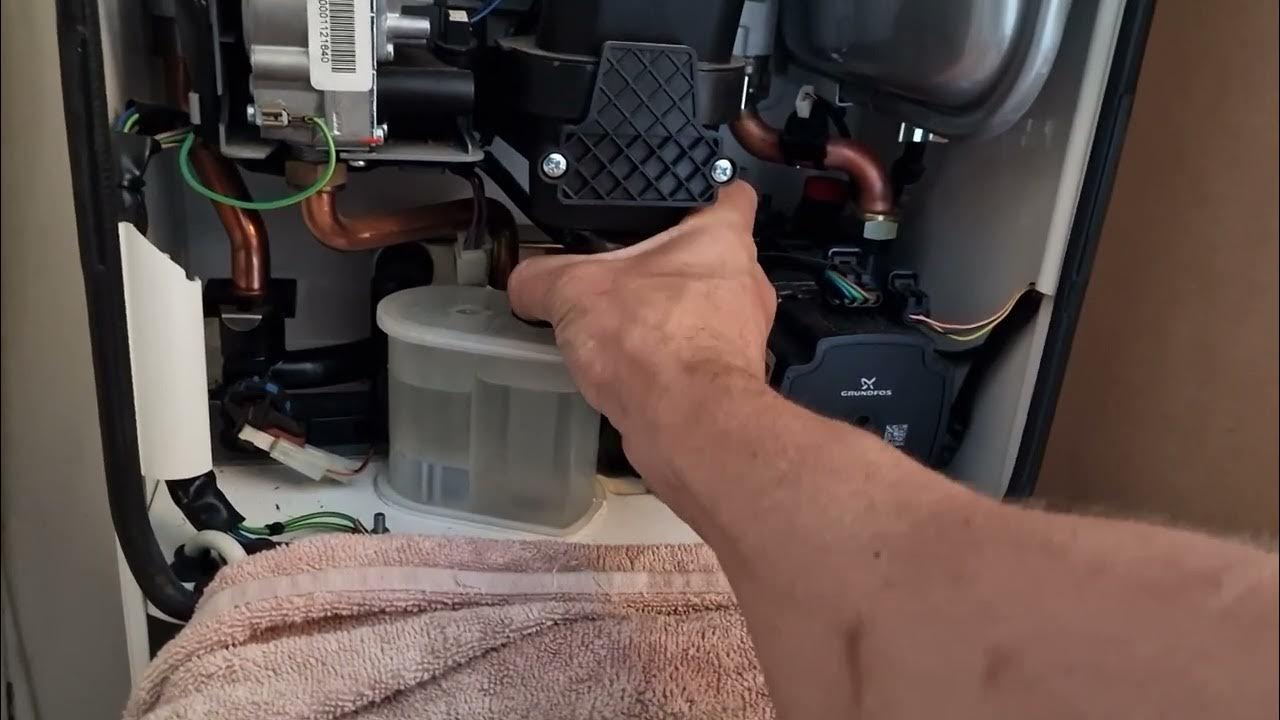
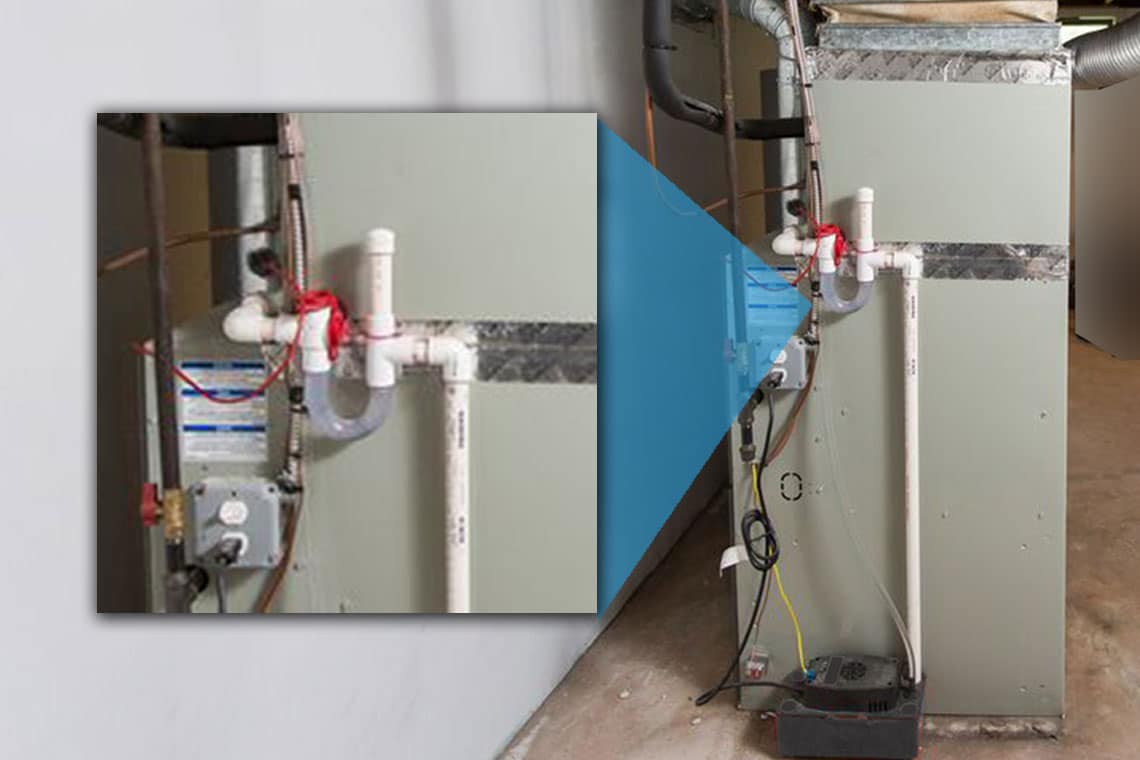
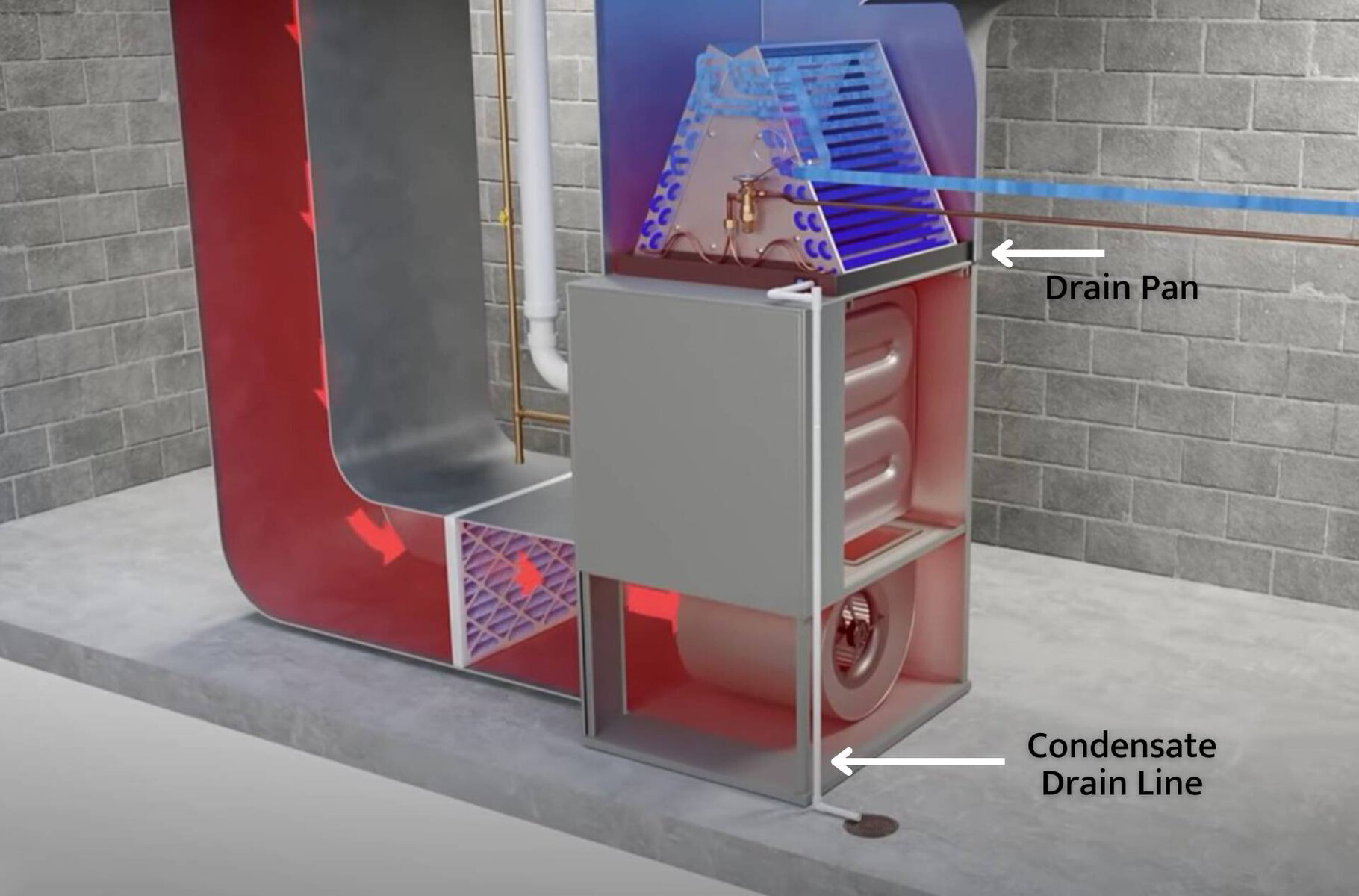
Before diving into the priming process, it's important to understand what a condensate trap is and why it needs priming. High-efficiency furnaces extract more heat from combustion gases than older models. This process results in condensation, which is acidic and needs to be drained away safely. The condensate trap is a U-shaped or similar shaped component designed to create a water seal. This seal prevents combustion gases, including potentially dangerous carbon monoxide, from escaping into the home through the condensate drain line. It also prevents air from being drawn back into the furnace, which can interfere with proper combustion.
Priming the trap simply means filling it with water to create this essential seal. If the trap is dry, it cannot perform its function, leading to potential safety hazards and operational inefficiencies.
Step-by-Step Guide to Priming a Condensate Trap
The process of priming a condensate trap is straightforward. Always consult the manufacturer's instructions for the specific furnace model you are working on. However, the general steps are as follows:
- Safety First: Before starting any work, turn off the furnace at the thermostat and the main power switch.
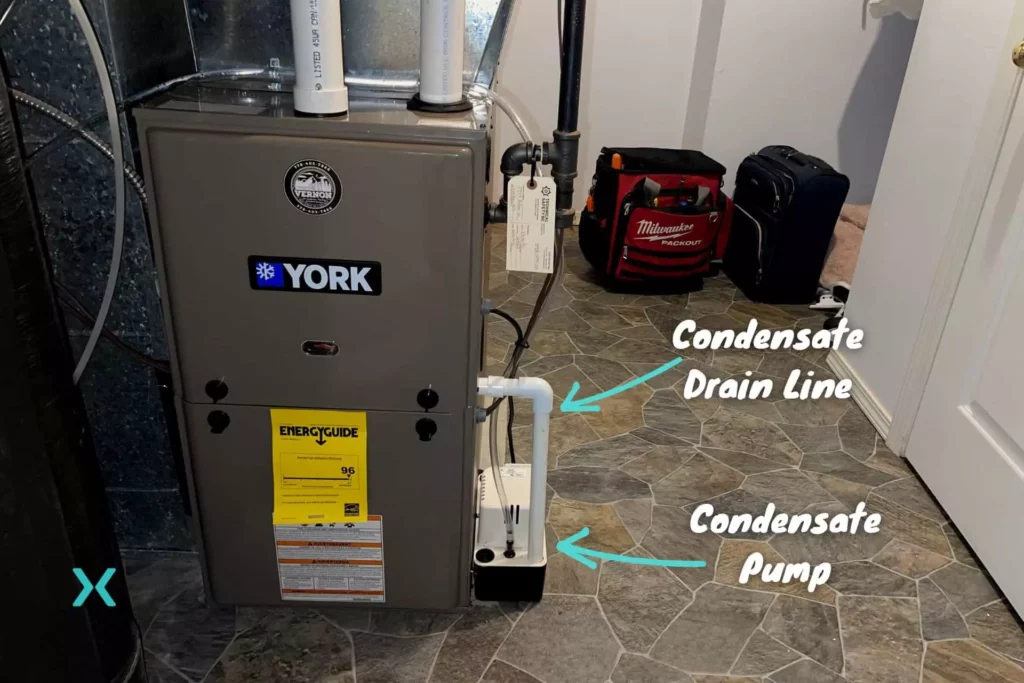
- Locate the Condensate Trap: The condensate trap is typically located near the bottom of the furnace, connected to the condensate drain line. It's often a white or gray plastic component with a U-shaped or similar design.
- Identify the Priming Point: Many condensate traps have a designated priming point, which may be a small opening or a removable plug. If there isn't a designated priming point, you may need to disconnect the drain line at a point above the trap to add water.
- Add Water: Using a small funnel or a squeeze bottle, slowly add water to the trap until it's full. Distilled water is preferred to minimize mineral buildup.
- Check for Leaks: Once the trap is full, check for any leaks around the trap and the drain line connections. Repair any leaks before proceeding.
- Reassemble (if necessary): If you disconnected any drain lines to prime the trap, carefully reassemble them, ensuring a tight seal.
- Test the Furnace: Turn the power back on and turn up the thermostat to call for heat. Observe the furnace during its start-up and operation, ensuring that the condensate is draining properly and that there are no unusual noises or smells.
- Monitor Operation: Check the trap periodically, especially after the initial priming, to ensure the water level remains adequate. Some traps may require occasional topping off.
Troubleshooting Common Issues
Sometimes, priming a condensate trap doesn't go as smoothly as planned. Here are some common issues and how to address them:
- Trap Won't Hold Water: This could indicate a crack in the trap, a loose connection in the drain line, or a blockage in the drain line preventing proper draining. Inspect the trap and drain line carefully for any damage or obstructions.
- Slow Draining: A clogged drain line is a common cause of slow draining. Use a wet/dry vacuum or a stiff wire to clear any obstructions. You can also try flushing the drain line with a solution of hot water and vinegar.
- Gurgling Noises: Gurgling noises can indicate that the trap is not properly vented. Some traps have a vent opening; ensure that it is clear of obstructions.
- Furnace Shutting Down: If the condensate trap is not properly primed or the drain line is blocked, the furnace may shut down due to a safety switch. Check the trap and drain line and ensure they are functioning correctly.
The Importance of Certifications and Training
While priming a condensate trap may seem like a simple task, it's part of a larger system that requires a comprehensive understanding of HVAC principles. Obtaining certifications and pursuing ongoing training are essential for HVAC professionals who want to advance their careers and stay up-to-date with the latest technologies and best practices. Here's how:
NATE Certification
The North American Technician Excellence (NATE) certification is widely recognized as a mark of competence and professionalism in the HVAC industry. NATE offers certifications in various specialties, including installation, service, and maintenance. Earning a NATE certification demonstrates a technician's knowledge and skills to employers and customers alike. Increased earnings typically follow NATE certification.
EPA 608 Certification
The Environmental Protection Agency (EPA) requires all technicians who handle refrigerants to be certified under Section 608 of the Clean Air Act. This certification ensures that technicians understand the proper procedures for handling refrigerants, minimizing environmental impact and preventing ozone depletion. Depending on the type of appliance serviced, EPA 608 certification comes in several types.
Other Relevant Certifications
Depending on your area of specialization, other certifications may be beneficial, such as certifications in specific equipment brands or types (e.g., geothermal, solar), or certifications related to building automation and controls.
HVAC Career Paths and Job Outlook
The HVAC industry offers a wide range of career paths, from entry-level installer positions to highly specialized engineering roles. Here are a few examples:
- HVAC Installer: Installs new heating, ventilation, and air conditioning systems in residential and commercial buildings. This is often an entry-level position that provides valuable hands-on experience.
- HVAC Service Technician: Diagnoses and repairs problems with existing HVAC systems. This role requires strong troubleshooting skills and a thorough understanding of HVAC principles.
- HVAC Sales Engineer: Works with customers to design and sell HVAC systems. This role requires technical knowledge, sales skills, and the ability to understand customer needs.
- HVAC Design Engineer: Designs and develops new HVAC systems and components. This role requires a strong background in engineering principles and a thorough understanding of HVAC technologies.
Job Outlook and Salary Expectations
The job outlook for HVAC technicians is excellent. According to the U.S. Bureau of Labor Statistics, employment of HVAC mechanics and installers is projected to grow 6 percent from 2022 to 2032, about as fast as the average for all occupations. The median annual wage for HVAC mechanics and installers was $59,620 in May 2023. Salaries vary depending on experience, location, and specialization. Skilled technicians with certifications and specialized knowledge can command significantly higher salaries.
For example, a recent Indeed.com search indicates HVAC Technician salaries range from $40,000 to $75,000 annually, while senior HVAC Engineers easily exceed $90,000.
Real-World Career Examples
Example 1: Maria started her career as an HVAC installer after completing a vocational training program. She then became certified in EPA 608 and NATE and quickly advanced to a service technician role. Now she specializes in servicing commercial refrigeration systems and is considering pursuing further training in building automation.
Example 2: David began as an apprentice at a local HVAC company after high school. He earned his certifications while working and eventually became a lead technician, overseeing installation projects. He is now a service manager, responsible for overseeing a team of technicians and ensuring customer satisfaction.
Employer's Perspective: Hiring and Training
Employers in the HVAC industry are constantly seeking skilled and qualified technicians. They value candidates who have strong technical skills, relevant certifications, and a commitment to safety and customer service. Many employers offer apprenticeship programs and ongoing training opportunities to help their employees develop their skills and advance their careers.
"We look for technicians who have a strong understanding of HVAC fundamentals and are eager to learn," says John Smith, owner of ABC Heating & Cooling. "Certifications like NATE and EPA 608 are a big plus, as they demonstrate a commitment to professionalism and industry standards. We also invest in ongoing training to ensure our technicians are up-to-date with the latest technologies."
Investing in employee training is critical for employers. Statistics show that trained and certified technicians provide higher quality service and fewer callbacks, leading to increased customer satisfaction and profitability.
Conclusion
Mastering fundamental skills like priming a condensate trap is just the beginning of a rewarding career in the HVAC industry. By pursuing certifications, seeking ongoing training, and developing strong technical skills, HVAC professionals can achieve long-term success and contribute to the comfort and safety of homes and businesses. The demand for skilled HVAC technicians is high, and the opportunities for advancement are plentiful. Remember, a well-primed condensate trap is a small detail that makes a big difference in the overall performance and safety of a furnace. So, take the time to learn this skill thoroughly and apply it with care.