How To Prime A Shallow Well Jet Pump
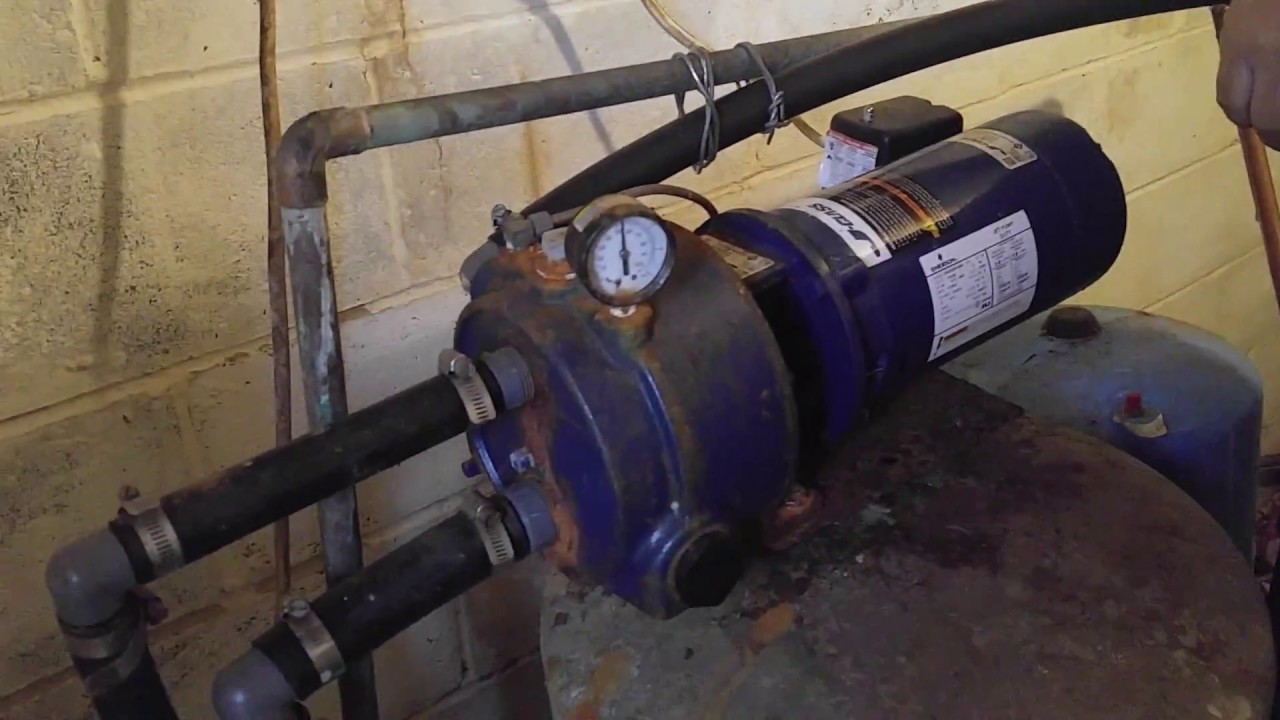
How To Prime a Shallow Well Jet Pump: A Step-by-Step Guide
A reliable water source is crucial for any home, and for many, that means relying on a well. Shallow well jet pumps are a common and efficient way to draw water, but they occasionally require priming to function correctly. This guide provides a comprehensive, step-by-step approach to priming your shallow well jet pump, ensuring your water supply remains uninterrupted.
Understanding Shallow Well Jet Pumps
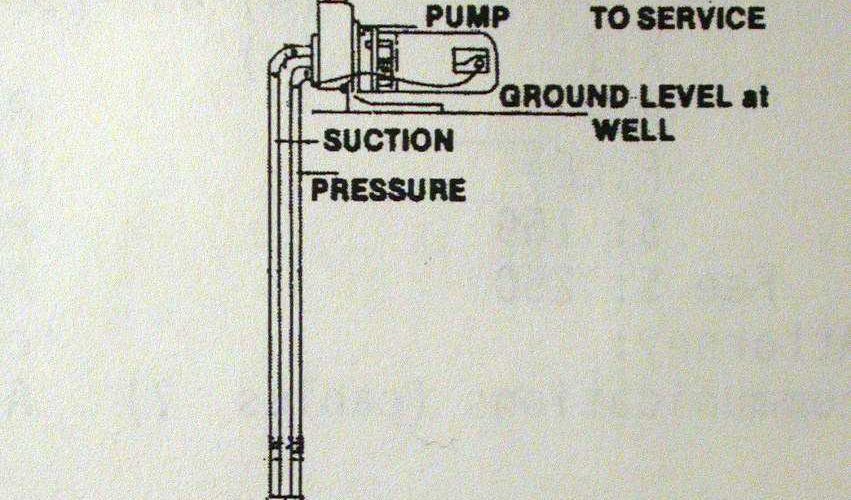
Before diving into the priming process, it's important to understand how shallow well jet pumps operate. These pumps create a vacuum that draws water from the well and into your home's plumbing system. The "jet" refers to a nozzle within the pump that increases water velocity, creating the necessary suction. However, if air enters the system, the pump loses its prime and stops working. Priming essentially means removing this air and replacing it with water, allowing the pump to re-establish its suction.
Why Does Priming Become Necessary? Air can enter the system for various reasons, including:
- A leak in the suction pipe.
- A recent repair or maintenance on the well or pump.
- A prolonged period of inactivity.
- A low water level in the well.
The Priming Process: A Detailed Guide
Follow these steps carefully to prime your shallow well jet pump successfully.
Step 1: Gather Your Supplies
Before you begin, ensure you have the following items on hand:
- Clean water source (garden hose or buckets).
- Screwdriver or wrench (depending on your pump's drain plug).
- Rag or towel.
- Safety glasses.
- Work gloves.
Step 2: Disconnect Power to the Pump
Safety First! Locate the circuit breaker controlling the pump and switch it off. This is a crucial step to prevent electrical shock.
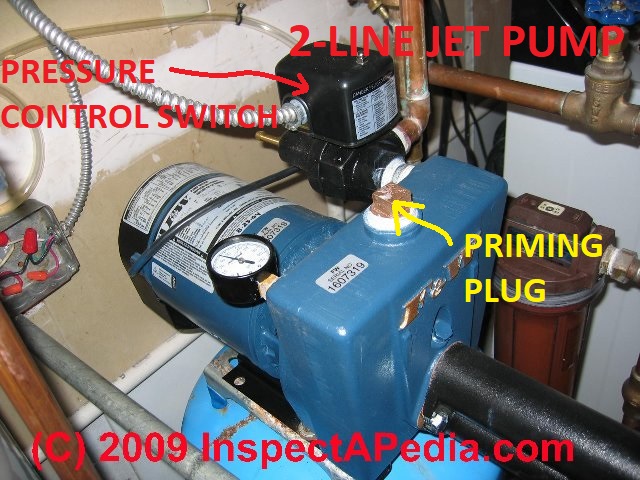
Step 3: Locate the Priming Plug
The priming plug is typically located on the top of the pump housing. It’s usually a threaded plug that can be removed with a screwdriver or wrench. Consult your pump's manual if you're unsure of its exact location. Most pumps have a clearly labeled priming port.
Step 4: Open the Priming Plug
Carefully remove the priming plug and set it aside. Be prepared for some water to spill out, especially if the pump was recently running. Use a rag or towel to absorb any excess water.
Step 5: Check the Well Casing and Foot Valve
While the priming plug is removed, take a moment to inspect the well casing and foot valve (the one-way valve at the bottom of the suction pipe). A faulty foot valve can prevent the pump from holding its prime. You likely won't be able to visually inspect the foot valve without specialized equipment, but listen for any gurgling sounds in the well, which could indicate a leak in the foot valve or suction pipe. A damaged foot valve is a common cause of priming issues.
Step 6: Fill the Pump with Water
Using your clean water source, slowly pour water into the priming port. Continue filling until the pump housing is completely full and water starts to overflow. This process displaces the air within the pump.
Step 7: Reinstall the Priming Plug
Once the pump is full of water, carefully reinstall the priming plug and tighten it securely. Avoid overtightening, as this could damage the threads. Ensure the plug is snug to prevent air from entering the system.
Step 8: Reconnect Power to the Pump
Return to the circuit breaker and switch it back on. The pump should now begin to run.
Step 9: Observe the Pump and Water Pressure
Monitor the pump's operation closely. Listen for any unusual noises and check the water pressure at a nearby faucet. If the pump is working correctly, the water pressure should build up to the normal range for your system (typically between 40 and 60 PSI). If the pressure is low or the pump cycles on and off frequently, it may indicate that the pump is still drawing air or that there's another issue with the system.
Step 10: Repeat if Necessary
Sometimes, a single priming attempt is not enough to remove all the air from the system. If the pump doesn't prime on the first try, repeat steps 6 through 9. You may need to repeat the process several times before the pump fully primes.
Step 11: Troubleshooting Persistent Priming Issues
If you've tried priming the pump multiple times and it still won't hold its prime, there may be a more serious problem. Here are some potential causes and solutions:
- Leak in the Suction Pipe: Inspect the suction pipe that runs from the well to the pump for any cracks, leaks, or loose connections. Repair or replace any damaged sections.
- Faulty Foot Valve: As mentioned earlier, a faulty foot valve can prevent the pump from holding its prime. If you suspect a problem with the foot valve, you may need to hire a professional to inspect and replace it.
- Low Water Level in the Well: If the water level in the well is too low, the pump won't be able to draw water. Check the water level and consider lowering the pump or deepening the well if necessary.
- Worn Pump Components: Over time, the internal components of the pump can wear out, reducing its efficiency and ability to prime. If your pump is old or has seen heavy use, it may be time to replace it.
Preventative Maintenance for Shallow Well Jet Pumps
Regular maintenance can help prevent priming issues and extend the life of your shallow well jet pump. Here are some tips:
- Inspect the System Regularly: Check for leaks, unusual noises, and changes in water pressure.
- Maintain Proper Water Level: Ensure the water level in the well remains adequate.
- Clean the Pump and Well: Periodically clean the pump and well to remove debris and sediment.
- Replace Worn Components: Replace any worn or damaged components promptly.
- Consider a Check Valve: Installing a check valve near the pump can help maintain pressure and prevent backflow, reducing the need for frequent priming.
Choosing a New Shallow Well Jet Pump: Brands and Models
If your existing pump is beyond repair, or you're looking to upgrade, several reputable brands offer reliable shallow well jet pumps. Here are a few popular options:
- Goulds Pumps: Known for their durability and efficiency, Goulds pumps are a popular choice for residential and commercial applications.
- Sta-Rite: Sta-Rite pumps offer a wide range of models to suit different well depths and water demands.
- Flotec: Flotec pumps are a more budget-friendly option that still provides reliable performance.
- Simer: Simer offers pumps designed for ease of installation and maintenance.
When selecting a new pump, consider the following factors:
- Horsepower: Choose a pump with sufficient horsepower to meet your water demand.
- Pumping Capacity (GPM): Select a pump with the appropriate gallons per minute (GPM) rating for your household's water usage.
- Maximum Suction Lift: Ensure the pump's maximum suction lift is adequate for your well depth.
- Materials of Construction: Look for pumps made from durable materials that can withstand the harsh environment of a well. Cast iron and stainless steel are common choices.
- Warranty: Choose a pump with a solid warranty to protect your investment.
HVAC System Considerations and Water Usage
While this guide focuses on priming well pumps, it's important to consider how your HVAC system interacts with your water source. Some HVAC systems, such as geothermal heat pumps, rely heavily on well water for efficient operation. Understanding your HVAC system's water requirements is crucial for selecting the right well pump and ensuring a reliable water supply. Geothermal systems place a significant demand on well water.
Professional Assistance
If you're uncomfortable performing the priming process yourself, or if you suspect a more serious problem with your well or pump, don't hesitate to contact a qualified well drilling contractor or plumber. A professional can diagnose the issue accurately and provide the necessary repairs or replacements.
AFUE, SEER, and HSPF Ratings: HVAC Efficiency Standards
While not directly related to well pump priming, understanding HVAC efficiency ratings is essential for homeowners. Here's a brief overview:
- AFUE (Annual Fuel Utilization Efficiency): Measures the heating efficiency of furnaces and boilers. Higher AFUE ratings indicate greater energy savings.
- SEER (Seasonal Energy Efficiency Ratio): Measures the cooling efficiency of air conditioners. Higher SEER ratings indicate greater energy savings.
- HSPF (Heating Seasonal Performance Factor): Measures the heating efficiency of heat pumps. Higher HSPF ratings indicate greater energy savings.
When selecting a new HVAC system, always consider the AFUE, SEER, and HSPF ratings to ensure optimal energy efficiency and cost savings.
Priming a shallow well jet pump is a relatively simple task that can save you time and money. By following the steps outlined in this guide, you can keep your water supply flowing smoothly. Remember to prioritize safety and consult a professional if you encounter any difficulties. Regular maintenance and a good understanding of your well and pump system are key to ensuring a reliable water source for your home.