How To Prime A Shallow Well Pump
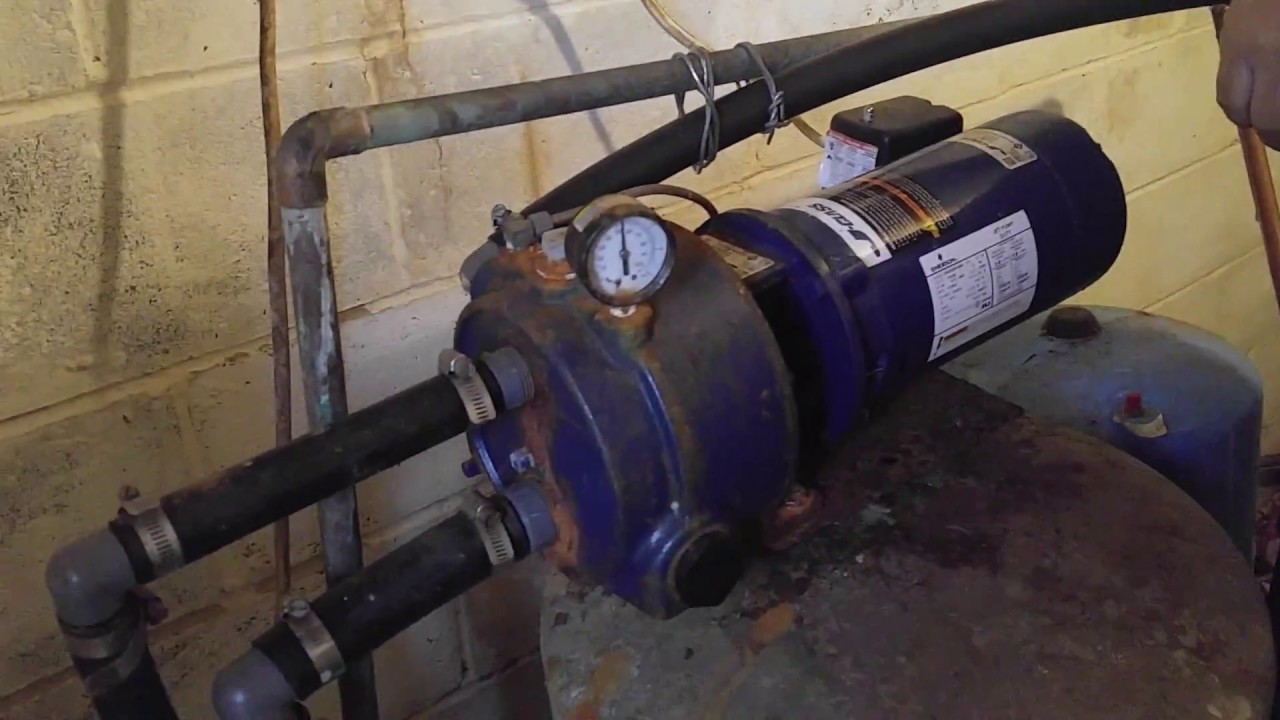
The heart of any water well system is its pump. For many homes and businesses relying on shallow wells, the shallow well pump is critical for accessing potable water. But these pumps aren't invincible; they require maintenance, and one of the most common procedures is priming. This article provides a comprehensive guide to priming a shallow well pump, combined with insights into the HVAC industry, career opportunities, and relevant certifications.
Understanding Shallow Well Pumps and Priming
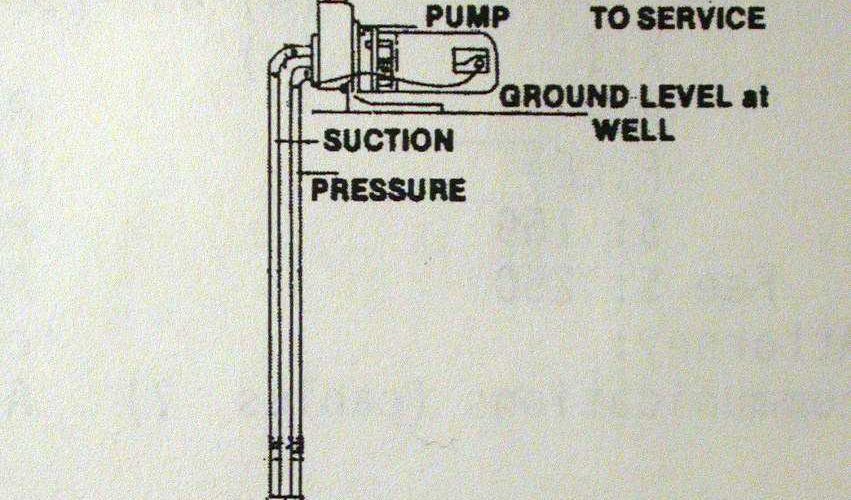
Shallow well pumps, typically used for wells with a water table less than 25 feet deep, operate by creating a vacuum to draw water up from the well. This vacuum relies on a sealed system. If air enters the pump or the piping, the pump loses its prime, rendering it unable to draw water. Priming essentially means removing this air and filling the pump and suction pipe with water, allowing the pump to regain its suction.
Why Do Shallow Well Pumps Lose Prime?
Several factors can lead to a loss of prime:
- Leaks in the suction pipe: Even small cracks or loose fittings can allow air to enter the system.
- A low water table: If the water level in the well drops below the end of the suction pipe, the pump will draw air instead of water.
- A faulty check valve: The check valve, located at the end of the suction pipe in the well, prevents water from flowing back into the well. If it fails, water will drain from the pump and piping.
- Pump damage: Internal wear and tear can create air leaks within the pump itself.
Step-by-Step Guide to Priming a Shallow Well Pump
Before you begin, always disconnect the power to the pump at the breaker. Safety is paramount. Ensure you have the necessary tools: a screwdriver, pliers, a bucket of clean water, and potentially pipe sealant.
- Inspect the System: Examine the suction pipe, fittings, and pump housing for any visible signs of leaks or damage. Tighten any loose connections. Replace damaged components as needed.
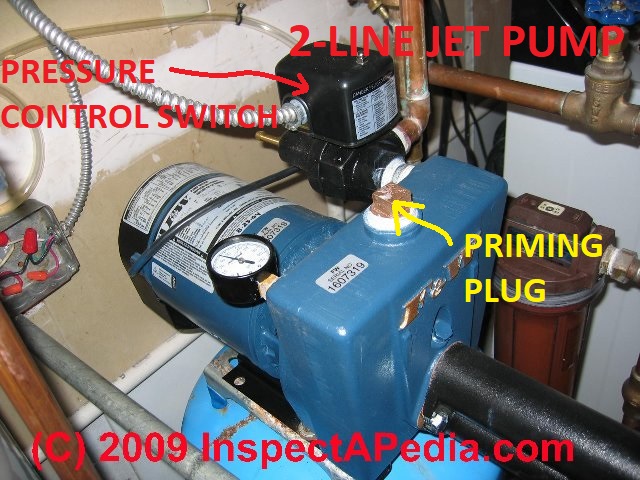
- Locate the Priming Plug: Most shallow well pumps have a priming plug, typically located on top of the pump housing. Remove this plug using a screwdriver or wrench.
- Fill the Pump with Water: Slowly pour clean water into the priming port until the pump housing is full. Allow the water to settle and check for any leaks around the pump housing or fittings.
- Replace the Priming Plug: Once the pump housing is full, replace the priming plug tightly.
- Check the Suction Pipe: Open a faucet connected to the pump. If water flows freely, the suction pipe is likely full. If not, you may need to manually fill the suction pipe with water. This can be done by disconnecting the pipe at the pump and pouring water directly into it until it's full. Reconnect the pipe securely.
- Restore Power to the Pump: Turn the power back on at the breaker.
- Monitor the Pump: Listen to the pump as it starts. It should begin to draw water within a few minutes. If the pump runs continuously without drawing water, it may still have air in the system, or there could be a more serious problem.
- Bleed Air from the System: If the pump is running but not drawing water, try opening a faucet connected to the pump to bleed any remaining air from the system. Let the water run until it flows steadily without any air bubbles.
- Repeat if Necessary: If the pump still doesn't prime after these steps, repeat the process. It may take several attempts to fully remove all the air from the system. If repeated attempts fail, consult a qualified HVAC or plumbing professional.
Troubleshooting Common Priming Problems
Even with careful attention, priming a shallow well pump can sometimes be challenging. Here are some common issues and how to address them:
- Pump Runs But No Water: This often indicates a persistent air leak in the suction pipe or a faulty check valve. Inspect the suction pipe thoroughly and consider replacing the check valve.
- Pump Cycles On and Off Rapidly: This "short cycling" can be caused by a low water table or a leak in the pressure tank. Check the water level in the well and inspect the pressure tank for leaks or damage.
- Pump is Noisy: Excessive noise can indicate cavitation (air bubbles collapsing inside the pump), often caused by insufficient water flow. Ensure the suction pipe is not obstructed and that the water table is adequate.
The HVAC Industry: A Booming Career Path
Understanding well pumps is just one aspect of the broader HVAC (Heating, Ventilation, and Air Conditioning) industry. HVAC technicians are in high demand, responsible for installing, maintaining, and repairing heating, cooling, and ventilation systems in residential, commercial, and industrial settings. The U.S. Bureau of Labor Statistics projects a 6% growth in employment for HVACR mechanics and installers from 2022 to 2032, about as fast as the average for all occupations. Approximately 38,000 openings for HVACR mechanics and installers are projected each year, on average, over the decade. The median annual wage for HVACR mechanics and installers was $59,690 in May 2023.
Career Paths in HVAC
The HVAC industry offers diverse career paths:
- HVAC Technician: Installs, maintains, and repairs HVAC systems.
- HVAC Installer: Specializes in installing new HVAC systems.
- HVAC Service Technician: Focuses on diagnosing and repairing existing HVAC systems.
- HVAC Design Engineer: Designs and develops HVAC systems for buildings.
- HVAC Sales Engineer: Sells HVAC equipment and services to clients.
Certifications and Licensing
Certifications are crucial for career advancement and demonstrating competency in the HVAC field. Some of the most recognized certifications include:
- NATE (North American Technician Excellence): A widely respected certification that validates the knowledge and skills of HVAC technicians.
- EPA 608 Certification: Required by the U.S. Environmental Protection Agency for technicians who handle refrigerants.
- HVAC Excellence: Offers certifications for various HVAC specialties.
In addition to certifications, many states require HVAC technicians to be licensed. Licensing requirements vary by state, but typically involve completing an apprenticeship, passing an exam, and meeting specific experience requirements. Earning certifications can also increase your earning potential. NATE-certified technicians, for example, often command higher salaries than their non-certified counterparts. For experienced technicians looking to advance, obtaining specialized certifications, such as those focused on geothermal systems or building automation, can open doors to higher-paying positions and specialized roles.
Real-World Example: From Apprentice to HVAC Specialist
Consider the journey of Maria, a recent high school graduate who entered the HVAC industry as an apprentice. Through on-the-job training and classroom instruction, she gained the skills and knowledge needed to become a certified HVAC technician. She then specialized in residential HVAC systems and obtained her NATE certification. With her expertise and credentials, Maria now works as a lead technician for a leading HVAC company, earning a competitive salary and enjoying a rewarding career.
Employers: Hiring Skilled HVAC Professionals
For employers in the HVAC industry, finding and retaining skilled workers is essential for success. Here are some strategies for attracting and hiring top talent:
- Offer Competitive Salaries and Benefits: Attract and retain employees by offering competitive pay, health insurance, retirement plans, and paid time off. According to recent industry reports, companies that offer robust benefits packages experience lower employee turnover rates.
- Provide Training and Development Opportunities: Invest in employee training and development programs to enhance their skills and knowledge. This can include sponsoring certifications, providing on-the-job training, and offering tuition reimbursement.
- Create a Positive Work Environment: Foster a positive and supportive work environment that values teamwork, respect, and open communication. This can improve employee morale and productivity.
- Partner with Trade Schools and Apprenticeship Programs: Collaborate with local trade schools and apprenticeship programs to recruit qualified candidates. This can provide access to a pipeline of skilled workers.
Hiring managers should prioritize candidates with relevant certifications (NATE, EPA 608), a strong work ethic, and a commitment to safety. Background checks and drug testing are also common practices in the industry. Investing in employee development and creating a supportive work environment are key to retaining skilled HVAC professionals. By focusing on these strategies, employers can build a strong and capable workforce that can meet the demands of the ever-evolving HVAC industry.
In conclusion, understanding how to prime a shallow well pump is a valuable skill for anyone working with water well systems. Combining this practical knowledge with formal training, certifications, and a commitment to professional development can lead to a rewarding career in the dynamic HVAC industry. For employers, investing in their workforce and creating a supportive environment is essential for attracting and retaining top talent.