How To Prime A Shallow Well Water Pump
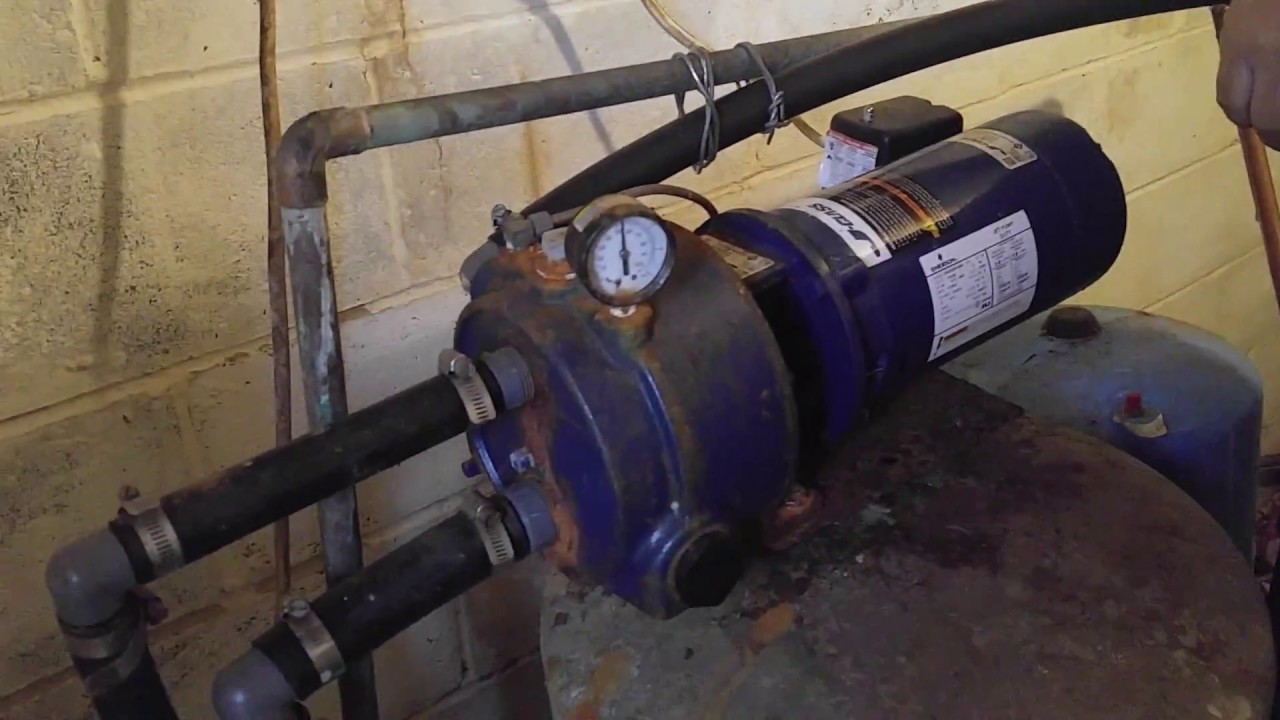
For homeowners relying on well water, a properly functioning shallow well pump is crucial. This article provides a comprehensive guide to priming a shallow well pump, essential for maintaining consistent water pressure and supply. Whether you're a homeowner experiencing pump issues, an HVAC technician troubleshooting a system, or a facility manager overseeing building operations, this information will help you understand and resolve common priming problems.
Understanding Shallow Well Pumps
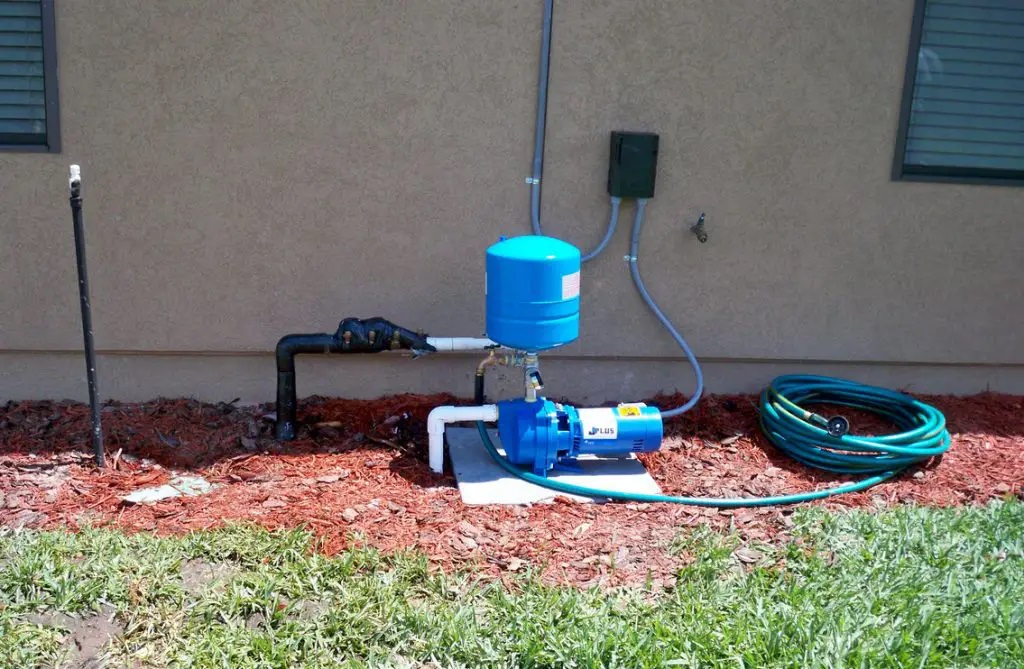
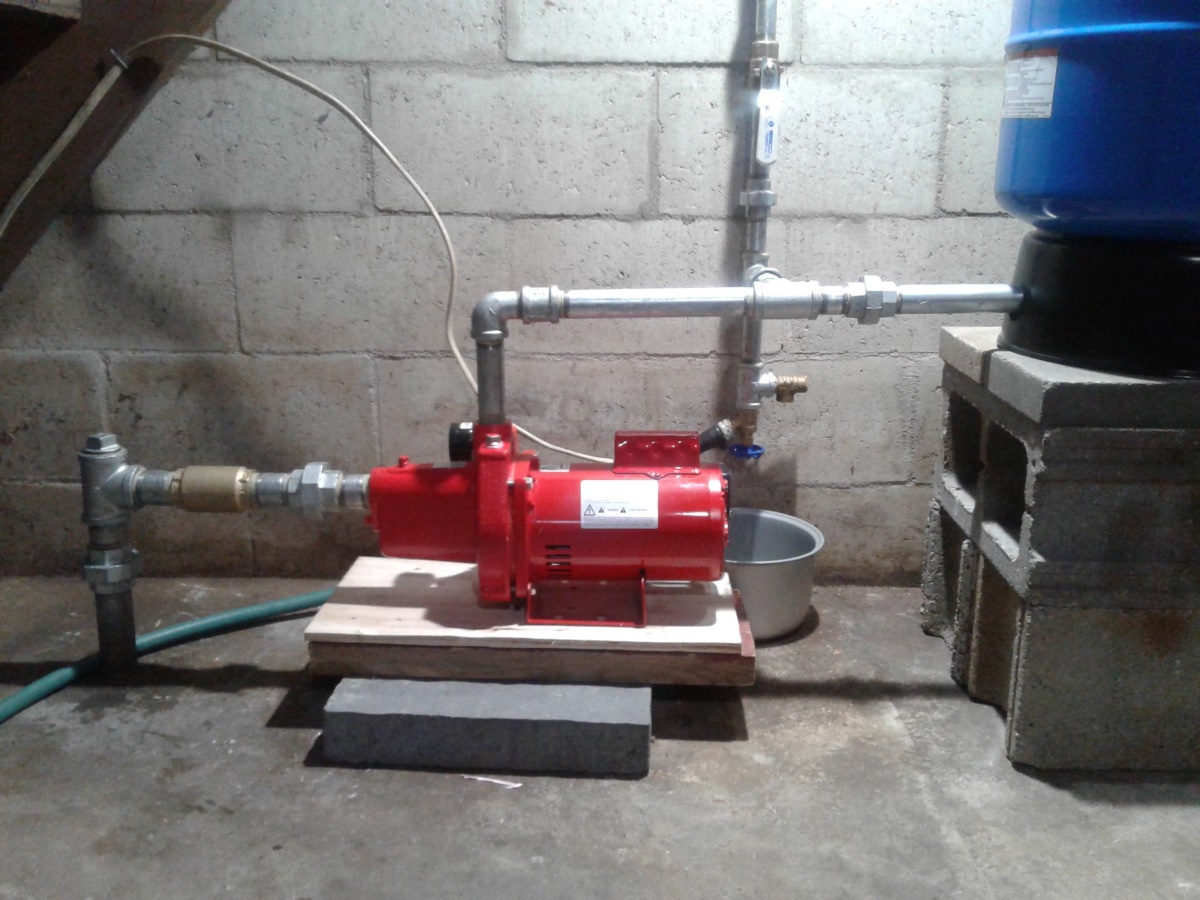
Shallow well pumps, typically used when the water table is within 25 feet of the pump, rely on suction to draw water. This suction is created by a vacuum within the pump. When air enters the system, the pump loses its prime, meaning it's no longer able to create that necessary vacuum. Priming is the process of filling the pump and suction line with water, displacing the air and allowing the pump to function correctly.
A common misconception is that all well pumps are the same. Deep well pumps, for example, utilize submersible pumps that sit directly in the well, pushing water upwards. Shallow well pumps, on the other hand, are located above ground and pull water via suction. This difference in design dictates the priming requirements.
Identifying the Need for Priming
Several signs indicate that your shallow well pump requires priming:
- No Water Flow: The most obvious sign is a complete absence of water when you turn on a faucet or appliance connected to the well system.
- Air Spitting from Faucets: Sputtering faucets indicate air in the water lines, suggesting the pump is drawing air instead of water.
- Pump Running Constantly: A pump that runs continuously without delivering water is likely struggling to establish suction and needs priming. This can also damage the pump motor over time.
- Unusual Pump Noises: Gurgling or rattling sounds coming from the pump can suggest air is present in the system.
- Low Water Pressure: A noticeable decrease in water pressure throughout the house can also indicate a loss of prime.
Step-by-Step Priming Procedure
Priming a shallow well pump involves several key steps:
Step 1: Safety First
Before starting any work on your well pump, disconnect the power to the pump at the circuit breaker. This prevents accidental electrical shock. Ensure the area around the pump is dry and clear of any obstructions.
Step 2: Locate the Priming Plug
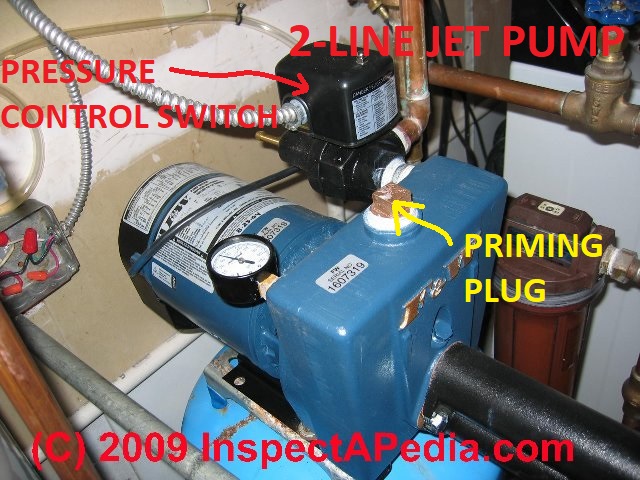
Most shallow well pumps have a priming plug located on top of the pump housing. This plug is typically a threaded fitting that can be unscrewed to access the pump's internal chamber. Consult your pump's manual if you're unsure of its location.
Step 3: Remove the Priming Plug
Using a wrench, carefully unscrew the priming plug. Some water may spill out, so have a bucket or towel ready to catch any drips. Inspect the O-ring or gasket on the plug for damage and replace if necessary.
Step 4: Fill the Pump with Water
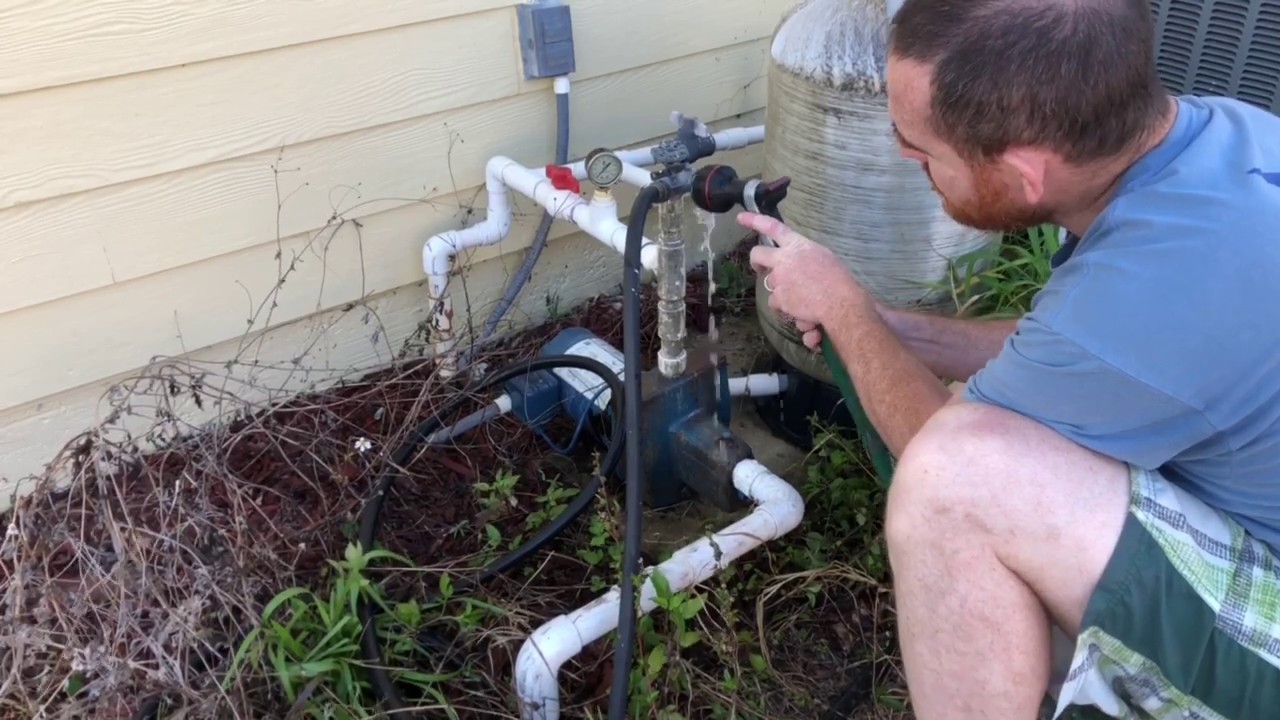
Slowly pour clean water into the priming port until the pump casing is completely full. Use a funnel to avoid spills. It may take several quarts of water to fill the pump. As you pour, listen for air escaping from the suction line. This indicates that the air is being displaced by the water.
Step 5: Check the Suction Line
Ideally, the suction line running from the well to the pump should also be filled with water. If possible, disconnect the suction line at the pump and pour water directly into the pipe until it's full. Reconnect the suction line securely.
Step 6: Replace the Priming Plug
Once the pump and suction line are filled with water, replace the priming plug and tighten it securely. Ensure the O-ring or gasket is properly seated to create a watertight seal.
Step 7: Restore Power and Start the Pump
Turn the power back on to the pump at the circuit breaker. The pump should now start running. Listen carefully for any unusual noises. If the pump struggles to draw water or continues to run without delivering water, repeat steps 4-6. You may need to repeat the priming process several times to completely remove all the air from the system.
Step 8: Monitor Water Pressure
After the pump has been successfully primed, monitor the water pressure gauge. The pressure should rise to the normal operating range for your system. Check all faucets and appliances connected to the well system to ensure water is flowing freely and consistently.
Troubleshooting Priming Issues
If you're having difficulty priming your shallow well pump, consider these troubleshooting tips:
- Check for Leaks: Air leaks in the suction line are a common cause of priming problems. Inspect all fittings and connections for signs of leaks. Replace any damaged or worn components. Even a small leak can prevent the pump from establishing suction.
- Inspect the Foot Valve: The foot valve, located at the bottom of the suction line in the well, prevents water from flowing back into the well when the pump is not running. A faulty foot valve can allow water to drain from the suction line, causing the pump to lose its prime. Test the foot valve by trying to blow air through it in both directions. It should only allow air to flow in one direction.
- Check the Well Water Level: If the water level in the well has dropped below the suction line, the pump will not be able to draw water. This can happen during periods of drought or high water demand. Consider lowering the suction line or deepening the well.
- Air Lock in the Impeller: Sometimes, air can become trapped in the pump's impeller, preventing it from spinning properly. Try loosening the priming plug slightly while the pump is running to allow any trapped air to escape.
- Clogged Suction Line: Debris or sediment can clog the suction line, restricting water flow. Disconnect the suction line and flush it with clean water to remove any obstructions.
Preventive Maintenance
Regular maintenance can help prevent priming problems and extend the lifespan of your shallow well pump:
- Inspect the System Regularly: Periodically check all fittings, connections, and components for signs of leaks, corrosion, or damage.
- Maintain Proper Water Level: Monitor the water level in your well, especially during dry periods.
- Clean the Suction Line: Flush the suction line periodically to remove any debris or sediment.
- Replace the Foot Valve: Replace the foot valve every few years to ensure it's functioning properly.
- Consider a Check Valve: Installing a check valve in the suction line can help prevent water from flowing back into the well, reducing the frequency of priming.
Professional Assistance
If you're unable to prime your shallow well pump or are experiencing persistent problems, it's best to consult a qualified HVAC technician or well pump specialist. They have the expertise and equipment to diagnose and repair complex issues, ensuring your well system operates safely and efficiently.
Cost Considerations: The cost of repairing or replacing a shallow well pump can vary depending on the extent of the damage and the type of pump. A simple priming issue may only require a service call, while a complete pump replacement can cost several hundred to several thousand dollars. Regular maintenance and prompt repairs can help prevent costly replacements.
Efficiency and Lifespan: A properly maintained shallow well pump can provide years of reliable service. The lifespan of a pump typically ranges from 10 to 15 years, depending on usage and maintenance. Newer, more efficient pump models can help reduce energy consumption and lower your water bill.
By following these steps and implementing preventive maintenance practices, you can ensure your shallow well pump remains properly primed and delivers a consistent supply of water to your home or facility. Remember to prioritize safety and seek professional assistance when needed.