How To Read A Serial Number

Understanding a serial number might seem daunting, but it's a surprisingly useful skill. Serial numbers are like unique fingerprints for products, helping manufacturers track production, manage warranties, and identify specific models. This guide will break down the anatomy of a serial number, helping you decipher its secrets and use it to your advantage.
What is a Serial Number?
A serial number is a unique identifier assigned to a specific instance of a product. Think of it as a car's Vehicle Identification Number (VIN), but for a wider range of items, from appliances and electronics to tools and machinery. Unlike a model number, which identifies the type of product, a serial number identifies that specific item.
Why are serial numbers important? They offer several benefits:
- Warranty Claims: Manufacturers use serial numbers to verify warranty coverage. You'll need it when making a claim.
- Product Identification: They pinpoint the exact model, configuration, and sometimes even the production batch of your product.
- Theft Prevention: Serial numbers can help track stolen items and aid in recovery.
- Counterfeit Detection: They help distinguish genuine products from fakes.
- Recalls: Manufacturers use serial numbers to identify affected units during product recalls.
- Service and Support: Knowing the serial number allows service technicians to access specific information about your device, aiding in diagnosis and repair.
Anatomy of a Serial Number
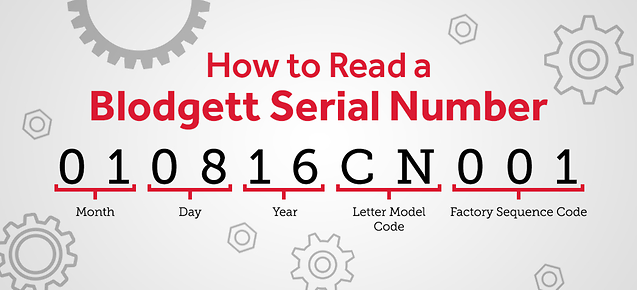
Serial numbers aren't random strings of characters. They often contain coded information. While the structure varies between manufacturers and product types, certain patterns frequently appear. Let's examine some common components:
Manufacturer Identification
Often, the first few characters (letters or numbers) identify the manufacturer. This isn't always straightforward. Sometimes it's an abbreviation or a code known only to the manufacturer. Knowing the general industry can help you narrow down possibilities. For example, serial numbers on refrigerators might have codes relating to appliance manufacturers.
Production Date
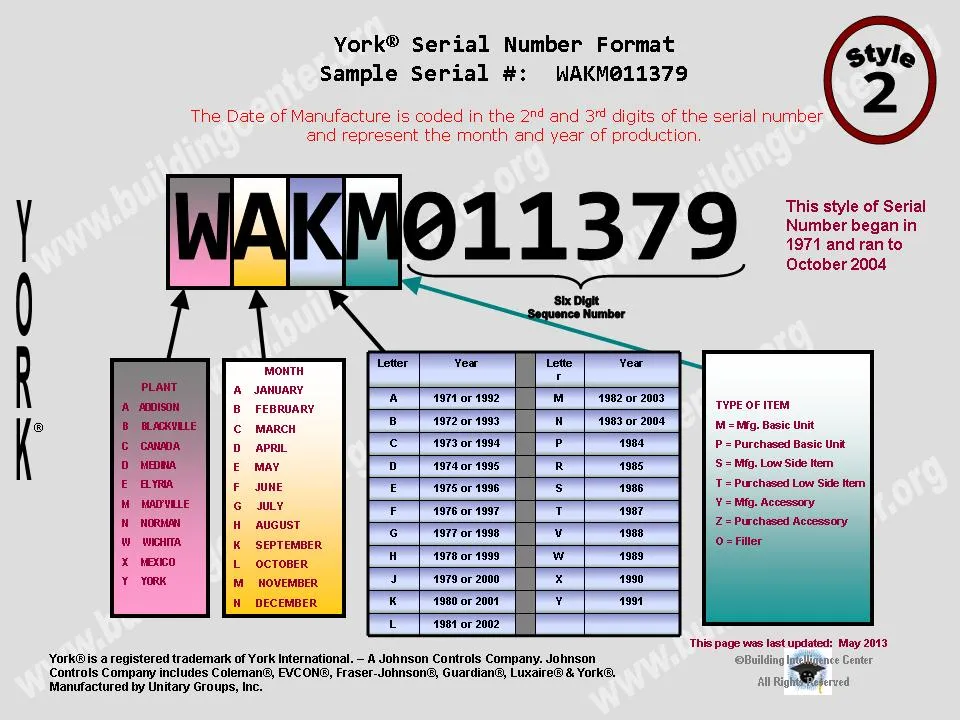
Many serial numbers include information about the date of manufacture. This is incredibly helpful for determining the age of your product, which is important for assessing its value, estimating its remaining lifespan, and confirming warranty eligibility. The date can be encoded in several ways:
- Year and Month: A common method is to represent the year and month using numbers or letters. For example, "2305" could represent May 2023. Letters A-L might represent the months (A=January, B=February, etc.).
- Julian Date: This format uses the year and the day of the year (1-365 or 1-366 for leap years). For example, "23150" would mean the 150th day of 2023.
- Week and Year: Some manufacturers use the week of the year (1-52) along with the year.
Always check the manufacturer's documentation or website to understand their specific date coding system.
Location of Manufacture
Less common, but still possible, is information about the location where the product was manufactured. This could be a country code or a plant identifier. Knowing where a product was made can sometimes indicate the quality standards or the target market. For example, products manufactured in different factories, even by the same company, might have subtle variations in quality control.
Sequential Number
The final part of the serial number is usually a sequential number. This is a unique number assigned to each individual unit produced. It's the most important part for distinguishing one product from another. The sequential number can be several digits long and is often the easiest part of the serial number to identify. Think of it as the unique "name" for that particular item.
Check Digit
Some serial numbers include a check digit. This is a single digit calculated based on the other digits in the serial number using a specific algorithm. It's used to verify the accuracy of the serial number when it's entered into a system. If the calculated check digit doesn't match the one in the serial number, it indicates an error in data entry. Check digits are less common now due to the ubiquity of barcode scanners which eliminate potential transcription errors.
Where to Find Serial Numbers
The location of a serial number varies depending on the product type. Here are some common places to look:
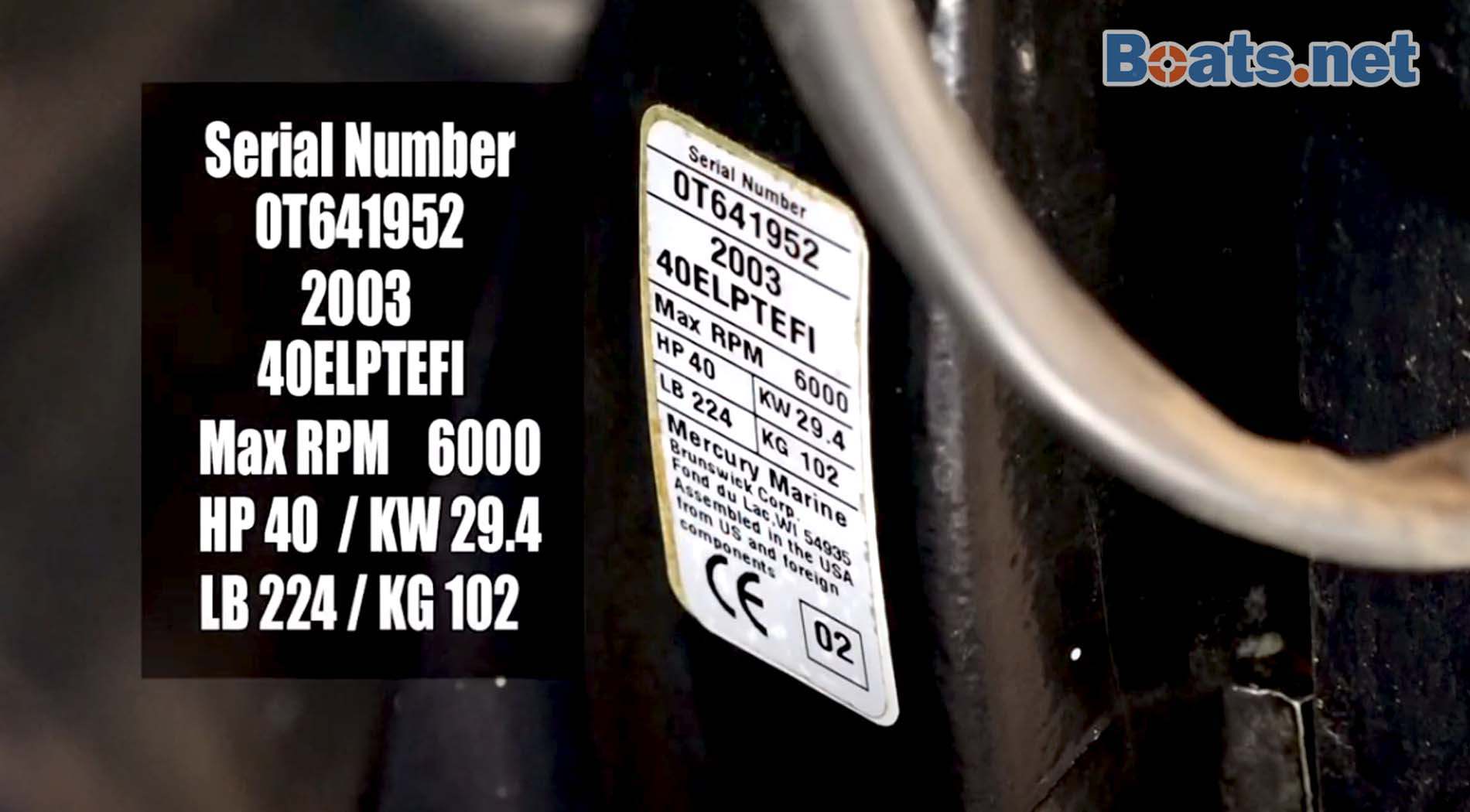
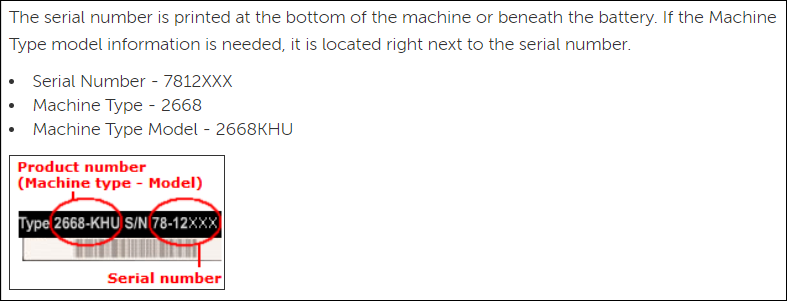
- Product Label: This is the most common location. Look for a sticker or plate, often on the back, bottom, or side of the product.
- Packaging: The serial number is often printed on the original packaging. Don't throw it away until you're sure you don't need it!
- Engraved or Stamped: On some products, the serial number is directly engraved or stamped into the metal or plastic. This is common for tools, machinery, and some electronics.
- Battery Compartment: For devices with removable batteries, the serial number may be located inside the battery compartment.
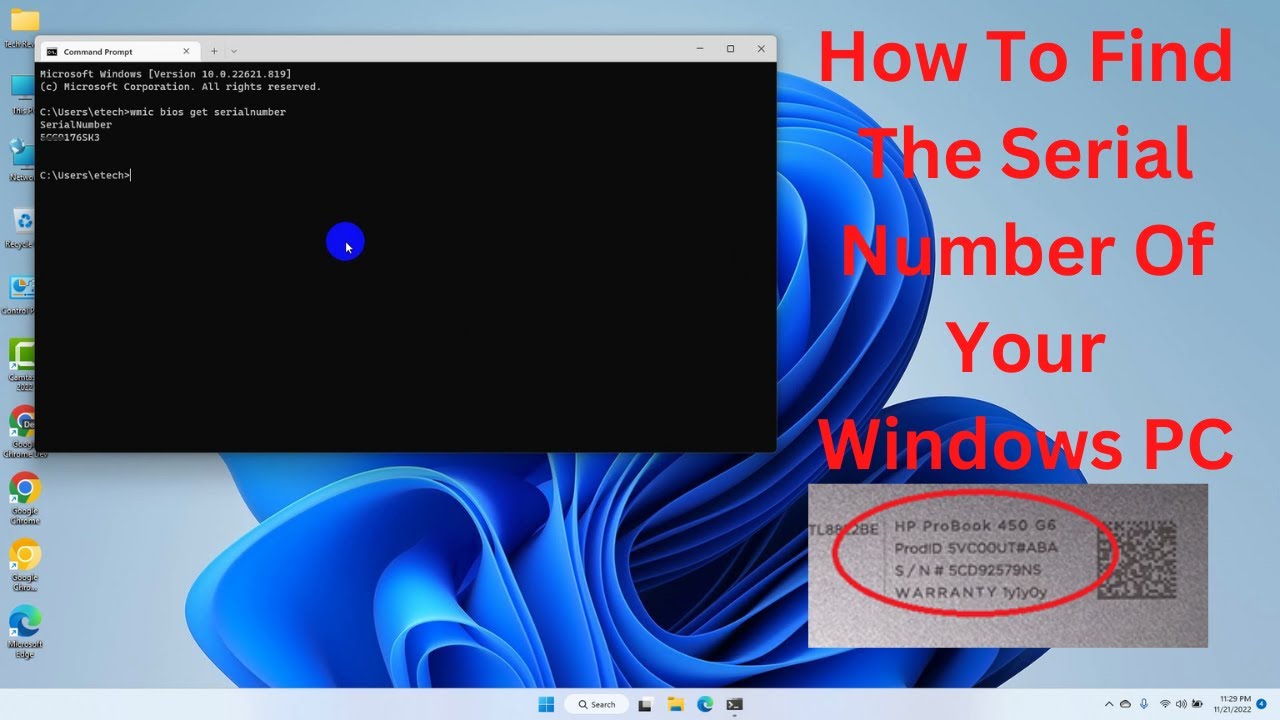
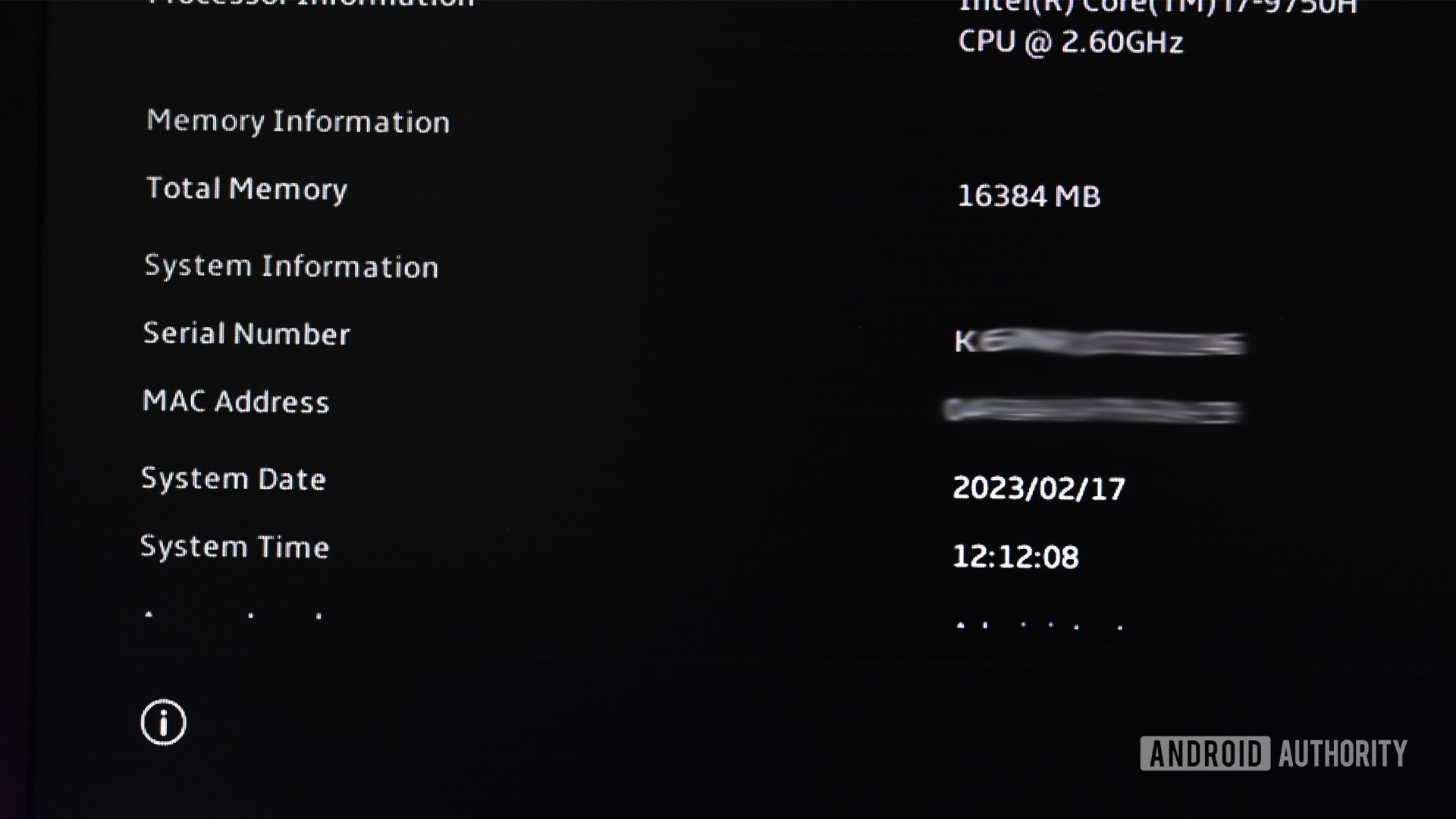
- Software/Device Settings: For electronic devices like smartphones, tablets, and computers, the serial number can often be found in the device's settings menu (e.g., "About" or "System Information").
- BIOS/UEFI: For computers, the serial number might be stored in the BIOS or UEFI firmware.
Decoding Examples
Let's look at some hypothetical examples to illustrate how serial numbers can be decoded.
Example 1: Appliance - Refrigerator
Serial Number: ABC230712345
- ABC: Manufacturer code (hypothetical)
- 23: Year of manufacture (2023)
- 07: Month of manufacture (July)
- 12345: Sequential number
This refrigerator was likely manufactured in July 2023.
Example 2: Electronics - Laptop
Serial Number: CN1234XYZ56789
- CN: Country of manufacture (China - hypothetical)
- 1234: Factory code (hypothetical)
- XYZ: Model identifier (part of the broader model number, but specific to a configuration)
- 56789: Sequential number
This laptop was likely manufactured in China, in a specific factory, and relates to a particular model configuration.
Example 3: Power Tool - Drill
Serial Number: DW234512345
- DW: Manufacturer code (hypothetical)
- 23: Year of manufacture (2023)
- 45: Week of manufacture (45th week of the year)
- 12345: Sequential number
This power drill was likely manufactured in the 45th week of 2023.
Tools and Resources
While you can often decipher serial numbers yourself, some resources can help:
- Manufacturer's Website: Many manufacturers have pages on their website that allow you to enter a serial number and get information about your product, including warranty status and specifications.
- Online Serial Number Decoder Tools: Some websites offer generic serial number decoder tools. These are less reliable as they don't have specific manufacturer data, but they can sometimes help you identify the date of manufacture.
- Contacting the Manufacturer: If you're unsure about the meaning of a serial number, the best course of action is to contact the manufacturer directly. Their customer support team should be able to provide you with detailed information.
Common Mistakes to Avoid
When dealing with serial numbers, avoid these common errors:
- Misreading Characters: It's easy to mistake similar-looking characters like "0" (zero) and "O" (the letter O), or "1" (one) and "I" (the letter I). Double-check your transcription.
- Entering the Model Number: Make sure you're entering the serial number, not the model number. The model number identifies the product type; the serial number identifies the specific unit.
- Ignoring Leading or Trailing Zeros: Leading and trailing zeros are often significant parts of the serial number. Don't omit them.
- Damaged Serial Number Labels: If the serial number label is damaged or illegible, try looking in other locations (e.g., battery compartment, device settings). If all else fails, contact the manufacturer.
Protecting Your Serial Numbers
While serial numbers are useful, they can also be used for malicious purposes, such as registering stolen products. Treat your serial numbers with care:
- Record Serial Numbers: Keep a record of the serial numbers of your valuable possessions in a safe place. This will be helpful if your items are lost or stolen.
- Be Cautious About Sharing: Avoid sharing your serial numbers publicly, especially on online forums or social media. Only provide them to trusted sources, such as the manufacturer's customer support team.
- Secure Online Accounts: If you register your products online, use strong passwords and enable two-factor authentication to protect your account.
Conclusion
Reading a serial number is a valuable skill that can save you time and frustration. By understanding the basic structure and components of serial numbers, you can unlock useful information about your products, verify warranties, identify potential issues, and protect yourself from fraud. Take the time to familiarize yourself with the serial numbers of your important possessions. This knowledge can empower you to make more informed decisions and ensure you get the most out of your investments.