How To Read Carrier Furnace Error Codes
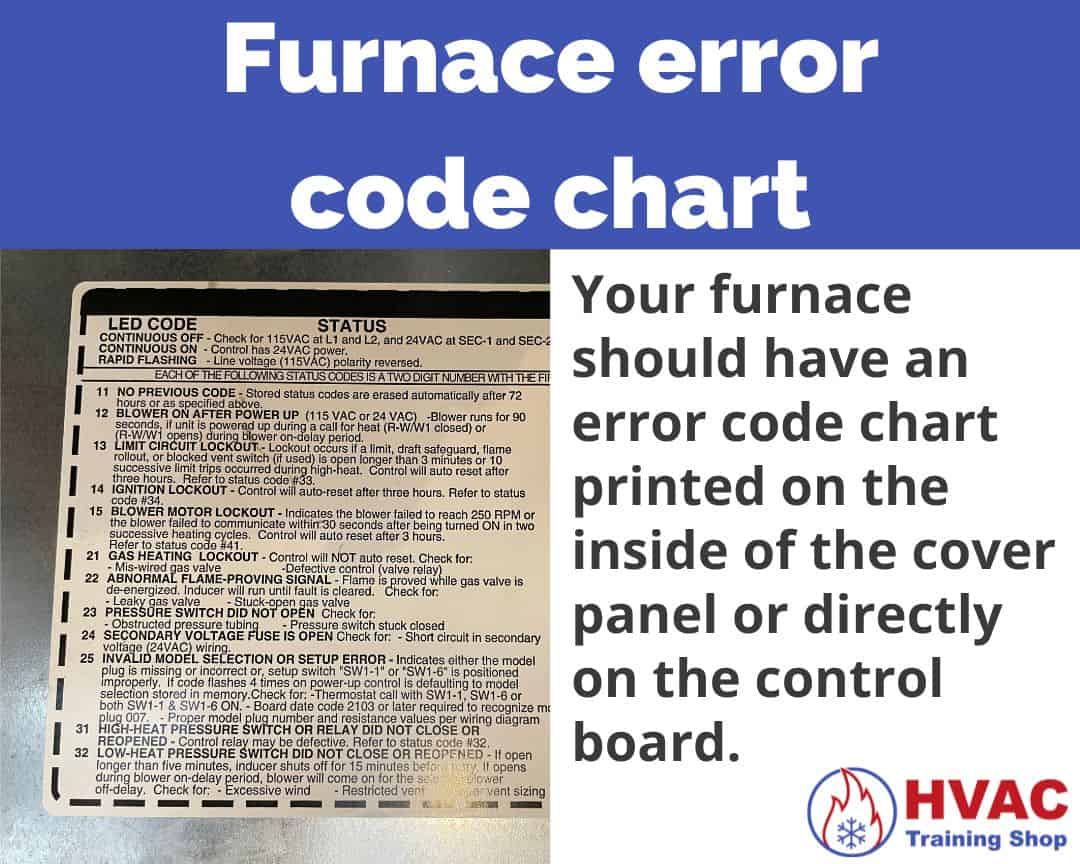
Understanding your Carrier furnace is crucial for maintaining a comfortable and safe home or building. While modern furnaces are highly reliable, they can sometimes experience issues. When a problem arises, your Carrier furnace will often display an error code, acting as a diagnostic tool to help pinpoint the source of the malfunction. Knowing how to read and interpret these codes can save you time and money on repairs.
Locating the Error Code Display
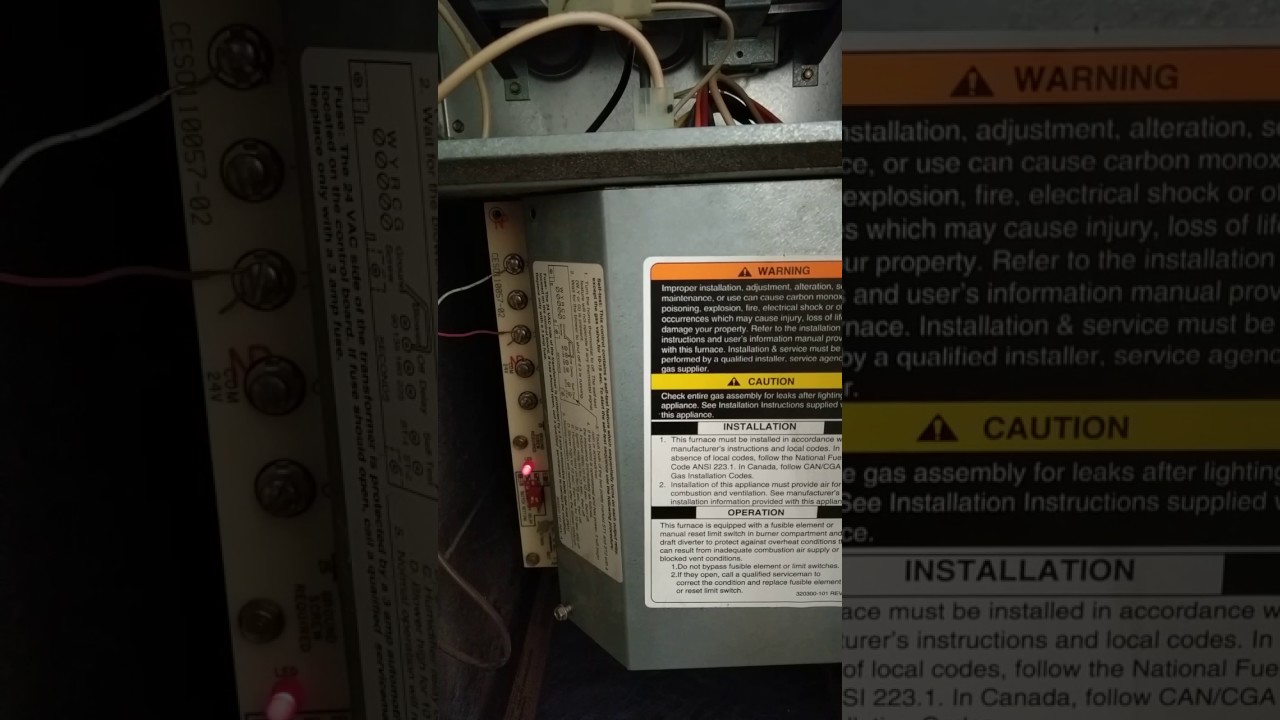
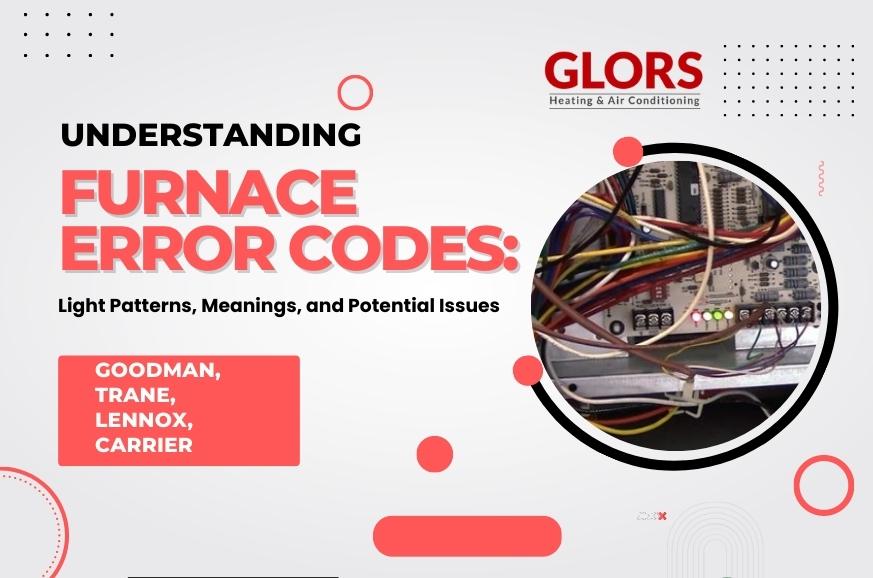
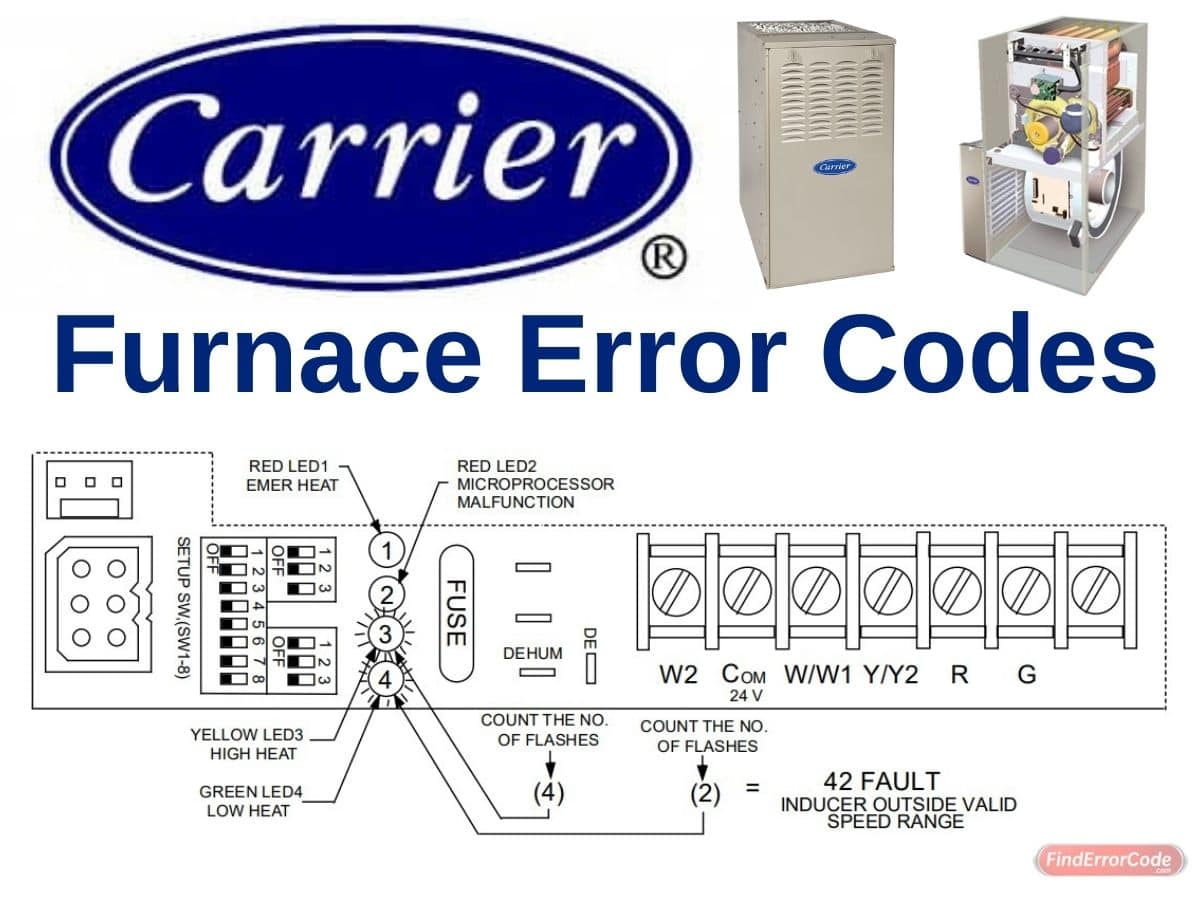
The first step is finding the error code display on your Carrier furnace. This is usually located on the furnace control board, inside the unit's main compartment. Safety First! Before opening the furnace, always turn off the power to the unit at the breaker box. The control board is typically a green circuit board with various components, including a small LED display (often a single-digit or two-digit display) or a series of flashing lights.
In older Carrier models, you might find a simple flashing LED. The error code is determined by the number of flashes, followed by a pause, and then repeated. Newer models generally have a more sophisticated digital display that shows a numerical or alphanumeric code directly.
Example: An older furnace might flash the LED three times, pause, and repeat. This would indicate error code 31 or 32 depending on model. A newer furnace might display “31” or “32” directly on the LED screen.
Understanding Common Carrier Furnace Error Codes
Carrier furnace error codes are designed to provide specific information about potential issues. Here's a breakdown of some of the most common codes and their meanings:
Single Digit Codes (Older Models)
- Code 13: Limit Switch Lockout. This indicates that the furnace has overheated, causing the limit switch to trip. Common causes include a dirty air filter, blocked vents, or a malfunctioning blower motor. The system will usually lock out, requiring manual reset after the issue is resolved.
- Code 31 or 32: Pressure Switch Problems. A pressure switch ensures that the draft inducer motor is working correctly and venting exhaust gases safely. These codes suggest a problem with the pressure switch, the inducer motor, or a blockage in the vent pipes.
- Code 33: Flame Sensing Error. This means the furnace is having trouble detecting the flame after ignition. Possible causes include a dirty flame sensor, a faulty gas valve, or incorrect gas pressure.
Two-Digit Codes (Newer Models)
- Code 11: Flame Sense Lost During Burn. Similar to the single-digit code 33, but more specific. This code indicates that the flame was initially detected, but then lost during the heating cycle. Again, check the flame sensor, gas valve, and gas pressure.
- Code 13: Limit Switch Open - Lockout. Identical meaning to older code 13. Overheating issue.
- Code 21: Excessive Rollout Switch Opens - Lockout. This indicates a problem with the rollout switch, which is a safety device that protects against flames rolling out of the burner compartment. This is a serious issue that requires immediate attention from a qualified HVAC technician. Often caused by blocked flue or damaged heat exchanger.
- Code 31: Pressure Switch Did Not Open. This means the pressure switch remained closed when it should have opened. This can indicate a problem with the inducer motor or blockage in the flue.
- Code 33: Pressure Switch Did Not Close or Reopened. The pressure switch did not close when it should have, preventing the furnace from starting, or reopened mid-cycle, indicating a potential problem with the venting system.
- Code 41: Blower Motor Fault. This indicates a problem with the blower motor, which circulates air throughout your home. This could be a motor failure, wiring issue, or a problem with the blower motor capacitor.
Note: This is not an exhaustive list. Consult your Carrier furnace's service manual for a complete list of error codes specific to your model.
Troubleshooting Steps for Common Error Codes
While some error codes require professional assistance, there are a few troubleshooting steps you can take yourself:
- Check the Air Filter: A dirty air filter is a common cause of overheating and can trigger limit switch errors (Code 13). Replace the filter with a clean one. Standard air filters are inexpensive, costing between $5-$20, and should be changed every 1-3 months. High-efficiency filters can cost up to $50 and may need less frequent changes.
- Inspect Vents and Registers: Ensure that all vents and registers are open and not blocked by furniture or other obstructions. Blocked vents restrict airflow, leading to overheating.
- Check the Flame Sensor: The flame sensor is a small metal rod located near the burner. If it's dirty, it can prevent the furnace from detecting the flame. Carefully clean the sensor with fine steel wool or sandpaper.
- Reset the Furnace: After addressing a potential issue, try resetting the furnace by turning off the power at the breaker box for a few minutes, then turning it back on.
Important: If you are uncomfortable working with electrical components or gas lines, do not attempt to troubleshoot the furnace yourself. Contact a qualified HVAC technician.
When to Call a Professional
While some minor issues can be resolved with simple troubleshooting, other error codes indicate more serious problems that require professional attention. You should call a qualified HVAC technician if you encounter any of the following:
- Gas Leaks: If you smell gas near your furnace, evacuate the premises immediately and call your gas company or the fire department.
- Rollout Switch Errors (Code 21): This indicates a potentially dangerous situation that requires immediate attention.
- Recurring Error Codes: If an error code reappears frequently, even after troubleshooting, it indicates an underlying problem that needs to be addressed by a professional.
- Unfamiliar Error Codes: If you cannot find the error code in your furnace's service manual or online resources, consult a technician.
Cost of Furnace Repair
The cost of furnace repair can vary depending on the nature of the problem. Simple repairs, such as replacing a flame sensor, may cost around $100-$200. More complex repairs, such as replacing a gas valve or blower motor, can cost several hundred dollars. In some cases, if the furnace is old or severely damaged, it may be more cost-effective to replace the entire unit. New furnace installation costs can range from $3,000 to $7,000, depending on the size and efficiency of the unit. The average lifespan of a gas furnace is 15-20 years.
Preventative Maintenance
Regular preventative maintenance can help prevent furnace problems and extend the life of your unit. Schedule annual maintenance with a qualified HVAC technician to ensure that your furnace is operating safely and efficiently. A typical furnace tune-up includes:
- Inspecting and cleaning the burners
- Checking the heat exchanger for cracks or leaks
- Testing the gas pressure
- Inspecting and cleaning the blower motor
- Checking the electrical connections
- Testing the safety controls
The cost of annual furnace maintenance is typically between $100 and $200. This is a small price to pay for the peace of mind and potential savings on future repairs.
Conclusion
Understanding Carrier furnace error codes is a valuable skill for any homeowner, HVAC technician, or facility manager. By learning how to read and interpret these codes, you can quickly identify potential problems and take appropriate action to keep your furnace running smoothly and safely. Remember to prioritize safety and consult a qualified professional when dealing with complex or potentially dangerous issues.