How To Read York Model Numbers
Decoding York model numbers is a crucial skill for anyone involved in the HVAC industry, from students just starting out to seasoned technicians and even employers looking to hire the right talent. Understanding these alphanumeric codes allows you to quickly identify the specifications, features, and manufacturing details of a particular unit, streamlining everything from troubleshooting and repairs to parts ordering and system selection. This article will provide a comprehensive guide to deciphering York model numbers, along with valuable insights into career paths within the HVAC field and the importance of relevant certifications.
The Anatomy of a York Model Number
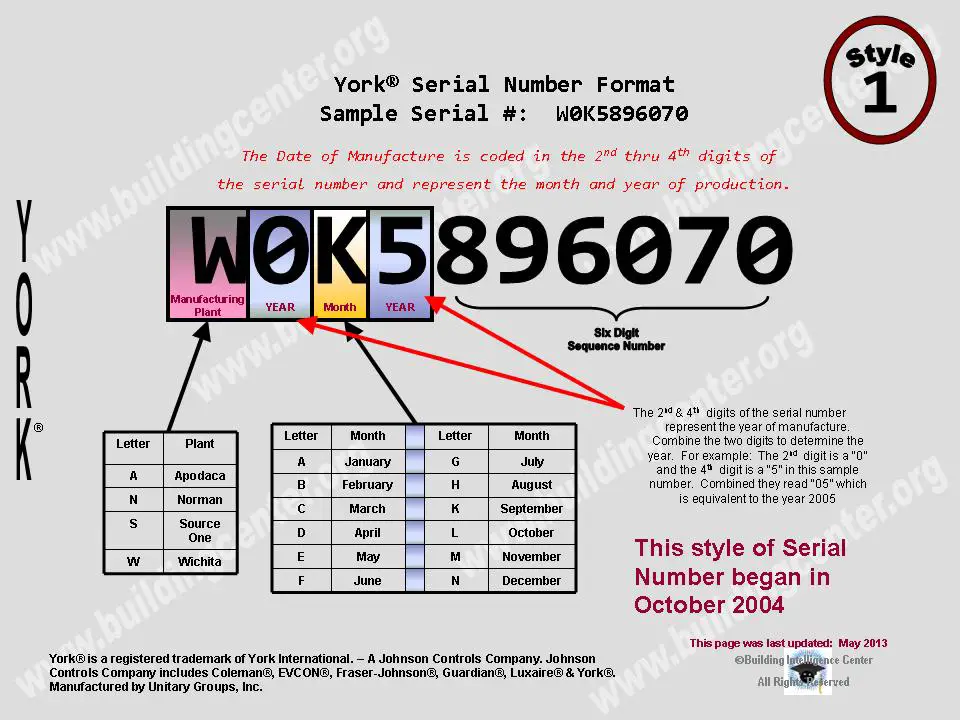
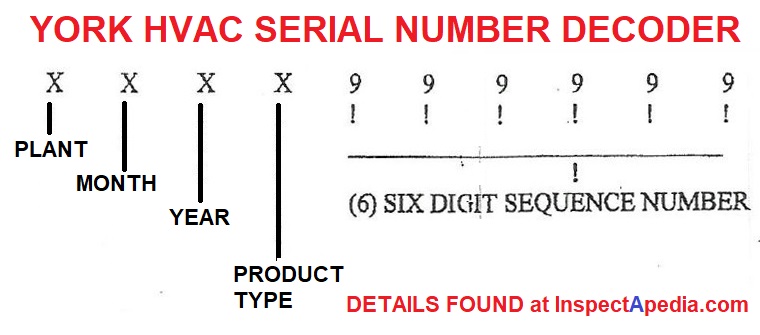
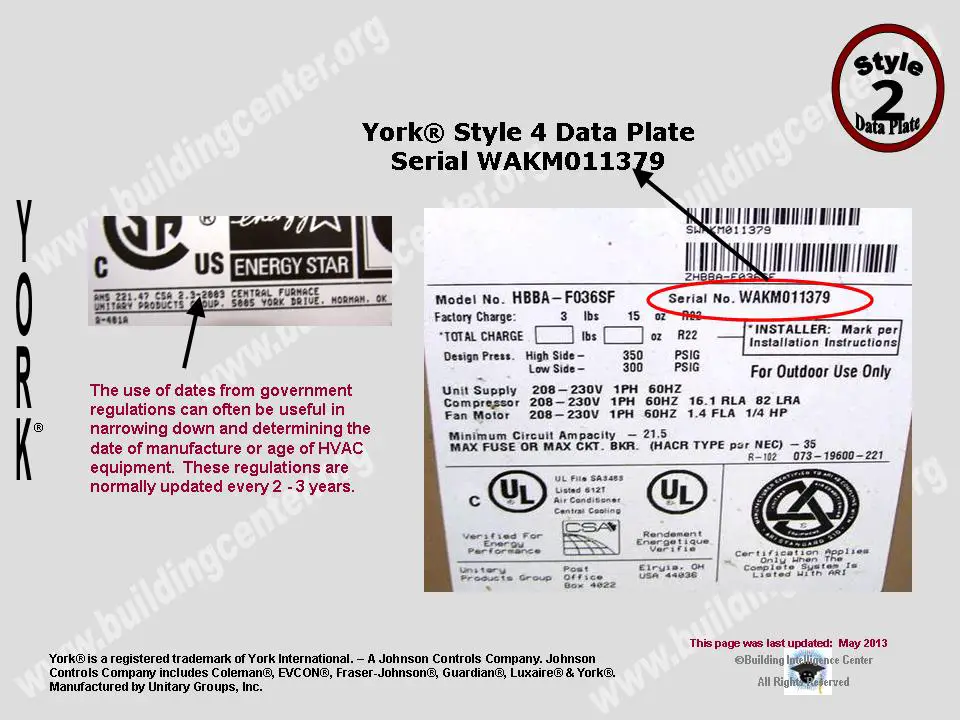
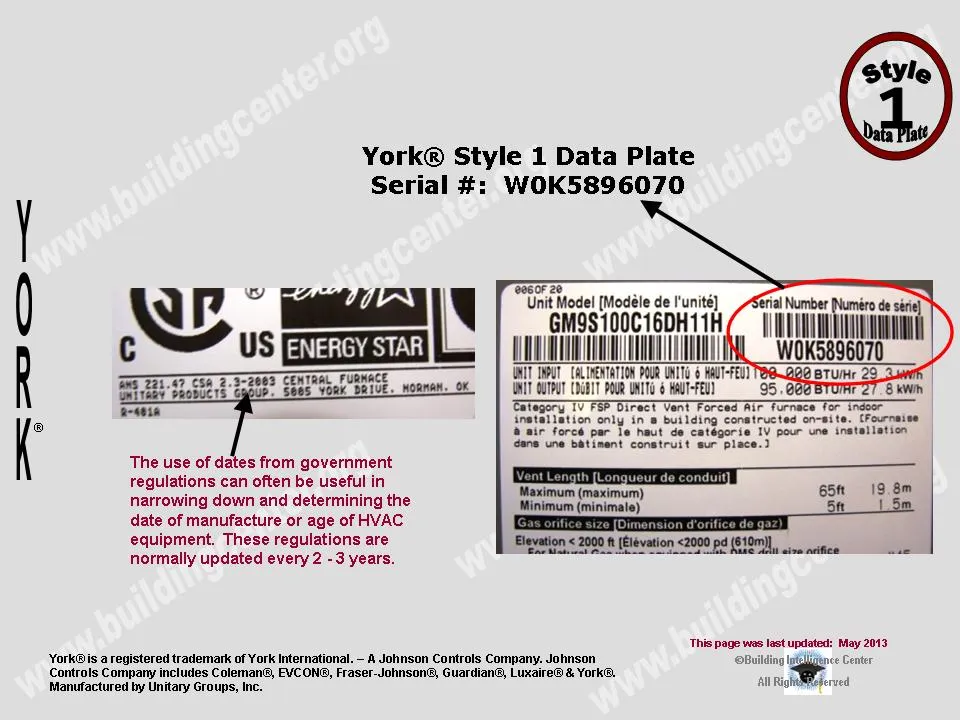
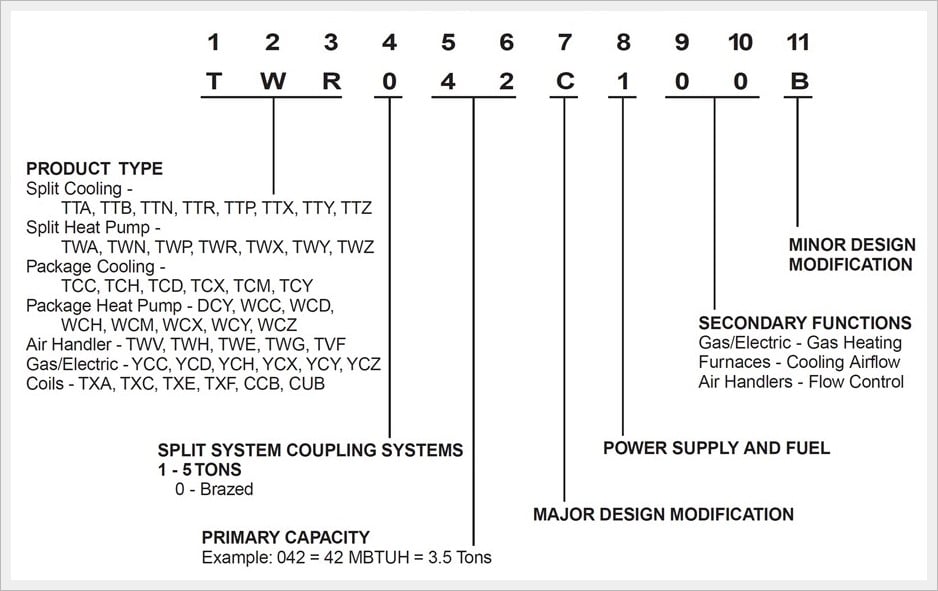
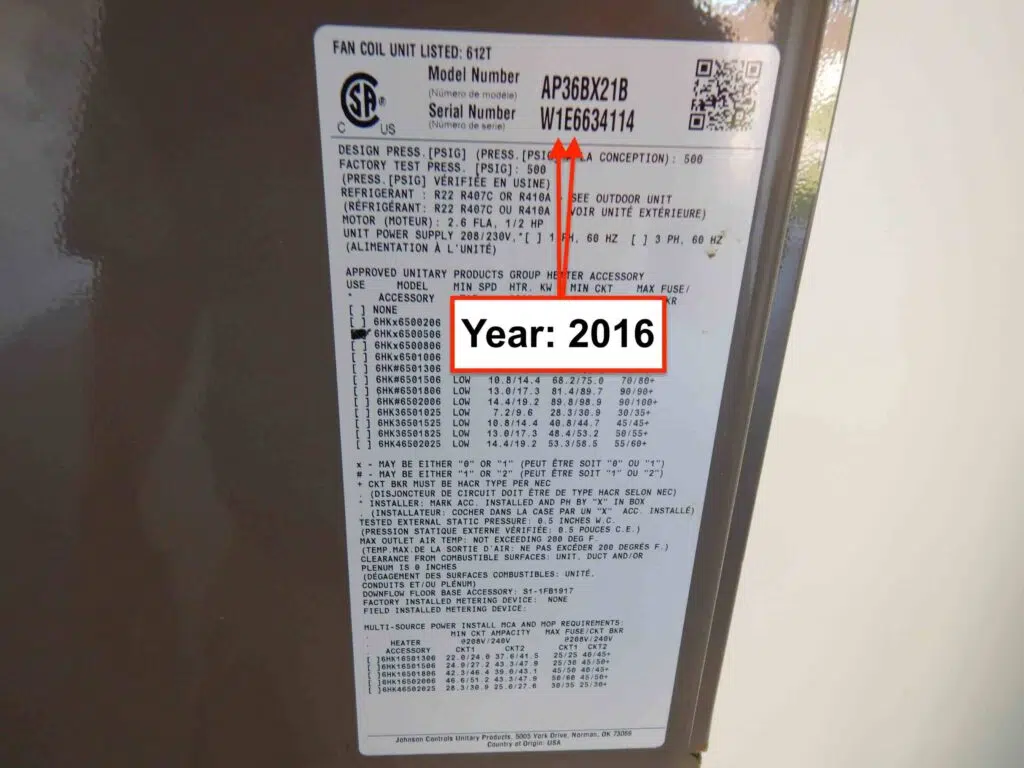
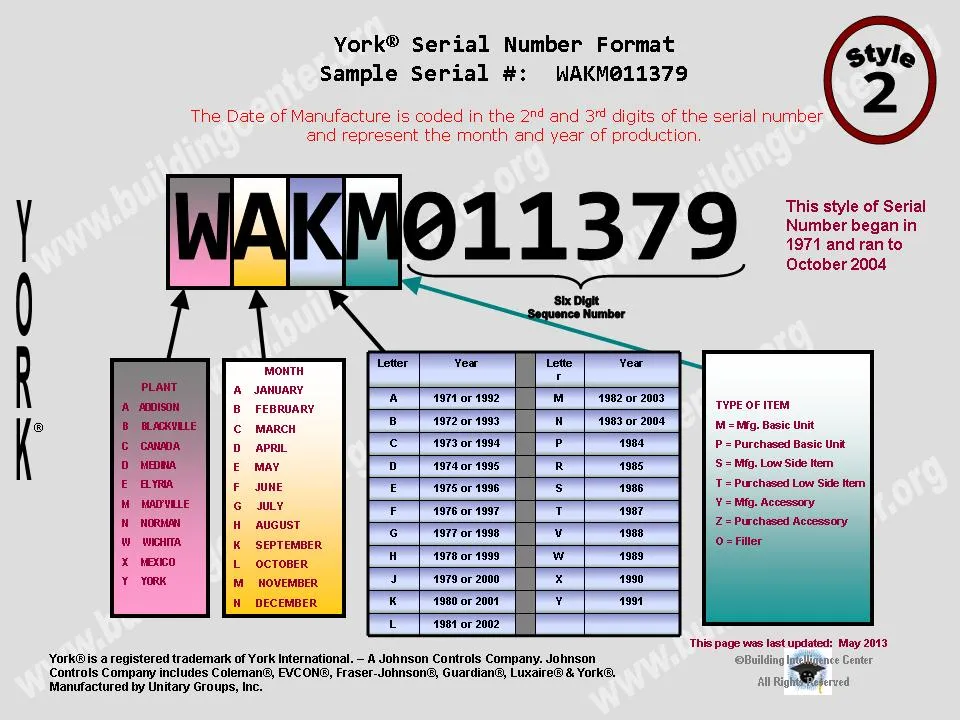
York, a leading manufacturer of heating, ventilation, and air conditioning equipment, uses a specific system for structuring its model numbers. While the exact format can vary depending on the type of equipment (e.g., air conditioners, furnaces, heat pumps), the underlying principles remain consistent. A typical York model number consists of several segments, each conveying distinct information. Here's a breakdown of the common elements:
Understanding Common Prefixes
The first part of the model number often indicates the type of unit. Here are a few examples:
- YORK: This prefix usually indicates it's a product manufactured by YORK.
- TG9S: Often represents a specific series of gas furnace.
- YCD: Often designates a specific series of air conditioning unit.
Capacity and Efficiency Ratings
Following the prefix, you'll typically find numbers related to the unit's capacity and efficiency. The capacity, usually expressed in BTUs (British Thermal Units) for heating and cooling power, can be directly encoded or require some simple math to decipher. For instance, "024" might indicate a 24,000 BTU unit, representing 2 tons (since 1 ton equals 12,000 BTUs). The efficiency is often expressed as a SEER (Seasonal Energy Efficiency Ratio) rating for air conditioners and heat pumps or an AFUE (Annual Fuel Utilization Efficiency) rating for furnaces. A higher SEER or AFUE indicates greater energy efficiency, leading to lower operating costs.
Model Series and Features
Subsequent characters within the model number often denote the specific model series, design variations, and special features. These can be alphanumeric and may require referencing a York product guide or database for complete interpretation. Features indicated here might include variable-speed blowers, communicating controls, or specific refrigerant types.
Voltage and Phase
The voltage and phase specifications are crucial for proper installation and operation. The model number will often contain codes that indicate the voltage (e.g., 115V, 208/230V, 460V) and the phase (single-phase or three-phase) of the electrical power required. Incorrect voltage or phase can damage the equipment and pose a safety hazard.
Example Breakdown
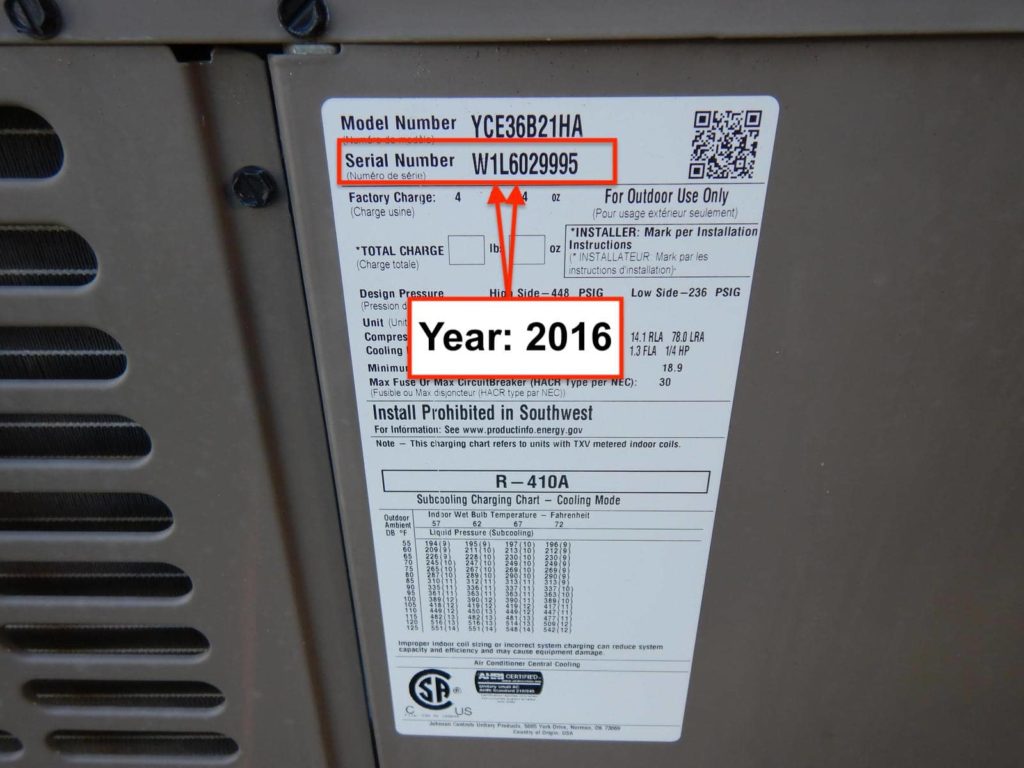
Let's consider a hypothetical York model number: YCD36B21S
- YCD: Likely indicates a York air conditioning unit.
- 36: Potentially represents 36,000 BTU cooling capacity (3 tons).
- B: Could denote a specific series or design iteration within the YCD line.
- 21: This could signify a specific SEER rating or other performance characteristic. For example, it could mean 21 SEER.
- S: May denote single-phase power.
Important Note: This is a simplified example. Always consult official York documentation for precise interpretations of specific model numbers. Accessing the York online product catalog and technical literature provides the most accurate breakdown.
HVAC Career Paths: A Booming Industry
The HVAC industry is experiencing significant growth, driven by factors such as increasing demand for energy-efficient systems, stricter building codes, and the ongoing need for maintenance and repairs of existing equipment. The U.S. Bureau of Labor Statistics projects a growth rate of 6 percent for HVAC mechanics and installers from 2022 to 2032, about as fast as the average for all occupations. This translates to roughly 38,000 new jobs over the decade.
Entry-Level Positions and Education
Many HVAC technicians begin their careers with vocational training or apprenticeships. These programs provide a combination of classroom instruction and hands-on experience, covering topics such as refrigeration principles, electrical systems, and blueprint reading. An associate's degree in HVAC technology can provide a more comprehensive understanding of the field and open doors to more advanced positions.
Skilled Technician Roles
Experienced HVAC technicians can specialize in various areas, such as:
- Installation: Installing new HVAC systems in residential or commercial buildings.
- Maintenance: Performing routine maintenance on HVAC equipment to ensure optimal performance and prevent breakdowns.
- Repair: Diagnosing and repairing malfunctioning HVAC systems.
- Controls: Specializing in the installation and programming of HVAC control systems.
- Commercial HVAC: Focusing on large-scale HVAC systems in commercial and industrial settings.
Advanced Career Paths and Salaries
With experience and further education, HVAC professionals can advance to positions such as:
- HVAC Supervisor: Overseeing teams of HVAC technicians and managing projects.
- HVAC Project Manager: Planning, coordinating, and executing HVAC projects.
- HVAC Design Engineer: Designing HVAC systems for new construction or renovations.
- HVAC Sales Engineer: Selling HVAC equipment and services to clients.
According to the U.S. Bureau of Labor Statistics, the median annual wage for HVAC mechanics and installers was $59,620 in May 2023. The best-paid 10 percent earned more than $84,880. Salaries can vary depending on factors such as experience, education, location, and specialization.
The Importance of Certifications
Certifications play a vital role in demonstrating competency and enhancing career prospects in the HVAC industry. Here are some of the most recognized and valued certifications:
EPA Section 608 Certification
The EPA Section 608 certification is mandatory for technicians who handle refrigerants. This certification ensures that technicians are knowledgeable about proper refrigerant handling practices, including recovery, recycling, and reclamation, to protect the environment from ozone-depleting substances.
NATE Certification
NATE (North American Technician Excellence) certification is a highly respected credential that validates a technician's knowledge and skills in specific HVAC areas, such as installation, service, and maintenance. NATE certification can enhance a technician's credibility, improve job opportunities, and potentially lead to higher earning potential. NATE offers certifications in various specialties, including air conditioning, heat pumps, gas furnaces, and commercial refrigeration.
Other Relevant Certifications
Other certifications that can be beneficial for HVAC professionals include:
- HVAC Excellence: Offers a range of certifications for HVAC technicians and educators.
- RSES (Refrigeration Service Engineers Society): Provides training and certification programs for refrigeration and HVAC professionals.
- Manufacturer-Specific Certifications: Many HVAC manufacturers, including York, offer certifications for their equipment.
Employer Perspectives: Hiring Skilled Workers
For employers in the HVAC industry, hiring skilled and certified technicians is crucial for providing high-quality services and maintaining a competitive edge. Employers often prioritize candidates who possess relevant certifications, such as EPA Section 608 and NATE certification, as these credentials demonstrate a commitment to professionalism and competence. Understanding York model numbers and the ability to efficiently diagnose and repair York equipment are also highly valued skills.
Recruiting Strategies
Employers use various strategies to attract and retain skilled HVAC workers, including:
- Offering competitive salaries and benefits.
- Providing opportunities for professional development and training.
- Creating a positive and supportive work environment.
- Partnering with vocational schools and apprenticeship programs.
- Offering apprenticeship programs.
The Value of Continuing Education
The HVAC industry is constantly evolving, with new technologies and regulations emerging regularly. Employers recognize the importance of continuing education and encourage their employees to stay up-to-date on the latest advancements. This can include attending workshops, seminars, and online courses. For example, understanding the latest VRF (Variable Refrigerant Flow) systems requires constant upskilling.
Conclusion
Mastering the art of reading York model numbers, coupled with the right education, certifications, and a commitment to lifelong learning, can pave the way for a successful and rewarding career in the HVAC industry. Whether you're a student, a seasoned technician, or an employer, understanding the intricacies of HVAC equipment and the importance of skilled professionals is essential for navigating this dynamic and vital sector. Embracing innovation and staying abreast of industry trends will ensure continued success in the ever-evolving world of heating, ventilation, and air conditioning.