How To Recover Refrigerant From Ac

How to Recover Refrigerant from Your AC: A Guide to Saving Energy and Protecting the Environment
Refrigerant is the lifeblood of your air conditioning system, responsible for transferring heat and keeping your home or business cool. However, older refrigerants can be harmful to the environment, and even modern ones need proper handling. Understanding how to recover refrigerant is crucial for energy efficiency, cost savings, and environmental responsibility. This comprehensive guide will walk you through the process, the regulations, and the potential benefits for homeowners, businesses, and HVAC professionals.
Why Refrigerant Recovery Matters
The primary reason for refrigerant recovery is environmental protection. Many older refrigerants, like R-22 (Freon), are potent greenhouse gases that contribute to ozone depletion. The Montreal Protocol and subsequent regulations have phased out these harmful substances, but they're still present in older systems. Improper disposal releases these gases into the atmosphere, exacerbating climate change.
Beyond environmental concerns, refrigerant recovery is often required by law. The US Environmental Protection Agency (EPA) has strict regulations under Section 608 of the Clean Air Act that govern the handling, recovery, and disposal of refrigerants. Violations can result in significant fines and penalties.
From a financial perspective, refrigerant recovery can save you money. Reclaimed refrigerant can often be reused, reducing the need to purchase new refrigerant, especially during system repairs or upgrades. Moreover, many utility companies and government agencies offer rebates and incentives for upgrading to more environmentally friendly and energy-efficient systems that require less refrigerant. Check with your local utility or the Energy Star program for available rebates.
Who Can Recover Refrigerant?
According to EPA regulations, only certified technicians are permitted to handle and recover refrigerant. This is to ensure that the process is carried out safely and responsibly, minimizing the risk of leaks and environmental damage. Technicians must pass an EPA-approved certification exam to demonstrate their knowledge of refrigerant handling procedures, regulations, and equipment. There are different types of certifications depending on the type of equipment they will be working on.
Homeowners and business owners should never attempt to recover refrigerant themselves. Doing so is illegal and poses a significant risk to your health and the environment. Always hire a licensed and certified HVAC professional for any refrigerant-related work.
The Refrigerant Recovery Process: What to Expect
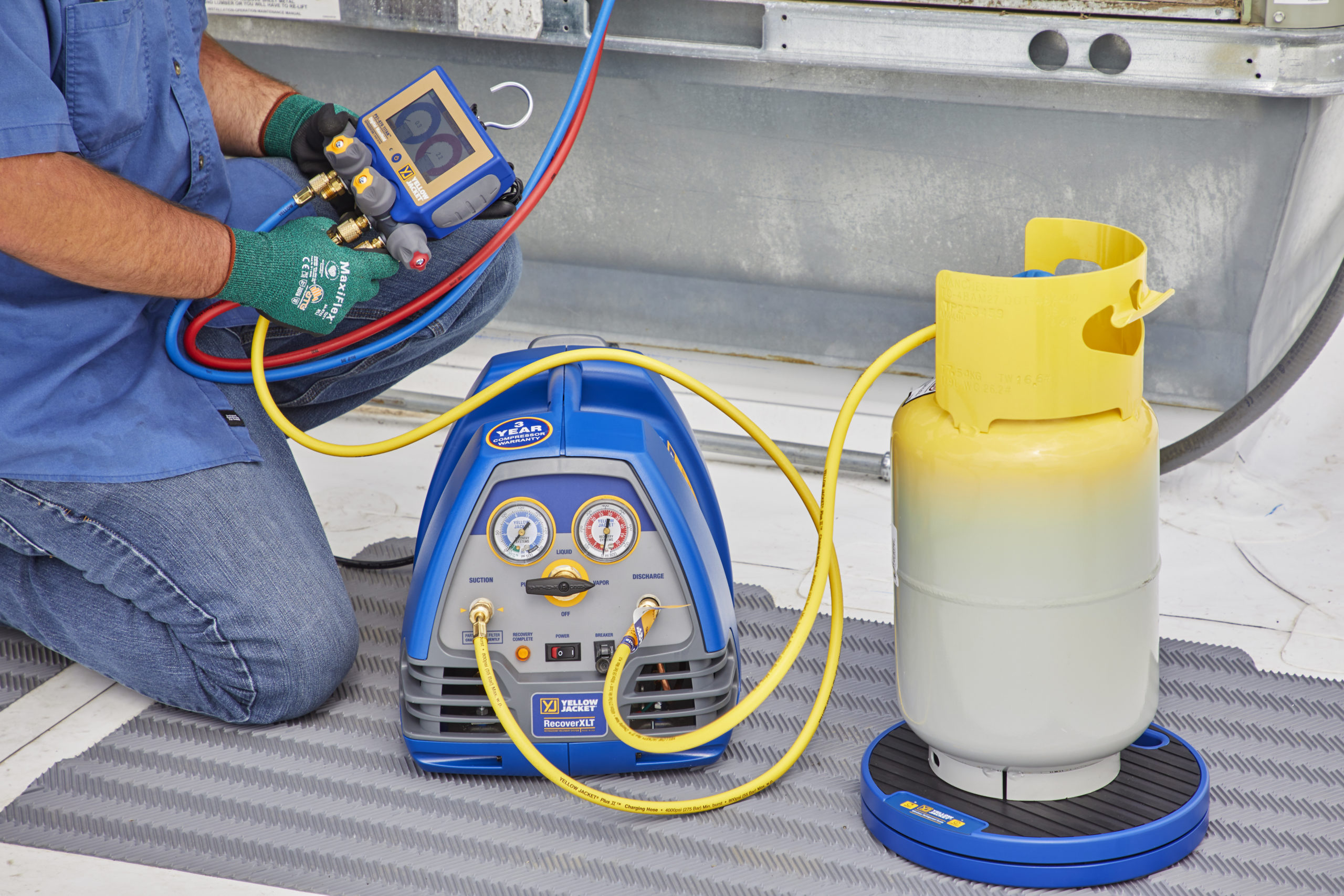
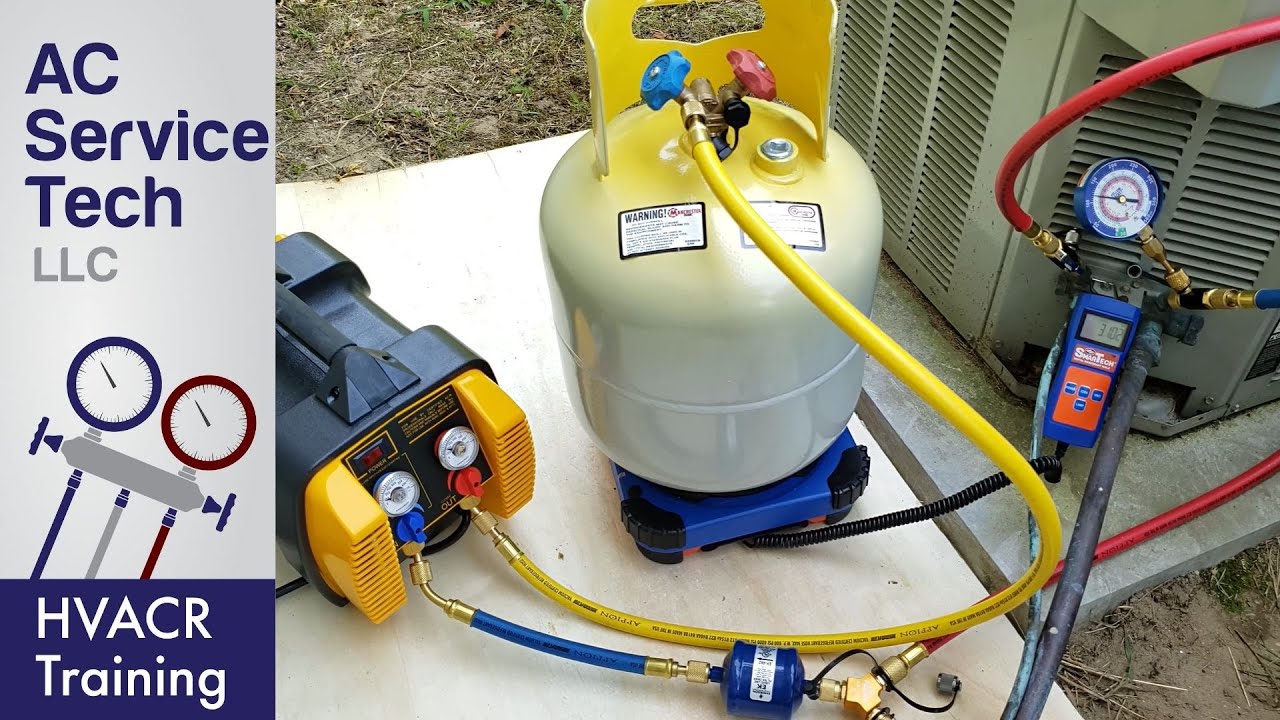
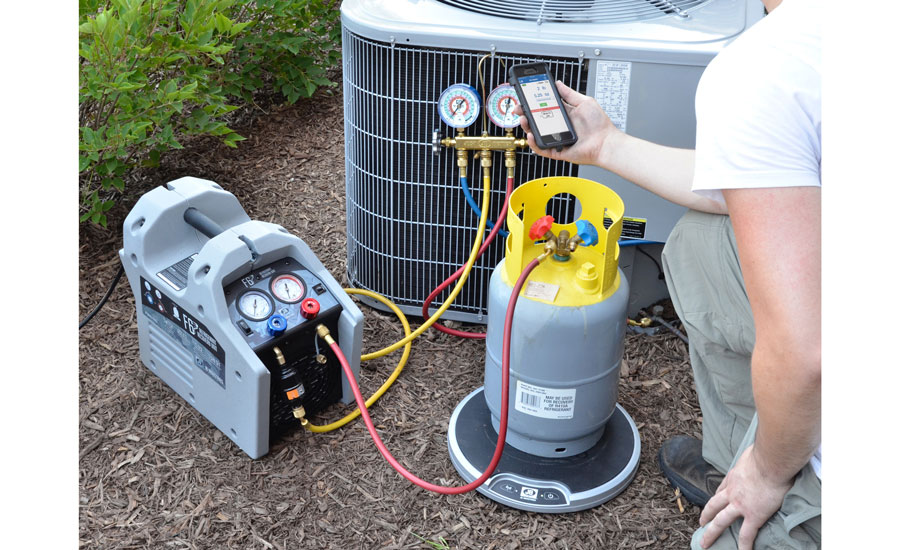
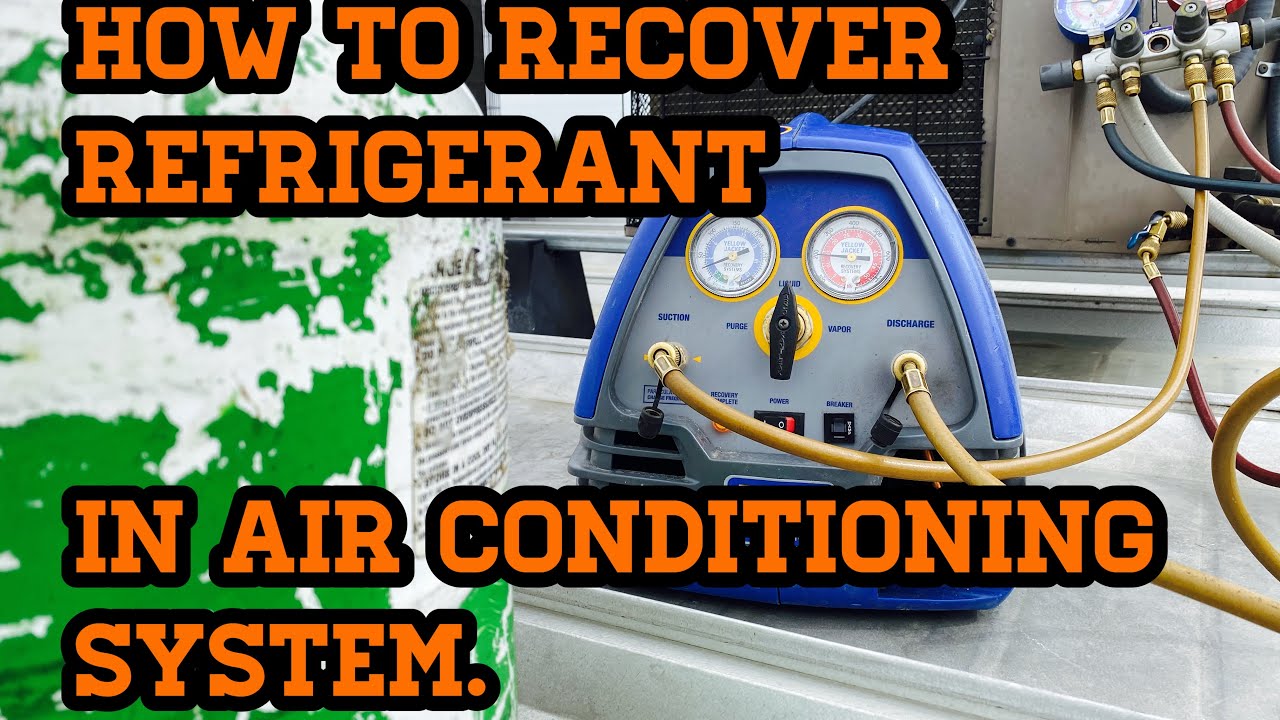
The refrigerant recovery process involves using specialized equipment to safely remove refrigerant from an air conditioning system and store it in a container. Here's a general overview of the steps involved:
- Preparation: The technician will inspect the AC system for leaks or damage and identify the type of refrigerant used. They will also gather the necessary equipment, including a recovery machine, refrigerant tank, and gauges.
- Connection: The technician will connect the recovery machine to the service ports on the AC unit. These ports are typically located on the outdoor unit.
- Recovery: The recovery machine will draw the refrigerant from the system and transfer it to the recovery tank. The technician will monitor the pressure readings to ensure that the system is properly evacuated.
- Evacuation: Once the refrigerant is removed, the technician will evacuate the system to remove any remaining moisture or air. This is important to prevent corrosion and ensure optimal performance.
- Storage and Disposal: The recovered refrigerant is then stored in a certified recovery tank and sent to a reclamation facility for processing. The reclamation facility will clean and purify the refrigerant, making it suitable for reuse.
The entire process can take anywhere from 30 minutes to several hours, depending on the size of the system and the amount of refrigerant being recovered.
Choosing the Right HVAC Contractor
When selecting an HVAC contractor for refrigerant recovery or any AC service, it's crucial to choose a reputable and qualified professional. Here are some factors to consider:
- Certification: Ensure the contractor is EPA-certified to handle refrigerants. Ask to see their certification card.
- Experience: Choose a contractor with experience in refrigerant recovery and AC system repairs.
- Reputation: Check online reviews and ask for references from previous clients.
- Insurance: Verify that the contractor has adequate liability insurance and workers' compensation coverage.
- Pricing: Get multiple quotes from different contractors and compare their prices and services. Be wary of extremely low prices, as they may indicate substandard work or the use of unqualified technicians.
The Future of Refrigerants: Towards More Sustainable Solutions
The HVAC industry is constantly evolving, with a focus on developing more environmentally friendly and energy-efficient refrigerants. Newer refrigerants, like R-32 and HFO blends, have a significantly lower global warming potential (GWP) than older refrigerants. Many new air conditioning systems are designed to use these refrigerants, reducing their environmental impact. Upgrading to a system with a more sustainable refrigerant can qualify you for additional energy savings and rebates.
Smart HVAC Integration and Refrigerant Management
Smart thermostats and sensors can play a crucial role in optimizing refrigerant management and overall system efficiency. These devices can monitor system performance, detect leaks, and alert you to potential problems before they escalate. Smart thermostats can also learn your heating and cooling preferences and adjust the system accordingly, reducing energy consumption and refrigerant usage. Integrate your HVAC system with a smart home platform for even greater control and automation.
Data from smart sensors can also help HVAC technicians diagnose problems more accurately and efficiently, reducing the need for unnecessary refrigerant replacements. For example, a smart sensor might detect a small refrigerant leak, allowing the technician to address it before it becomes a major issue.
Cost-Benefit Analysis of Refrigerant Recovery and Upgrades
Investing in refrigerant recovery and upgrading to a more efficient AC system can provide significant long-term cost savings. While the initial investment may seem daunting, the reduced energy bills, lower repair costs, and potential rebates can quickly offset the upfront expenses. For example, replacing an old, inefficient AC system with a new Energy Star certified model can reduce your energy consumption by 20-40%. This translates to hundreds of dollars in savings each year.
Consider these factors when evaluating the cost-benefit of refrigerant recovery and system upgrades:
- Energy Savings: Calculate the potential energy savings based on the efficiency rating of your current system and the efficiency rating of a new system.
- Rebates and Incentives: Research available rebates and incentives from your utility company and government agencies.
- Repair Costs: Factor in the potential cost of repairing an aging system, including refrigerant leaks and component failures.
- Environmental Benefits: Consider the environmental benefits of reducing your carbon footprint and using more sustainable refrigerants.
Conclusion: A Sustainable Approach to Air Conditioning
Refrigerant recovery is an essential practice for protecting the environment, complying with regulations, and saving money. By understanding the process, choosing a qualified HVAC contractor, and embracing smart HVAC technologies, you can ensure that your air conditioning system operates efficiently and sustainably. Whether you're a homeowner looking to reduce your energy bills or a business owner committed to environmental responsibility, taking proactive steps to manage refrigerant properly is a win-win for everyone.