How To Recover Refrigerant With A Recovery Machine
Frequently Asked Questions: Refrigerant Recovery with a Recovery Machine
Refrigerant recovery is a crucial process for maintaining HVAC systems and protecting the environment. Using a refrigerant recovery machine ensures safe and efficient removal of refrigerant. This FAQ addresses common questions about the process, making it easier to understand for homeowners and facility managers.
Q1: What exactly is refrigerant recovery and why is it important?
Refrigerant recovery is the process of removing refrigerant from an air conditioning or refrigeration system using a specialized piece of equipment called a refrigerant recovery machine. It's important for several reasons:
- Environmental Protection: Refrigerants, especially older types, can severely damage the ozone layer and contribute to global warming if released into the atmosphere. Recovery prevents this damage.
- Legal Compliance: Federal regulations, particularly under the EPA (Environmental Protection Agency), mandate the proper recovery and recycling of refrigerants. Improper handling can result in hefty fines.
- System Maintenance: Recovery is necessary when repairing or servicing an HVAC system that requires accessing the refrigerant lines.
- Reusing Refrigerant: Recovered refrigerant can often be cleaned, reprocessed, and reused, reducing the demand for newly manufactured refrigerant.
In short, refrigerant recovery is vital for the environment, legally required, and essential for HVAC system maintenance.
Q2: Can I recover refrigerant myself, or do I need a certified technician?
In almost all cases, you need a certified technician to recover refrigerant. This is primarily due to:
- EPA Regulations: The EPA requires individuals handling refrigerants to be certified under Section 608 of the Clean Air Act. This certification demonstrates knowledge of proper refrigerant handling procedures, including recovery, recycling, and disposal.
- Specialized Equipment: Recovering refrigerant requires specialized equipment, such as a refrigerant recovery machine, vacuum pump, and refrigerant identifier. These are expensive and require training to operate safely and effectively.
- Safety Concerns: Refrigerants can be hazardous if handled improperly. Exposure can cause frostbite, asphyxiation, and other health problems. Improper recovery can also damage the HVAC system.
- Proper Disposal: Recovered refrigerant often needs to be disposed of properly, especially if it's contaminated. Certified technicians know the correct procedures for handling and disposing of used refrigerants.
Attempting to recover refrigerant without proper certification and equipment is not only illegal but also potentially dangerous and could damage your HVAC system. Always hire a certified HVAC technician for this task.
Q3: How does a refrigerant recovery machine actually work?
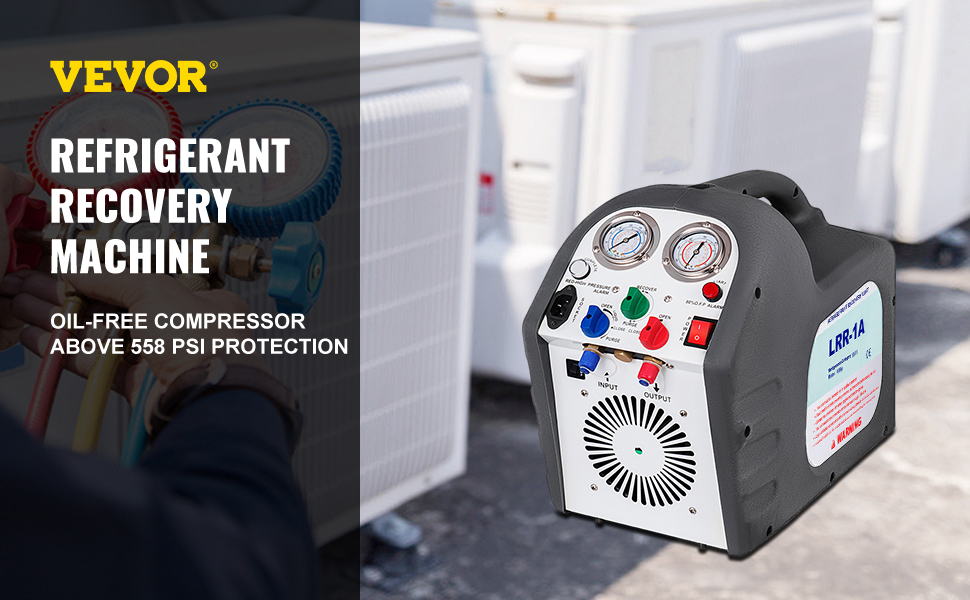
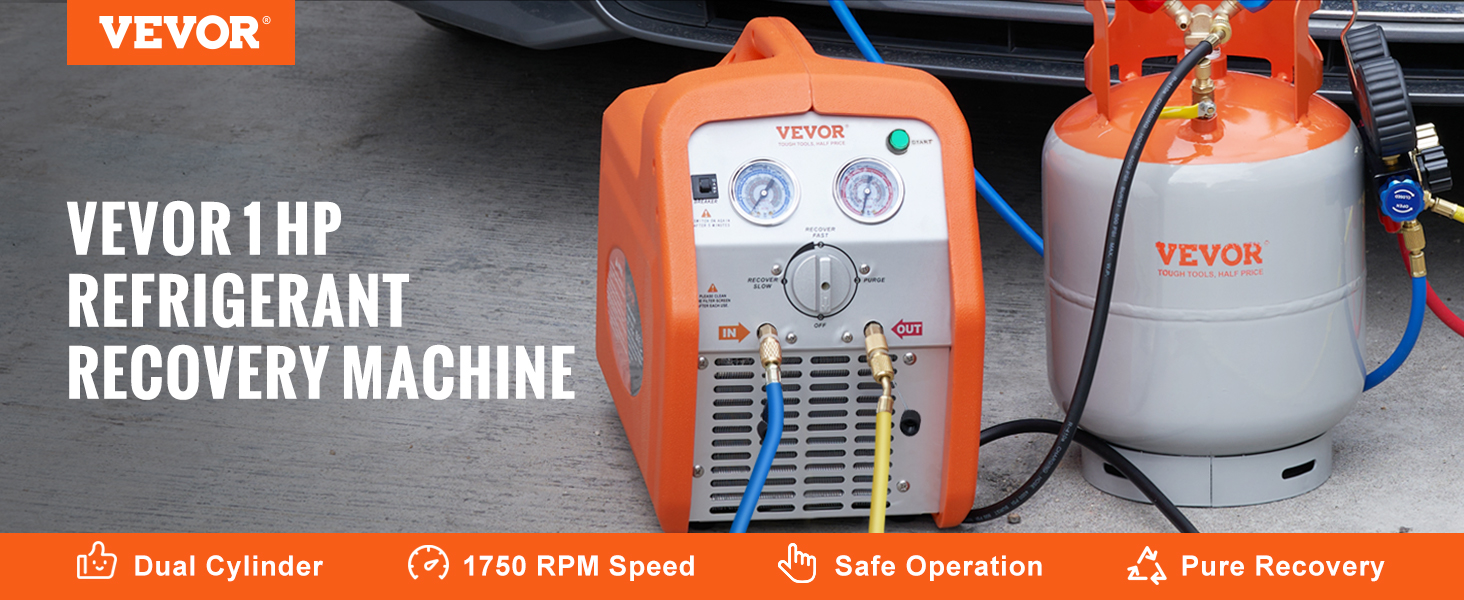
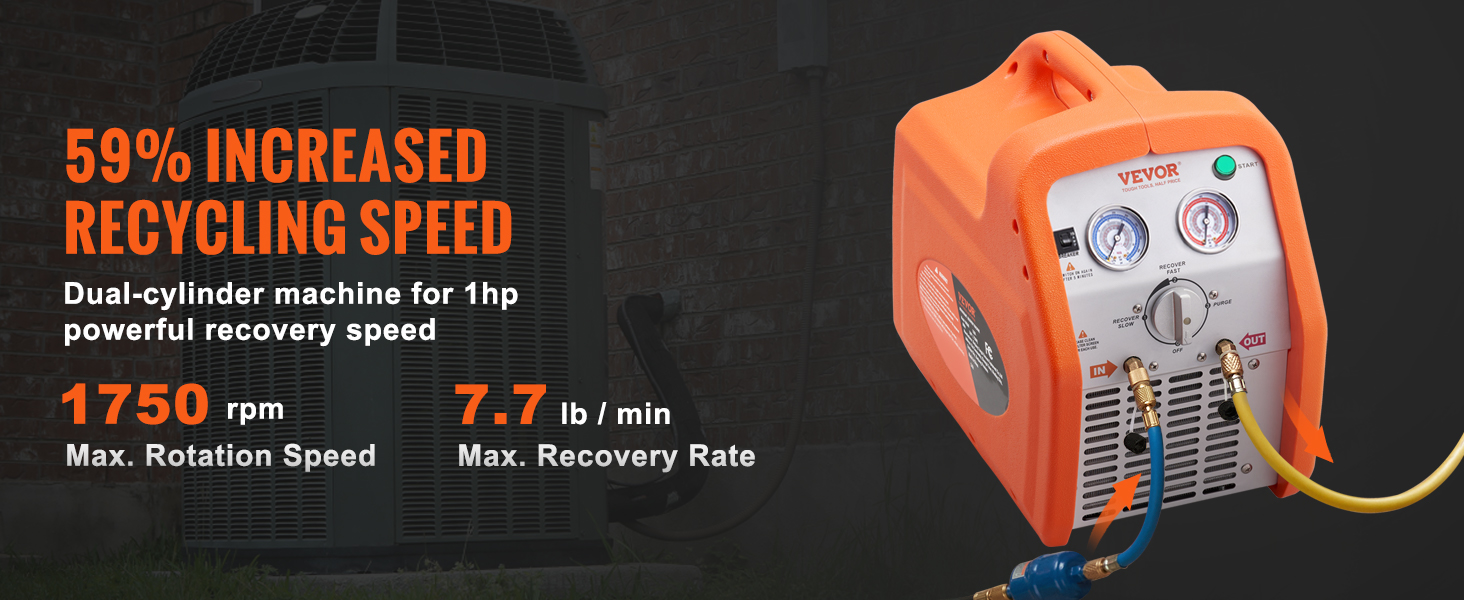
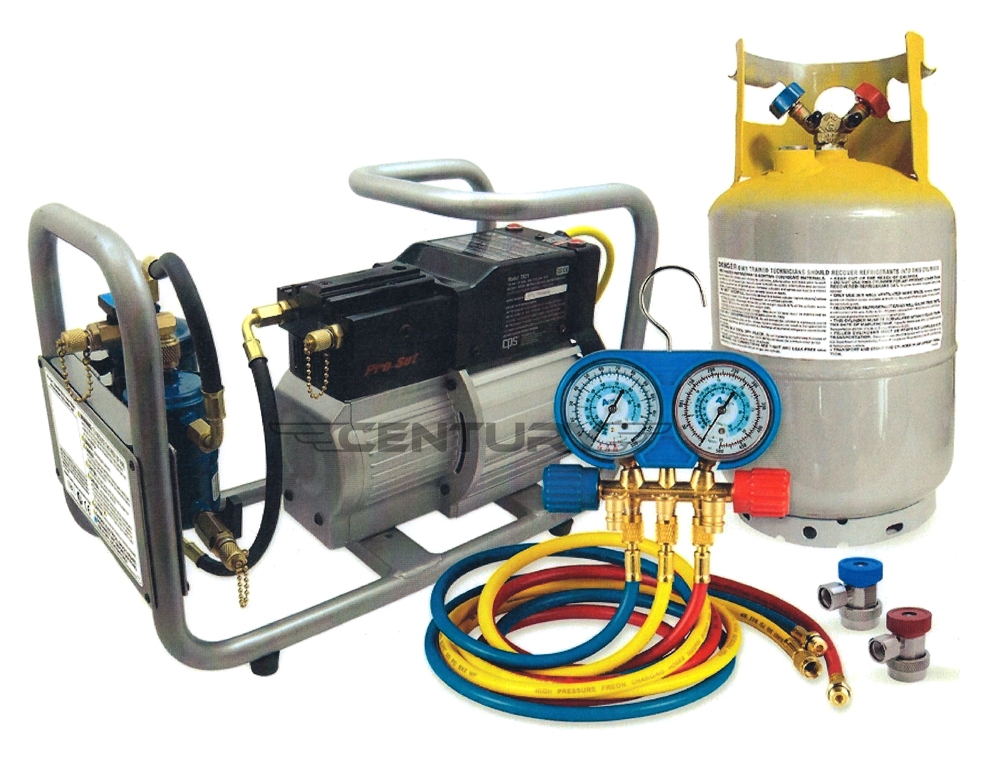
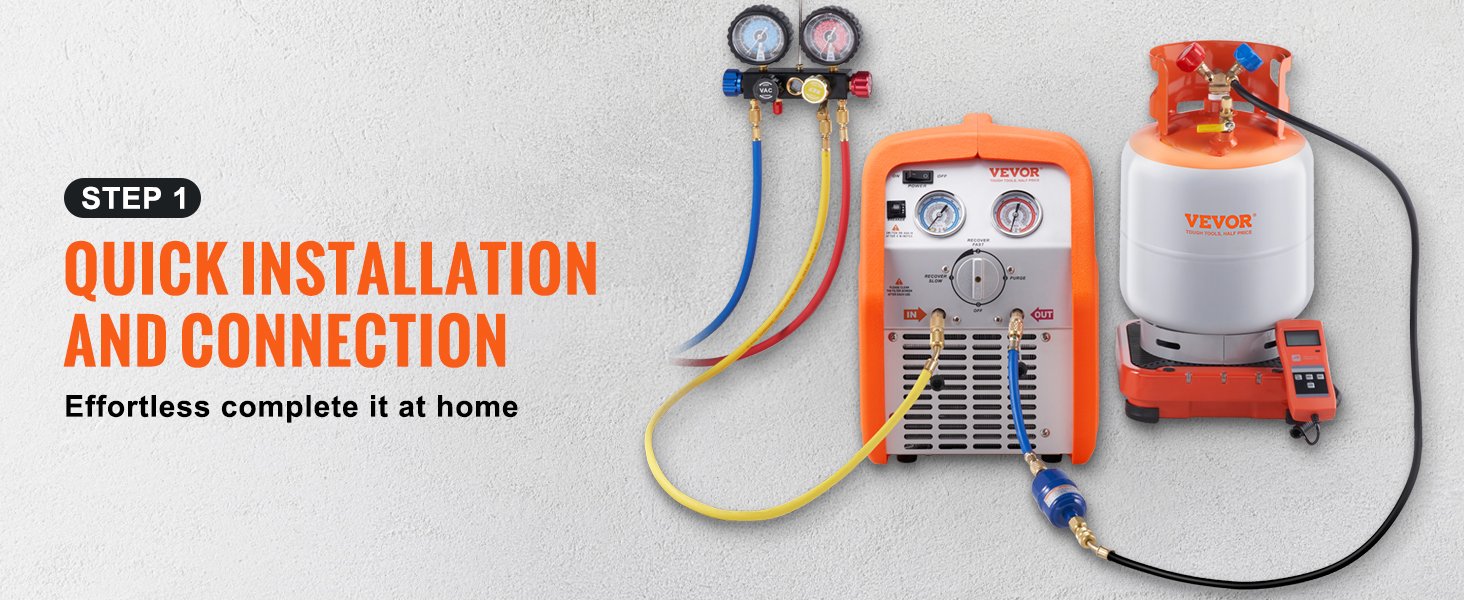
A refrigerant recovery machine works by essentially sucking the refrigerant out of the HVAC system and storing it in a separate container. Here's a simplified breakdown of the process:
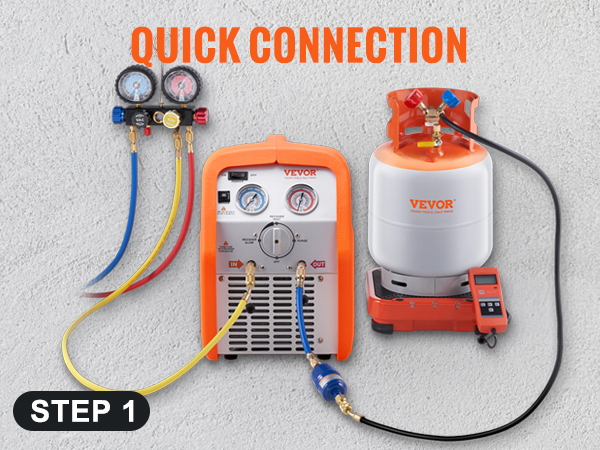
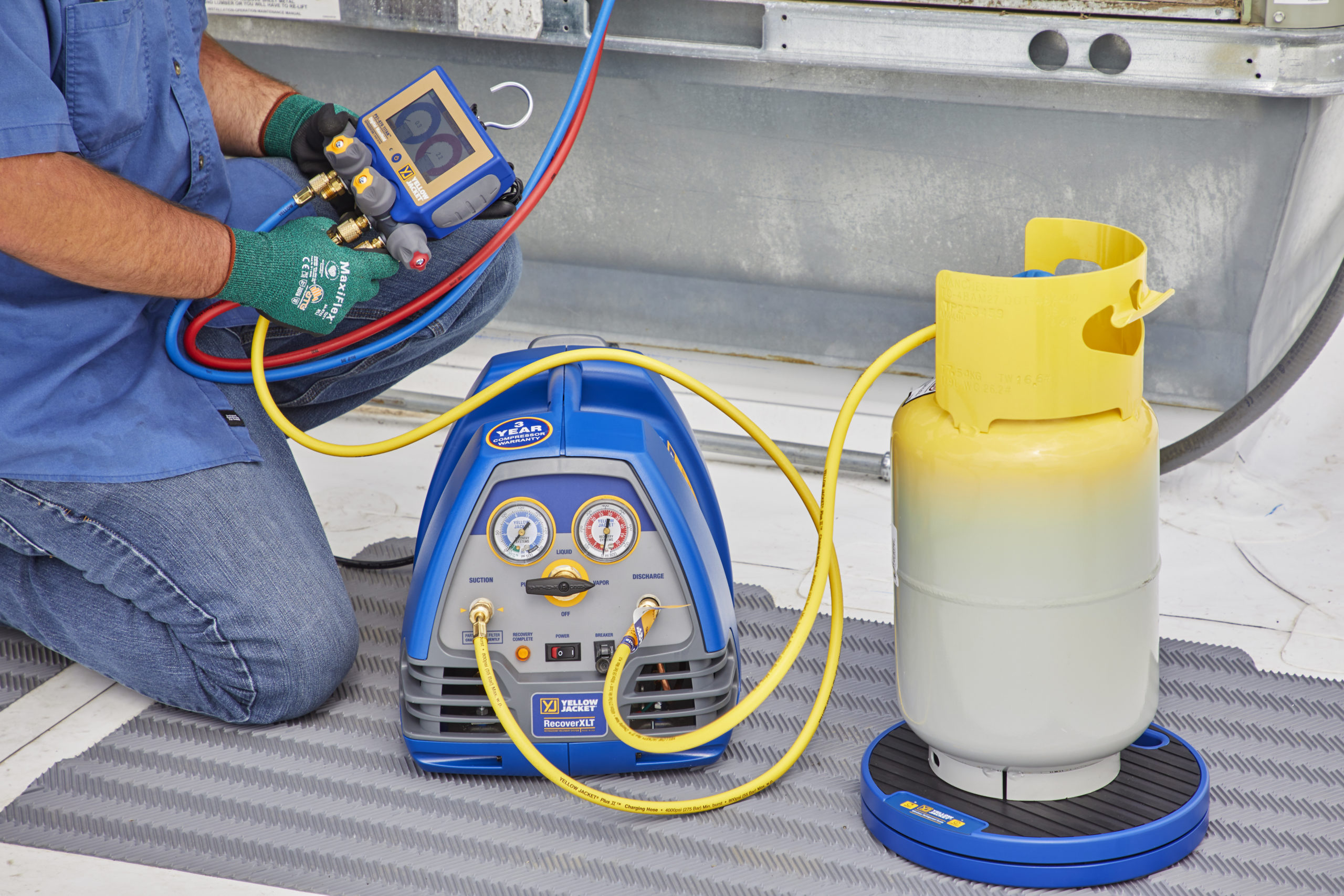
- Connection: The technician connects the recovery machine to the HVAC system using hoses and fittings, typically at service ports.
- Vacuum Creation: The machine creates a vacuum inside the HVAC system. This vacuum draws the refrigerant out of the system.
- Refrigerant Compression: The machine's compressor compresses the refrigerant vapor.
- Condensation: The compressed refrigerant vapor is then cooled, causing it to condense into a liquid.
- Storage: The liquid refrigerant is stored in a recovery cylinder.
- Vacuuming the System: After recovering the refrigerant, the machine may be used to further evacuate the system to remove any remaining moisture or non-condensables. This ensures optimal performance when the system is recharged.
Different types of recovery machines exist (vapor recovery, liquid recovery, and push-pull recovery), but they all follow this basic principle of creating a vacuum, compressing, and condensing the refrigerant for storage.
Q4: What are the different types of refrigerant recovery machines?
Refrigerant recovery machines can be categorized based on their recovery method:
- Vapor Recovery Machines: These machines recover refrigerant in its vapor state. They are typically slower than liquid recovery machines.
- Liquid Recovery Machines: These machines recover refrigerant in its liquid state, which is much faster. They often include a vapor separator to handle any vapor that might be present.
- Push-Pull Recovery Machines: These are the fastest type of recovery machine. They use pressure differentials to "push" liquid refrigerant out of the system and "pull" it into the recovery cylinder. These are typically used on larger systems.
- Single Refrigerant Machines: Designed for one type of refrigerant (R-410A, R-22 etc.)
- Multi Refrigerant Machines: Can handle multiple types of refrigerants, but they must be thoroughly cleaned between different refrigerants to avoid contamination.
The type of recovery machine used depends on the size and type of HVAC system and the type of refrigerant being recovered. A certified technician will select the appropriate machine for the job.
Q5: What safety precautions should be taken during refrigerant recovery?
Safety is paramount during refrigerant recovery. Here are some important precautions:
- Wear Personal Protective Equipment (PPE): This includes safety glasses or a face shield to protect your eyes, gloves to prevent frostbite from contact with liquid refrigerant, and appropriate clothing.
- Work in a Well-Ventilated Area: Refrigerant vapors can displace oxygen and cause asphyxiation. Ensure adequate ventilation to prevent this.
- Use a Refrigerant Identifier: Before recovering refrigerant, use a refrigerant identifier to confirm the type of refrigerant. Mixing different refrigerants can create hazardous and unrecoverable mixtures.
- Inspect Equipment: Before use, inspect all hoses, fittings, and the recovery machine itself for damage. Replace any damaged components.
- Don't Overfill Recovery Cylinders: Overfilling a recovery cylinder can lead to a rupture or explosion. Use a scale to monitor the weight of the cylinder and follow the manufacturer's guidelines for maximum fill levels.
- Avoid Open Flames or Sparks: Some refrigerants can decompose into toxic gases when exposed to high heat or open flames. Keep open flames and sparks away from the recovery area.
- Proper Grounding: Ensure the recovery machine is properly grounded to prevent electrical shock.
- Follow Manufacturer Instructions: Always follow the manufacturer's instructions for operating the refrigerant recovery machine.
- Be Aware of Refrigerant Hazards: Understand the specific hazards associated with the refrigerant being recovered. Consult the Material Safety Data Sheet (MSDS) for information on toxicity, flammability, and other hazards.
Remember, refrigerant recovery should only be performed by certified professionals who are trained to handle refrigerants safely and responsibly.
Q6: What happens to the recovered refrigerant after it's removed from my system?
After the refrigerant is recovered, several things can happen:
- Recycling: The recovered refrigerant can be recycled, meaning it's cleaned and reprocessed to meet industry standards. This allows it to be reused in other HVAC systems.
- Reclamation: This is a more extensive cleaning and reprocessing process than recycling. It involves removing contaminants, separating the refrigerant into its pure components, and restoring it to its original specifications. Reclaimed refrigerant is essentially as good as new.
- Destruction: In some cases, particularly with older or heavily contaminated refrigerants, the refrigerant may need to be destroyed. This involves incinerating the refrigerant at high temperatures to break it down into less harmful substances. This process is carefully controlled to prevent the release of harmful emissions.
- Proper Storage: Until the refrigerant is recycled, reclaimed, or destroyed, it must be stored in approved containers and labeled properly.
The certified technician is responsible for ensuring the recovered refrigerant is handled properly, whether it's recycled, reclaimed, or destroyed, in accordance with EPA regulations.
Q7: How can I ensure the refrigerant recovery process is done correctly and ethically?
Here's how you can ensure a proper and ethical refrigerant recovery:
- Hire a Certified Technician: Verify the technician's EPA Section 608 certification. Ask to see their certification card.
- Ask Questions: Don't hesitate to ask the technician about their recovery process and where the refrigerant will be taken. A reputable technician will be happy to answer your questions.
- Check for Proper Equipment: Ensure the technician is using a calibrated refrigerant recovery machine and other necessary equipment.
- Look for Proper Labeling: The recovery cylinder should be properly labeled with the type of refrigerant, the date of recovery, and the technician's certification number.
- Get Documentation: Request documentation of the refrigerant recovery process, including the amount of refrigerant recovered and where it was sent for recycling, reclamation, or destruction.
- Trust Your Gut: If something doesn't feel right or the technician seems hesitant to answer your questions, consider getting a second opinion.
- Report Concerns: If you suspect improper refrigerant handling, report your concerns to the EPA.
By taking these steps, you can help ensure that the refrigerant recovery process is done correctly, ethically, and in compliance with environmental regulations. Choosing a reliable and certified HVAC contractor is the best way to guarantee a job well done and protect the environment.