How To Reduce Heat In Smoker

One of the most frustrating experiences for any smoker enthusiast is battling runaway temperatures. You meticulously prepare your brisket, patiently wait for your smoker to come to temp, and then – *bam* – the temperature spikes uncontrollably. This can lead to dried-out meat, burnt edges, and a whole lot of disappointment. Before you throw in the towel and order pizza, let's walk through some steps to diagnose and fix this common issue.
Understanding the Problem: Why is Your Smoker Overheating?
Several factors can contribute to a smoker overheating. Understanding these will help you pinpoint the culprit:
- Excessive Fuel: Too much charcoal, wood, or gas can quickly overwhelm the smoker.
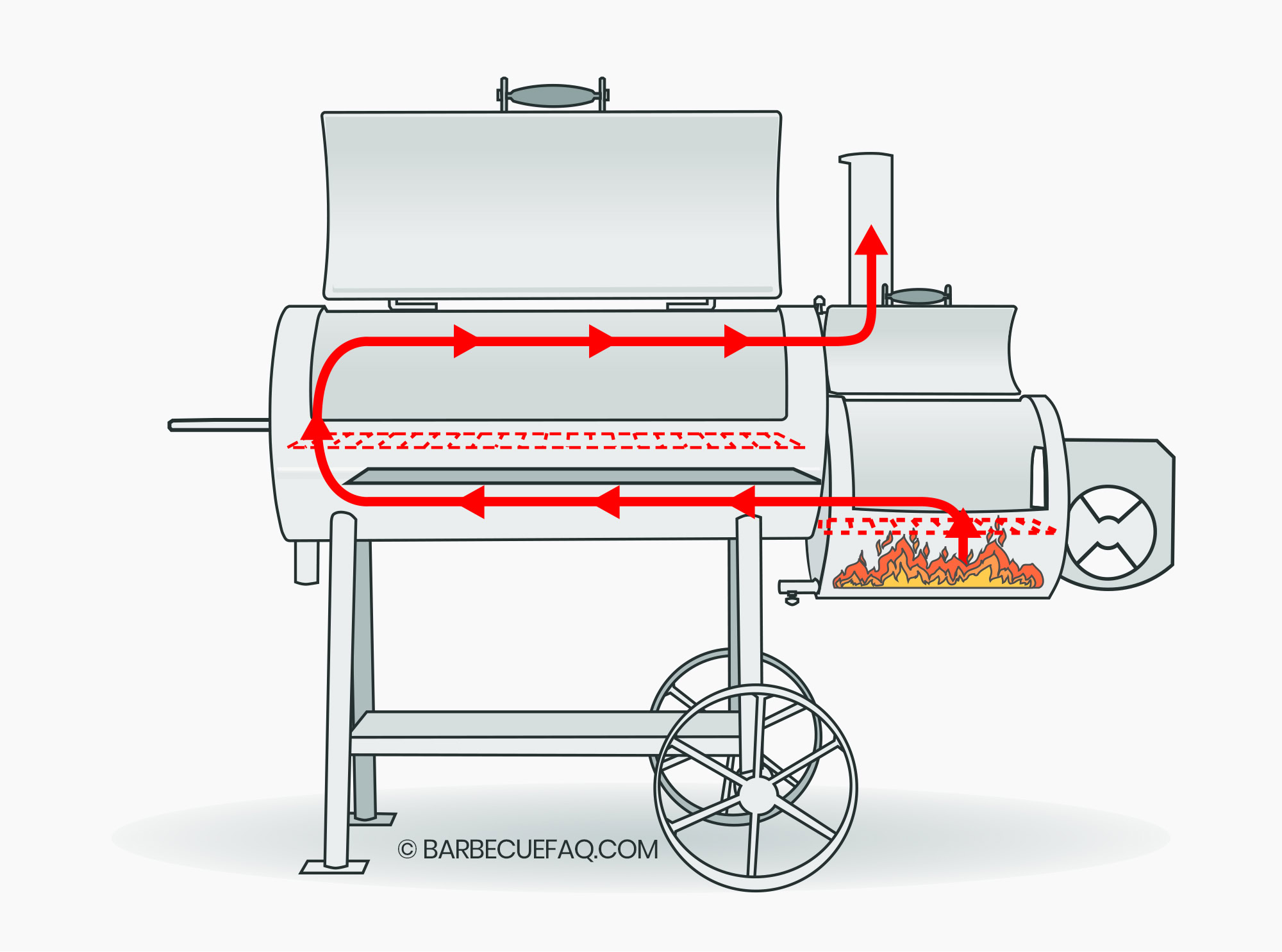
- Uncontrolled Airflow: Smokers rely on a delicate balance of intake and exhaust. Too much oxygen fuels the fire, leading to higher temperatures.
- Weather Conditions: Wind can significantly increase airflow, while direct sunlight can heat the smoker's exterior.
- Faulty Thermostat/Controller: (Especially in electric smokers) A malfunctioning thermostat might not be accurately reading or controlling the temperature.
- Grease Fire: Accumulated grease can ignite, causing a sudden and dangerous temperature spike.
Step-by-Step Troubleshooting: Diagnosing the Overheating Smoker
Let's break down the troubleshooting process into manageable steps. We'll start with simple checks and move towards more involved investigations.
Step 1: Initial Assessment (No Tools Required)
Before you reach for any tools, take a good look at your smoker and its surroundings:
- Visual Inspection: Is there excessive smoke pouring out? Is the flame unusually large? This could indicate a major issue.
- Fuel Level: Is there significantly more fuel than you intended to use? Remove excess fuel carefully if possible, using tongs or a shovel and placing it in a metal container with a lid.
- Airflow Vents: Are the intake and exhaust vents set correctly? Closing them down a bit is often the first and easiest fix. Ensure they aren't completely blocked by debris.
- Weather Check: Is it exceptionally windy? Is the smoker in direct sunlight? Consider relocating the smoker to a more sheltered location.
- Smell Test: Do you smell burning grease? If so, proceed with extreme caution (see section on grease fires below).
If you can identify an obvious issue during this initial assessment (e.g., far too much fuel, wide-open vents on a windy day), adjust accordingly and monitor the temperature. If the problem persists, move on to the next step.
Step 2: Fine-Tuning Airflow (No Tools Required)
Airflow is crucial for temperature control. Experiment with adjusting the vents. Remember, small adjustments make a big difference.
- Intake Vent: This controls the amount of air entering the smoker. Closing it down restricts oxygen, slowing down the fire and lowering the temperature.
- Exhaust Vent: This controls the rate at which hot air and smoke escape. Closing it down a bit increases the temperature and smoke flavor slightly, but too much can lead to stale smoke and bitter taste. Conversely, opening it more decreases temperature and smoke.
Start by closing the intake vent in small increments (e.g., 1/4 inch at a time). Wait 15-20 minutes for the temperature to stabilize before making further adjustments. If the temperature is still rising, close the exhaust vent slightly as well. Again, wait for the temperature to stabilize.
Important Note: Never completely close both vents. This will smother the fire and can create dangerous carbon monoxide buildup.
Step 3: Checking Your Thermometer/Controller (May Require Tools)
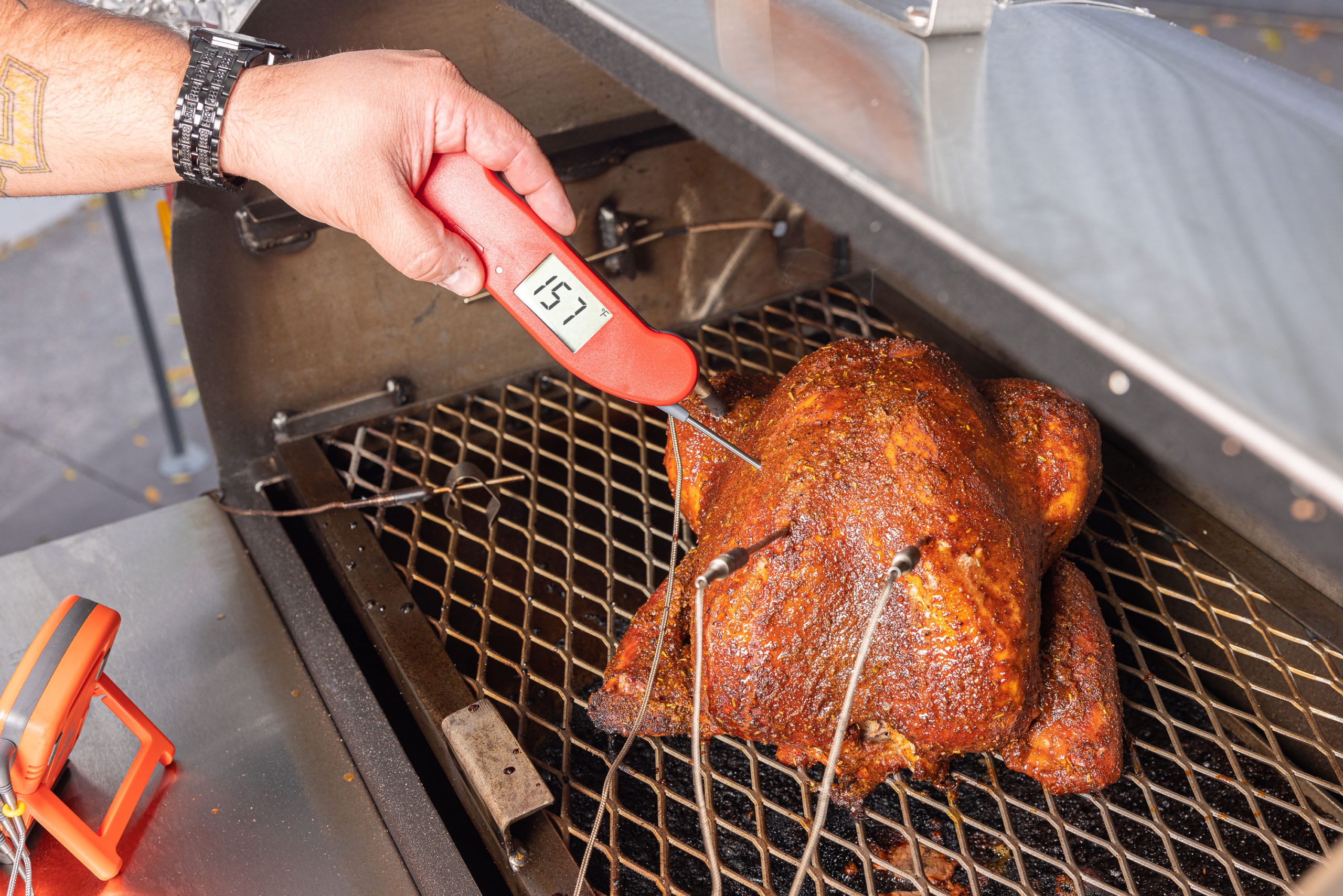
An inaccurate thermometer can lead to incorrect temperature readings, causing you to overreact and make unnecessary adjustments. This requires a reliable instant-read thermometer or a secondary digital thermometer.
- Calibrate Your Thermometer: For analog thermometers, use the boiling water test. Place the thermometer in boiling water (212°F/100°C at sea level). If it doesn't read correctly, adjust the calibration nut on the back (if present).
- Verify Thermometer Placement: Ensure your thermometer probe is positioned correctly inside the smoker, away from direct heat sources and near the food.
- Electric Smoker Controller: If you have an electric smoker, check the controller for any error messages or unusual behavior. Consult your owner's manual for troubleshooting steps. A multimeter can be used to test the heating element for continuity (ensure the smoker is unplugged before testing!). This requires basic electrical knowledge; if you're uncomfortable, consult a professional.
If you suspect a faulty thermostat or controller, replacing it might be necessary. Replacement parts are often available online or from your smoker manufacturer.
Step 4: Managing Fuel and Ash (Requires Tongs/Shovel)
The type and amount of fuel you use significantly impacts the smoker's temperature. Also, accumulated ash can restrict airflow.
- Fuel Type: Are you using the correct type of fuel for your smoker? Using too much wood, especially hardwoods like hickory or mesquite, can generate excessive heat.
- Fuel Quantity: Start with less fuel than you think you need. You can always add more, but it's difficult to remove fuel once it's lit.
- Ash Removal: Regularly remove accumulated ash from the firebox or charcoal basket. Ash buildup restricts airflow and can lead to temperature fluctuations. Use tongs or a shovel to carefully remove the ash and dispose of it properly in a metal container with a lid.
Step 5: Addressing Grease Fires (Requires Extreme Caution)
A grease fire is a serious hazard and requires immediate attention. Never use water to extinguish a grease fire! It can cause the grease to splatter and spread the fire.
- Shut Down Airflow: Immediately close all vents to cut off the oxygen supply.
- Cover the Fire: If possible, carefully cover the fire with a lid or a large metal sheet. This will smother the flames.
- Use Baking Soda: If you have baking soda on hand, you can pour it onto the flames to help extinguish them.
- Fire Extinguisher: As a last resort, use a Class B fire extinguisher (designed for grease fires). Aim at the base of the flames.
- Monitor Carefully: Once the fire is extinguished, continue to monitor the smoker closely for any signs of reignition.
Prevention is Key: Regularly clean your smoker to remove accumulated grease. Use a drip pan to catch grease and drippings. Avoid overcrowding the smoker, as this can increase the risk of grease buildup.
When to Call a Professional
While many smoker issues can be resolved with DIY troubleshooting, some situations require professional help. Call a qualified HVAC technician if:
- You suspect a gas leak.
- You are uncomfortable working with gas or electricity.
- You have tried all the troubleshooting steps and the smoker is still overheating uncontrollably.
- The smoker is damaged or malfunctioning in a way that you cannot safely repair.
- You have experienced a significant grease fire that may have damaged the smoker's components.
Safety First!
Always prioritize safety when working with a smoker.
- Wear heat-resistant gloves when handling hot components.
- Use caution when working around open flames.
- Never leave a smoker unattended for extended periods.
- Keep a fire extinguisher nearby.
- Ensure the smoker is placed on a stable, non-flammable surface.
- Be aware of carbon monoxide hazards, especially when using charcoal or wood-burning smokers. Never operate a smoker indoors or in an enclosed space.
Maintaining Consistent Temperatures: Tips and Tricks
Once you've addressed the immediate overheating issue, here are some tips to help you maintain consistent temperatures in the future:
- Water Pan: Using a water pan helps regulate temperature by adding moisture to the cooking chamber.
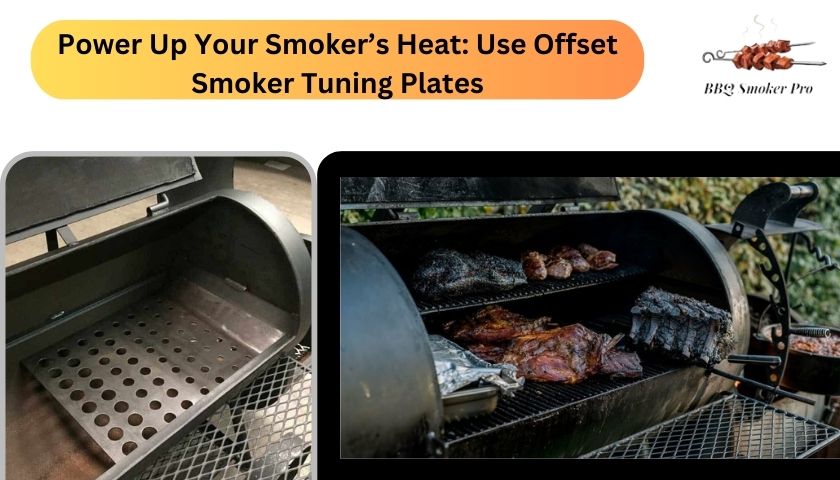
- Heat Deflector: A heat deflector plate helps to distribute heat evenly, preventing hot spots.
- Consistent Fuel: Use the same type and brand of fuel each time for more predictable results.
- Preheating: Allow the smoker to preheat thoroughly before adding food.
- Monitor Regularly: Check the temperature frequently and make small adjustments as needed.
- Log Your Cooks: Keep a log of your cooks, noting the fuel type, vent settings, weather conditions, and temperature fluctuations. This will help you identify patterns and fine-tune your technique.
Troubleshooting an overheating smoker can be frustrating, but with a systematic approach and a bit of patience, you can often resolve the issue and get back to enjoying delicious smoked food. Remember to prioritize safety and don't hesitate to call a professional if you're unsure about anything. Happy smoking!