
How To Relight Pilot Light On Carrier Furnace
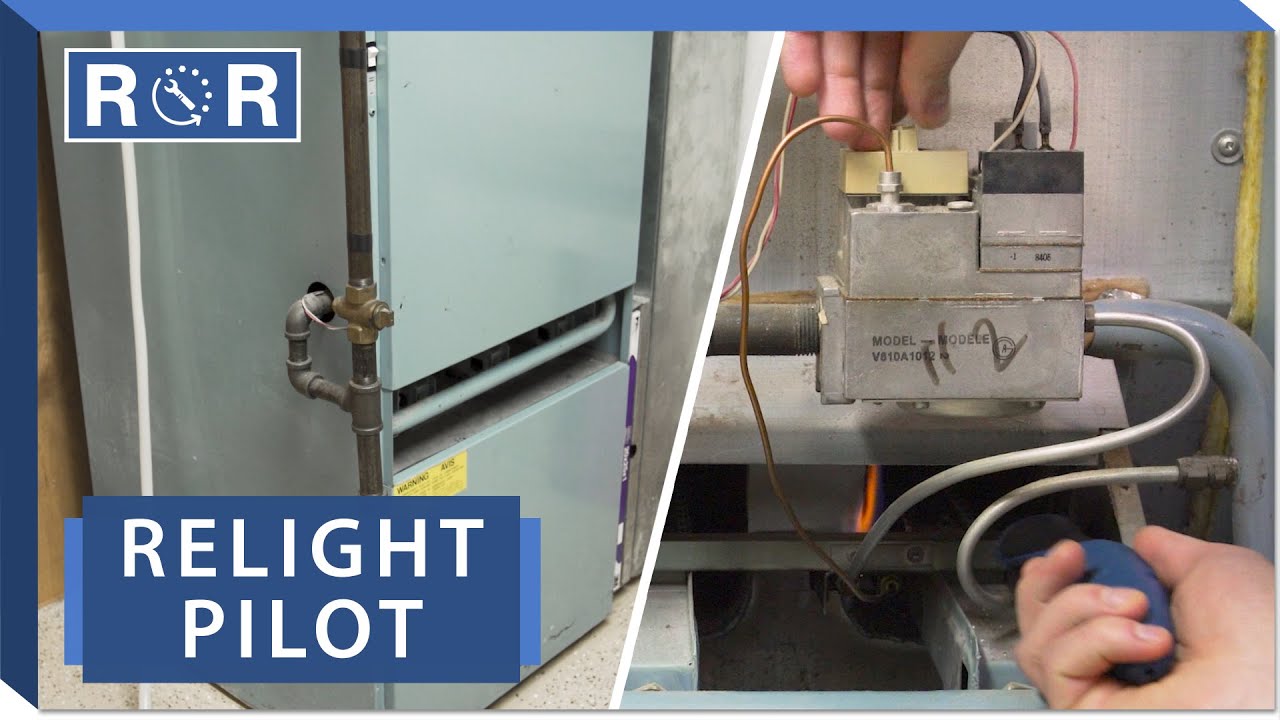
One of the most frustrating experiences for a homeowner, especially during colder months, is discovering that their furnace isn't working. Often, the culprit isn't a major malfunction but a simple issue: a pilot light that has gone out. Before you panic and call a repair technician, understanding how to diagnose and potentially relight your Carrier furnace pilot light can save you time and money. This guide provides a safe, step-by-step approach to troubleshooting and relighting your pilot light.
Understanding the Basics
The pilot light is a small, continuous flame that ignites the main burners in your gas furnace when heat is called for. If the pilot light goes out, the furnace cannot ignite, leaving you without heat. There are several reasons why a pilot light might extinguish, including:
- Drafts: Strong winds or drafts can blow out the pilot light.
- Gas Supply Issues: A disruption in the gas supply to your home can cause the pilot light to go out.
- Dirty Pilot Orifice: Dust and debris can clog the pilot orifice, preventing gas from flowing properly.
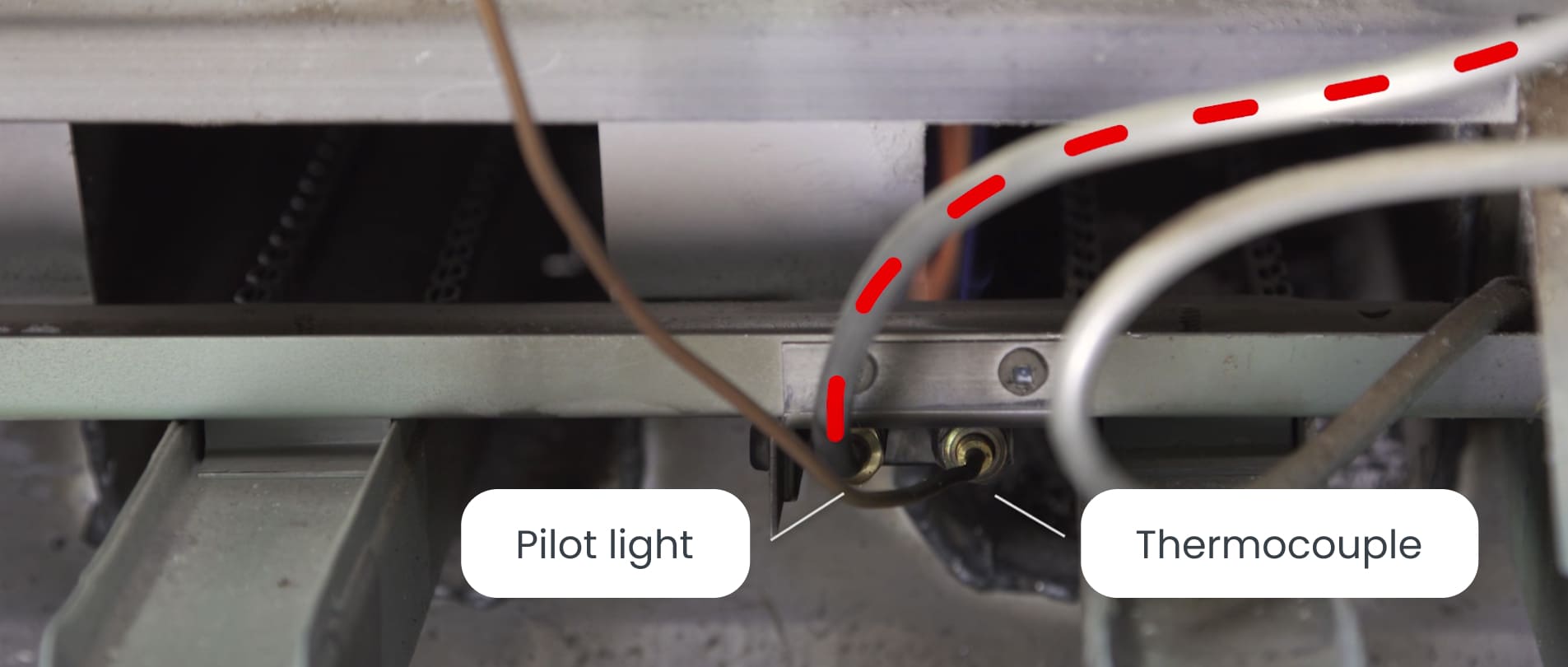
- Faulty Thermocouple: The thermocouple is a safety device that senses the pilot flame. If it's faulty, it will shut off the gas supply.
Before you begin any troubleshooting, it’s crucial to prioritize safety. Always turn off the gas supply to the furnace before inspecting or attempting to relight the pilot light. If you smell a strong odor of gas, evacuate your home immediately and call your gas company from a safe location.
Step-by-Step Guide to Relighting Your Carrier Furnace Pilot Light
Step 1: Safety First - Turn Off the Gas
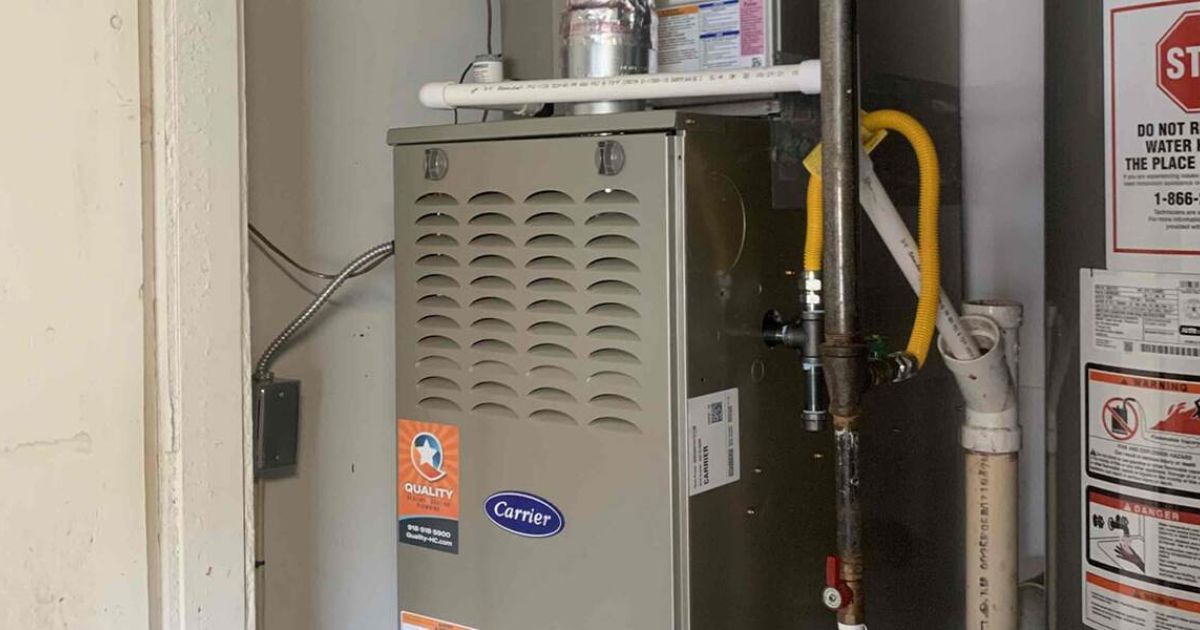
Locate the gas shut-off valve on the gas supply line leading to your furnace. This is usually a yellow-handled valve. Turn the valve so that it is perpendicular to the gas pipe. This will shut off the gas supply to the furnace. Wait at least five minutes to allow any accumulated gas to dissipate before proceeding.
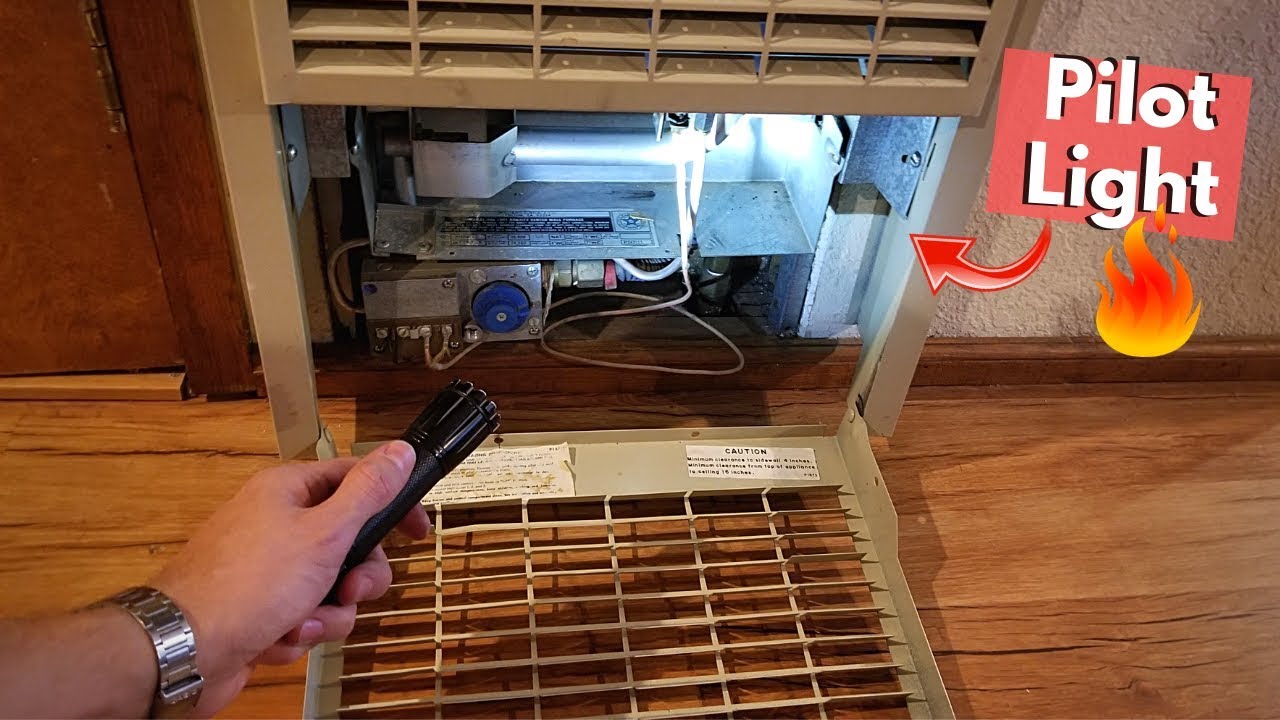
Step 2: Locate the Pilot Light Assembly
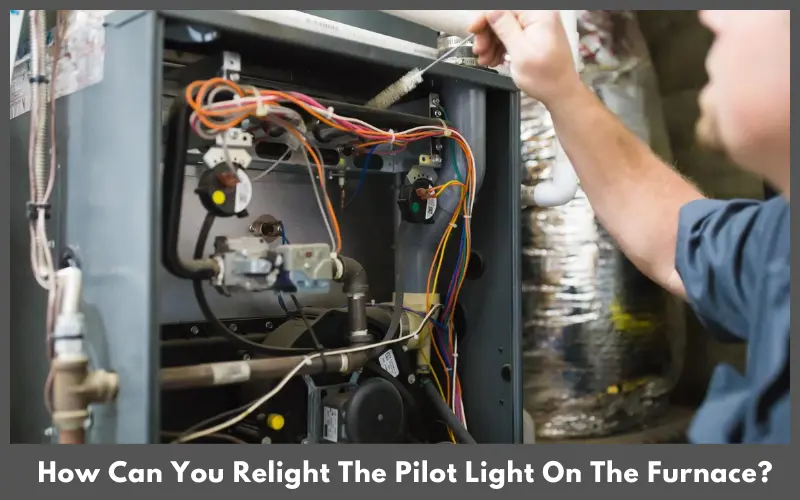
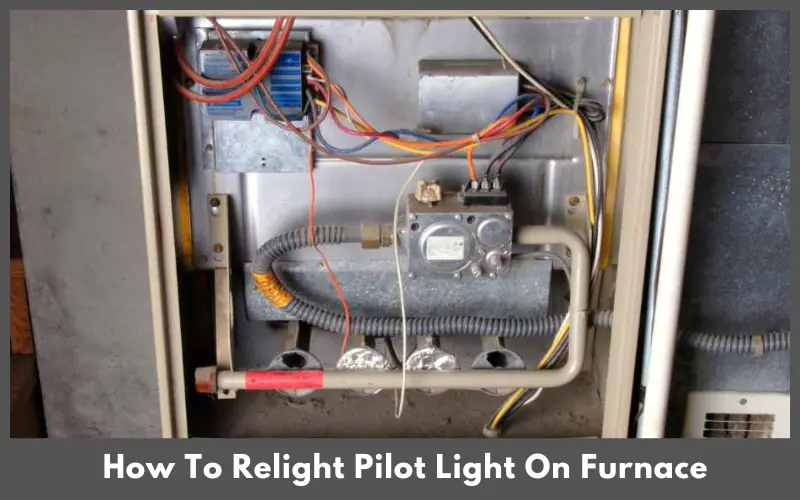
You'll need to access the furnace's burner compartment. This is typically behind a panel that can be removed by unfastening screws or clips. The pilot light assembly is usually located near the main burners. Look for a small metal tube and a small button labeled "Pilot," "On/Off," or similar. Some furnaces may have a viewing window to observe the pilot light.
Step 3: Identify Your Furnace Type
Carrier furnaces, like many others, can have different ignition systems. Knowing the type of system you have will help you understand the relighting process.
- Standing Pilot: These have a continuously burning pilot light.
- Intermittent Pilot Ignition (IPI): These ignite the pilot light only when heat is needed.
- Direct Spark Ignition (DSI): These use a spark to directly ignite the main burners, without a pilot light. (If you have this type, this guide doesn't apply – there is no pilot light to relight. Consult your furnace manual or call a professional.)
Most Carrier furnaces will have a label or diagram inside the access panel that indicates the type of ignition system. If you're unsure, consult your furnace manual.
Step 4: The Relighting Process (Standing Pilot)
This is the most common type of pilot light system. Here's how to relight it:
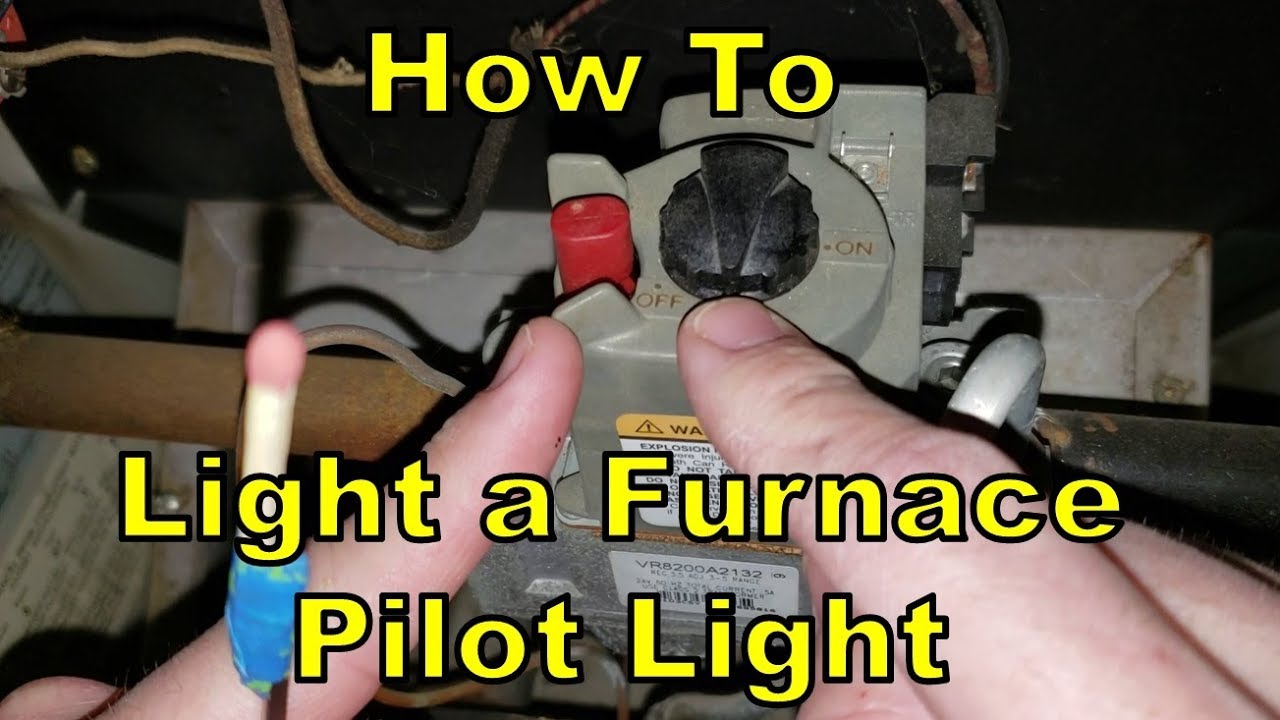
- Locate the Pilot Light Button/Knob: You should see a button or knob near the pilot light assembly, often labeled "Pilot," "On/Off," or similar.
- Set to Pilot: Turn the knob to the "Pilot" position. You may need to press it down and hold it.
- Turn on Gas Briefly: If there's a separate "On/Off" switch, make sure it's in the "Off" position.
- Light the Pilot: While holding down the pilot button, use a long-stemmed lighter or match to light the pilot light. Carefully insert the flame near the end of the pilot light tube. Be extremely careful to avoid burns.
- Hold the Button: Continue holding down the pilot button for 20-30 seconds after the pilot light is lit. This allows the thermocouple to heat up. The thermocouple senses the flame and keeps the gas valve open.
- Release the Button: After 20-30 seconds, slowly release the pilot button. The pilot light should remain lit. If it goes out, repeat steps 4 and 5, ensuring you hold the button down for the full duration.
- Turn to "On": Once the pilot light remains lit, turn the gas valve knob to the "On" position.
- Replace Panel: Carefully replace the furnace access panel.
Step 5: The Relighting Process (Intermittent Pilot Ignition - IPI)
These furnaces only ignite the pilot light when heat is needed. Relighting involves forcing an ignition cycle.
- Turn on Power: Ensure the furnace power switch (usually located on the side of the unit) is turned on.
- Set Thermostat: Set your thermostat to a temperature above the current room temperature. This will call for heat.
- Listen Carefully: The furnace control board should attempt to light the pilot light. You should hear a clicking sound (the igniter) and then hopefully the whoosh of the pilot flame.
- Monitor: If the pilot doesn't light within a minute or two, the furnace control board may shut down the ignition attempt. Turn off the furnace power switch, wait a few minutes, and then turn it back on to try again.
- Check Error Codes: Some IPI furnaces have error codes displayed on the control board. Consult your furnace manual to understand what the error code means. Common codes relate to failed ignition attempts.
Step 6: Restore Gas Supply
After successfully relighting the pilot light (standing pilot) or initiating the ignition sequence (IPI), slowly turn the gas shut-off valve back on, so that it is parallel to the gas pipe.
Step 7: Monitor and Test
Turn up your thermostat to call for heat and observe if the main burners ignite. If the furnace cycles on and off correctly, you have successfully relit the pilot light. Monitor the furnace for several hours to ensure it continues to operate properly.
Troubleshooting Common Problems
If you are having trouble relighting the pilot light, consider these common issues:
- Pilot Light Won't Stay Lit: This is often caused by a faulty thermocouple. The thermocouple is a safety device that senses the pilot flame. If it's not working correctly, it will shut off the gas supply. You may need to replace the thermocouple.
- No Spark or Flame: If you don't see a spark when trying to light the pilot light, the igniter may be faulty. For IPI systems, this is a common problem.
- Dirty Pilot Orifice: A clogged pilot orifice can prevent gas from flowing properly. You can try cleaning it with a small wire or compressed air. Be extremely gentle to avoid damaging the orifice.
- Gas Supply Problems: Check that your gas supply is turned on at the meter. Also, check that other gas appliances in your home are working.
- Drafts: Make sure there are no strong drafts blowing near the furnace.
When to Call a Professional
While this guide provides a comprehensive overview of how to relight your Carrier furnace pilot light, there are situations when it’s best to call a qualified HVAC technician. Never attempt repairs you are uncomfortable with. Here are some signs that you need professional help:
- You smell a strong odor of gas, even after shutting off the gas supply. This is a serious safety hazard. Evacuate your home immediately and call your gas company.
- You are unable to relight the pilot light after several attempts. This could indicate a more serious problem, such as a faulty gas valve or control board.
- The pilot light lights, but the main burners won't ignite. This could be a problem with the gas valve, igniter, or other components.
- You suspect a gas leak. Even a small gas leak can be dangerous.
- You are uncomfortable working with gas appliances. It's always best to err on the side of caution and call a professional.
- Your furnace is making unusual noises. This could indicate a mechanical problem.
- Your furnace is cycling on and off frequently. This could be a sign of a problem with the thermostat, airflow, or other components.
- Your furnace is old or has not been serviced recently. Regular maintenance can help prevent problems and extend the life of your furnace.
Attempting to repair a gas furnace without proper knowledge and experience can be dangerous. Leave complex repairs to qualified professionals.
Preventative Maintenance
The best way to avoid pilot light problems is to perform regular preventative maintenance on your furnace. Here are some tips:
- Schedule annual furnace maintenance. A qualified HVAC technician can inspect and clean your furnace, check the gas pressure, and ensure that all components are working properly.
- Change your furnace filter regularly. A dirty filter can restrict airflow and cause the furnace to overheat.
- Keep the area around your furnace clean and clear. This will help prevent dust and debris from clogging the pilot orifice.
- Inspect the pilot light regularly. Make sure the flame is clean and blue. A yellow or orange flame could indicate a problem.
By following these tips, you can help keep your furnace running smoothly and efficiently for years to come.
Disclaimer: This guide is for informational purposes only and should not be considered a substitute for professional advice. Always consult with a qualified HVAC technician for any furnace repairs or maintenance.

:max_bytes(150000):strip_icc()/repairman-with-digital-infrared-thermometer-checks-gas-furnace-output-temperature-183783103-5c50d9ea4cedfd0001f911c7.jpg)
:max_bytes(150000):strip_icc()/checking-the-furnace-77890266-5c50db64c9e77c0001d76385.jpg)
