How To Remove A Blower Motor From A Furnace
Blower motors, the workhorses of your furnace, are crucial for efficient heating and cooling. A failing or inefficient motor can significantly impact your energy bills and overall comfort. While professional HVAC maintenance is always recommended, understanding how to safely remove a blower motor can be beneficial for diagnosing problems, cleaning components, or even preparing for a replacement. This guide will walk you through the process, emphasizing safety and energy-saving opportunities.
Safety First: Disconnect the Power
Before touching any part of your furnace, the absolute first step is to disconnect the power. Locate the circuit breaker that controls your furnace and switch it off. Double-check that the furnace is indeed off by verifying the thermostat display is blank or unresponsive. This prevents electrical shock, which can be fatal.
Additionally, it is a good idea to turn off the gas supply. Find the gas shut-off valve near the furnace and turn it to the "off" position. This minimizes the risk of a gas leak. A gas leak not only poses a health risk but can also lead to dangerous explosions.
Gather Your Tools
Having the right tools readily available will streamline the process. You'll need:
- Screwdrivers (Phillips and flathead)
- Nut drivers or socket set
- Wire stripper/crimper
- Pliers
- Voltage tester (to confirm power is off)
- Work gloves
- Safety glasses
- Camera or smartphone (for taking pictures of wiring)
- Labels or masking tape and a marker (for labeling wires)
These tools not only allow for an easier removal but ensure safer work.
Accessing the Blower Motor Compartment
Most furnaces have an access panel that needs to be removed to reach the blower motor. This panel is usually secured with screws or latches. Locate these fasteners and carefully remove the panel. Be mindful of any sharp edges on the panel or furnace housing.
Documenting the Wiring
Before disconnecting any wires, take detailed pictures of the wiring connections. Use your camera or smartphone to capture clear images of the motor's wiring configuration. This will be invaluable when reconnecting the new or cleaned motor. Additionally, use labels or masking tape and a marker to label each wire. Write down the color of the wire and its corresponding terminal. This eliminates any guesswork during reassembly and helps avoid wiring errors, which can damage the motor or the furnace control board.
Disconnecting the Wiring
With the wiring documented, you can now disconnect the wires from the blower motor. Use pliers to gently remove any wire connectors. If the wires are directly connected to terminals, use a screwdriver to loosen the screws and detach the wires. Be careful not to damage the wires or terminals. If the wires are frayed or damaged, consider replacing them with new wires of the same gauge.
Consider investing in smart thermostats; many models offer detailed diagnostic reports that can alert you to potential motor problems before they escalate, potentially saving you on expensive repairs.
Removing the Blower Motor Assembly
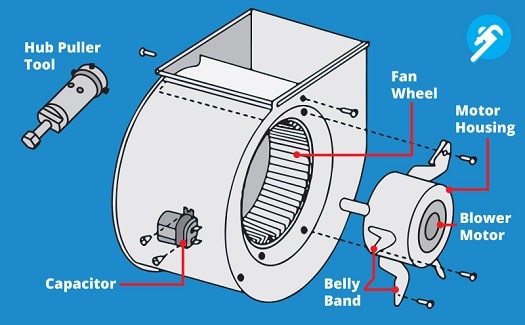
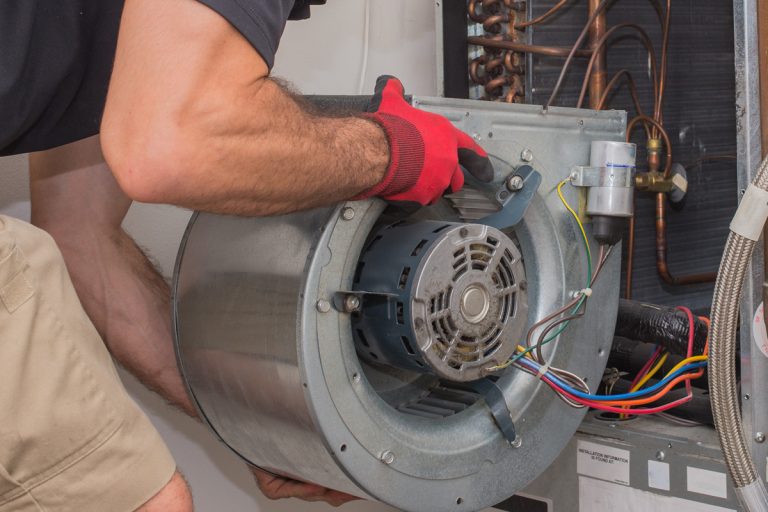
The blower motor is typically mounted within a blower housing or cage. This assembly is usually secured with screws or bolts. Locate these fasteners and remove them. You might need to support the blower assembly as you remove the last fastener to prevent it from falling. Once the fasteners are removed, carefully slide the blower assembly out of the furnace. Be mindful of any wires or components that might be in the way.
Separating the Motor from the Blower Wheel
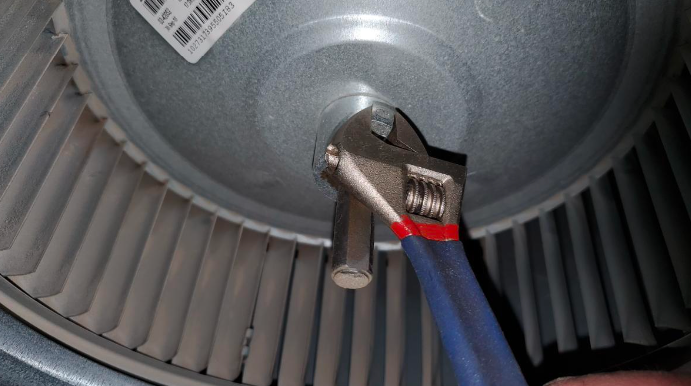
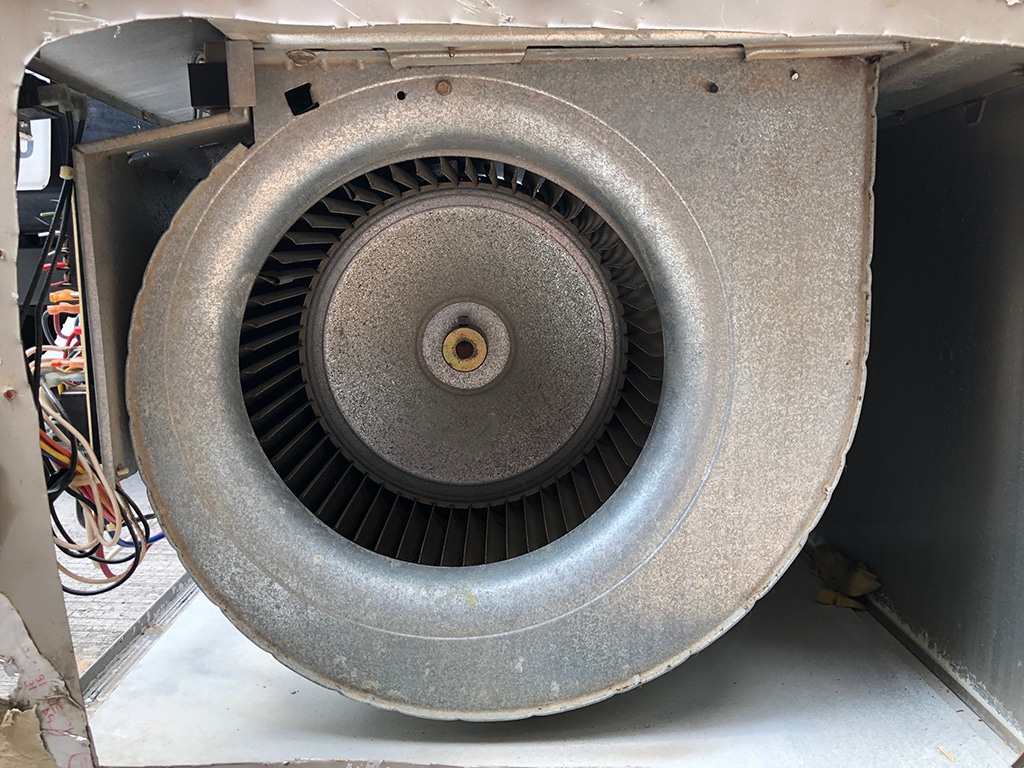
In many cases, the blower motor needs to be separated from the blower wheel for replacement or cleaning. The blower wheel is usually attached to the motor shaft with a set screw or a retaining clip. Locate the set screw or retaining clip and loosen or remove it. You might need to use a penetrating oil to loosen a corroded set screw. Once the set screw or retaining clip is removed, carefully slide the blower wheel off the motor shaft. Be careful not to damage the blower wheel or the motor shaft. Sometimes the blower wheel can be difficult to remove and will require a wheel puller.
Inspecting the Motor and Components
With the blower motor removed, inspect it for any signs of damage or wear. Check the motor windings for any signs of burning or discoloration. Examine the motor bearings for any signs of wear or play. If the motor is visibly damaged or worn, it's likely time to replace it. Also inspect the blower wheel for cleanliness. Dirt buildup will decrease the blower's efficiency.
Energy Star-certified furnaces are designed with high-efficiency blower motors that can significantly reduce energy consumption. Upgrading to an Energy Star model can result in substantial savings on your heating and cooling bills. Many states and utility companies offer rebates and incentives for installing Energy Star appliances.
Reassembly and Testing
If you are replacing the motor, install the new motor following the reverse of the removal process. Ensure the blower wheel is properly secured to the motor shaft, and the motor is securely mounted within the blower housing. Reconnect the wiring, referring to the pictures and labels you took earlier. If you only cleaned the motor reassemble everything in the reverse order.
Before restoring power to the furnace, double-check all connections and components. Once you are confident that everything is properly assembled, restore power to the furnace by switching on the circuit breaker and opening the gas valve. Turn the furnace on and observe its operation. Listen for any unusual noises or vibrations. Check the airflow from the vents to ensure that the blower motor is working correctly. If you encounter any problems, turn off the furnace and recheck your work.
Consider installing smart sensors in your ductwork to monitor airflow and temperature. These sensors can provide valuable data about your HVAC system's performance and help you identify potential problems early on.
Energy Savings and ROI
Regular maintenance of your furnace, including cleaning or replacing the blower motor, can lead to significant energy savings. A dirty or worn blower motor has to work harder to circulate air, consuming more energy. By keeping the motor clean and in good working order, you can reduce your energy consumption and lower your utility bills. According to the U.S. Department of Energy, upgrading to a high-efficiency furnace can reduce energy consumption by up to 15 percent. The initial investment in a new furnace can be offset by the long-term energy savings. Check for any local or national rebates that can make a new high efficiency blower motor or furnace more affordable.
Smart HVAC Integration
Integrating your HVAC system with a smart thermostat and smart sensors can further enhance energy efficiency and comfort. Smart thermostats can learn your heating and cooling preferences and adjust the temperature accordingly, optimizing energy consumption. Smart sensors can monitor room temperature and humidity, allowing for more precise temperature control. Many smart thermostats offer features like geofencing, which automatically adjusts the temperature when you leave or return home. Some systems even send alerts if they detect unusual behavior, such as a blower motor running continuously. By integrating smart HVAC technology, you can have precise control and more energy savings.
Professional Assistance
While this guide provides a detailed overview of how to remove a blower motor from a furnace, it's essential to recognize when professional assistance is needed. If you are not comfortable working with electrical or gas components, or if you encounter any unexpected problems during the removal process, it's best to contact a qualified HVAC technician. A professional technician has the expertise and tools to safely and efficiently diagnose and repair any furnace issues.
A professional will check the efficiency of the blower motor and the entire system, making sure that your family or coworkers are breathing air that is as healthy as possible.