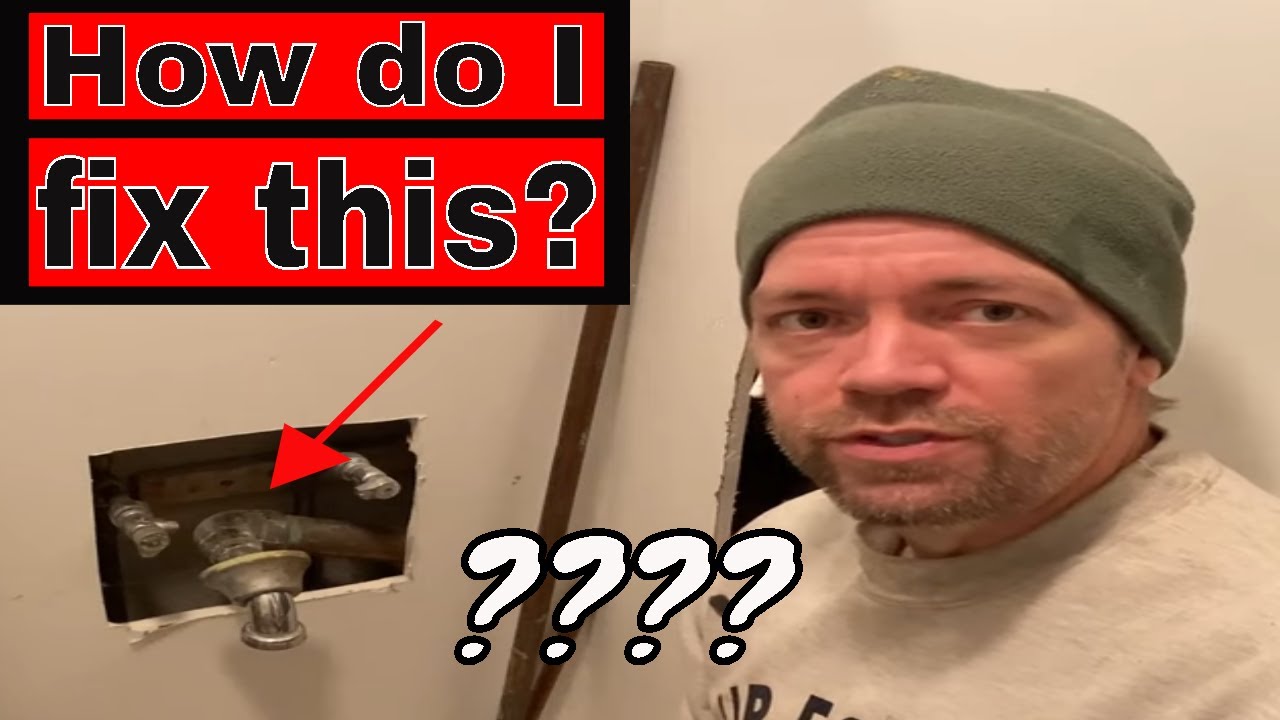
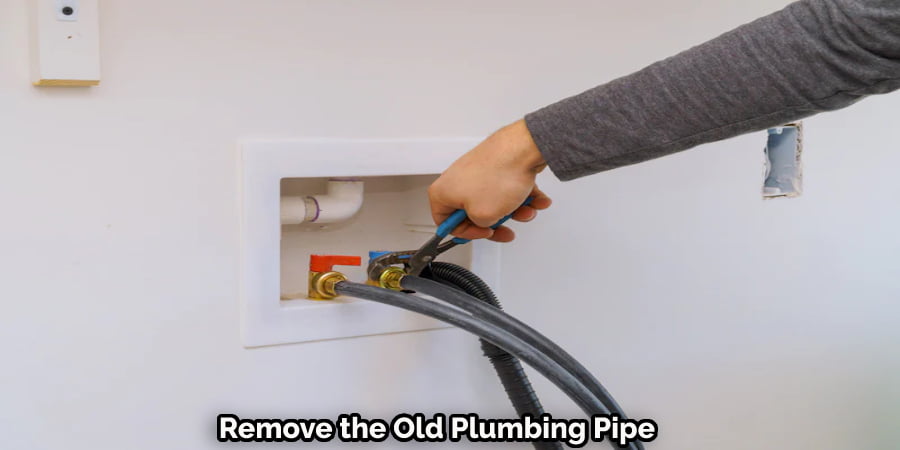
How To Remove A Pipe Stuck In Another Pipe

Frequently Asked Questions: Removing a Pipe Stuck Inside Another Pipe
Dealing with a pipe stuck inside another pipe can be a frustrating plumbing problem. This FAQ addresses common questions and provides practical advice to help you resolve this issue safely and effectively. We aim to provide clear, understandable instructions without relying on overly technical jargon.
Q: Why does a pipe get stuck inside another pipe in the first place?
There are several reasons why a pipe might become stuck inside another pipe. Understanding the cause can help you choose the best removal method.
- Corrosion and Rust: Over time, corrosion and rust can build up between the pipes, creating a strong bond that makes them difficult to separate. This is particularly common with metallic pipes like iron or steel.
- Sediment and Mineral Buildup: Hard water and general use can lead to sediment and mineral deposits forming inside the pipes. This buildup can act like glue, effectively seizing the pipes together.
- Physical Damage: Impacts, freezing temperatures, or even improper installation can cause the pipes to deform, making removal challenging. A dent or bend can create a tight spot that locks the pipes together.
- Over-Tightening of Fittings: If threaded pipes are connected with too much force, the threads can become damaged and seize, making disassembly difficult.
- Dissimilar Metals: When different types of metals are connected (e.g., copper and steel), galvanic corrosion can occur. This corrosion process can accelerate the bonding of the pipes.
Q: What are the first steps I should take before attempting to remove the stuck pipe?
Before diving into pipe removal, it's important to assess the situation and take some preliminary steps.
- Safety First: Always wear safety glasses and gloves to protect yourself from potential hazards like sharp edges or flying debris. Consider wearing a dust mask, especially if dealing with older pipes that might contain lead.
- Identify the Pipe Materials: Knowing the materials of both the inner and outer pipes is crucial. This will help you select appropriate tools and avoid damaging the pipes further. For example, using excessive force on a brittle PVC pipe can cause it to crack.
- Assess the Situation: Carefully examine the area around the stuck pipes. Look for any signs of damage, corrosion, or buildup. Determine how much of the inner pipe is stuck inside the outer pipe.
- Turn Off the Water Supply: This is absolutely essential. Locate the main water shut-off valve and turn it off to prevent flooding. For specific fixtures, such as a sink, you may only need to shut off the local supply valves.
- Gather Your Tools: Having the right tools on hand will make the job much easier and safer. Common tools you might need include:
- Penetrating oil
- Pipe wrenches (various sizes)
- Heat gun or propane torch (use with extreme caution)
- Hammer
- Chisel or screwdriver
- Plumber's tape or joint compound
- Safety glasses and gloves
- Try a Gentle Wiggle: Before applying any force, try gently wiggling the inner pipe back and forth. This might help to loosen any minor obstructions or break weak bonds.
Q: What are some common methods for removing a pipe stuck inside another pipe?
The best method depends on the specific situation, the type of pipes, and the severity of the problem. Here are a few approaches:
- Penetrating Oil: This is often the first line of attack. Apply a generous amount of penetrating oil (such as WD-40, Liquid Wrench, or PB Blaster) to the joint where the pipes are stuck. Allow the oil to soak for at least 30 minutes, or even overnight, to penetrate the corrosion and loosen the bond. After soaking, try gently twisting and pulling the inner pipe.
- Heat: Applying heat can help to expand the outer pipe, making it slightly larger and easier to remove the inner pipe. Use a heat gun or a propane torch (with extreme caution and adequate ventilation) to heat the outer pipe around the joint. Avoid overheating the pipe, as this can damage it or create a fire hazard. After heating, try twisting and pulling the inner pipe. Important Note: Never use heat on plastic pipes (PVC, CPVC, PEX) as they will melt or become damaged.
- Pipe Wrench and Hammer: If penetrating oil and heat don't work, you can try using a pipe wrench to grip the inner pipe and gently twist it. Use a hammer to tap the wrench to provide additional force. Be careful not to apply too much force, as this could damage the pipes. Make sure you're turning the wrench in the correct direction for loosening (typically counterclockwise).
- Chisel and Hammer: In some cases, you might be able to use a chisel and hammer to carefully break the bond between the pipes. Position the chisel at the joint and gently tap it with the hammer. Work your way around the pipe, gradually loosening the connection. This method is best suited for metal pipes and requires patience to avoid damaging the pipes.
- Internal Pipe Wrench (Internal Pipe Extractor): These specialty tools are designed to grip the inside of the stuck pipe, allowing you to twist and pull it out. They come in various sizes to fit different pipe diameters. Internal pipe wrenches can be particularly useful for removing broken pipe nipples or fittings.
- Cutting the Pipe: As a last resort, you might need to cut the outer pipe to remove the inner pipe. Use a pipe cutter or a hacksaw to carefully cut the outer pipe close to the joint. This will relieve the pressure and allow you to remove the inner pipe. You will then need to replace the section of the outer pipe that you cut.
Q: What if the stuck pipe is plastic (PVC or CPVC)? Are the removal methods different?
Plastic pipes require a different approach than metal pipes because they are more brittle and prone to cracking. Avoid using heat or excessive force on plastic pipes.
- Penetrating Oil (Plastic-Safe): Use a penetrating oil that is specifically designed for use with plastics. Some penetrating oils can damage or degrade plastic pipes. Read the label carefully before applying.
- Gentle Wiggling: Try gently wiggling the inner pipe back and forth to loosen any obstructions.
- Plastic Pipe Wrench: Use a plastic pipe wrench, which has a smooth surface that won't damage the pipe. Apply gentle pressure and avoid over-tightening.
- Cutting the Pipe: If other methods fail, carefully cut the outer pipe with a plastic pipe cutter or a fine-toothed saw. Avoid using a metal pipe cutter, as it can damage the plastic pipe.
- Solvent Cement Softener: For pipes joined with solvent cement, you can try applying a solvent cement softener to the joint. This will soften the cement and allow you to separate the pipes. Follow the manufacturer's instructions carefully and work in a well-ventilated area.
- Never Use Heat: As mentioned earlier, never use a heat gun or propane torch on plastic pipes. This will melt or damage them.
Q: How can I prevent pipes from getting stuck together in the future?
Taking preventative measures can significantly reduce the likelihood of pipes getting stuck together. Here are some tips:
- Use Plumber's Tape or Joint Compound: When connecting threaded pipes, always use plumber's tape (Teflon tape) or joint compound to create a watertight seal and prevent corrosion.
- Avoid Over-Tightening: Tighten fittings securely, but avoid over-tightening them. Over-tightening can damage the threads and make disassembly difficult.
- Use Compatible Materials: Avoid connecting dissimilar metals directly. If you must connect different metals, use a dielectric union to prevent galvanic corrosion.
- Flush Pipes Regularly: Periodically flush your pipes to remove sediment and mineral buildup. This can help to prevent the formation of deposits that can cause pipes to stick together.
- Water Softener: If you have hard water, consider installing a water softener to reduce mineral buildup in your pipes.
- Regular Inspections: Inspect your pipes regularly for signs of corrosion, leaks, or damage. Address any issues promptly to prevent them from escalating.
Q: When should I call a professional plumber to remove a stuck pipe?
While many DIYers can successfully remove a stuck pipe, there are certain situations where it's best to call a professional plumber.
- If You're Uncomfortable: If you're not comfortable working with plumbing, or if you're unsure about any of the steps involved, it's always best to call a professional.
- If You've Tried Everything and It's Not Working: If you've tried multiple methods and the pipe is still stuck, it's time to call a professional. They have specialized tools and experience that can help them remove the pipe without damaging your plumbing system.
- If There's Extensive Damage: If the pipes are severely damaged or corroded, it's best to call a professional. They can assess the damage and determine the best course of action.
- If You Suspect Asbestos: If you suspect that the pipes contain asbestos, do not attempt to remove them yourself. Asbestos is a hazardous material that can cause serious health problems. Call a qualified asbestos abatement professional to remove the pipes safely.
- Complex Plumbing Systems: If the stuck pipe is part of a complex plumbing system, such as a multi-story building or a commercial property, it's best to call a professional. They have the expertise to navigate these systems and avoid causing further damage.
- Gas Pipes: Never attempt to repair or remove a gas pipe yourself. Gas leaks are extremely dangerous and can lead to explosions or carbon monoxide poisoning. Call a qualified gas plumber immediately.
Remember, safety is always the top priority. If you're unsure about anything, it's always best to err on the side of caution and call a professional plumber. By understanding the causes of stuck pipes and taking preventative measures, you can minimize the risk of encountering this frustrating problem. Good luck!