How To Remove Access Panel On Goodman Furnace
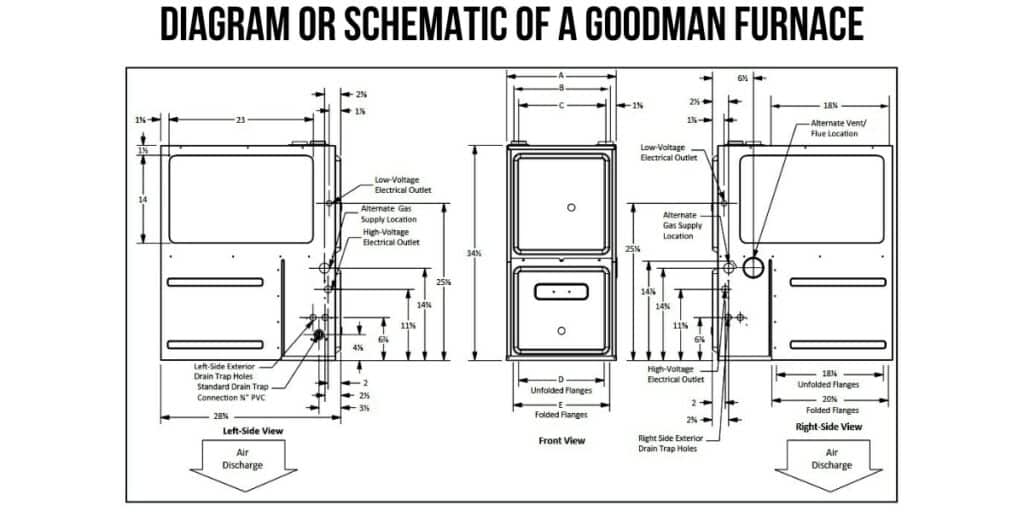
Understanding how to access the internal components of your Goodman furnace is crucial for basic maintenance, troubleshooting, and repairs. While complex issues should always be addressed by a qualified HVAC technician, knowing how to remove the access panel can save you time and money in the long run. This guide provides a step-by-step walkthrough, emphasizing safety and best practices.
Safety First: Before You Begin
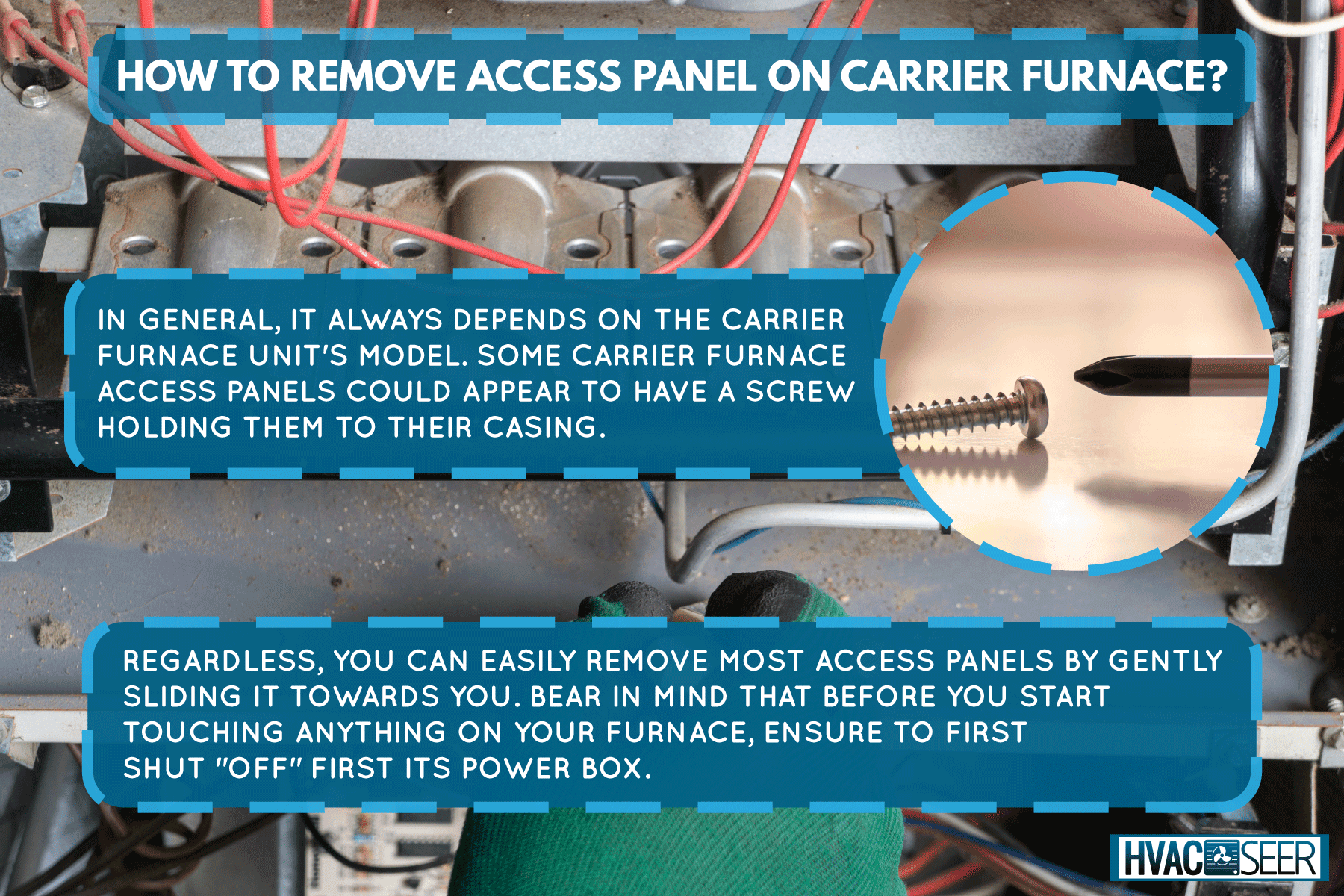
Before attempting to remove any panels on your Goodman furnace, prioritize safety. Always turn off the power to the furnace at the breaker box. This prevents the risk of electrical shock during the process. Double-check that the furnace is completely powered down by verifying the blower fan is not running and the control panel lights are off. Once the power is off, allow the furnace to cool down if it has been running recently.
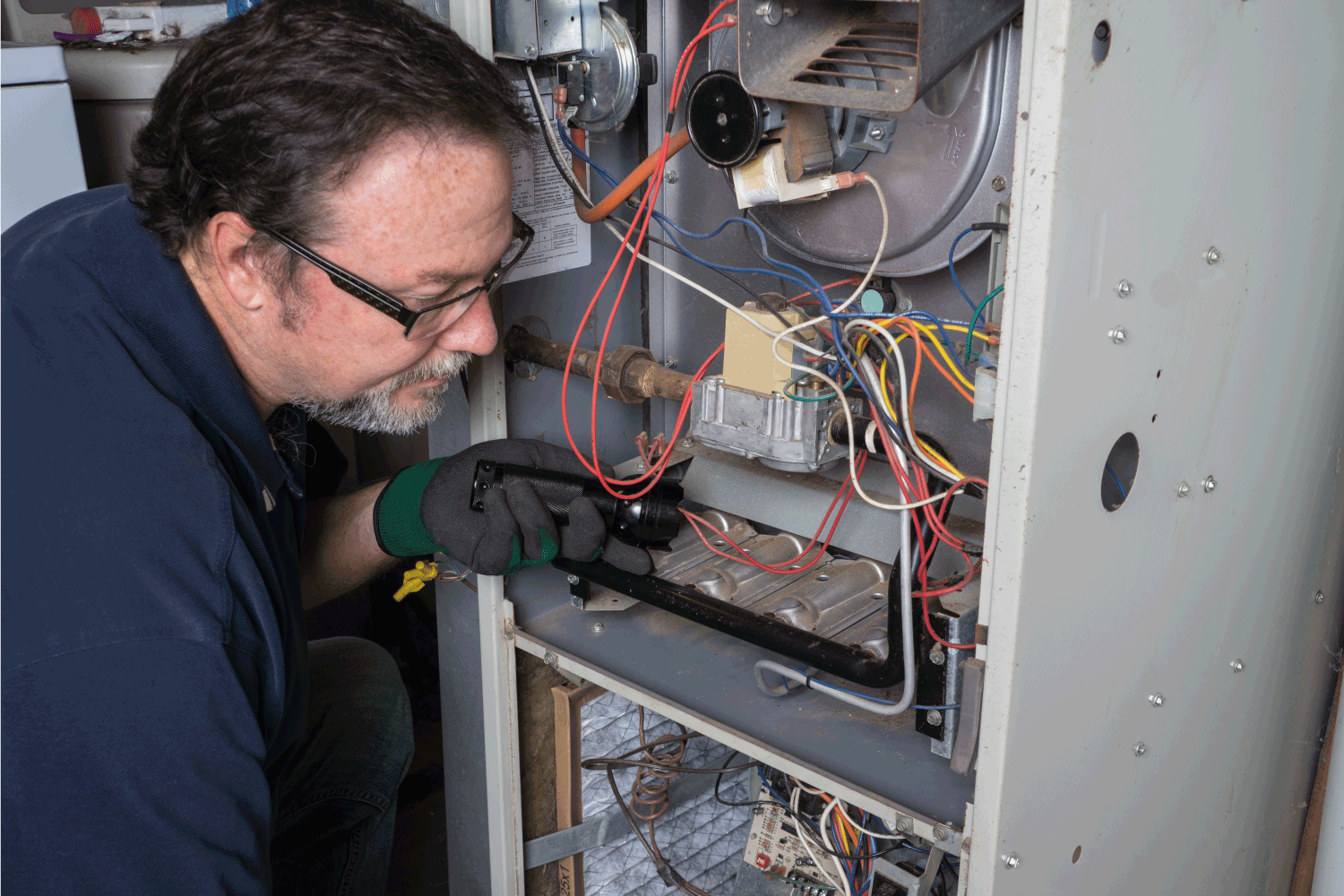
Gather your tools: You'll likely need a screwdriver (typically a flathead or Phillips head, depending on the model), a flashlight, and work gloves. Consider having a magnetic parts tray to hold screws and prevent them from getting lost.
Step-by-Step Guide: Removing the Access Panel
1. Identify the Access Panel
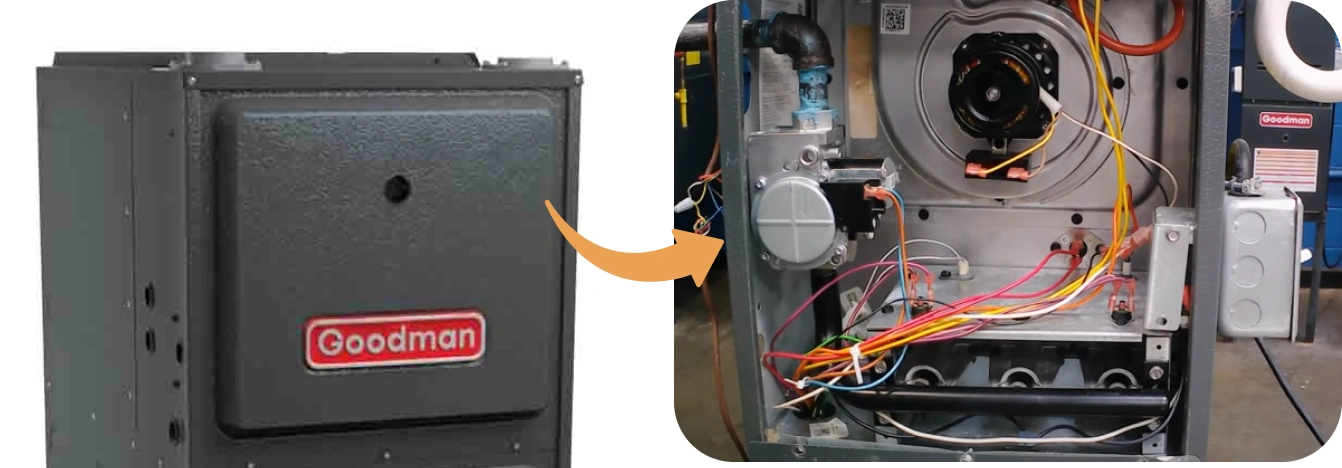
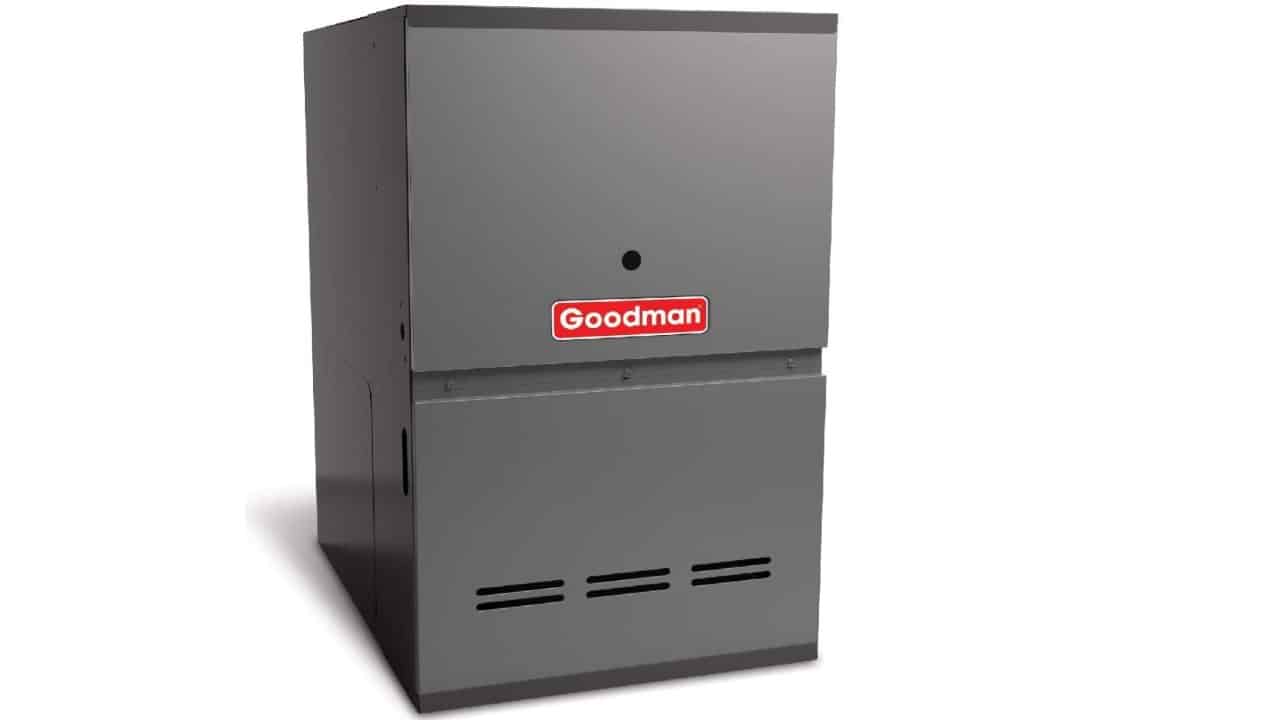
Goodman furnaces typically have one or two access panels. The main access panel usually covers the blower motor and control board, while a smaller panel may provide access to the burners. Look for a rectangular or square panel secured with screws, latches, or a combination of both. Consult your furnace's manual for specific locations, especially if you have an older model.
2. Locate and Remove Screws or Latches
Using the appropriate screwdriver, carefully remove the screws securing the access panel. Place the screws in your magnetic parts tray to avoid losing them. Some Goodman furnaces use latches instead of screws. If you encounter latches, gently disengage them by pressing or sliding them in the direction indicated on the panel or in the owner's manual. Avoid forcing the latches, as this could damage them.
3. Gently Remove the Panel
Once the screws or latches are removed, gently pull the access panel towards you. Be careful not to force it, as it may be connected to wires or other components. If the panel seems stuck, double-check that you have removed all the screws or disengaged all the latches. If there are wires connected to the panel (often to a door switch), carefully disconnect them before fully removing the panel. These wires are typically connected with spade connectors and can be gently pulled apart. Note the position of these wires, take a picture if needed, so that they are reconnected in the right position.
4. Addressing Interlock Switches (Door Switches)
Many Goodman furnaces incorporate an interlock switch (also called a door switch) that automatically shuts off the furnace when the access panel is removed. This is a crucial safety feature. If your furnace has an interlock switch, it will need to be bypassed or deactivated temporarily to inspect or work on internal components. Never permanently disable or tamper with the interlock switch.
To temporarily bypass the interlock switch, you may need to manually depress it or use a small object to hold it in the engaged position. Consult your furnace's manual for specific instructions on bypassing the interlock switch. Ensure the switch is functioning correctly before reattaching the access panel.
Reattaching the Access Panel
Once you have completed your inspection or maintenance tasks, carefully reattach the access panel. Reconnect any wires that were disconnected from the door switch, ensuring they are securely attached to the correct terminals. Align the panel with the furnace opening and gently push it into place. Reinstall the screws or engage the latches, making sure the panel is securely fastened. Do not overtighten the screws, as this could damage the panel or the furnace housing.
Finally, restore power to the furnace at the breaker box. Verify that the furnace is operating correctly. Listen for any unusual noises or smells. If you encounter any problems, turn off the power immediately and consult a qualified HVAC technician.
Common Goodman Furnace Models and Considerations
Goodman offers a range of furnace models, each with slightly different access panel configurations. Here's a brief overview of some popular models:
- Goodman GMVM97: A high-efficiency modulating gas furnace with an AFUE of up to 97%. Access panels are typically secured with screws.
- Goodman GMES80: A standard-efficiency gas furnace with an AFUE of 80%. Access panels may be secured with screws or latches.
- Goodman GME80: Similar to the GMES80, this model is another reliable 80% AFUE furnace.
AFUE (Annual Fuel Utilization Efficiency) measures a furnace's efficiency in converting fuel to heat. Higher AFUE ratings indicate greater energy savings.
Troubleshooting Common Issues
- Panel Stuck: Double-check for hidden screws or latches. Ensure the panel is not obstructed by wires or other components.
- Stripped Screws: Use a screw extractor to remove stripped screws. Consider replacing damaged screws with new ones of the same size and type.
- Broken Latches: Replace broken latches with new ones from a reputable HVAC parts supplier.
- Door Switch Issues: If the furnace does not start after reattaching the panel, the door switch may be malfunctioning. Consult a qualified HVAC technician for diagnosis and repair.
Regular Maintenance and Professional Service
While knowing how to remove the access panel can be helpful for basic maintenance, it is essential to schedule regular professional service for your Goodman furnace. A qualified HVAC technician can perform thorough inspections, clean and adjust components, and identify potential problems before they become major issues. Regular maintenance can improve your furnace's efficiency, extend its lifespan, and ensure safe operation.
Warranties on Goodman furnaces typically require regular professional maintenance to remain valid. Consult your warranty documents for specific requirements.
Comparing Goodman to Other Brands
When choosing a new furnace, it's important to compare Goodman to other leading brands like Carrier, Trane, and Lennox. Goodman is often considered a more budget-friendly option, while Carrier, Trane, and Lennox are known for their premium features and higher price points. Consider your budget, energy efficiency goals, and specific needs when making your decision.
Key factors to compare include: AFUE ratings, warranty terms, available features (such as variable-speed blowers and smart controls), and overall reliability. Research customer reviews and consult with HVAC professionals to gather information and make an informed choice.
Cost Considerations
The cost of a Goodman furnace can vary depending on the model, efficiency rating, and installation complexity. Expect to pay anywhere from $2,000 to $6,000 for a new Goodman furnace, including installation. Obtain multiple quotes from different HVAC contractors to compare prices and services. Factor in long-term energy savings when evaluating the overall cost of different furnace models.
Consider available rebates and tax credits for energy-efficient furnaces. These incentives can significantly reduce the upfront cost of your new heating system.