How To Remove Asbestos Pipe Insulation

Asbestos pipe insulation was widely used in homes and buildings built before the 1980s. It was prized for its heat resistance and durability. However, asbestos is a known carcinogen, and disturbing it can release dangerous fibers into the air. This guide provides information on how to approach asbestos pipe insulation, emphasizing safety and legal compliance.
Understanding the Risks
Asbestos exposure is a serious health hazard. When asbestos fibers are inhaled, they can become lodged in the lungs and cause serious illnesses, including:
- Asbestosis: Scarring of the lungs.
- Lung cancer: A malignant tumor in the lungs.
- Mesothelioma: A rare and aggressive cancer affecting the lining of the lungs, abdomen, or heart.
There is no safe level of asbestos exposure. Even minimal exposure can increase the risk of developing asbestos-related diseases. These diseases can take decades to develop, meaning symptoms may not appear until long after the exposure occurred.
Identifying Asbestos Pipe Insulation
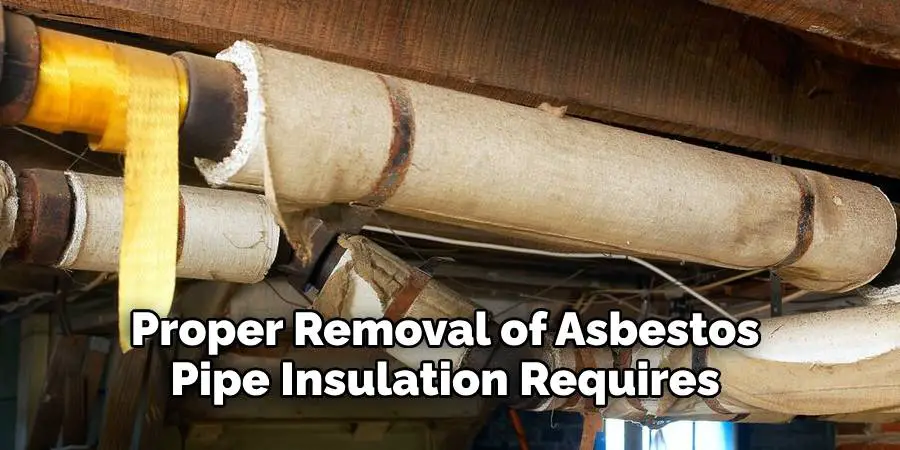
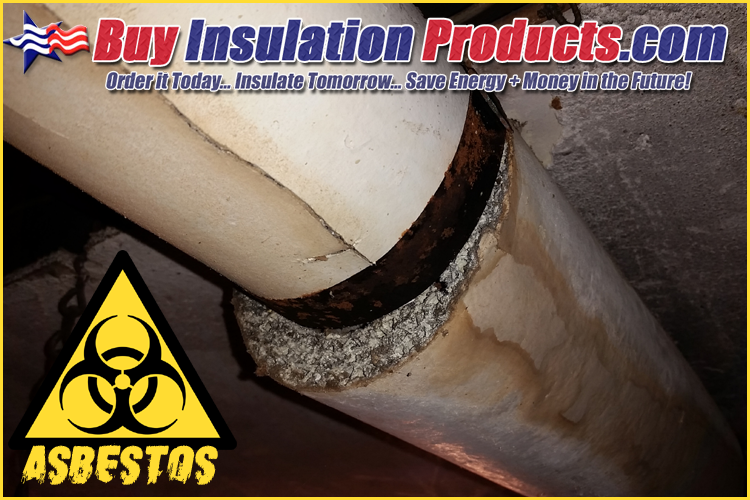
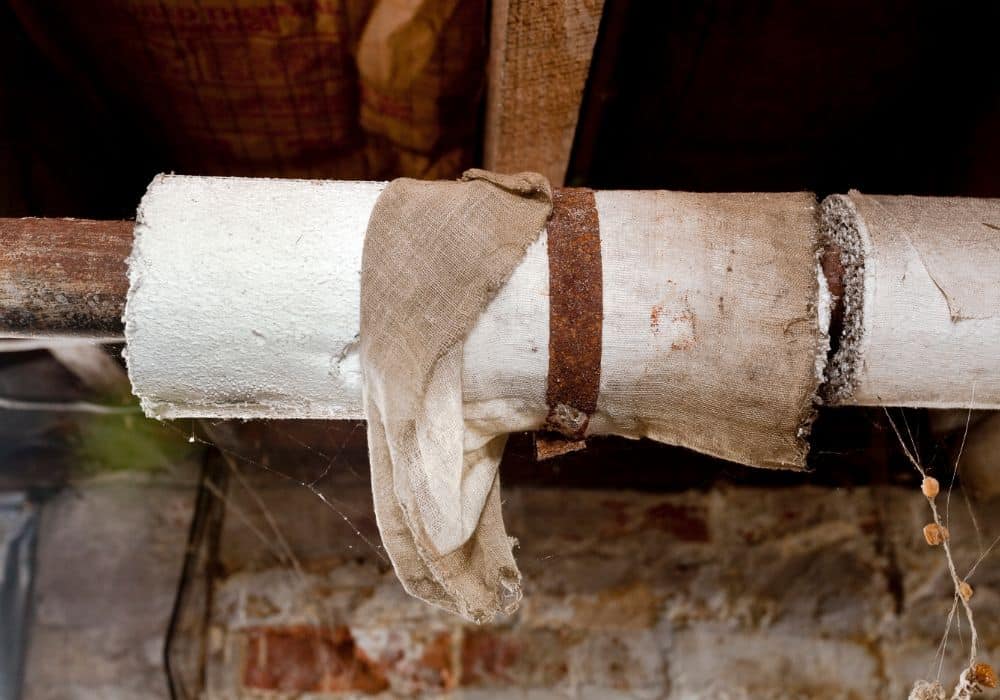
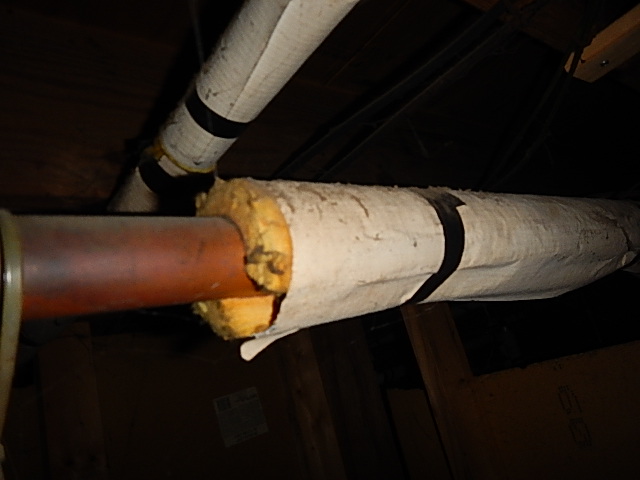
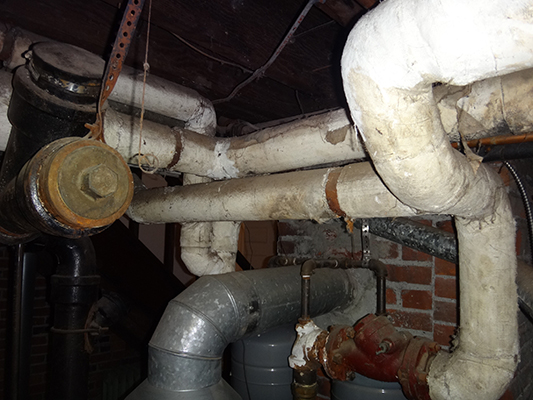
Asbestos pipe insulation often has a distinctive appearance. Here's what to look for:
- Location: Commonly found in older homes, particularly around boilers, heating pipes, and hot water pipes.
- Appearance: Often a white or grayish-white, crumbly material wrapped around pipes. May be covered with canvas or paper.
- Texture: Can range from a hard, cement-like material to a soft, fluffy substance.
- Shape: Frequently appears as pre-formed sections or molded wraps.
The only definitive way to confirm the presence of asbestos is through laboratory testing. You can hire a qualified asbestos inspector to take a sample of the material and have it analyzed. Do not attempt to take a sample yourself, as this can release asbestos fibers.
The Critical First Step: Professional Assessment
Before you even consider removing asbestos pipe insulation, hire a qualified and licensed asbestos abatement professional. This is the most important step in the entire process.
A professional will:
- Properly identify the presence and type of asbestos.
- Assess the extent of the contamination.
- Develop a safe and compliant removal plan.
- Ensure proper disposal of asbestos-containing materials.
Attempting to remove asbestos yourself without the proper training, equipment, and permits is illegal in many areas and extremely dangerous. The cost of professional removal is a worthwhile investment in your health and safety.
Why Professional Removal is Essential
Removing asbestos safely requires specialized knowledge, equipment, and procedures. Here's why professionals are necessary:
- Training: Asbestos abatement workers receive extensive training in safe handling, removal, and disposal techniques.
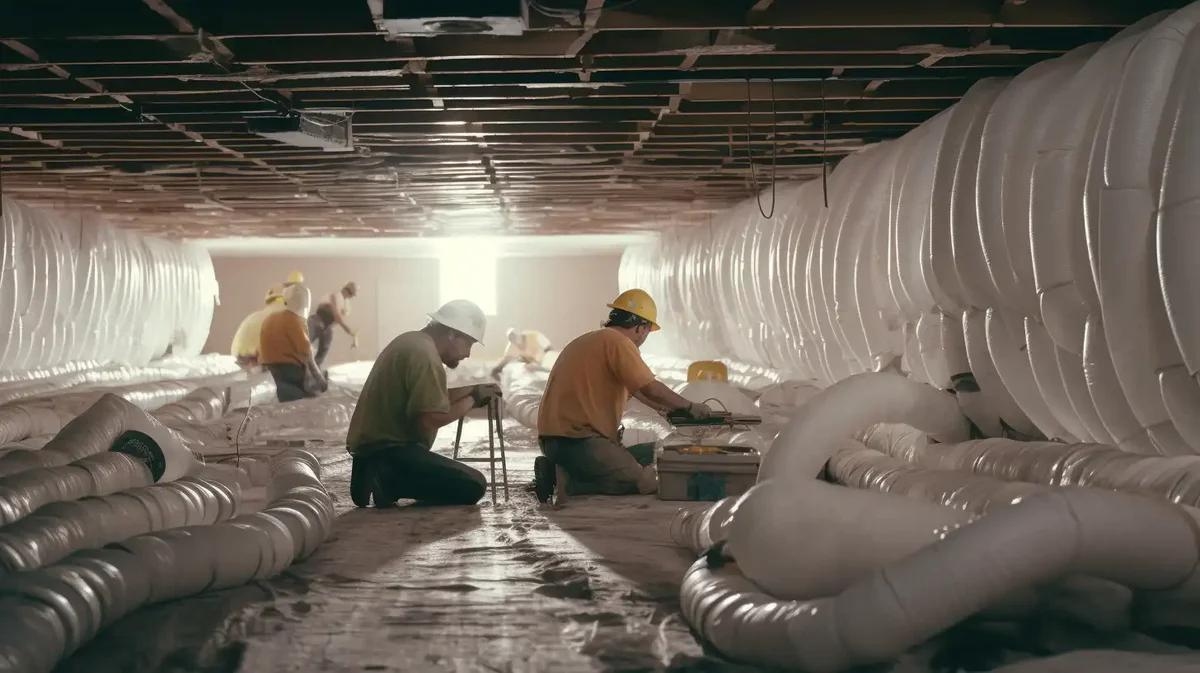
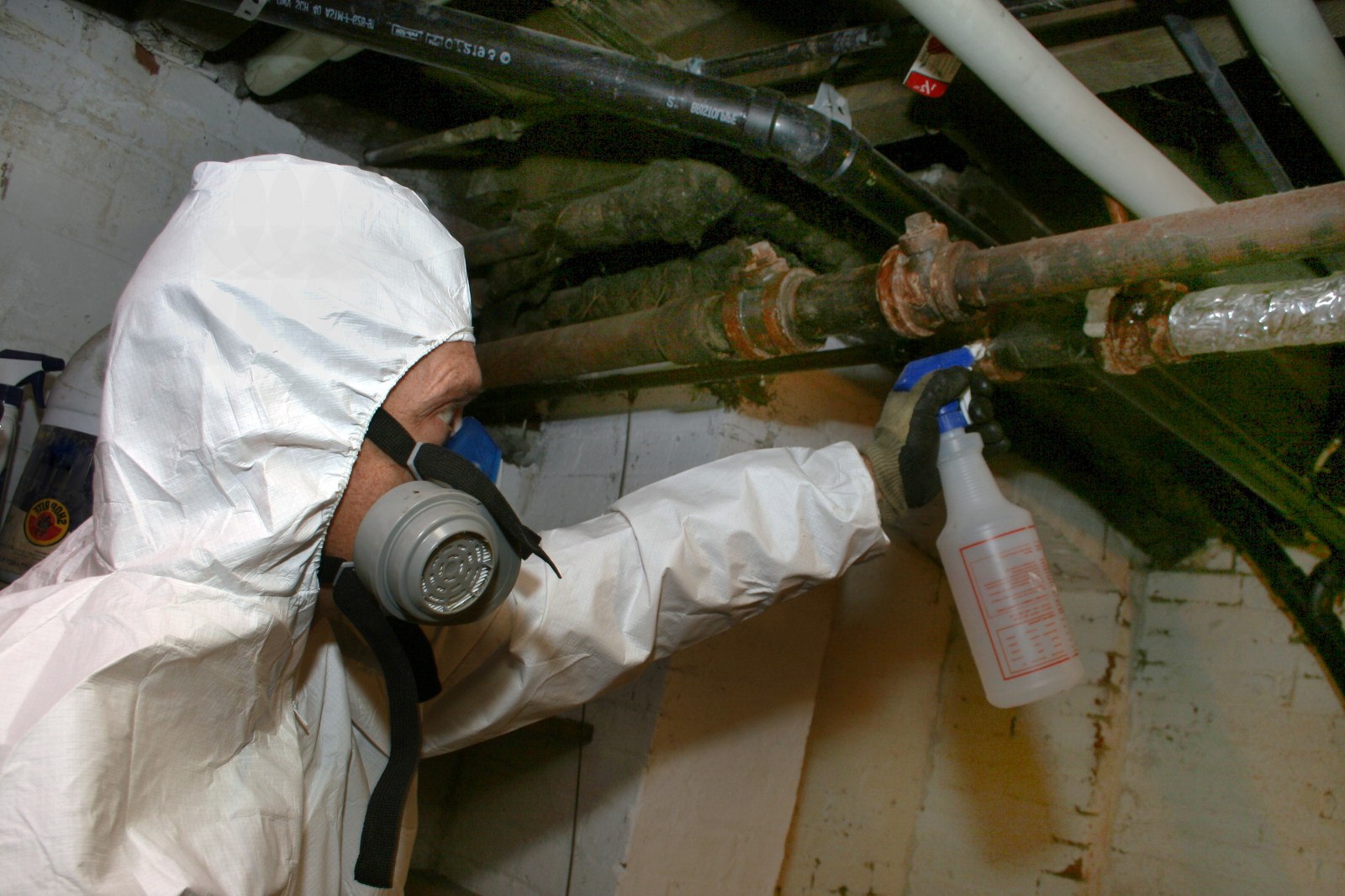
- Equipment: They use specialized equipment, such as respirators, HEPA vacuums, and containment barriers, to minimize fiber release.
- Procedures: They follow strict procedures to prevent contamination, including wetting the asbestos material, using glove bags, and sealing off the work area.
- Legal Compliance: Professionals are familiar with all applicable federal, state, and local regulations regarding asbestos removal.
Trying to save money by doing it yourself can lead to serious health consequences and potential legal liabilities. Professional abatement is the only responsible choice.
Steps Involved in Professional Asbestos Abatement
While you won't be performing the removal yourself, understanding the process can help you feel more informed and confident in the professional's work.
- Inspection and Assessment: The professional will thoroughly inspect the area and assess the extent of the asbestos contamination.
- Permitting: They will obtain any necessary permits from local or state authorities.
- Containment: The work area will be sealed off with plastic sheeting and negative air pressure will be established to prevent asbestos fibers from escaping. Think of it like creating an isolated operating room for the asbestos removal.
- Preparation: The asbestos-containing material will be wetted down to minimize fiber release.
- Removal: The asbestos insulation will be carefully removed, often using glove bags or other specialized techniques.
- Cleaning: The work area will be thoroughly cleaned with HEPA vacuums to remove any remaining asbestos fibers.
- Disposal: The asbestos-containing waste will be properly packaged and transported to an approved disposal site.
- Air Monitoring: Air samples will be taken to ensure that the air is safe before the containment is removed.
- Final Inspection: A final inspection will be conducted to verify that the asbestos has been completely removed and the area is safe for occupancy.
What to Expect During Professional Removal
Here's what you can expect during the asbestos abatement process:
- Disruption: The removal process can be disruptive, as the work area will need to be sealed off.
- Noise: You may hear noise from equipment, such as HEPA vacuums and air filtration systems.
- Odor: There may be a slight odor from the wetting agents used to suppress asbestos fibers.
- Timeframe: The duration of the project will depend on the extent of the asbestos contamination.
- Cost: The cost will vary depending on the size of the project, the location, and the abatement company. Obtain quotes from multiple qualified professionals.
Finding a Qualified Asbestos Abatement Professional
Choosing the right asbestos abatement professional is crucial. Here's what to look for:
- Licensing and Certification: Ensure the company is properly licensed and certified by the relevant authorities.
- Experience: Choose a company with a proven track record of successful asbestos abatement projects.
- Insurance: Verify that the company has adequate insurance coverage.
- References: Ask for references from previous clients.
- Reputation: Check online reviews and ratings.
- Detailed Plan: They should provide a detailed written plan outlining the scope of work, safety procedures, and disposal methods.
- Transparency: The best companies are upfront and transparent about the entire process.
DIY Asbestos Removal: A Recipe for Disaster
While some online resources may offer instructions on DIY asbestos removal, it is strongly discouraged and potentially illegal. The risks associated with DIY asbestos removal far outweigh any potential cost savings.
Here's why DIY asbestos removal is a bad idea:
- Lack of Training: You lack the necessary training and expertise to handle asbestos safely.
- Inadequate Equipment: You likely don't have the specialized equipment required to prevent fiber release.
- Improper Procedures: You may not follow proper procedures, leading to contamination of your home and exposure to asbestos fibers.
- Legal Consequences: You could face legal penalties for violating asbestos regulations.
- Health Risks: You put yourself and your family at risk of developing asbestos-related diseases.
Think of it this way: you wouldn't attempt to perform surgery on yourself, would you? Asbestos removal is equally dangerous and requires professional expertise.
What To Do If You Suspect Asbestos But Can't Afford Professional Removal
If you suspect you have asbestos in your home but cannot afford professional removal immediately, there are steps you can take to minimize the risk:
- Leave it undisturbed: The best thing to do is to leave the asbestos-containing material undisturbed. Asbestos is only dangerous when it is disturbed and fibers are released into the air.
- Isolate the area: If possible, isolate the area containing the asbestos to prevent accidental disturbance.
- Avoid activities that could disturb the asbestos: Avoid activities such as drilling, sanding, or demolishing in the area.
- Seek assistance from local agencies: Some local or state agencies may offer financial assistance or resources for asbestos abatement. Contact your local health department or environmental protection agency for more information.
- Prioritize removal when financially feasible: Make professional asbestos removal a priority in your budget.
Conclusion
Asbestos pipe insulation poses a serious health risk and should be handled with extreme caution. Never attempt to remove asbestos yourself. Always hire a qualified and licensed asbestos abatement professional to ensure the safe and compliant removal of asbestos-containing materials. Protecting your health and the health of your family is the most important consideration.