How To Remove Pvc Pipe From Fitting

The Unexpected HVAC Repair: How To Remove PVC Pipe From a Fitting (Without Destroying Everything)
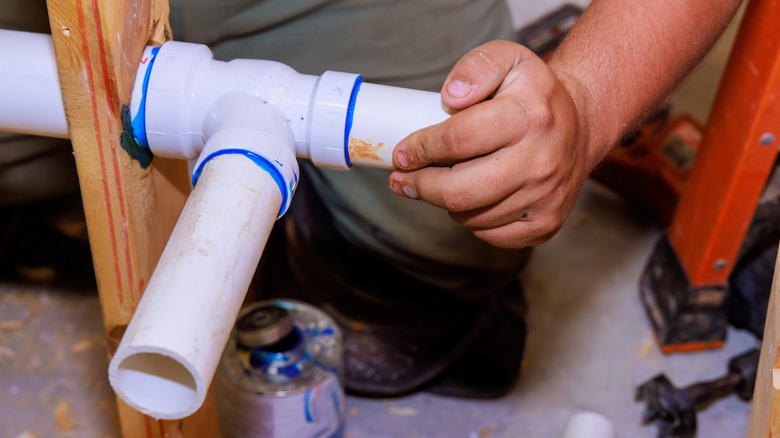
So, you're tackling a DIY HVAC project involving PVC pipe, and you've encountered that dreaded moment: a pipe is stuck in a fitting, and you need to separate them without causing irreparable damage. Whether you're rerouting condensate drains, replacing a section of refrigerant line insulation (requiring PVC conduit removal), or simply made a mistake during installation, knowing how to safely remove PVC pipe from a fitting is a crucial skill. This guide will walk you through several methods, from the gentle approach to more aggressive techniques, always prioritizing the integrity of your HVAC system.
Understanding PVC and Its Role in HVAC
Before diving into removal methods, it's essential to understand why PVC is used in HVAC systems. Primarily, it’s used for drainage (condensate lines) and occasionally for protecting refrigerant lines from physical damage and UV exposure. Its lightweight nature, resistance to corrosion, and ease of installation make it a popular choice. However, the solvent cement used to join PVC creates a strong bond, making disassembly challenging. Remember that PVC used in HVAC applications isn't the same as CPVC used for hot water; avoid applying heat to PVC unless specifically directed.
Method 1: The Gentle Twist and Pull
This is the first approach you should try, especially if the joint is relatively new or doesn't seem tightly bonded. It aims to break the solvent weld without causing stress fractures.
- Preparation: Clean the area around the fitting and pipe with a clean rag. This improves your grip and prevents debris from entering the system.
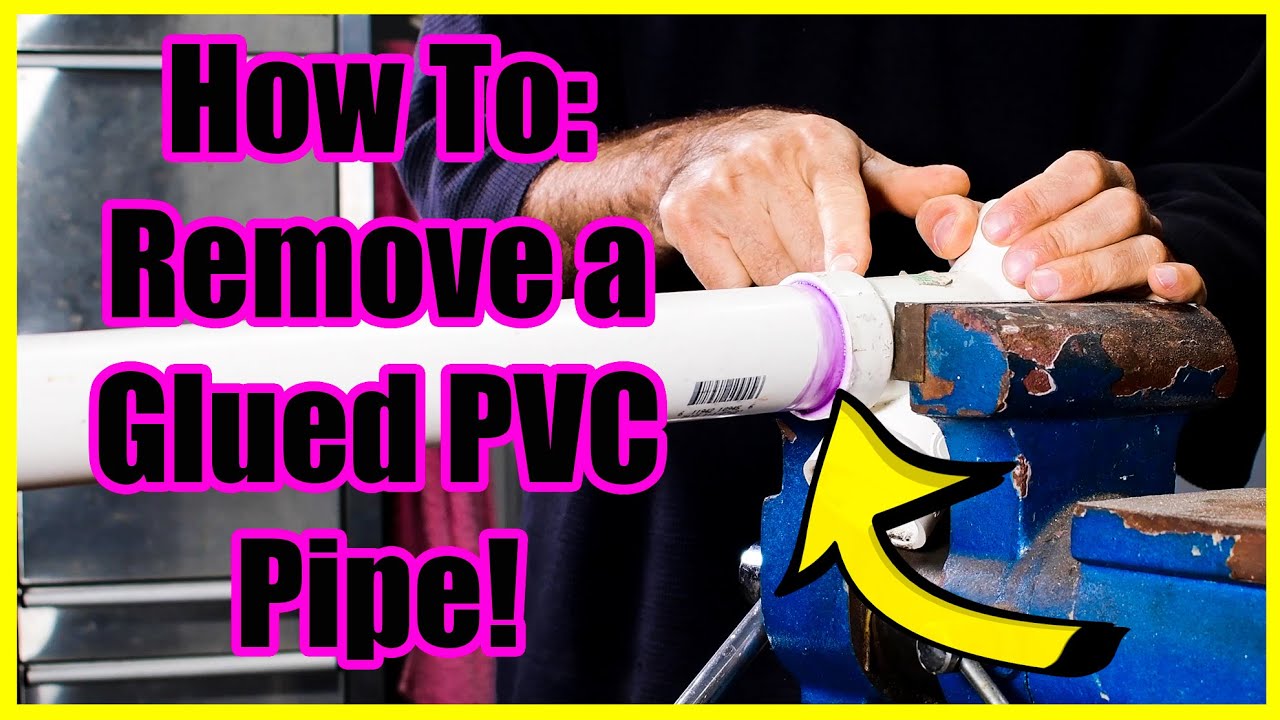
- The Twist: Firmly grip the pipe as close to the fitting as possible. Apply a twisting motion, alternating clockwise and counterclockwise, while simultaneously pulling outwards. The key is gentle, consistent pressure.
- Leverage (Optional): If the pipe is long enough, use it as a lever. Position your hands further down the pipe to increase leverage, making the twisting and pulling action more effective.
- Patience is Key: Don't force it! If the pipe doesn't budge after a few attempts, move on to the next method.
Pros: Least damaging to the fitting and pipe. Cons: Not effective for well-bonded joints.
Method 2: Heat Gun (Proceed with Caution!)
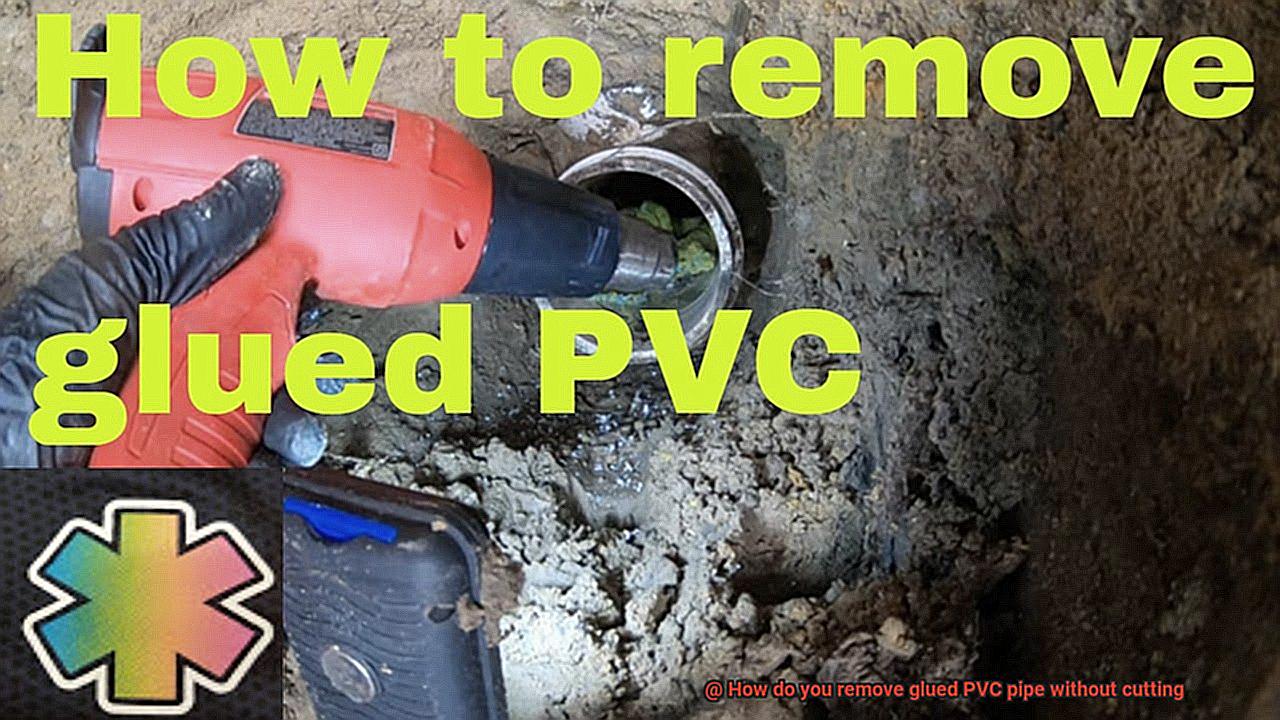
Applying heat can soften the solvent cement, making separation easier. However, extreme caution is necessary to avoid damaging the PVC or nearby components. Never use an open flame!
- Safety First: Wear safety glasses and gloves. Ensure adequate ventilation.
- Heat Gun Settings: Use the lowest heat setting on your heat gun.
- Even Heating: Slowly and evenly heat the fitting around the pipe joint. Rotate the heat gun to avoid overheating one area.
- Test the Joint: After a minute or two of heating, try the "Twist and Pull" method again. The pipe should be slightly more pliable.
- Repeat as Needed: Continue heating in short bursts, testing the joint after each burst, until the pipe starts to loosen.
Important Considerations:
- PVC can deform or melt if overheated.
- Avoid heating the pipe itself, as this can cause it to expand and become even more difficult to remove.
- This method is best suited for smaller diameter pipes and fittings.
Pros: Can soften the solvent cement effectively. Cons: Risk of damaging the PVC if not done carefully.
Method 3: The Internal Pipe Cutter (Best for Salvaging the Fitting)
This method involves using a specialized tool called an internal pipe cutter or a PVC socket saver. It essentially cuts the pipe from the inside, allowing you to remove the bulk of the pipe while leaving a thin ring inside the fitting.
- Tool Selection: Choose an internal pipe cutter that matches the diameter of the pipe you're trying to remove.
- Insertion: Carefully insert the cutter into the pipe until it reaches the fitting.
- Cutting: Follow the manufacturer's instructions to activate the cutter and begin cutting the pipe from the inside. This usually involves rotating the tool while applying pressure.
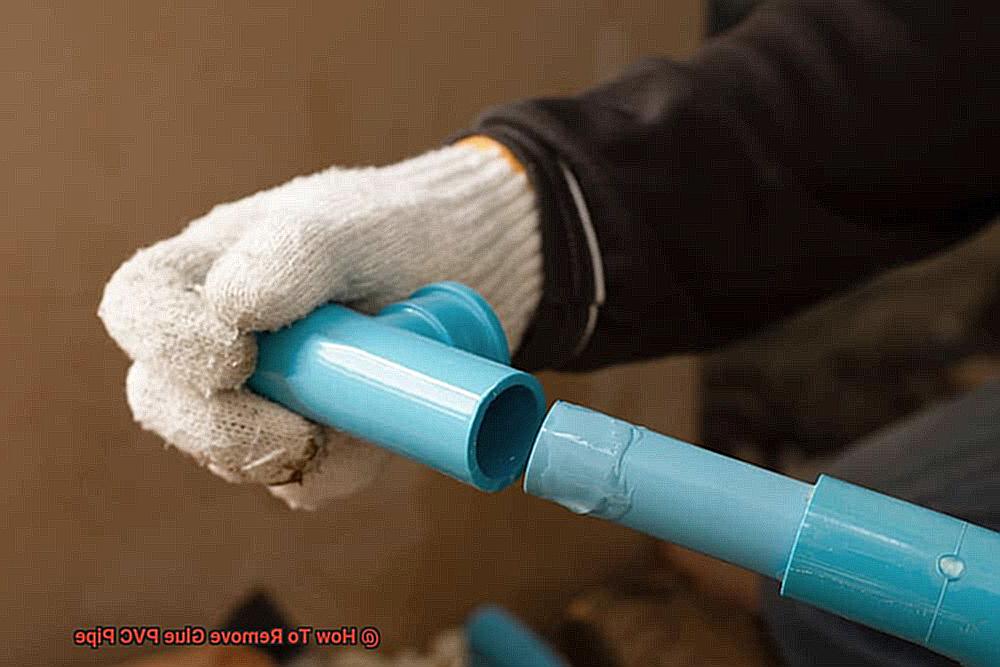
- Removal: Once the pipe is cut, you should be able to easily remove the bulk of it from the fitting.
- Residual Ring: A thin ring of PVC will likely remain inside the fitting. This can be carefully removed using a sharp knife or pliers.
Pros: Least likely to damage the fitting. Cons: Requires a specialized tool; can be time-consuming.
Method 4: The Destructive Approach (When All Else Fails)
If the fitting is expendable, and the other methods have failed, you can resort to cutting the pipe and fitting. This is a last resort because you'll need to replace the fitting.
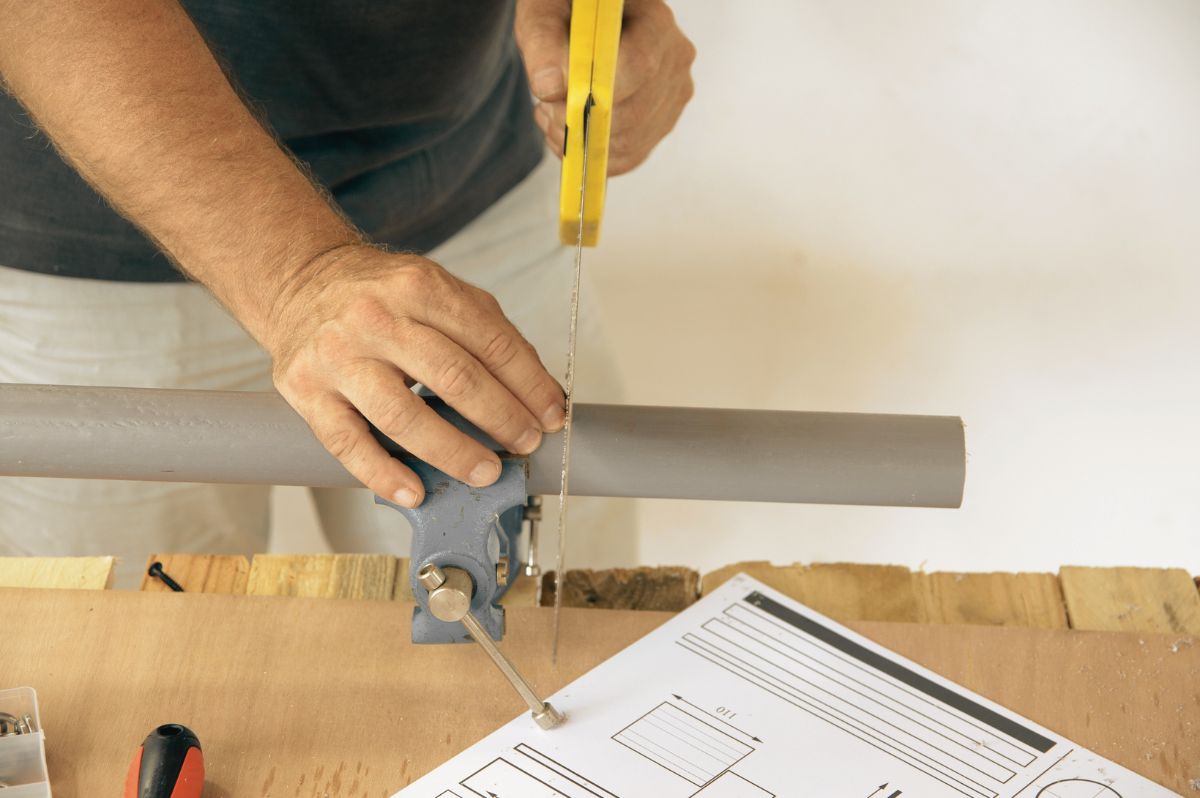
- Cut the Pipe: Use a PVC pipe cutter or a saw to cut the pipe as close to the fitting as possible.
- Cut the Fitting: Carefully cut the fitting in several places, weakening its structure. Avoid damaging any surrounding components.
- Pry and Remove: Use pliers or a screwdriver to pry away the pieces of the fitting from the remaining section of pipe.
Important Considerations:
- Be extremely careful not to damage any surrounding components, especially refrigerant lines.
- This method is messy and can create sharp debris. Wear safety glasses and gloves.
Pros: Effective for removing stubborn pipes and fittings. Cons: Destroys the fitting; potential for damage to surrounding components.
Choosing the Right Method
The best method for removing PVC pipe from a fitting depends on several factors:
- The age and condition of the joint: Newer joints are generally easier to separate.
- The size of the pipe and fitting: Larger pipes and fittings require more force and may benefit from the internal pipe cutter method.
- The accessibility of the joint: Tight spaces may limit your options.
- Your budget and availability of tools: The internal pipe cutter requires a specific tool, while the destructive approach requires basic cutting tools.
- The value of the fitting: If the fitting is expensive or difficult to replace, prioritize methods that minimize the risk of damage.
Preventative Measures for Future PVC Projects
To avoid stuck pipes in the future, consider these preventative measures:
- Use the Correct Amount of Solvent Cement: Too little cement results in a weak bond; too much can create a messy joint.
- Apply Primer: Primer softens the PVC, creating a better bond with the cement.
- Twist the Pipe During Insertion: This ensures even distribution of the cement.
- Hold the Joint Firmly for 30 Seconds: This allows the cement to set properly.
- Allow Adequate Curing Time: Follow the manufacturer's instructions for curing time before pressurizing the system.
By understanding the properties of PVC and employing the correct removal techniques, you can successfully tackle HVAC repairs and installations involving PVC pipe. Remember to always prioritize safety and proceed with caution to avoid damaging your system. And if you're ever unsure, don't hesitate to consult with a qualified HVAC professional.
HVAC Brands and Models Using PVC
Many HVAC brands utilize PVC for condensate drainage. Here are a few examples:
- Goodman: Known for affordable units often utilizing PVC for drainage. Consider the *Goodman GSX16* (SEER rating: 16).
- Carrier: A well-respected brand that uses PVC in many of its air conditioning and furnace systems for condensate removal. The *Carrier Infinity 26* (SEER rating: up to 26) often features extensive PVC drainage systems.
- Trane: Another top brand, Trane uses PVC in similar applications. Look at the *Trane XV20i* (SEER rating: up to 20) for an example.
While specific models can change, PVC's usage for condensate drainage remains a constant across various brands due to its cost-effectiveness and suitability for handling non-pressurized, low-temperature fluids.