
How To Replace A Flame Sensor

Imagine waking up on a chilly morning, only to find your house stubbornly refusing to warm up. Your furnace kicks on, the blower starts humming, but then...nothing. It shuts down after a few seconds. This is a frustratingly common scenario, and one potential culprit is a faulty flame sensor. Before calling a costly HVAC technician, let's explore some troubleshooting steps and how to potentially replace the flame sensor yourself. Remember, safety first! If you're uncomfortable with any of these steps, or if you suspect a gas leak, contact a qualified professional immediately.
Understanding the Flame Sensor
The flame sensor is a small, but crucial, safety device in your furnace. Its job is to detect the presence of a flame when the burners ignite. If the sensor doesn't detect a flame, it signals the furnace control board to shut off the gas supply, preventing a potentially dangerous buildup of unburned gas. This usually happens within a few seconds of ignition, leading to the furnace starting and then immediately stopping.
Troubleshooting: Is it Really the Flame Sensor?
Before assuming the flame sensor is the problem, let's rule out some simpler issues:
1. Check the Thermostat
- Power: Ensure your thermostat has power. Check the batteries if it's battery-powered.
- Settings: Verify the thermostat is set to "Heat" and the temperature is set above the current room temperature.
- Fan Setting: Make sure the fan is set to "Auto" or "On," not "Off."
2. Inspect the Air Filter
A dirty air filter restricts airflow, which can cause the furnace to overheat and shut down. This can sometimes mimic a flame sensor issue.
- Location: Find the air filter, usually located near the blower motor or in a wall/ceiling vent.
- Condition: Hold the filter up to the light. If you can't see light through it, it's time to replace it.
- Replacement: Install a new filter of the correct size and type.
3. Circuit Breaker Check
A tripped circuit breaker is a common cause of furnace problems.
- Location: Locate your home's electrical panel.
- Identification: Find the breaker labeled "Furnace" or something similar.
- Reset: If the breaker is tripped (usually in the middle position), flip it all the way to the "Off" position and then back to the "On" position.
- Retest: Try turning on the furnace again. If the breaker trips repeatedly, there's a more serious electrical problem that requires professional attention. Do not repeatedly reset a tripping breaker!
4. Gas Supply Verification
Ensure the gas valve to the furnace is open. It's usually a lever or handle located on the gas pipe leading to the furnace.
- Position: The handle should be parallel to the gas pipe for the valve to be open. If it's perpendicular, it's closed.
- Other Appliances: Check if other gas appliances in your home are working. If not, there might be a problem with your main gas supply. Contact your gas company.
If none of these steps resolve the issue, it's more likely the flame sensor (or another internal furnace component) is faulty.
Replacing the Flame Sensor: A Step-by-Step Guide
Warning: This procedure involves working with gas and electricity. If you are uncomfortable with these tasks, please contact a qualified HVAC technician. Before proceeding, turn off the power to the furnace at the circuit breaker and turn off the gas supply to the furnace.
1. Gather Your Tools and Materials
- New Flame Sensor: Purchase a replacement flame sensor that is compatible with your furnace make and model. You can usually find this information in your furnace's manual or on a sticker inside the unit. You can also take the old one to most hardware stores.
- Screwdriver: You'll likely need a screwdriver (usually a Phillips head or a nut driver) to remove the access panel and the sensor itself.
- Wire Brush or Steel Wool: To clean the flame sensor (if you're not replacing it immediately).
- Wrench (optional): For loosening gas line connections if necessary to access the sensor (only if comfortable and confident).
- Multi-meter (optional): To test the sensor's functionality (advanced).
- Safety Glasses: To protect your eyes.
- Gloves (optional): To protect your hands.
2. Locate the Flame Sensor
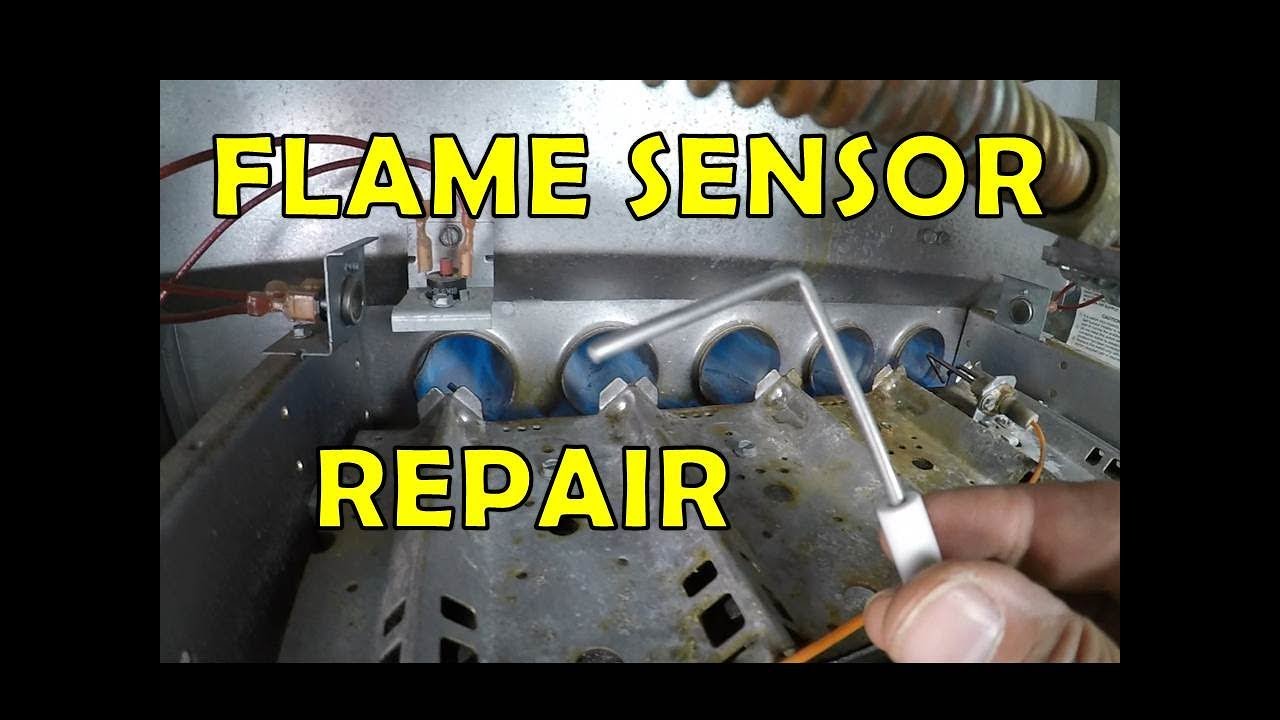
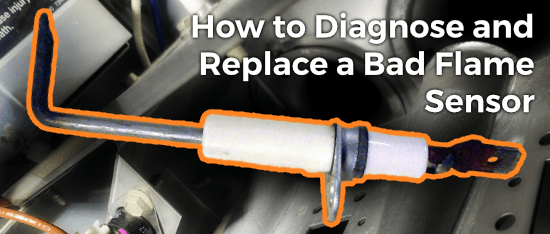
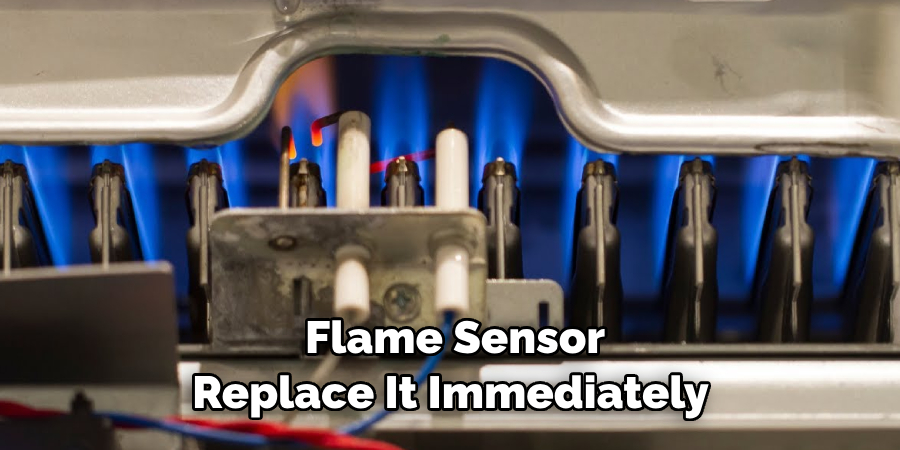
The flame sensor is typically a small, metallic rod located near the burners inside the furnace's burner compartment. It's usually held in place by a single screw or bracket. Accessing it requires removing the furnace's front access panel.
- Power Off: Double-check that the power to the furnace is turned off at the circuit breaker.
- Access Panel Removal: Remove the screws holding the access panel in place. Carefully remove the panel, noting how it fits.
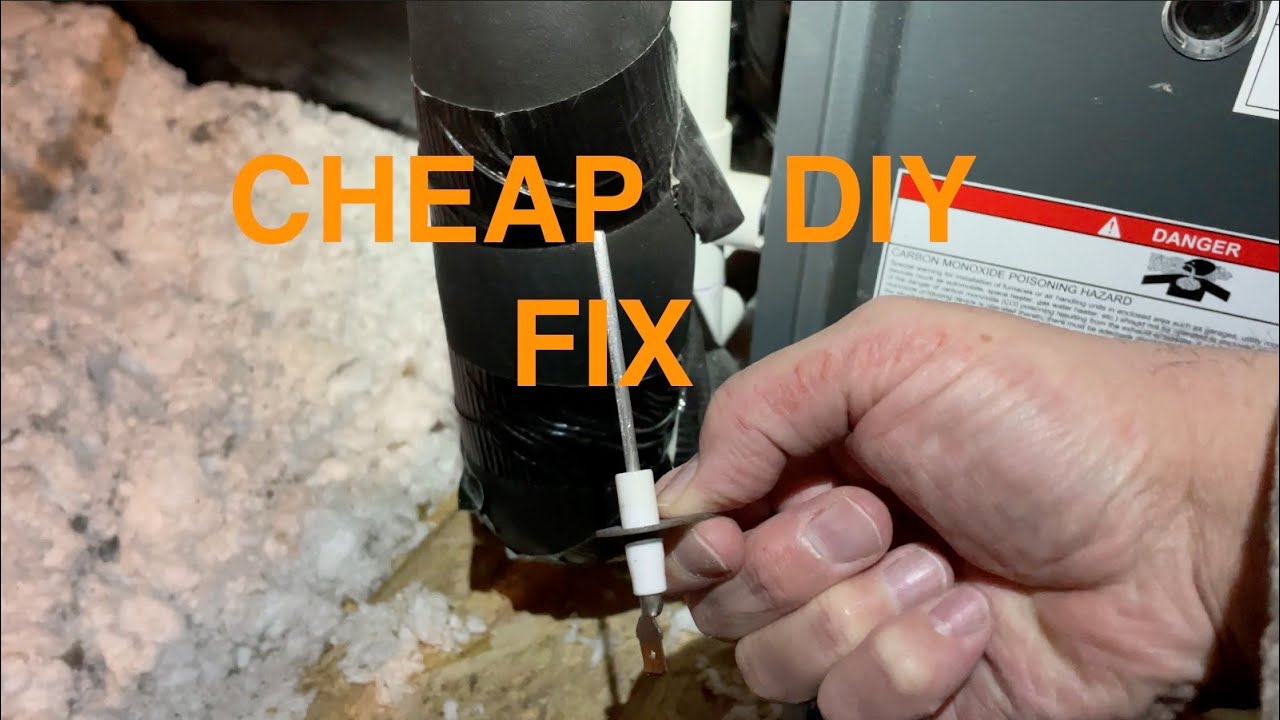
- Flame Sensor Identification: Look for a thin, metallic rod (often porcelain) extending into the burner area. It's usually held in place by a single screw. There will be a wire attached to it.
3. Remove the Old Flame Sensor
- Disconnect the Wire: Gently disconnect the wire from the flame sensor. Note how it's connected (e.g., with a spade connector or screw terminal). A picture may help.
- Remove the Screw: Using the appropriate screwdriver, remove the screw or bracket holding the flame sensor in place.
- Carefully Extract: Gently pull the flame sensor out of its mounting.
4. Inspect and Clean (or Replace) the Flame Sensor
Sometimes, the flame sensor is simply dirty, preventing it from properly detecting the flame. If the sensor looks relatively clean, you can try cleaning it.
- Inspection: Examine the flame sensor for any signs of damage, such as cracks, corrosion, or excessive buildup.
- Cleaning (if applicable): Use a wire brush or steel wool to gently clean the metallic rod of the flame sensor. Remove any carbon buildup or other debris. Be careful not to damage the sensor.
- Replacement (if necessary): If the sensor is damaged or excessively corroded, it's best to replace it with a new one.
5. Install the New Flame Sensor
- Insert the Sensor: Carefully insert the new flame sensor into its mounting, making sure it's positioned correctly.
- Secure with Screw: Secure the flame sensor with the screw or bracket you removed earlier. Do not overtighten.
- Reconnect the Wire: Reconnect the wire to the flame sensor, ensuring a secure connection.
6. Reassemble and Test
- Replace Access Panel: Carefully replace the furnace's access panel and secure it with the screws you removed earlier.
- Turn on Gas Supply: If you turned off the gas supply, turn it back on.
- Restore Power: Turn the power back on to the furnace at the circuit breaker.
- Test the Furnace: Turn up the thermostat and observe the furnace. It should ignite and stay lit. If it still shuts down after a few seconds, double-check your connections and repeat the cleaning/replacement process. If the problem persists, it's time to call a professional.
Advanced Troubleshooting (Leave to Professionals if Unsure)
If replacing the flame sensor doesn't solve the problem, the issue might be more complex and require professional diagnosis. Here are some possible issues:
1. Control Board Issues
The furnace control board is the "brain" of the furnace. It controls all the furnace's functions, including the flame sensor circuit. A faulty control board can cause the furnace to shut down even with a functioning flame sensor.
2. Gas Valve Problems
A malfunctioning gas valve can prevent the gas from flowing properly to the burners, leading to flame failure.
3. Igniter Problems
The igniter is responsible for igniting the gas. If the igniter is weak or faulty, it might not ignite the gas reliably, leading to flame failure. Furnaces use either a hot surface igniter (looks like a ceramic rod that glows) or a spark igniter (creates a spark like a spark plug).
4. Grounding Issues
A poor ground connection can interfere with the flame sensor's ability to detect the flame. A multimeter may be needed to check continuity to ground.
5. Manifold Pressure Issues
If the manifold gas pressure is off, the burner flame may not be adequate for the flame sensor to detect it.
When to Call a Professional
While replacing a flame sensor can be a DIY project, there are times when it's best to call a qualified HVAC technician:
- Gas Leaks: If you smell gas, immediately turn off the gas supply to the furnace and evacuate the area. Call your gas company and a qualified HVAC technician.
- Electrical Problems: If you suspect an electrical problem, such as a short circuit or a faulty control board, do not attempt to fix it yourself. Call a qualified electrician or HVAC technician.
- Complex Repairs: If you're uncomfortable working with gas or electricity, or if you're unsure about any of the steps involved in replacing the flame sensor, it's best to call a professional.
- Persistent Problems: If you've replaced the flame sensor and the furnace still isn't working properly, there may be a more complex issue that requires professional diagnosis and repair.
- Warranty: If your furnace is still under warranty, attempting to repair it yourself may void the warranty. Check your warranty documentation before proceeding.
Safety First!
Working with gas and electricity can be dangerous. Always prioritize safety when troubleshooting and repairing your furnace. If you're not comfortable with any of the steps involved, or if you suspect a gas leak or electrical problem, call a qualified professional immediately. Your safety is more important than saving a few dollars.
By following these steps, you can potentially diagnose and fix a faulty flame sensor, saving yourself a service call. However, remember to always err on the side of caution and call a professional when needed. A warm home is great, but a safe home is essential!




:max_bytes(150000):strip_icc()/replacing-water-heater-thermocouple-flame-sensor-1824918-hero-7ee1bb61d2a84355b3884424297996b4.jpg)