How To Replace A Gas Water Heater
Few things are as frustrating as waking up to a cold shower. A sputtering, lukewarm shower often signals trouble with your water heater, a crucial appliance we often take for granted. Before you resign yourself to shivering through your morning routine, let's explore how to troubleshoot and potentially replace your gas water heater.
This guide provides a step-by-step approach, covering diagnosis, DIY fixes, and when it's time to call in a professional. Safety is paramount, so we'll emphasize precautions throughout.
Diagnosing the Problem: Is Replacement Really Necessary?
The first step is to pinpoint exactly what's going wrong. Is it just lukewarm water, no hot water at all, strange noises, or a leak? These symptoms point to different potential issues.
Step 1: Preliminary Checks (No Tools Required)
Start with the simple stuff. These checks require no tools and can often reveal obvious problems.
- Check the Gas Supply: Ensure your gas is turned on to the house and specifically to the water heater. Look for a valve near the unit and make sure it's in the "on" position. Sometimes a simple bump can accidentally shut it off.
- Inspect the Pilot Light (for older models): Most newer gas water heaters have electronic ignition, but older models use a pilot light. Is the pilot light lit? If not, follow the manufacturer's instructions (usually printed on the unit) for relighting it. Be extremely careful when working with gas. If you smell gas, leave the area immediately and call your gas company or fire department.
- Check the Thermostat Setting: Is the thermostat set to a reasonable temperature (typically around 120-130°F)? Someone might have accidentally lowered it.
- Look for Obvious Leaks: Visually inspect the water heater and surrounding area for any signs of leaks. A small drip can quickly turn into a major problem.
Step 2: More In-Depth Checks (Basic Tools Required)
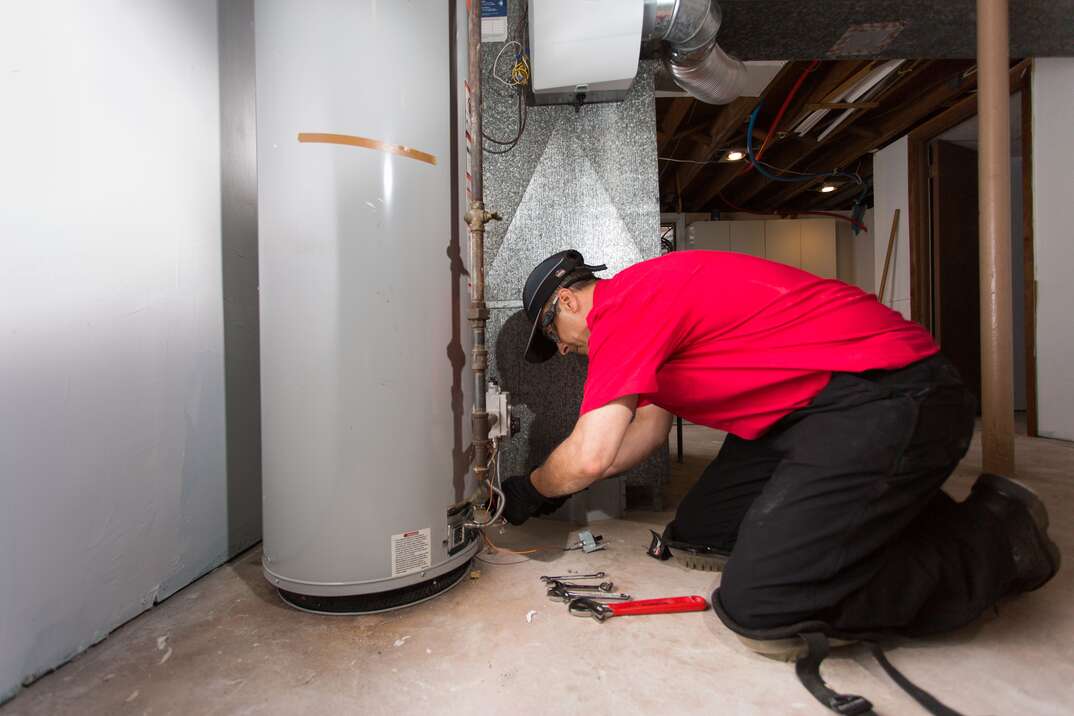
If the preliminary checks don't reveal the culprit, it's time to get a little more hands-on. You'll need a few basic tools:
- Multimeter: To check the functionality of the thermostat and heating elements (if applicable to your model – some have electronic controls).
- Pipe Wrench: For loosening and tightening gas and water connections.
- Screwdrivers (various sizes): For removing access panels and adjusting settings.
- Adjustable Wrench: For working with different sized fittings.
- Bucket and Hose: For draining the water heater.
These steps involve working with gas and electricity. If you are not comfortable or experienced, DO NOT proceed. Call a qualified professional.
- Check the Thermocouple (Pilot Light Issues): If the pilot light won't stay lit, the thermocouple (a safety device that senses the pilot light) might be faulty. Use a multimeter to test its continuity. Consult your water heater's manual for specific testing instructions. A faulty thermocouple often requires replacement.
- Test the Thermostat: Use a multimeter to check the thermostat's continuity. If it's not working, it may need replacement.
- Inspect the Burner Assembly: Carefully inspect the burner assembly for any obstructions or corrosion. Debris can prevent the burner from igniting properly. Turn off the gas supply before inspecting the burner.
When to Call a Professional: Red Flags
Some problems are simply too complex or dangerous to handle yourself. Here are some red flags that indicate you need to call a qualified plumber or HVAC technician:
- Gas Leaks: If you smell gas, even faintly, evacuate the area immediately and call your gas company or fire department.
- Electrical Problems: If you suspect electrical issues with the water heater's controls or wiring, leave it to the professionals.
- Internal Tank Leaks: If the leak is coming from the tank itself, the water heater is likely beyond repair and needs replacement.
- You are Uncomfortable: If at any point you feel uncomfortable or unsure about any of the steps, err on the side of caution and call a professional.
- Complex Repairs: Issues like a faulty gas valve, burner assembly repairs, or complex wiring problems are best left to experienced technicians.
Replacing Your Gas Water Heater: A Step-by-Step Guide
If diagnosis confirms that your water heater needs replacement, and you're comfortable with DIY plumbing and gas work (and have obtained the necessary permits), here's a step-by-step guide.
WARNING: Replacing a gas water heater involves working with gas and water lines. Improper installation can be dangerous and may violate local codes. If you are not comfortable with this work, hire a qualified professional.
Step 1: Safety First!
- Turn off the Gas Supply: Locate the gas shut-off valve near the water heater and turn it to the "off" position. Double-check that the gas is off by briefly turning on a nearby gas appliance (like a stove burner). If it doesn't light, the gas is off.
- Turn off the Water Supply: Locate the cold water shut-off valve above the water heater and turn it off.
- Turn off the Power Supply (If Applicable): Some gas water heaters have electrical components for the ignition system or controls. Turn off the breaker that supplies power to the water heater.
Step 2: Drain the Old Water Heater
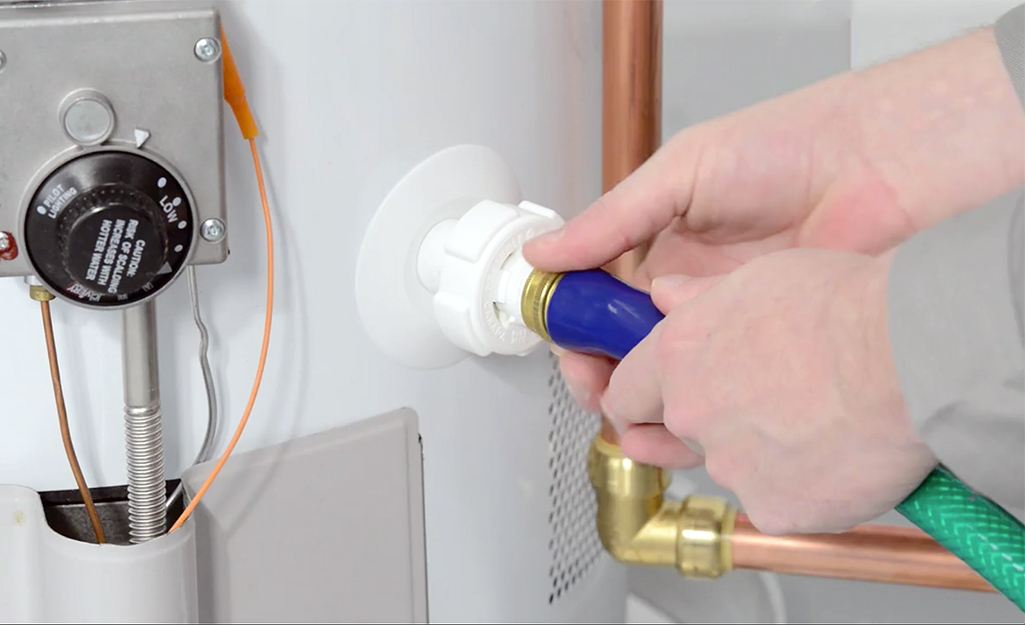
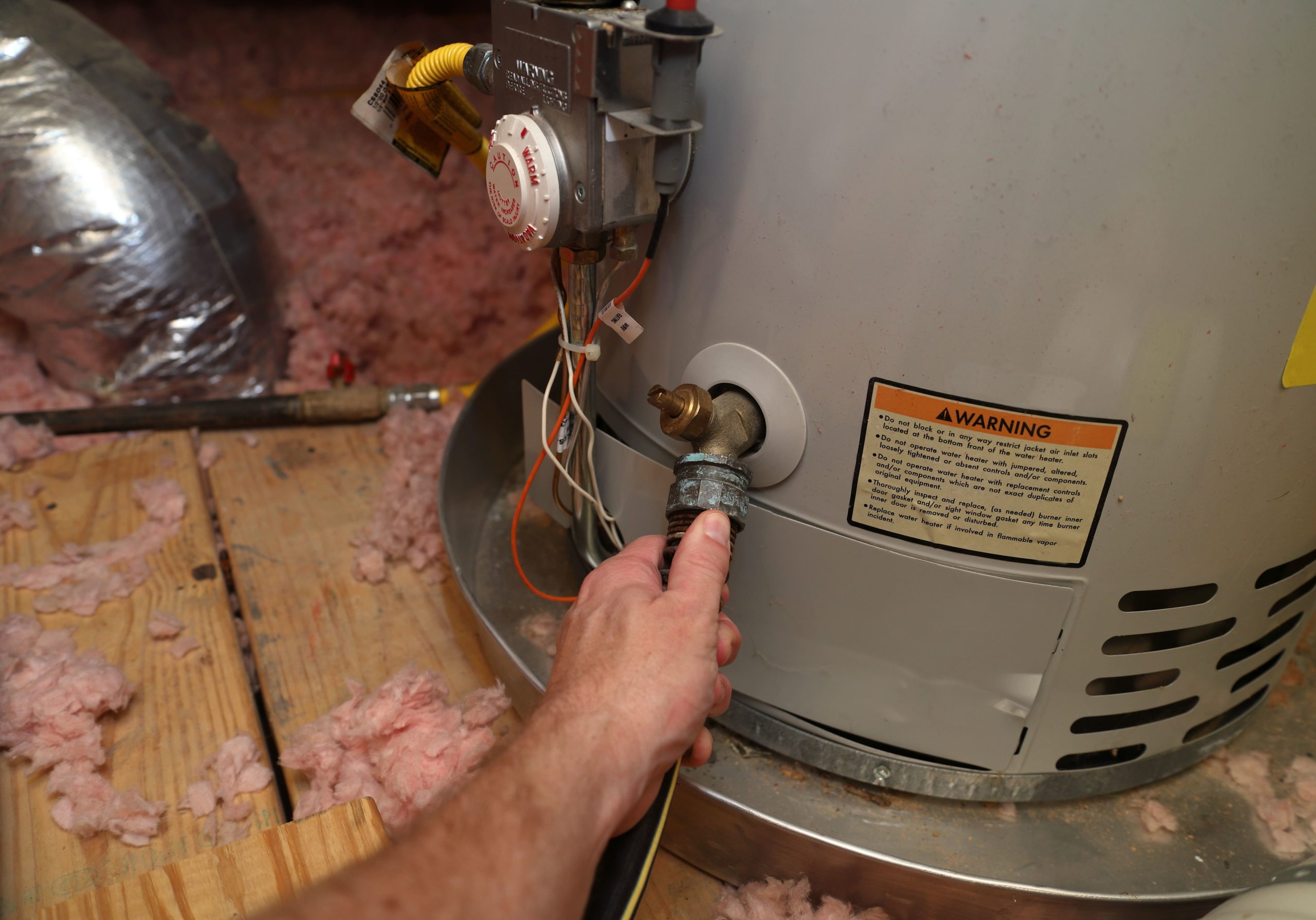
- Attach a Hose: Connect a garden hose to the drain valve at the bottom of the water heater.
- Run the Hose to a Safe Drain: Run the other end of the hose to a floor drain, outside, or into a large bucket. Be prepared for a significant amount of water.
- Open the Drain Valve: Carefully open the drain valve and allow the water heater to drain completely. You can open a hot water faucet elsewhere in the house to help vent the tank and speed up the draining process.
Step 3: Disconnect the Gas and Water Lines
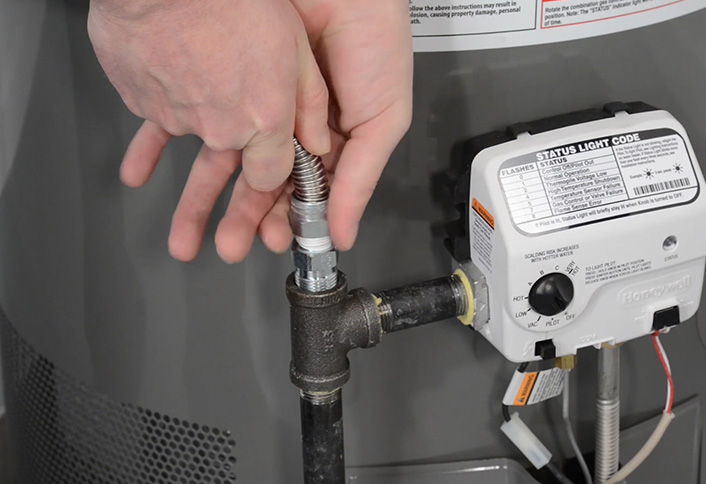
- Disconnect the Gas Line: Using two pipe wrenches (one to hold the pipe and one to loosen the fitting), carefully disconnect the gas line from the water heater. Use a gas leak detector solution (available at most hardware stores) to check for leaks after reconnecting the gas line in Step 7.
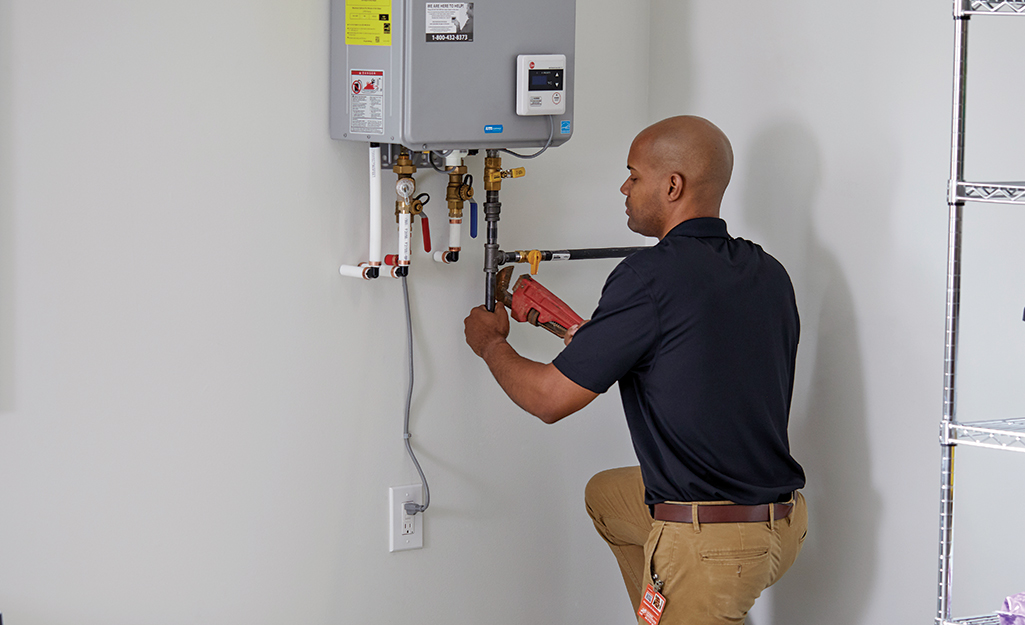
- Disconnect the Water Lines: Using pipe wrenches, disconnect the cold water inlet and hot water outlet pipes from the water heater.
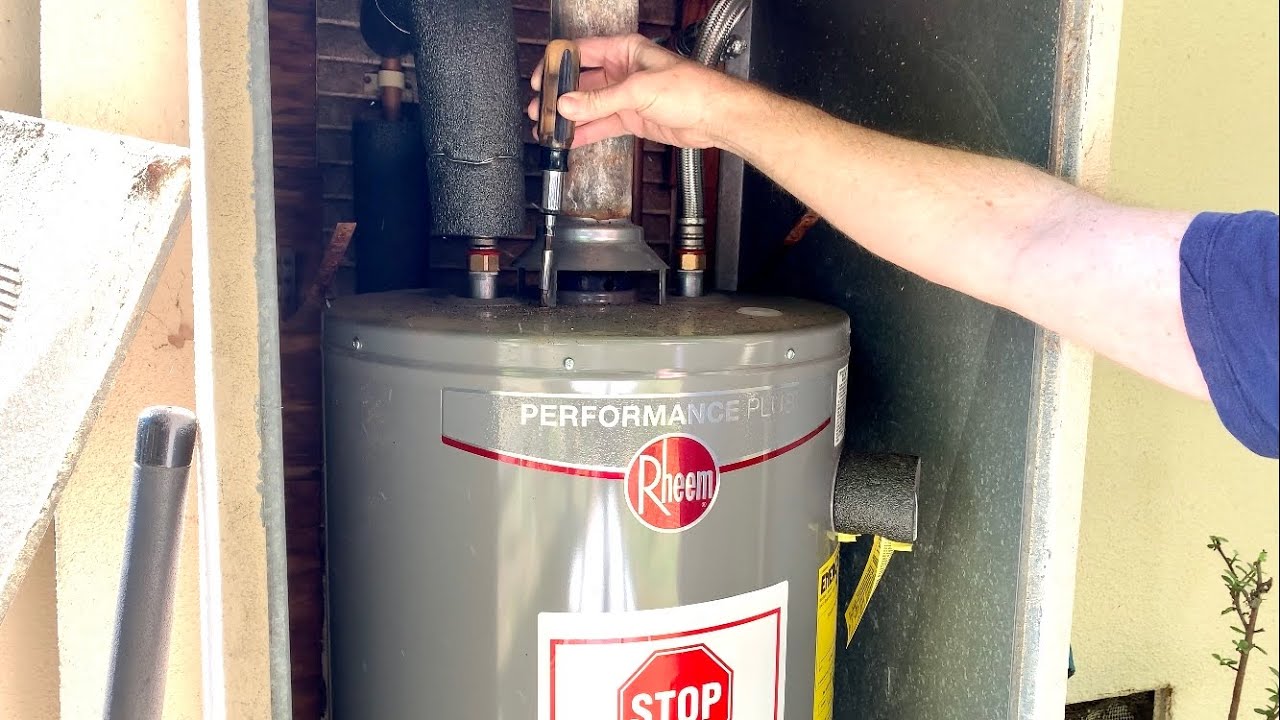
- Disconnect the Vent: If your water heater has a vent pipe, carefully disconnect it. Take note of how the vent is connected so you can reconnect it properly later.
Step 4: Remove the Old Water Heater
- Prepare the Area: Clear a path to remove the old water heater and bring in the new one.
- Remove the Old Unit: Carefully move the old water heater out of the way. It will be heavy, so get help if needed.
Step 5: Prepare the New Water Heater
- Inspect the New Unit: Carefully inspect the new water heater for any damage.
- Install Fittings: Install any necessary fittings, such as dielectric unions (to prevent corrosion between dissimilar metals), on the water heater's inlet and outlet pipes. Use pipe thread sealant (Teflon tape or pipe dope) on all threaded connections.
Step 6: Install the New Water Heater
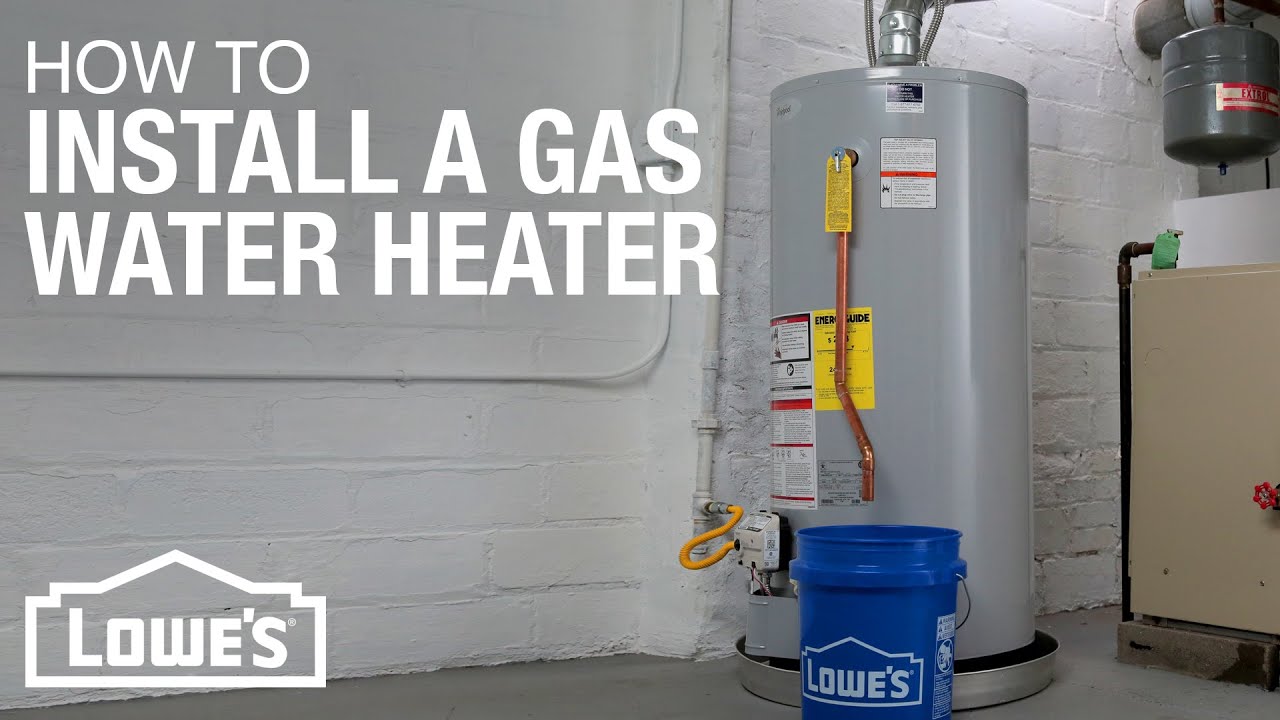
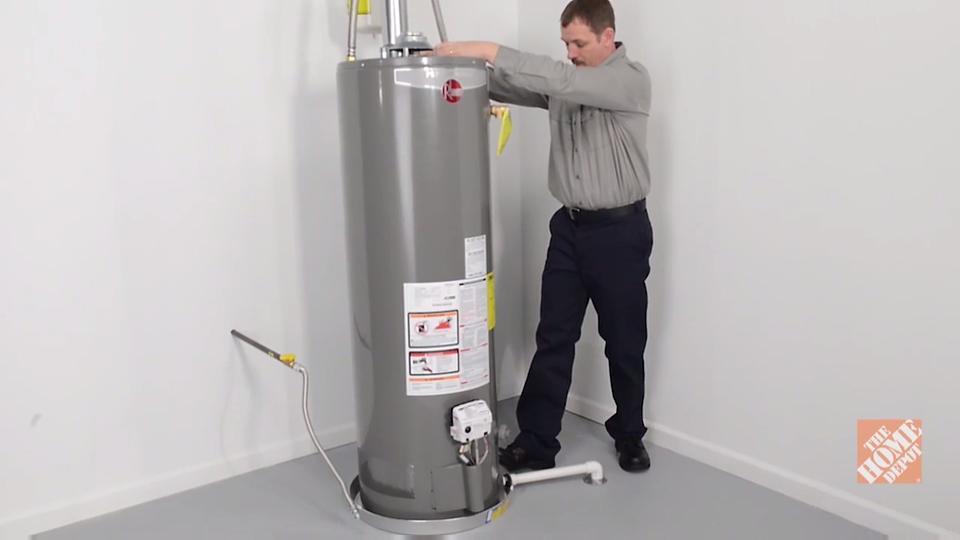
- Position the New Unit: Carefully move the new water heater into place.
- Connect the Water Lines: Connect the cold water inlet and hot water outlet pipes to the new water heater. Use pipe thread sealant on all threaded connections. Tighten the connections securely.
Step 7: Connect the Gas Line
- Connect the Gas Line: Carefully connect the gas line to the new water heater. Use pipe thread sealant on all threaded connections. Tighten the connection securely.
- Check for Gas Leaks: This is crucial. Apply a gas leak detector solution to all gas connections. If bubbles appear, there is a leak. Tighten the connection further or re-apply pipe thread sealant and re-check. Do not proceed until there are no leaks.
Step 8: Reconnect the Vent
- Reconnect the Vent: Reconnect the vent pipe to the new water heater, ensuring a secure and airtight connection. Follow local codes and manufacturer's instructions for venting. Improper venting can lead to carbon monoxide poisoning.
Step 9: Fill the Water Heater
- Open the Cold Water Inlet Valve: Slowly open the cold water inlet valve to allow the water heater to fill.
- Open a Hot Water Faucet: Open a hot water faucet elsewhere in the house to allow air to escape from the tank. Once water flows steadily from the faucet, the water heater is full.
Step 10: Light the Pilot Light (or Start the Electronic Ignition)
- Follow Manufacturer's Instructions: Follow the manufacturer's instructions for lighting the pilot light or starting the electronic ignition system.
- Set the Thermostat: Set the thermostat to your desired temperature (typically around 120-130°F).
Step 11: Final Checks
- Check for Water Leaks: Carefully check all water connections for leaks. Tighten any connections as needed.
- Monitor the Water Heater: Monitor the water heater for a few hours to ensure it is operating properly.
Post-Installation Considerations
Once your new water heater is installed, here are a few things to keep in mind:
- Check Local Codes: Ensure your installation complies with all local codes and regulations.
- Register the Warranty: Register your new water heater with the manufacturer to activate the warranty.
- Regular Maintenance: Drain a few gallons of water from the water heater every few months to remove sediment and prolong its lifespan.
Replacing a gas water heater is a significant undertaking. While this guide provides a comprehensive overview, remember that safety is paramount. If you're unsure about any step, or if you encounter any problems, don't hesitate to call a qualified professional.