How To Replace Ac Blower Motor
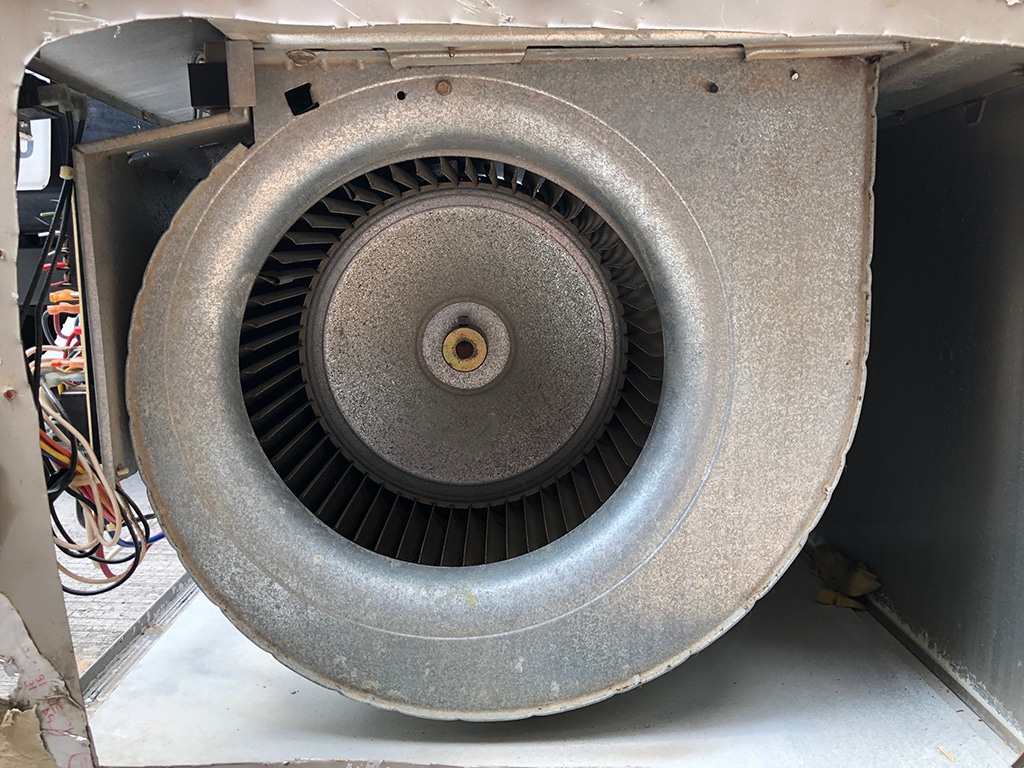
The AC blower motor is the unsung hero of your HVAC system, quietly circulating conditioned air throughout your home or business. When it falters, efficiency plummets, comfort suffers, and energy bills skyrocket. While professional repair is often necessary, savvy homeowners and businesses with a little know-how can tackle a blower motor replacement themselves, unlocking significant savings and boosting the overall energy efficiency of their HVAC systems.
Is DIY Blower Motor Replacement Right for You?
Before diving in, honestly assess your comfort level with electrical work and mechanical repairs. This project involves disconnecting power, handling electrical components, and disassembling part of your HVAC unit. If you're uncomfortable with any of these aspects, it's best to call a qualified HVAC contractor. However, if you're a confident DIYer, this guide will provide the steps to safely and effectively replace your AC blower motor.
Tools and Materials You'll Need:
- New Blower Motor: Ensure it's the correct replacement for your unit. Check your HVAC system's model number.
- Screwdrivers: Both Phillips head and flathead.
- Wrenches: A set of open-end or adjustable wrenches.
- Wire Strippers/Crimpers: For electrical connections.
- Wire Connectors: To safely join wires.
- Multimeter: To test for voltage and continuity.
- Voltage Tester: A non-contact voltage tester for added safety.
- Gloves: Insulated gloves for electrical safety.
- Safety Glasses: To protect your eyes.
- Mask or Respirator: Especially if working in a dusty environment.
- Digital Camera or Smartphone: To document wiring configurations before disconnection.
- Pen and Paper: To label wires if needed.
Step-by-Step Guide to Replacing Your AC Blower Motor
Safety First! Before starting any work, turn off the power to your HVAC unit at the main breaker panel. Use a voltage tester to confirm that the power is off.
- Locate the Blower Motor: The blower motor is typically housed inside the air handler unit, usually located in the attic, basement, or a utility closet.
- Access the Blower Compartment: Remove the access panel to the blower compartment. This usually involves unscrewing a few screws.
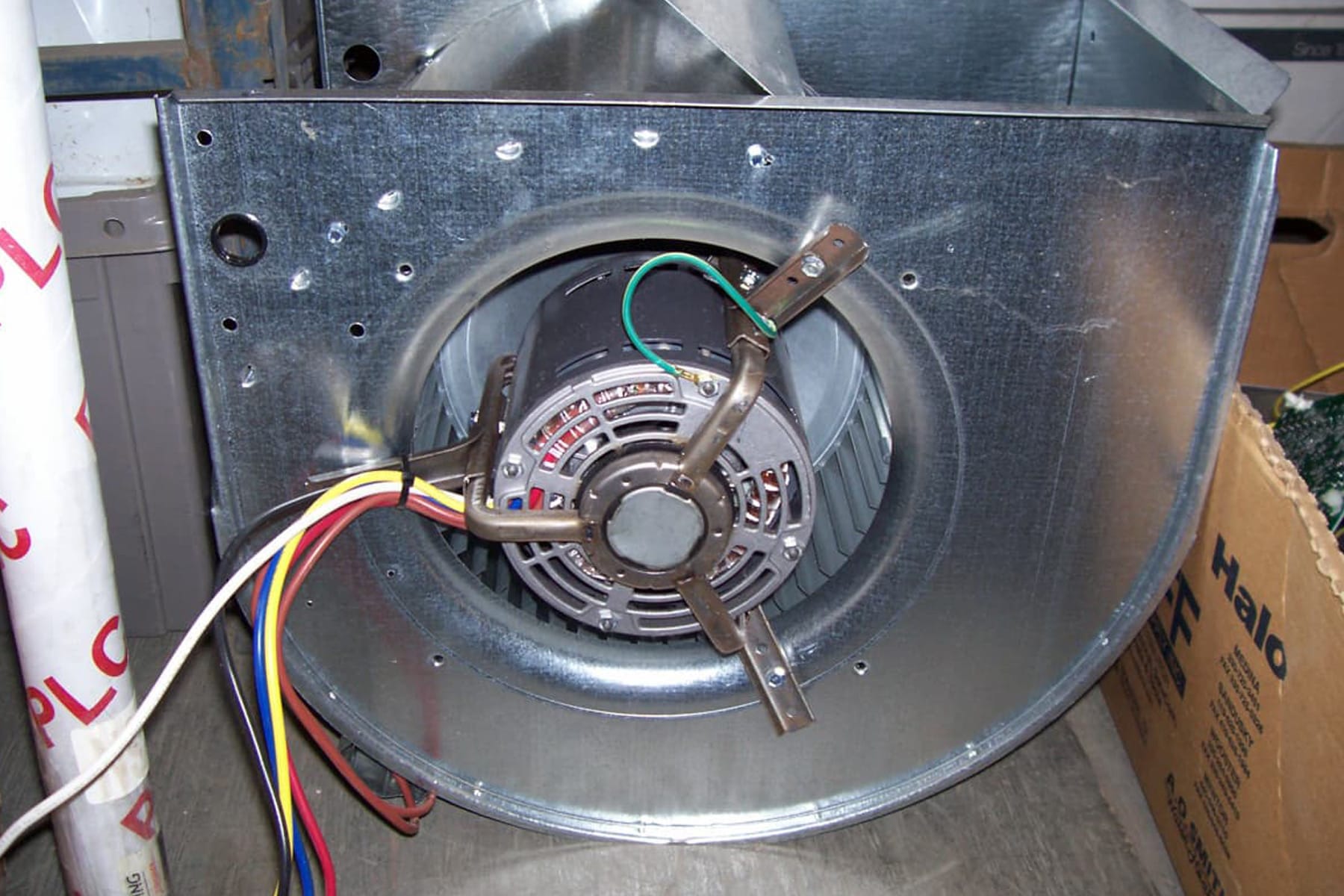
- Document Wiring: This is crucial! Before disconnecting any wires, take clear pictures and/or draw a detailed diagram of the wiring connections to the blower motor. Label the wires if necessary. This will be your guide when reconnecting the new motor.
- Disconnect Wiring: Carefully disconnect the wires from the blower motor. Use wire strippers to prepare the wire ends if needed, and use appropriate wire connectors for secure connections.
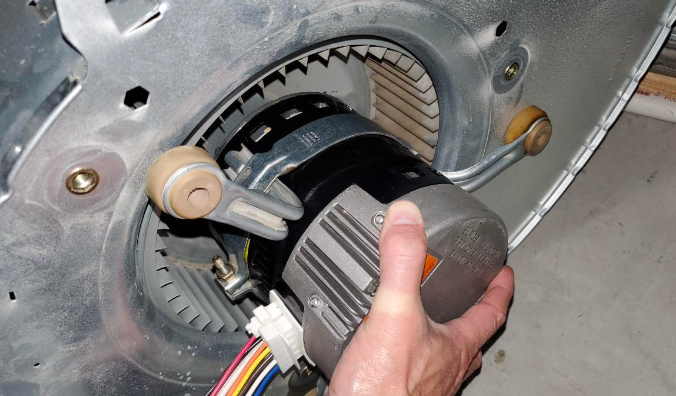
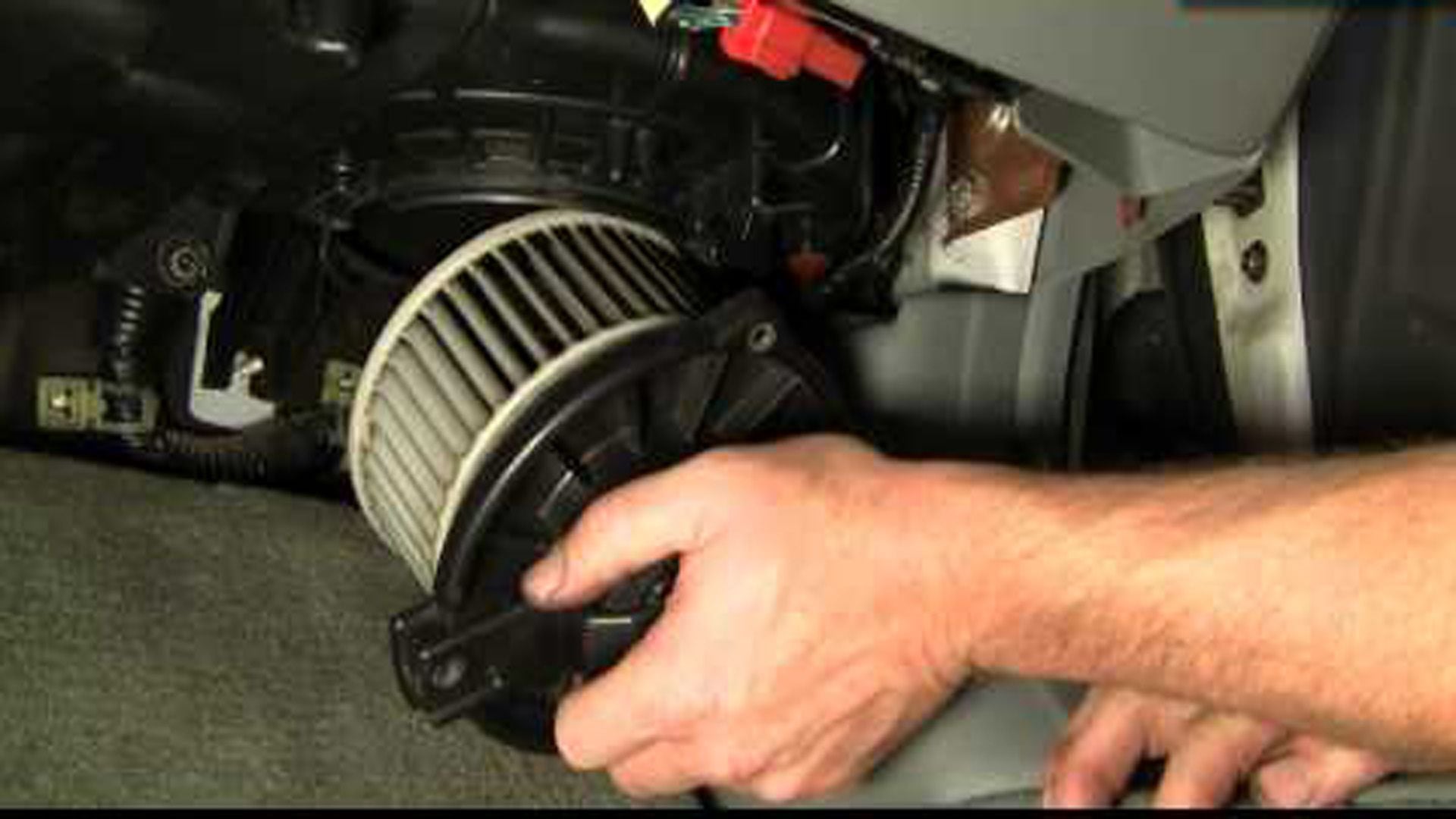
- Remove the Blower Assembly: The blower motor is usually attached to a blower wheel (also called a squirrel cage fan) and a mounting bracket. You may need to loosen screws, nuts, or bolts to detach the assembly. Be prepared for some dust and debris.
- Detach the Blower Motor: Separate the blower motor from the blower wheel and mounting bracket. This may involve loosening a setscrew or removing a retaining clip.
- Install the New Blower Motor: Attach the new blower motor to the blower wheel and mounting bracket in the same orientation as the old motor. Ensure the blower wheel spins freely without obstruction.
- Reinstall the Blower Assembly: Carefully reinsert the blower assembly back into the air handler unit. Secure it with the screws, nuts, or bolts you removed earlier.
- Reconnect Wiring: Using your photos or diagram as a guide, reconnect the wires to the new blower motor. Ensure all connections are secure and properly insulated.
- Replace the Access Panel: Securely reattach the access panel to the blower compartment.
- Restore Power: Turn the power back on to your HVAC unit at the main breaker panel.
- Test the System: Turn on your HVAC system and observe the blower motor to ensure it is running smoothly and circulating air properly. Listen for any unusual noises or vibrations.
Choosing the Right Replacement Blower Motor
Selecting the correct replacement blower motor is essential for optimal performance and longevity. Here's what to consider:
- Horsepower (HP): Match the HP rating of your old motor. Using a motor with a significantly different HP rating can damage your system.
- Voltage and Amperage: Ensure the voltage and amperage ratings of the new motor match your system's specifications.
- RPM (Revolutions Per Minute): The RPM of the new motor should be similar to the old motor to maintain proper airflow.
- Frame Size: The frame size of the motor must be compatible with your blower assembly.
- Shaft Size and Rotation: Ensure the shaft size and rotation (clockwise or counterclockwise) are correct for your blower wheel.
- Motor Type: Consider upgrading to an ECM (Electronically Commutated Motor). ECMs are significantly more energy-efficient than traditional PSC (Permanent Split Capacitor) motors. While they have a higher upfront cost, the energy savings can quickly offset the difference.
ECM Motors: A Smart Upgrade for Energy Savings
ECM motors offer significant advantages in terms of energy efficiency and performance. Unlike traditional PSC motors that operate at a fixed speed, ECMs can adjust their speed based on the system's needs. This variable-speed operation allows for more precise temperature control, reduced energy consumption, and quieter operation.
According to the U.S. Department of Energy, replacing a PSC motor with an ECM can reduce energy consumption by as much as 60-80%. This translates to substantial savings on your energy bills over the lifespan of the motor. Furthermore, many utility companies offer rebates and incentives for upgrading to ECM motors, further reducing the upfront cost.
Example: A typical residential HVAC system with a PSC blower motor might consume 500 watts during continuous operation. An equivalent ECM motor could consume as little as 100-200 watts under similar conditions. Over a year, this difference in energy consumption can result in hundreds of dollars in savings.
Smart Home Integration and Enhanced Energy Efficiency
Upgrading to an ECM blower motor opens the door to seamless integration with smart thermostats and other smart home devices. Smart thermostats can communicate with the ECM motor to optimize airflow based on occupancy, weather conditions, and user preferences. This allows for even greater energy savings and improved comfort.
For example, a smart thermostat can automatically reduce the blower motor speed when no one is home, minimizing energy waste. It can also adjust the airflow to different zones of the house based on individual temperature preferences. This level of control is simply not possible with traditional PSC motors.
Maintenance Tips for Extending Blower Motor Lifespan
Proper maintenance can significantly extend the lifespan of your blower motor and ensure optimal performance.
- Regularly Replace Air Filters: Clogged air filters restrict airflow, forcing the blower motor to work harder and potentially overheat. Replace your air filters every 1-3 months, depending on the filter type and usage.
- Clean the Blower Wheel: Dust and debris can accumulate on the blower wheel, reducing its efficiency and causing the motor to work harder. Periodically clean the blower wheel with a brush or vacuum cleaner.
- Lubricate the Motor Bearings (if applicable): Some older blower motors have oil ports for lubricating the bearings. Refer to the manufacturer's instructions for proper lubrication.
- Inspect Wiring Connections: Regularly inspect the wiring connections to the blower motor for any signs of corrosion or damage. Tighten any loose connections.
Troubleshooting Common Blower Motor Problems
If your blower motor is not working properly, here are some common problems and potential solutions:
- Motor Not Running: Check the breaker, wiring connections, and capacitor. The motor may also be burned out and require replacement.
- Motor Running But No Airflow: Check the air filter, blower wheel, and ductwork for obstructions.
- Motor Making Noise: Check for loose parts, debris in the blower wheel, or worn-out bearings.
- Motor Overheating: Check the air filter, blower wheel, and ductwork for obstructions. The motor may also be overloaded or improperly sized.
When to Call a Professional HVAC Contractor
While replacing a blower motor can be a DIY project, there are situations where it's best to call a qualified HVAC contractor:
- You're uncomfortable working with electricity.
- You're unsure about the correct replacement motor.
- You suspect there may be other underlying issues with your HVAC system.
- You're experiencing complex electrical problems.
- You want to ensure the job is done correctly and safely.
A professional HVAC contractor can diagnose the problem accurately, recommend the appropriate solution, and ensure that the work is done to code. They can also help you take advantage of any available rebates or incentives.
The ROI of an Energy-Efficient Blower Motor Replacement
Investing in an energy-efficient blower motor, especially an ECM motor, can provide a significant return on investment (ROI) through reduced energy bills, improved comfort, and increased system reliability. The exact ROI will depend on factors such as your climate, energy rates, and usage patterns. However, in many cases, the energy savings can pay for the cost of the motor within a few years.
Furthermore, by improving the energy efficiency of your HVAC system, you're also reducing your carbon footprint and contributing to a more sustainable future. This is a win-win situation for both your wallet and the environment.
Before undertaking any HVAC project, check with your local utility company and government agencies for available rebates and incentives for energy-efficient upgrades. Energy Star provides valuable resources and guidelines for energy-efficient appliances and HVAC systems.
By carefully considering your options and following these steps, you can successfully replace your AC blower motor and unlock significant energy savings and improved comfort for your home or business.