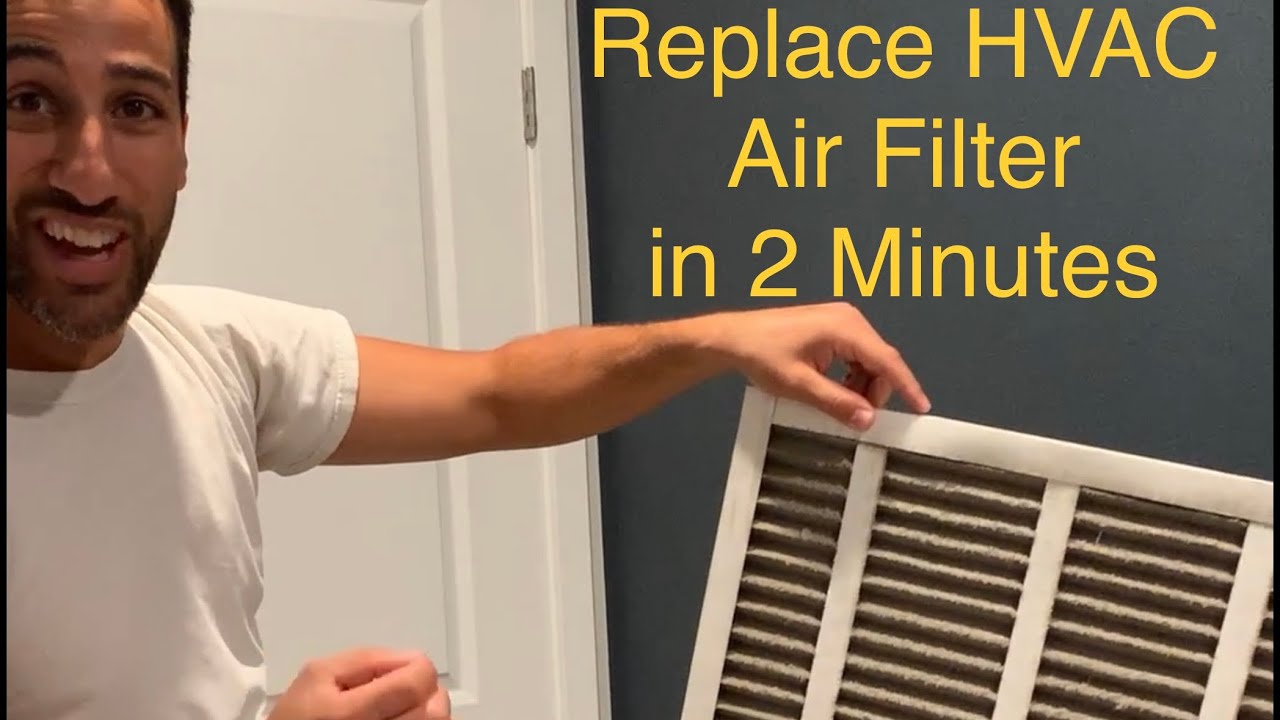
How To Replace Air Conditioner Filter
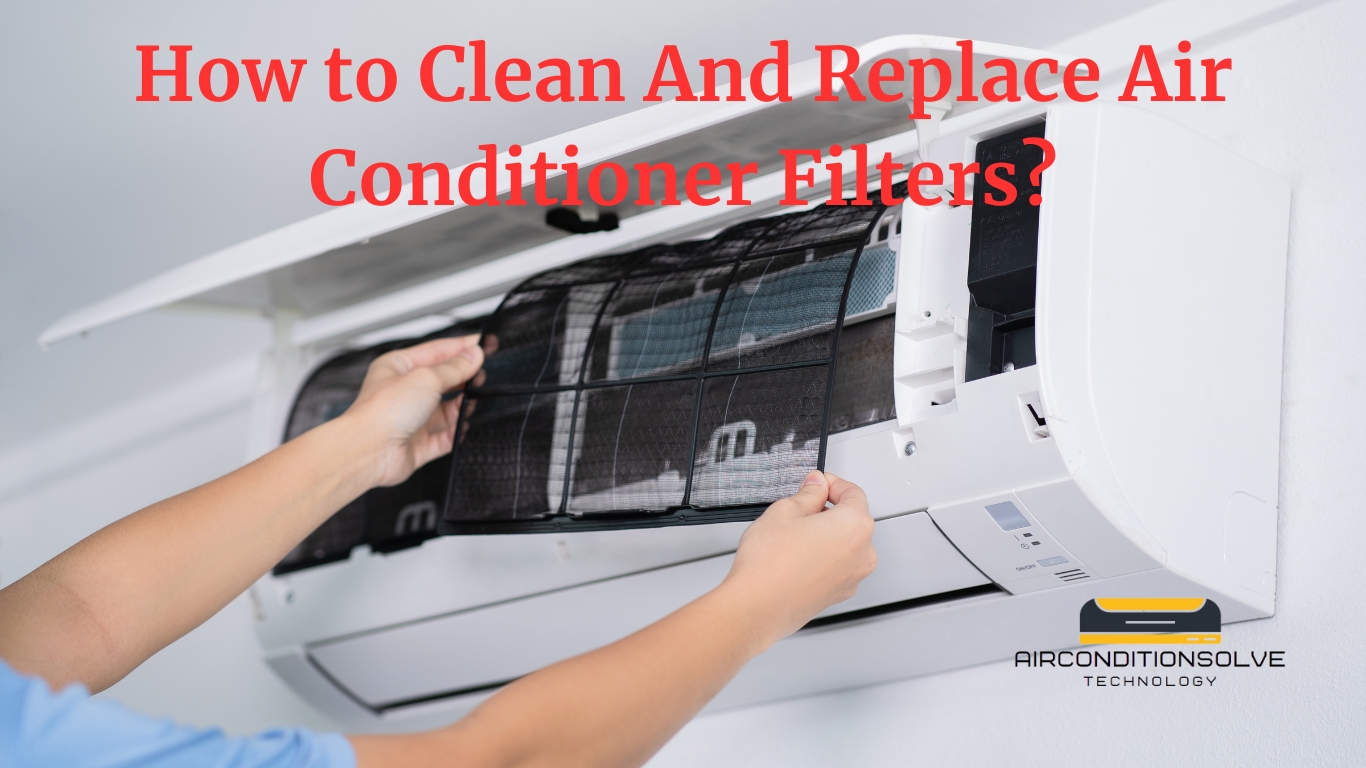
Maintaining your air conditioner is crucial for ensuring efficient cooling, reducing energy costs, and prolonging the lifespan of your unit. One of the simplest yet most effective maintenance tasks is regularly replacing your air conditioner filter. This guide will walk you through the process step-by-step, empowering you to handle this essential task with confidence.
Why Change Your Air Conditioner Filter?
Before diving into the how-to, let's understand why filter replacement is so important.
Improved Air Quality: Your air conditioner filter's primary function is to trap dust, pollen, pet dander, and other airborne particles. Over time, these particles accumulate, creating a breeding ground for mold and bacteria. A clean filter ensures that the air circulating through your home is free from these contaminants, promoting a healthier living environment, especially for individuals with allergies or respiratory issues.
Enhanced Energy Efficiency: A clogged filter restricts airflow, forcing your air conditioner to work harder to cool your home. This increased workload translates to higher energy consumption and, consequently, higher electricity bills. Think of it like trying to breathe through a straw – your AC unit has to strain to "breathe" through a dirty filter. By replacing the filter regularly, you allow for optimal airflow, reducing the strain on your system and improving its energy efficiency. This can save you a significant amount of money in the long run.
Extended AC Lifespan: When your air conditioner struggles to push air through a dirty filter, its components are subjected to increased stress. This can lead to overheating, premature wear and tear, and even system failure. Regularly replacing the filter helps to alleviate this stress, extending the lifespan of your air conditioner and preventing costly repairs or replacements.
Reduced Repair Costs: Dirty filters are a leading cause of air conditioner breakdowns. By preventing your system from overworking, a clean filter can minimize the risk of mechanical issues and subsequent repair costs. Investing a few dollars in a new filter every month or two can save you hundreds, or even thousands, of dollars in potential repair bills down the line.
Knowing When to Replace Your Filter
The frequency of filter replacement depends on several factors, including:
- The type of filter: Some filters are designed to last longer than others.
- The number of occupants in your home: More people generate more dust and allergens.
- The presence of pets: Pets shed dander, which can quickly clog filters.
- Air quality in your area: If you live in a dusty or polluted area, you may need to change your filter more frequently.
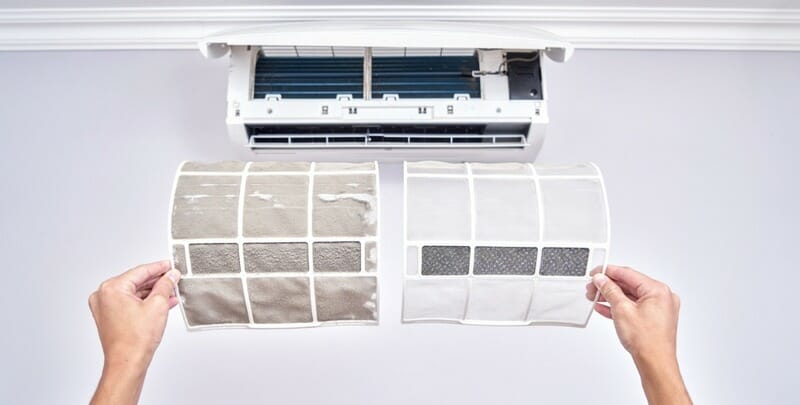
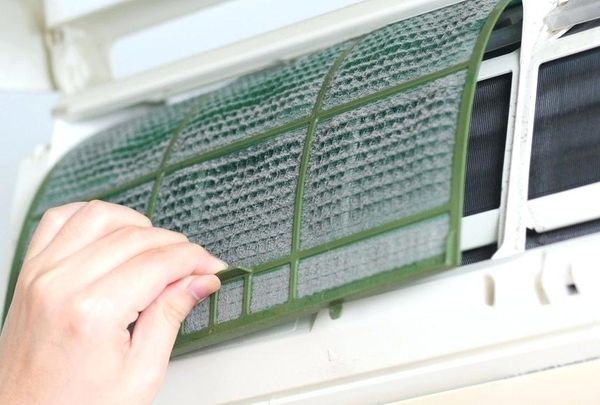
As a general guideline, it's recommended to replace your air conditioner filter every 1-3 months. However, it's always best to check your filter regularly – at least once a month – and replace it if it appears dirty or clogged. A good rule of thumb is to hold the filter up to a light source; if you can't see light clearly through the filter, it's time for a replacement.
Tools You'll Need
Replacing your air conditioner filter is a simple task that requires minimal tools:
- A new air conditioner filter: Make sure you purchase the correct size and type for your unit. (We'll cover this in detail below.)
- A screwdriver (possibly): Depending on your unit, you may need a screwdriver to access the filter compartment.
- Gloves (optional): If you prefer to avoid touching the dirty filter directly.
- A vacuum cleaner (optional): To clean the filter compartment.
Steps to Replace Your Air Conditioner Filter
Here's a detailed, step-by-step guide to replacing your air conditioner filter:
Step 1: Locate the Filter
The first step is to find the location of your air conditioner filter. This will vary depending on the type of AC system you have. Common locations include:
- Wall-mounted units: The filter is usually located behind a grill on the front of the unit.
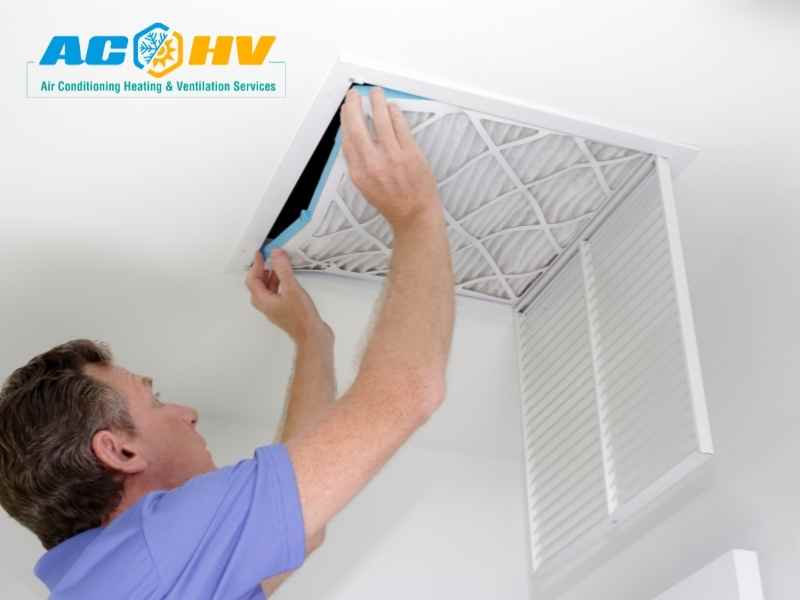
- Central air conditioning systems: The filter is typically located near the air handler, often in a slot on the side or bottom of the unit. It might also be located behind a return air grille on a wall or ceiling.
If you're unsure, consult your air conditioner's owner's manual for the specific location of the filter.
Step 2: Turn Off the System
Before you do anything, it is absolutely essential to turn off your air conditioning system. You can do this by switching the thermostat to the "off" position or by turning off the breaker that supplies power to the unit. This will prevent any accidental electrical shocks or damage to the system.
Step 3: Remove the Old Filter
Once you've located the filter compartment and turned off the system, you can remove the old filter. Depending on the type of unit, you may need to unscrew a grill or remove a panel to access the filter.
Carefully slide the old filter out of its slot. Note the direction of the airflow arrow on the filter frame. This indicates the direction in which the air flows through the filter, and you'll need to insert the new filter in the same direction.
Be prepared for dust and debris to fall out when you remove the filter. It's a good idea to have a trash bag nearby to dispose of the old filter immediately.
Step 4: Clean the Filter Compartment (Optional)
Before inserting the new filter, take the opportunity to clean the filter compartment. Use a vacuum cleaner to remove any dust or debris that may have accumulated inside. This will help to prevent these particles from being drawn into the new filter and reducing its effectiveness.
Step 5: Install the New Filter
Now, take your new air conditioner filter and carefully slide it into the filter compartment. Make sure that the airflow arrow on the filter frame is pointing in the same direction as the airflow in your system. This is crucial for ensuring that the filter works properly.
If you're unsure of the airflow direction, consult your owner's manual or look for markings on the air handler or return air grille.
Step 6: Replace the Grill or Panel
Once the new filter is securely in place, replace any grills or panels that you removed to access the filter compartment. Use a screwdriver if necessary to tighten any screws.
Step 7: Turn the System Back On
Finally, turn your air conditioning system back on by switching the thermostat to your desired setting or by flipping the breaker back on. You're all done!
Choosing the Right Filter
Selecting the right air conditioner filter is just as important as replacing it regularly. Filters come in a variety of sizes and types, each with its own pros and cons.
Filter Size: The most crucial factor is to choose the correct size filter for your unit. The size is usually printed on the frame of the old filter. It will be listed as length x width x depth, in inches. For example, 16x25x1. Buying the wrong size filter can lead to air leaks and reduced filtration efficiency.
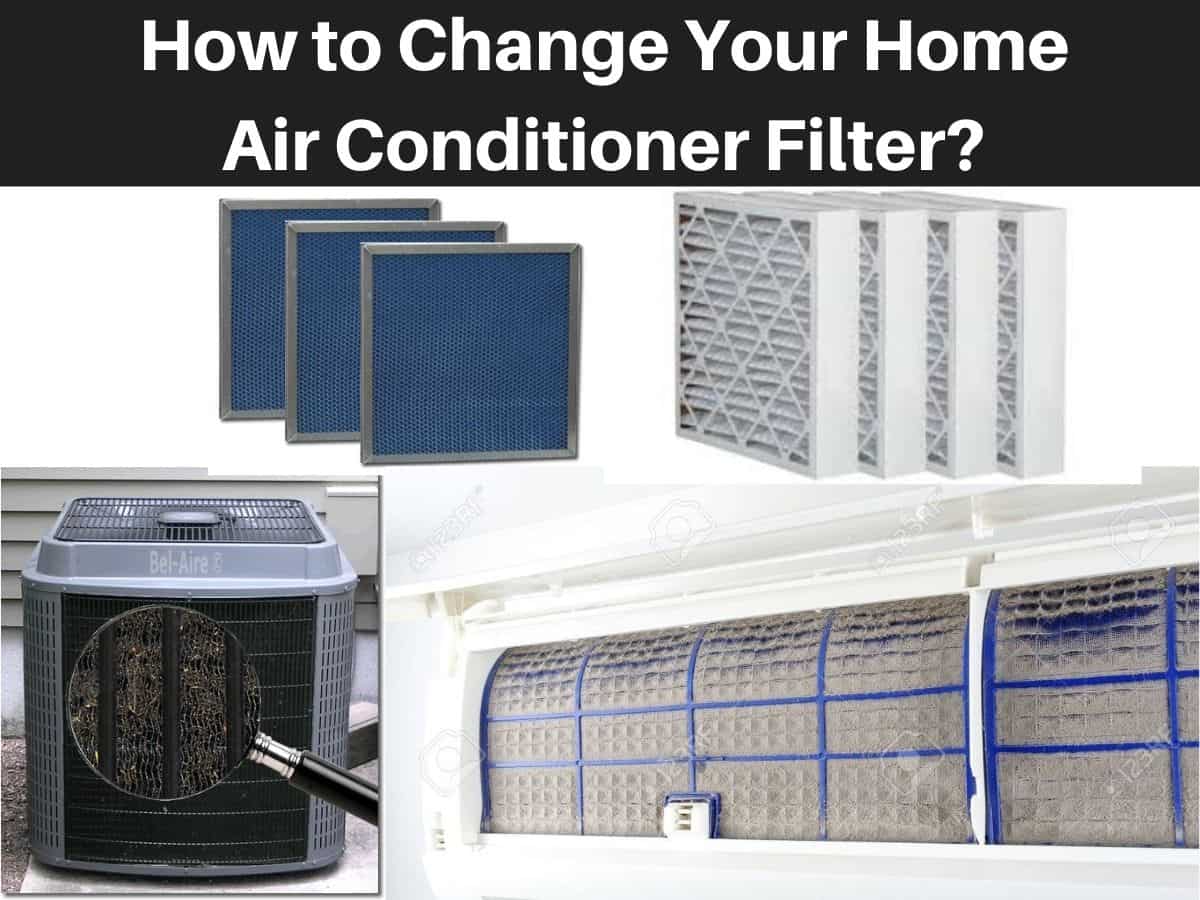
Filter Type: There are several types of air conditioner filters available, each offering different levels of filtration:
- Fiberglass Filters: These are the least expensive and most basic type of filter. They offer minimal filtration, primarily protecting the air conditioner from large particles. They are suitable for individuals without allergies or respiratory issues.
- Pleated Filters: These filters are made of folded paper or cloth and offer significantly better filtration than fiberglass filters. They are effective at trapping dust, pollen, and pet dander, making them a good choice for homes with occupants who have allergies.
- Electrostatic Filters: These filters use an electrostatic charge to attract and trap particles. They offer excellent filtration and are particularly effective at removing small particles like smoke and bacteria.
- HEPA Filters: HEPA (High-Efficiency Particulate Air) filters are the highest grade of air filters available. They are capable of removing 99.97% of particles as small as 0.3 microns, making them ideal for individuals with severe allergies or respiratory conditions. HEPA filters are typically more expensive than other types of filters.
MERV Rating: The Minimum Efficiency Reporting Value (MERV) rating indicates a filter's ability to capture particles of different sizes. The higher the MERV rating, the better the filtration. However, higher MERV ratings can also restrict airflow, so it's important to choose a filter with a MERV rating that is appropriate for your system and your needs.
For most homes, a pleated filter with a MERV rating of 8-12 is a good balance between filtration efficiency and airflow.
Troubleshooting Common Issues
While replacing your air conditioner filter is generally a straightforward process, you may encounter some common issues:
- Difficulty removing the old filter: If the old filter is stuck, try gently wiggling it back and forth while pulling it out. If it's still stuck, you may need to use a screwdriver to loosen it.
- Difficulty inserting the new filter: Make sure that you have the correct size filter and that you're inserting it in the correct direction. If it's still difficult to insert, try gently wiggling it back and forth while pushing it in.
- The filter is too big or too small: Double-check the size of the filter before purchasing it. If you accidentally bought the wrong size, return it and purchase the correct size.
- The filter compartment is dirty: Clean the filter compartment with a vacuum cleaner before inserting the new filter.
If you're still having trouble, consult your air conditioner's owner's manual or contact a qualified HVAC technician for assistance.
Conclusion
Replacing your air conditioner filter is a simple yet essential maintenance task that can improve air quality, enhance energy efficiency, extend the lifespan of your AC unit, and reduce repair costs. By following the steps outlined in this guide, you can confidently handle this task yourself and enjoy the benefits of a clean and efficiently functioning air conditioning system. Remember to check your filter regularly and replace it as needed to ensure optimal performance and a healthier home environment.



:strip_icc()/BHG-how-to-install-an-air-filter-539070147-5e0017aa89e74dc9bb3fa23be98e58c4.jpg)