How To Replace An Air Conditioner
Replacing an air conditioner (AC) is a significant home improvement project. It requires careful planning, some technical know-how, and often, the expertise of a qualified professional. This guide aims to provide you with a comprehensive understanding of the process, enabling you to make informed decisions and navigate the replacement effectively.
Assessing the Need for Replacement
Before diving into the replacement process, it's crucial to determine if a new AC is truly necessary. Sometimes, repairs can extend the life of your existing unit. Here's how to assess the situation:
Age of the Unit
The lifespan of an AC unit is typically 10-15 years. If your system is older than that, it's likely operating less efficiently and may be nearing the end of its life. Consider replacement if your unit is over 10 years old and experiencing frequent problems.
Frequent Repairs
If you find yourself constantly calling for repairs, the cumulative cost can quickly exceed the price of a new, more reliable unit. Furthermore, older units may require parts that are no longer readily available, leading to further complications. If repair costs are adding up, replacement becomes more financially sensible.
Increased Energy Bills
As AC units age, their efficiency decreases. This means they use more energy to provide the same level of cooling, resulting in higher electricity bills. Keep a close eye on your energy consumption during peak cooling months. If you notice a significant increase compared to previous years, it could indicate a failing AC.
Inconsistent Cooling
If some rooms are cooler than others, or if the unit struggles to maintain a consistent temperature, it could be a sign of a problem with the AC's components or ductwork. While ductwork issues can sometimes be resolved separately, inconsistent cooling alongside other factors often points to a failing AC unit.
Strange Noises or Odors
Unusual noises like banging, grinding, or rattling, or strange odors emanating from the vents, can indicate serious problems with the AC's internal components. These issues often require costly repairs and may be a sign that the unit is nearing its end.
Choosing the Right Replacement AC
Selecting the right replacement AC unit is crucial for ensuring optimal performance, efficiency, and comfort. Here are the key factors to consider:
Sizing
The size of an AC unit is measured in British Thermal Units (BTUs). An undersized unit will struggle to cool your home effectively, while an oversized unit will cycle on and off too frequently, leading to poor humidity control and higher energy bills. Sizing is the most critical factor in AC selection. A professional HVAC technician can perform a load calculation to determine the appropriate BTU rating for your home, taking into account factors like square footage, insulation, window size and orientation, and climate.
SEER Rating
SEER stands for Seasonal Energy Efficiency Ratio. It measures the cooling efficiency of an AC unit. The higher the SEER rating, the more efficient the unit. The minimum SEER rating currently mandated by the U.S. Department of Energy is 14 SEER. Investing in a unit with a higher SEER rating will result in significant energy savings over the long term. However, higher SEER units also tend to have a higher upfront cost. You need to find a balance between upfront cost and long-term energy savings that works for your budget.
Type of AC System
There are several types of AC systems available, including:
- Central Air Conditioners: These are the most common type, using a network of ducts to distribute cool air throughout the home.
- Ductless Mini-Split Systems: These systems consist of an outdoor unit and one or more indoor units that are mounted on walls or ceilings. They are ideal for homes without ductwork or for providing targeted cooling to specific areas.
- Window Units: These are smaller, self-contained units that are installed in windows. They are typically used for cooling single rooms.
- Portable Air Conditioners: These are mobile units that can be moved from room to room. They require venting to the outside through a window.
The best type of AC system for your home will depend on your specific needs and circumstances. For most homes with existing ductwork, a central air conditioner replacement is usually the most straightforward option. However, if you're looking for zone-specific cooling or don't have existing ductwork, a ductless mini-split system may be a better choice.
Refrigerant Type
Older AC units often use R-22 refrigerant, which is being phased out due to its environmental impact. Newer units use R-410A refrigerant, which is more environmentally friendly. If your existing unit uses R-22, you'll likely need to replace the entire system, as R-22 is becoming increasingly expensive and difficult to obtain.
Features
Modern AC units offer a variety of features, such as:
- Smart Thermostats: These thermostats allow you to control your AC remotely via your smartphone or tablet, and they can also learn your preferences and adjust the temperature automatically.
- Variable-Speed Blowers: These blowers adjust their speed based on the cooling demand, resulting in more consistent temperatures and reduced energy consumption.
- Air Purifiers: Some AC units include built-in air purifiers that can remove dust, pollen, and other allergens from the air.
Consider which features are most important to you when selecting a new AC unit.
The Replacement Process
The AC replacement process typically involves the following steps:
1. Obtaining Permits
In most jurisdictions, you'll need to obtain a permit before replacing your AC unit. Check with your local building department to determine the specific requirements in your area. Failure to obtain a permit can result in fines and delays.
2. Removing the Old Unit
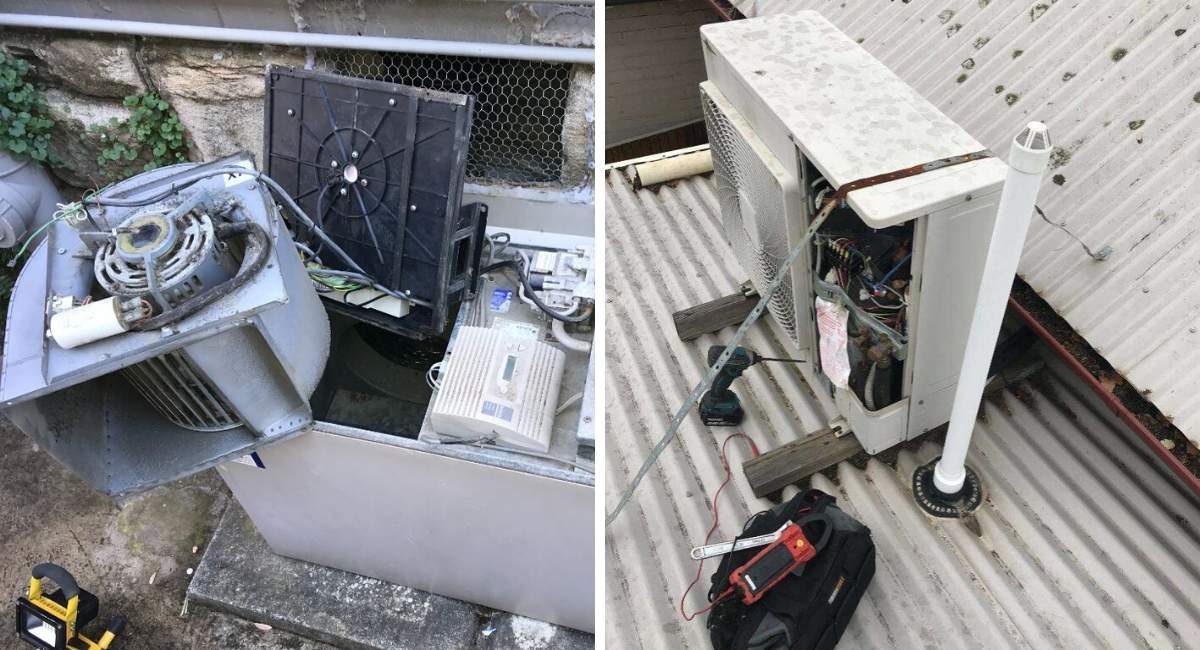
This step involves disconnecting the old AC unit from the electrical system, refrigerant lines, and ductwork. This should be done by a qualified HVAC technician to ensure safety and prevent environmental damage from refrigerant leaks. The technician will properly recover and dispose of the old refrigerant.
3. Preparing the Installation Site
The installation site needs to be properly prepared to accommodate the new AC unit. This may involve leveling the ground, installing a new concrete pad, or modifying the ductwork. Proper site preparation is crucial for ensuring the new unit operates efficiently and safely.
4. Installing the New Unit
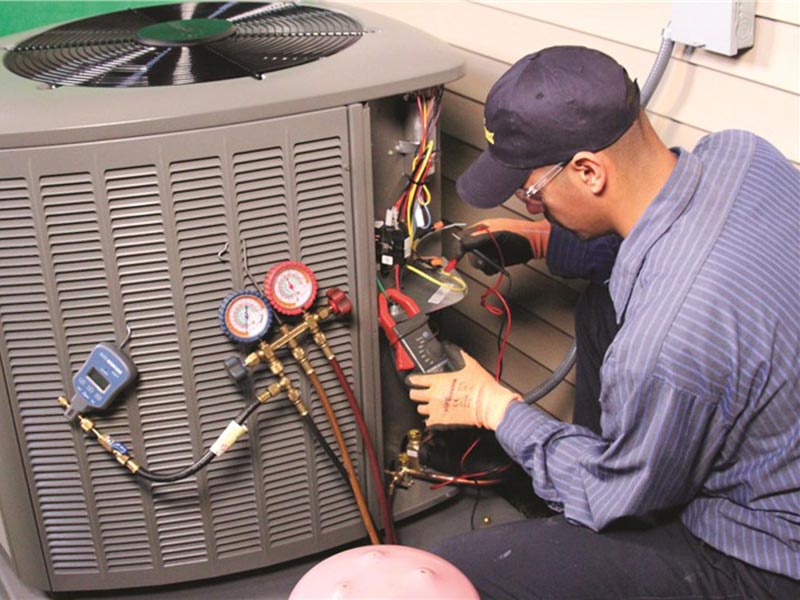
The new AC unit is then installed and connected to the electrical system, refrigerant lines, and ductwork. This requires specialized tools and knowledge, and should only be performed by a qualified HVAC technician.
5. Connecting Refrigerant Lines
Connecting the refrigerant lines requires precise brazing techniques to ensure a leak-free seal. Any leaks can lead to significant energy loss and environmental damage. The technician will also charge the system with the correct amount of refrigerant.
6. Connecting Ductwork
The ductwork is connected to the new AC unit to distribute cool air throughout the home. Properly sealing the ductwork is essential for preventing air leaks and maximizing efficiency. The technician may also inspect the ductwork for any damage or leaks and recommend repairs or replacements as needed.
7. Electrical Connections
The new AC unit is connected to the electrical system, ensuring proper voltage and grounding. This is a critical safety step and should only be performed by a qualified electrician or HVAC technician.
8. Testing and Calibration
Once the installation is complete, the AC unit is tested to ensure it's operating properly and efficiently. The technician will also calibrate the system to ensure it's providing the correct amount of cooling. This includes checking airflow, refrigerant pressure, and temperature settings.
9. Final Inspection
A final inspection is performed to ensure that the installation meets all applicable codes and regulations. This may involve a visit from a local building inspector.
DIY vs. Professional Installation
While some homeowners may be tempted to replace their AC unit themselves, it's generally recommended to hire a qualified HVAC technician. AC replacement involves working with electricity, refrigerant, and ductwork, all of which can be dangerous if not handled properly. Furthermore, improper installation can void the manufacturer's warranty and lead to performance issues.
Here's why professional installation is usually the best option:
- Expertise and Experience: HVAC technicians have the knowledge and experience to properly size, install, and calibrate your AC unit.
- Safety: Working with electricity and refrigerant can be dangerous. Professionals are trained to handle these materials safely.
- Warranty: Many AC manufacturers require professional installation for the warranty to be valid.
- Code Compliance: Professionals are familiar with local building codes and regulations and will ensure that the installation meets all requirements.
- Proper Disposal: Professionals will properly dispose of the old refrigerant and AC unit in accordance with environmental regulations.
Cost Considerations
The cost of replacing an AC unit can vary depending on several factors, including:
- Size of the Unit: Larger units typically cost more than smaller units.
- SEER Rating: Units with higher SEER ratings typically cost more than units with lower SEER ratings.
- Type of System: Central air conditioners typically cost more than window units or portable air conditioners.
- Installation Costs: Installation costs can vary depending on the complexity of the job and the labor rates in your area.
- Permit Fees: Permit fees can vary depending on your local building department.
It's important to get quotes from multiple HVAC contractors before making a decision. Be sure to compare the quotes carefully, paying attention to the equipment being offered, the installation costs, and the warranty. Also, inquire about any available rebates or incentives from your local utility company or government. These incentives can help offset the cost of a new, energy-efficient AC unit.
Maintenance Tips for Your New AC
Once your new AC unit is installed, it's important to maintain it properly to ensure optimal performance and longevity. Here are some maintenance tips:
- Change the Air Filter Regularly: A dirty air filter can restrict airflow and reduce the efficiency of your AC unit. Change the filter every 1-3 months, or more often if you have pets or allergies.
- Clean the Outdoor Unit: Keep the outdoor unit free of debris, such as leaves, grass clippings, and branches. This will help ensure proper airflow and prevent overheating.
- Schedule Regular Maintenance: Have your AC unit inspected and serviced by a qualified HVAC technician at least once a year. This will help identify and address any potential problems before they become major issues.
- Keep Vents Clear: Ensure that furniture and other obstructions are not blocking the vents inside your home. This will allow cool air to circulate freely.
- Consider a Programmable Thermostat: A programmable thermostat can help you save energy by automatically adjusting the temperature when you're away from home or asleep.
By following these tips, you can keep your new AC unit running efficiently and reliably for years to come.
Conclusion
Replacing an air conditioner is a complex process, but with careful planning and the help of a qualified professional, you can ensure a successful installation and enjoy years of comfortable, efficient cooling. Remember to prioritize proper sizing, energy efficiency, and professional installation for optimal results.