How To Replace An Air Filter
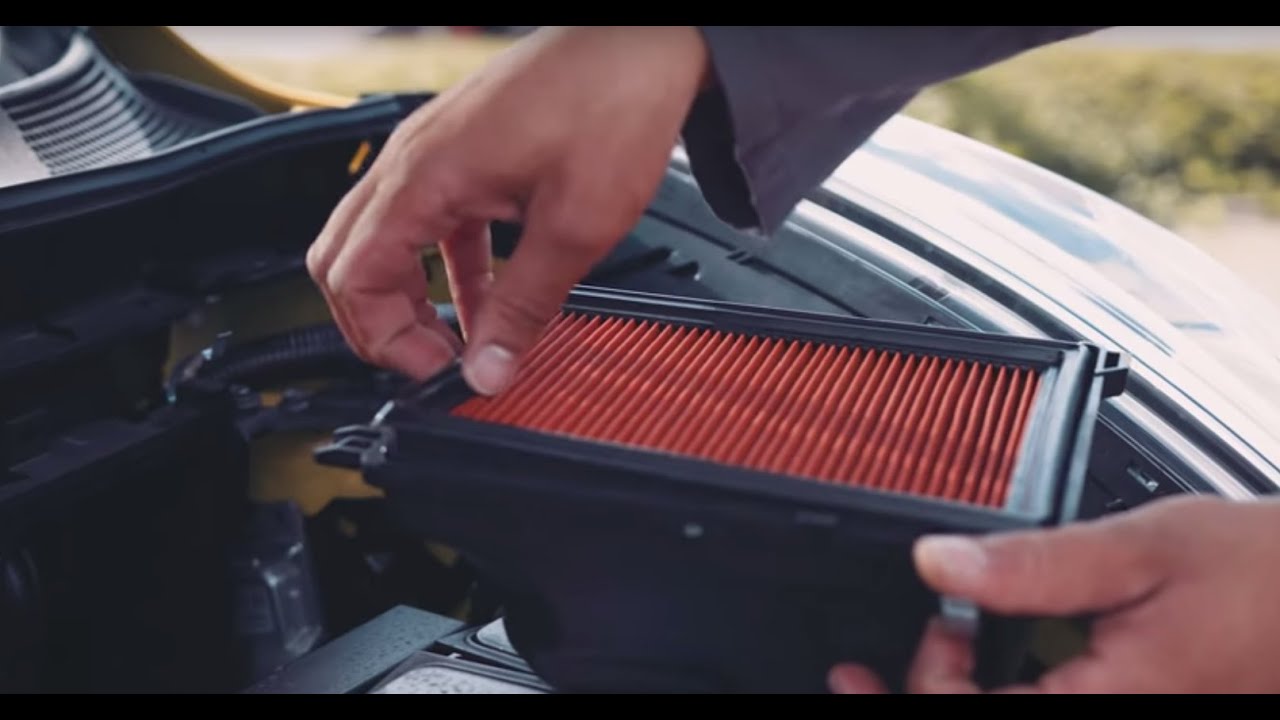
Imagine waking up on a scorching summer day only to find your air conditioner blowing warm air. A malfunctioning AC unit can quickly turn your home into an uncomfortable space. While many issues require professional attention, one of the most common culprits behind poor AC performance is a dirty air filter. Replacing it is a simple DIY task that can often restore your AC's efficiency and save you money on energy bills.
Troubleshooting a Warm Air Conditioner: Start with the Air Filter
Before calling a technician, let's explore some basic troubleshooting steps, focusing on the air filter as the primary suspect.
Step 1: Safety First!
Always prioritize your safety. Before working on any appliance, follow these precautions:
- Turn off the power: Locate the circuit breaker for your air conditioner and switch it off. This prevents electrical shock.
- Wear appropriate attire: Avoid loose clothing that could get caught in moving parts.
- Read the manual: Consult your AC unit's manual for specific safety guidelines and instructions.
Step 2: Identify the Air Filter Location
The air filter's location varies depending on the type of air conditioner you have:
- Central AC: Typically located in the return air duct, where air is drawn into the system. This is often a large grille on a wall or ceiling. The filter might also be near the air handler itself, usually in the furnace or blower unit.
- Window AC: Usually behind a removable front panel on the unit.
- Portable AC: Often located on the back or side of the unit, behind a removable grille or panel.
Consult your AC unit's manual if you're unsure about the filter's location.
Step 3: Inspect the Air Filter
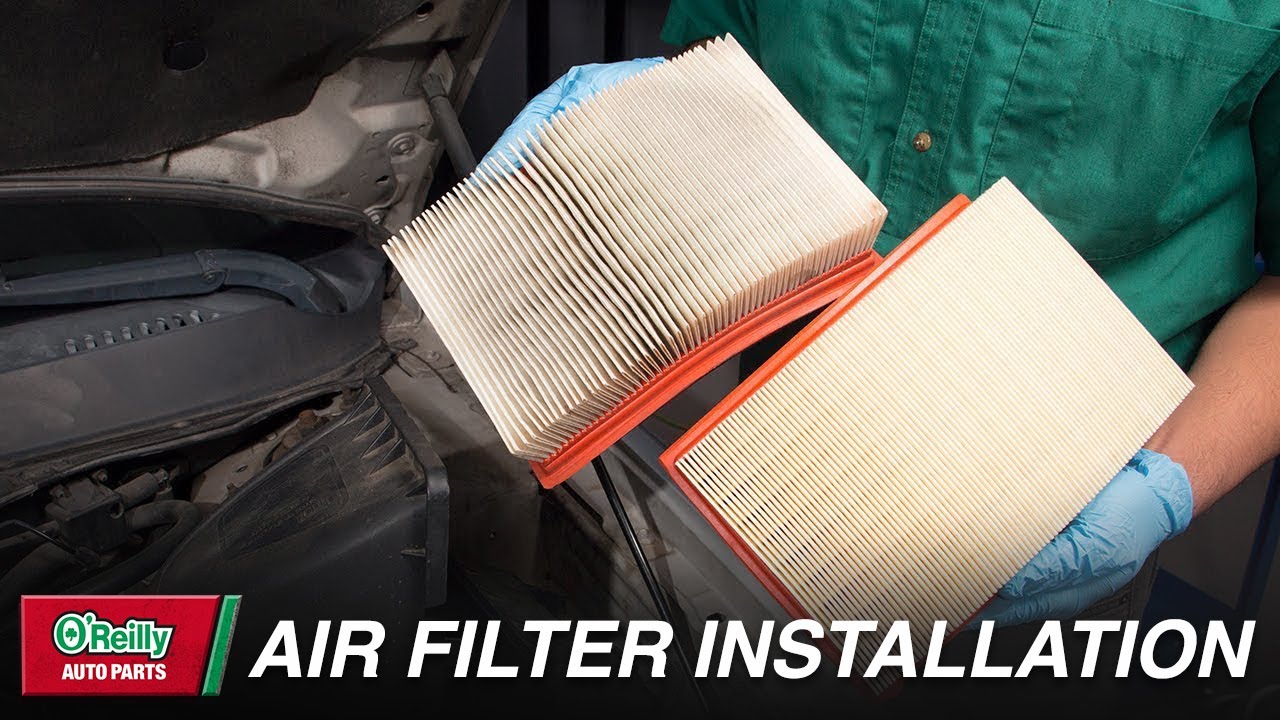
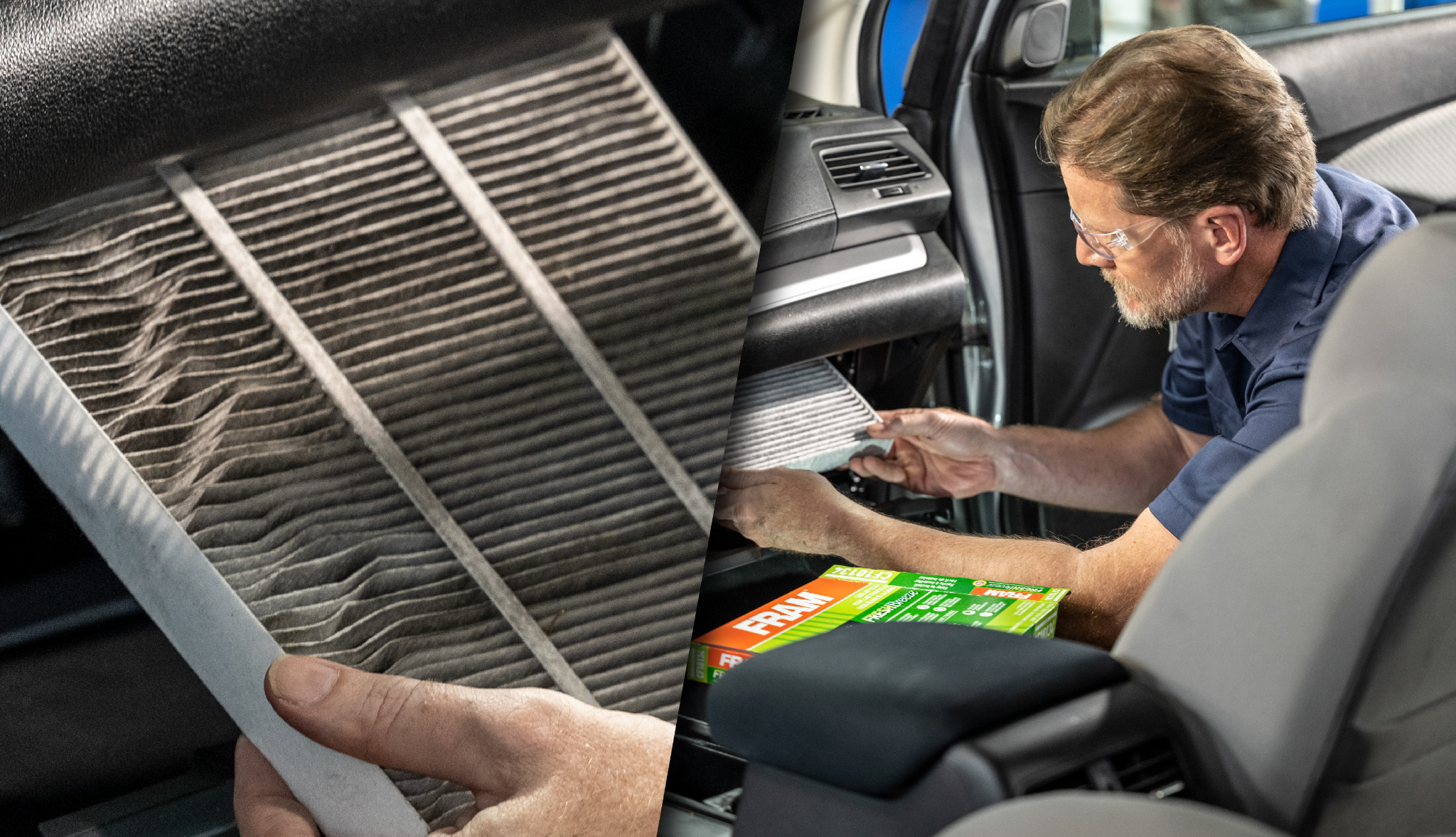
Once you've found the filter, carefully remove it. Examine it closely. A clean air filter should be relatively light in color and allow light to pass through. A dirty air filter will be dark, clogged with dust, dirt, and debris, and may even have a musty odor.
Why is a dirty air filter a problem? A clogged filter restricts airflow, forcing your AC unit to work harder to cool your home. This can lead to:
- Reduced cooling efficiency
- Increased energy bills
- Overheating and potential damage to the AC unit's components (compressor, fan motor)
- Poor indoor air quality
If the filter is noticeably dirty, replacing it is the next logical step.
Step 4: Choosing the Right Replacement Air Filter
Selecting the correct replacement filter is crucial for optimal performance and to avoid damaging your AC unit. Consider the following factors:
- Size: The filter must be the correct size for your AC unit. The size is usually printed on the filter frame (e.g., 16x25x1 inches). Measure the old filter if the size isn't visible.
- MERV Rating: The Minimum Efficiency Reporting Value (MERV) rating indicates the filter's ability to capture particles. Higher MERV ratings filter out smaller particles, improving air quality, but they can also restrict airflow more.
- MERV 1-4: Basic filters, good for trapping large particles like dust and pollen.
- MERV 5-8: Better at capturing smaller particles like mold spores.
- MERV 9-12: Excellent for trapping allergens, pet dander, and smoke.
- MERV 13-16: Hospital-grade filters, capturing very small particles like bacteria and viruses (may excessively restrict airflow in some residential systems).
A MERV rating of 8-11 is typically recommended for residential use. Consult your AC unit's manual or a HVAC professional for specific recommendations regarding the maximum MERV rating your system can handle without significantly reducing airflow.
- Filter Type: Common types include fiberglass, pleated, and electrostatic filters. Pleated filters generally offer a better balance of filtration efficiency and airflow.
Purchase the correct replacement filter from a hardware store, home improvement center, or online retailer. Never operate your AC unit without a filter in place.
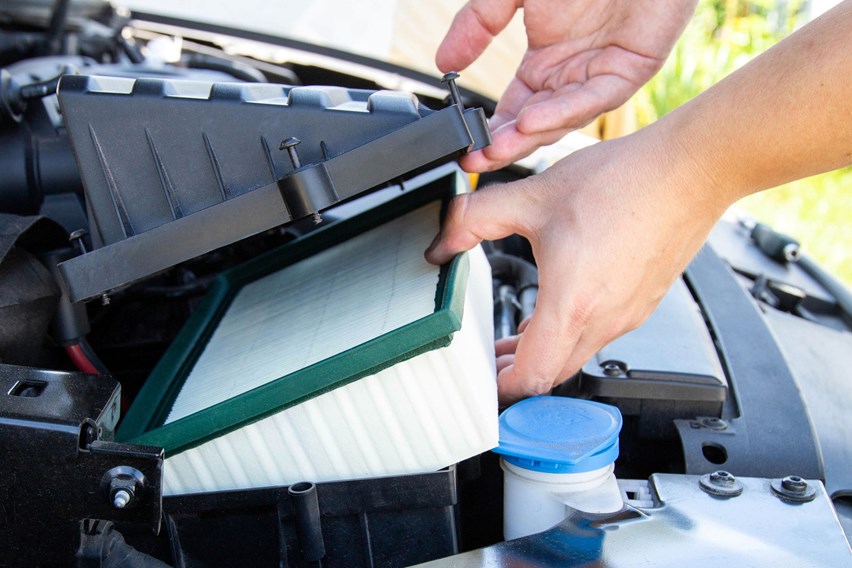
Step 5: Installing the New Air Filter
Installing the new filter is straightforward. Here's how:
- Directional Arrows: Most air filters have arrows printed on the frame indicating the direction of airflow. The arrow should point towards the blower motor (away from the return air duct and towards the AC unit itself).
- Orientation: Ensure the filter is properly oriented within the filter housing. It should fit snugly without being forced.
- Securing the Filter: Close the access panel or grille securely. Make sure it's properly latched or screwed in place.
Step 6: Restarting the AC Unit
Once the new filter is installed, switch the circuit breaker back on. Turn on your AC unit and monitor its performance. You should notice improved airflow and cooler air coming from the vents. Allow the unit to run for at least 30 minutes to assess its cooling capacity.
Step 7: Monitoring and Maintenance
Regularly inspect your air filter (at least monthly, especially during peak cooling season). Replace it when it appears dirty, typically every 1-3 months. Setting a reminder on your phone or calendar can help you stay on track.
Beyond the Air Filter: Other Potential Issues
If replacing the air filter doesn't resolve the problem, other issues may be at play. Here are some additional troubleshooting steps you can take, keeping in mind your safety and limitations:
- Check the Thermostat: Ensure the thermostat is set to "Cool" and the temperature is set appropriately. Verify the batteries are fresh.
- Inspect the Outdoor Unit (Condenser):
- Clear Debris: Remove any leaves, grass clippings, or other debris that may be obstructing the condenser coils. Use a garden hose to gently rinse the coils from the inside out. Do not use a pressure washer, as it can damage the fins.
- Ensure Proper Airflow: Make sure there's adequate clearance around the outdoor unit (at least 2-3 feet) for proper airflow. Avoid planting shrubs too close to the unit.
- Check the Circuit Breaker: Even if you turned off the breaker earlier, double-check that it hasn't tripped. A tripped breaker indicates an electrical overload. Reset the breaker. If it trips again immediately, there's likely a more serious electrical problem.
When to Call a Professional
While replacing the air filter and performing basic troubleshooting are within the capabilities of most homeowners, certain AC issues require the expertise of a qualified HVAC technician. Call a professional immediately if you encounter any of the following:
- Refrigerant Leaks: Refrigerant is a hazardous substance, and handling it requires specialized equipment and training. If you suspect a refrigerant leak (e.g., hissing sound, ice buildup on the coils, poor cooling performance), do not attempt to repair it yourself.
- Electrical Problems: Working with electrical components can be extremely dangerous. If you suspect an electrical issue (e.g., burning smell, sparking, tripped breaker), do not attempt to diagnose or repair it yourself.
- Compressor Issues: The compressor is the heart of the AC unit. If it's making unusual noises or not running at all, it likely needs professional repair or replacement.
- Frozen Evaporator Coils: While a dirty air filter can cause frozen coils, other factors like low refrigerant levels or a malfunctioning blower motor can also be the cause. If you find ice buildup on the evaporator coils, it's best to call a professional to diagnose and repair the underlying problem.
- Strange Noises: Loud banging, grinding, or whistling noises coming from the AC unit can indicate serious mechanical problems that require professional attention.
- If Simple Fixes Don't Work: If you've tried replacing the air filter, cleaning the outdoor unit, and checking the thermostat, and the AC unit is still not cooling properly, it's time to call a professional. They have the tools, training, and experience to diagnose and repair more complex AC problems.
Remember: When in doubt, always err on the side of caution and call a qualified HVAC technician. Attempting to repair complex AC problems yourself can be dangerous and may void your warranty.
Empowering You to Maintain Your AC
Replacing your air filter is a simple yet crucial maintenance task that can significantly improve your AC unit's performance and lifespan. By following these steps, you can save money on energy bills, improve your indoor air quality, and potentially avoid costly repairs. Regular maintenance, including air filter replacement, is key to keeping your AC unit running efficiently for years to come. But remember, when dealing with electricity, gas, or complex mechanical components, always prioritize safety and consult a qualified professional.