How To Replace Blower Motor Furnace

Replacing a furnace blower motor can significantly impact your home's energy efficiency and heating costs. A worn-out or inefficient motor forces your furnace to work harder, consuming more energy and potentially leading to costly breakdowns. This comprehensive guide will walk you through the process, highlighting energy-saving benefits and smart technology integrations along the way.
Is It Time for a Blower Motor Replacement?
Before diving into the replacement process, confirm that the blower motor is indeed the culprit. Common signs of a failing blower motor include:
- Unusual noises (squealing, grinding, humming)
- Inconsistent airflow
- The furnace cycles on and off frequently
- The motor fails to start
- Burning smell near the furnace
However, these symptoms can also indicate other issues, such as a faulty capacitor, a dirty air filter restricting airflow (which strains the motor), or problems with the furnace control board. A professional HVAC technician can accurately diagnose the problem and recommend the best course of action. Remember that a properly maintained system saves energy and extends equipment life.
Gathering Your Tools and Materials
Safety is paramount. Before starting any work on your furnace, turn off the power at the circuit breaker. Double-check with a non-contact voltage tester to ensure the power is off. You'll need:
- New blower motor (ensure it matches the existing motor's specifications)
- Screwdrivers (various sizes, including Phillips and flathead)
- Wrench set or adjustable wrench
- Wire strippers/crimpers
- Wire connectors
- Voltage tester
- Gloves
- Safety glasses
- Vacuum cleaner (for cleaning the blower compartment)
- Camera or smartphone (to document wiring connections)
Step-by-Step Blower Motor Replacement
- Safety First: Turn off the power to the furnace at the circuit breaker. Verify the power is off with a non-contact voltage tester.
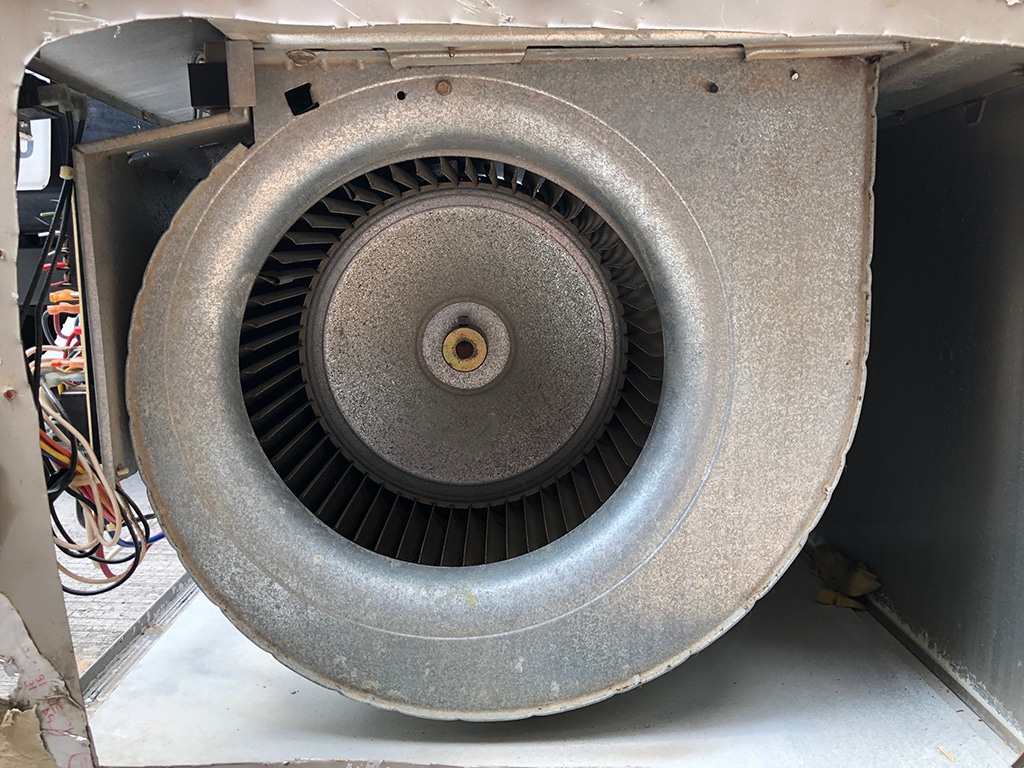
- Access the Blower Motor: Remove the access panel to the blower compartment. This panel is usually secured with screws or latches.
- Document Wiring: Before disconnecting any wires, take detailed photos of the wiring connections. This is crucial for reassembling everything correctly. Label the wires if necessary.
- Disconnect Wiring: Carefully disconnect the wires from the blower motor. Use wire strippers to expose fresh wire if needed, and use new wire connectors to ensure secure connections during reassembly.
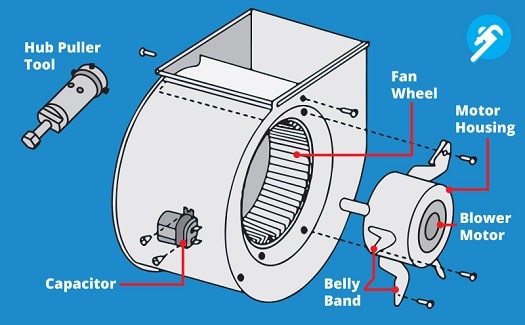
- Remove the Blower Assembly: The blower motor is typically attached to the blower housing with screws or bolts. Remove these fasteners and carefully slide the blower assembly out of the furnace.
- Detach the Old Motor: Disconnect the old motor from the blower wheel. This might involve loosening a set screw or removing a retaining clip. Be careful not to damage the blower wheel.
- Install the New Motor: Attach the new blower motor to the blower wheel, ensuring it's securely fastened.
- Reassemble the Blower Assembly: Slide the blower assembly back into the furnace and secure it with the screws or bolts you removed earlier.
- Reconnect Wiring: Using your photos as a guide, reconnect the wires to the new blower motor. Ensure all connections are tight and secure.
- Replace Access Panel: Reattach the access panel to the blower compartment.
- Restore Power: Turn the power back on at the circuit breaker.
- Test the Furnace: Turn on the furnace and observe the blower motor. Ensure it starts smoothly and runs quietly. Monitor the furnace for a full heating cycle to ensure proper operation.
Understanding Motor Types and Energy Efficiency
There are primarily two types of blower motors: PSC (Permanent Split Capacitor) and ECM (Electronically Commutated Motor). ECM motors are significantly more energy-efficient than PSC motors. They use less energy at lower speeds and offer variable speed operation, allowing for more precise temperature control and improved air circulation.
According to the U.S. Department of Energy, upgrading to an ECM motor can reduce blower motor energy consumption by 50-80% compared to a PSC motor. While ECM motors have a higher upfront cost, the long-term energy savings can result in a significant return on investment. Many utility companies offer rebates for installing ECM motors, further reducing the cost.
Calculating ROI and Energy Savings
To estimate your potential savings, consider the following:
- PSC Motor: Typically runs at a constant speed, consuming a fixed amount of energy regardless of heating demand.
- ECM Motor: Operates at variable speeds, adjusting airflow based on heating needs. This reduces energy consumption during periods of low demand.
Consult your furnace's specifications and local energy rates to calculate the estimated annual energy consumption of both motor types. The difference represents your potential savings. Factor in the cost of the ECM motor and any rebates to determine the payback period.
Smart Home Integration and Smart Thermostats
Integrating a smart thermostat with an ECM-equipped furnace can further enhance energy efficiency and comfort. Smart thermostats learn your heating and cooling patterns and automatically adjust the temperature based on your preferences and occupancy. Many models also offer remote control via smartphone apps and integration with other smart home devices.
Some smart thermostats can even provide detailed reports on your furnace's energy consumption, allowing you to identify areas for improvement. For example, you might discover that adjusting your sleep temperature by a few degrees can significantly reduce your energy bills. Consider models that are Energy Star certified for proven energy savings.
The Benefits of Professional Installation
While DIY blower motor replacement can save you money on labor costs, it's essential to consider the potential risks. Improper installation can damage the furnace, void the warranty, or even create a safety hazard. A qualified HVAC technician has the expertise and tools to ensure the job is done correctly and safely.
Furthermore, a professional can properly diagnose the underlying cause of the blower motor failure. Replacing the motor without addressing the root cause may lead to premature failure of the new motor. A technician can also inspect other components of the furnace, such as the heat exchanger and gas valve, to ensure they are functioning correctly.
Maintenance Tips for Blower Motor Longevity
To extend the life of your blower motor and maximize its efficiency, follow these maintenance tips:
- Regularly replace your air filter: A dirty air filter restricts airflow, forcing the blower motor to work harder and consume more energy. Change your filter every 1-3 months, depending on usage and air quality.
- Keep the blower compartment clean: Dust and debris can accumulate in the blower compartment, hindering motor performance. Vacuum the compartment periodically to keep it clean.
- Lubricate the motor (if applicable): Some older blower motors require periodic lubrication. Consult your furnace's manual for specific instructions. Modern ECM motors are generally sealed and require no lubrication.
- Schedule annual furnace maintenance: A professional HVAC technician can inspect your furnace and identify any potential problems before they become major issues. This includes checking the blower motor's performance and making any necessary adjustments.
Energy Efficiency and Rebates
Investing in an energy-efficient blower motor and smart thermostat can qualify you for rebates and tax credits from your local utility company and government agencies. Check the Energy Star website and your utility company's website for available programs. These incentives can significantly reduce the upfront cost of upgrading your HVAC system and make it more affordable to save energy.
Energy Star provides a list of certified products that meet strict energy efficiency guidelines. Look for the Energy Star label when shopping for a new blower motor or smart thermostat. Taking advantage of rebates and tax credits can dramatically improve the ROI of your energy-efficient HVAC upgrades.
Conclusion
Replacing a furnace blower motor can be a cost-effective way to improve your home's energy efficiency and comfort. By understanding the different motor types, considering smart home integration, and following proper maintenance practices, you can maximize your savings and ensure the long-term performance of your HVAC system. Whether you choose to tackle the project yourself or hire a professional, prioritizing energy efficiency is a smart investment in your home and the environment.