
How To Replace Pressure Cooker Valve
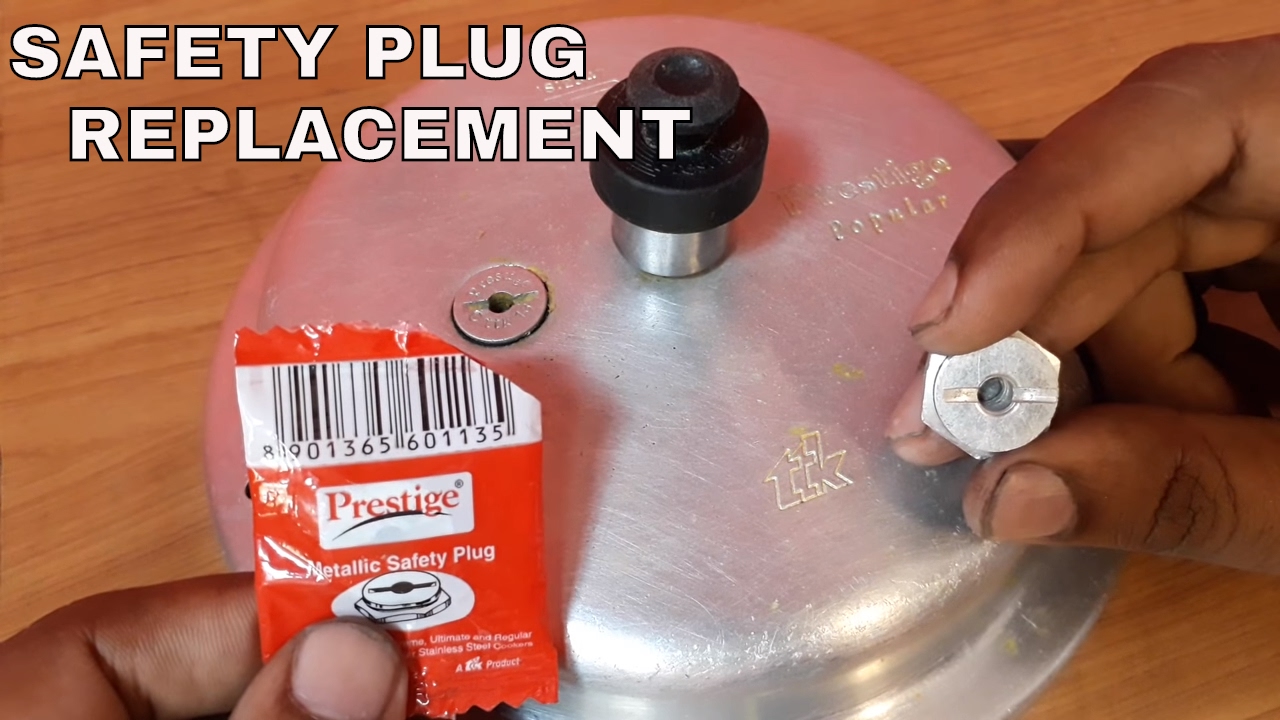
Frequently Asked Questions: Replacing Your Pressure Cooker Valve
Pressure cookers are fantastic kitchen appliances, but like any tool, parts can wear down. The valve is a critical component for safe and effective cooking. This FAQ addresses common questions about replacing your pressure cooker valve.
1. Why is the pressure cooker valve so important?
The pressure cooker valve (also known as the safety valve, pressure regulator, or vent) performs several vital functions:
- Releases excess pressure: This is its primary function. Without a working valve, pressure could build to dangerous levels, potentially causing an explosion.
- Regulates cooking pressure: Many valves are weighted or have settings that allow you to control the internal pressure. Different pressures are needed for different foods.
- Indicates pressure: Some valves visually indicate when the cooker has reached the correct pressure.
- Seals the cooker: A properly seated valve helps maintain a tight seal, preventing steam leaks and ensuring efficient cooking.
A faulty valve can compromise these functions, making it essential to replace it promptly.
2. How do I know if my pressure cooker valve needs replacing?
Several signs indicate that your pressure cooker valve may need replacement:
- Visible damage: Look for cracks, breaks, or deformation in the valve. Any visible damage warrants immediate replacement.
- Constant hissing or leaking: While some hissing is normal, excessive or constant hissing from the valve, especially during cooking, suggests a problem. This often indicates a worn or damaged seal.
- Failure to reach pressure: If the cooker takes an unusually long time to reach pressure, or never reaches it at all, a faulty valve could be to blame. The valve might not be sealing correctly.
- Erratic pressure regulation: If the pressure fluctuates wildly, or the valve releases steam too frequently or infrequently, it's a sign of malfunction.
- Valve doesn't sit properly: Check if the valve sits securely in its designated spot. If it's loose or wobbly, it needs replacing.
- Corrosion or build-up: Even if there isn't visible damage, buildup of food particles or corrosion can impede the valve's function. Thorough cleaning may resolve the issue, but replacement might be necessary.
If you observe any of these signs, stop using the pressure cooker immediately and inspect the valve.
3. How do I find the right replacement valve for my pressure cooker?
Finding the correct replacement valve is crucial for safety and proper operation. Here’s how:
- Identify your pressure cooker's brand and model number: This information is usually found on a sticker or plate on the bottom of the cooker or inside the lid.
- Consult the manufacturer's website or owner's manual: The manual should list the specific type of valve required for your model. The manufacturer's website often has replacement parts available.
- Search online using the brand and model number: Include keywords like "pressure cooker valve replacement." This can help you find compatible valves from online retailers.
- Check the valve's dimensions and specifications: If possible, measure the diameter and height of the old valve. Compare these measurements with the specifications of the replacement valve to ensure a proper fit.
- Look for compatibility listings: Reputable sellers will often provide a list of compatible pressure cooker models for each valve.
- Read customer reviews: See if other users with your pressure cooker model have successfully used the valve.
- When in doubt, contact the manufacturer or a qualified appliance repair technician: They can help you identify the correct replacement valve.
Never use a generic or universal valve unless it is explicitly stated to be compatible with your specific pressure cooker model. An improperly fitted valve can be dangerous.
4. What tools and materials will I need to replace the pressure cooker valve?
Replacing a pressure cooker valve is typically a straightforward process, but having the right tools on hand will make it easier:
- The correct replacement valve: This is the most important item. Ensure it's the right one for your pressure cooker model.
- Screwdriver (possibly): Some valves are held in place by screws. A screwdriver of the appropriate size (usually Phillips or flathead) will be needed.
- Pliers (possibly): Pliers can be helpful for gripping and removing stubborn valves or retaining clips. Needle-nose pliers are particularly useful for maneuvering in tight spaces.
- Soft cloth or towel: This will protect the cooker's surface from scratches while you're working.
- Cleaning supplies: Use a mild detergent and warm water to clean the area around the valve opening before installing the new valve. This will ensure a good seal.
- Silicone grease (optional): Applying a small amount of food-grade silicone grease to the valve's sealing surfaces can help create a better seal and prevent sticking.
- Owner's manual: Refer to your pressure cooker's manual for specific instructions on valve replacement.
- Safety glasses: To protect your eyes from any debris.
Having these tools and materials readily available will streamline the replacement process.
5. How do I actually replace the pressure cooker valve? What are the steps?
While specific steps may vary slightly depending on your pressure cooker model, here's a general guide to replacing the valve:
- Safety first: Ensure the pressure cooker is completely cool and depressurized. Never attempt to replace the valve while the cooker is hot or under pressure.
- Locate the valve: Identify the valve you need to replace. It's usually located on the lid of the pressure cooker.
- Remove the old valve: This step depends on the type of valve.
- Screw-in valves: Use a screwdriver to loosen and remove the screw(s) holding the valve in place. Carefully lift the valve out.
- Push-in valves: These valves are typically held in place by friction or a small retaining clip. Gently wiggle the valve while pulling it upwards. If there's a clip, use pliers to carefully remove it before pulling out the valve.
- Weighted valves: These often simply lift off. However, some might have a small locking mechanism. Check your manual.
- Clean the valve opening: Use a soft cloth and mild detergent to clean the area around the valve opening. Remove any food residue or debris. Ensure the opening is completely dry before installing the new valve.
- Install the new valve: Place the new valve into the opening, ensuring it's properly aligned.
- Screw-in valves: Align the screw holes and secure the valve with the screws. Don't overtighten the screws, as this could damage the valve or the lid.
- Push-in valves: Push the valve firmly into the opening until it clicks into place or sits securely. If there's a retaining clip, reattach it.
- Weighted valves: Simply place the valve back onto its designated spot. Ensure it sits level and is not obstructed.
- Test the valve: Before using the pressure cooker, test the valve to ensure it's functioning correctly. You can do this by adding a small amount of water to the cooker, sealing the lid, and bringing it to pressure. Observe the valve to see if it releases steam properly.
Always refer to your pressure cooker's owner's manual for specific instructions and safety precautions.
6. What are some common mistakes to avoid when replacing a pressure cooker valve?
Avoiding these common mistakes will help ensure a successful and safe valve replacement:
- Using the wrong replacement valve: This is the most critical mistake. Always ensure the replacement valve is compatible with your specific pressure cooker model.
- Replacing the valve while the cooker is hot or under pressure: This is extremely dangerous and could result in serious injury.
- Overtightening screws: Overtightening screws can damage the valve, the lid, or strip the screw threads.
- Forcing the valve: If the valve doesn't fit easily, don't force it. Double-check the compatibility and alignment.
- Neglecting to clean the valve opening: Food residue and debris can prevent the valve from sealing properly.
- Using excessive force when removing the old valve: This could damage the lid. Use gentle and controlled movements.
- Ignoring the owner's manual: The manual provides specific instructions and safety precautions for your pressure cooker model.
- Not testing the valve after replacement: Testing the valve ensures it's functioning correctly before you start cooking.
By avoiding these mistakes, you can ensure a safe and effective valve replacement.
7. Is it safe to use my pressure cooker if I can't find a replacement valve?
No, it is not safe to use your pressure cooker if you cannot find a suitable replacement valve. A malfunctioning or missing valve compromises the cooker's safety mechanisms, potentially leading to:
- Explosions: Without a properly functioning valve to release excess pressure, the cooker could explode.
- Burns: Escaping steam or hot contents could cause severe burns.
- Damage to property: A pressure cooker explosion could damage your kitchen and surrounding areas.
If you cannot find a replacement valve, consider the following options:
- Contact the manufacturer directly: They may be able to provide a replacement valve, even if it's not readily available online.
- Search for a compatible pressure cooker model: If you can't find the exact valve, research whether valves from similar models are compatible.
- Consider purchasing a new pressure cooker: If finding a replacement valve proves impossible, it might be safer and more cost-effective to buy a new pressure cooker.
Never attempt to use a pressure cooker with a damaged or missing valve. Your safety is paramount. Until you can obtain a properly fitting replacement valve, refrain from using the pressure cooker.


