How To Replace Pressure Reducing Valve

Demystifying Pressure Reducing Valve Replacement: A Comprehensive Guide for HVAC Professionals
The pressure reducing valve (PRV) is a critical component in many HVAC and plumbing systems, ensuring safe and efficient operation by regulating water or refrigerant pressure. Knowing how to properly replace a PRV is a fundamental skill for any HVAC professional, whether you're a student just starting out, a seasoned technician looking to expand your expertise, or an employer seeking qualified candidates. This article will provide a detailed, step-by-step guide to PRV replacement, along with insights into career prospects and relevant certifications.
Understanding the Role of a Pressure Reducing Valve
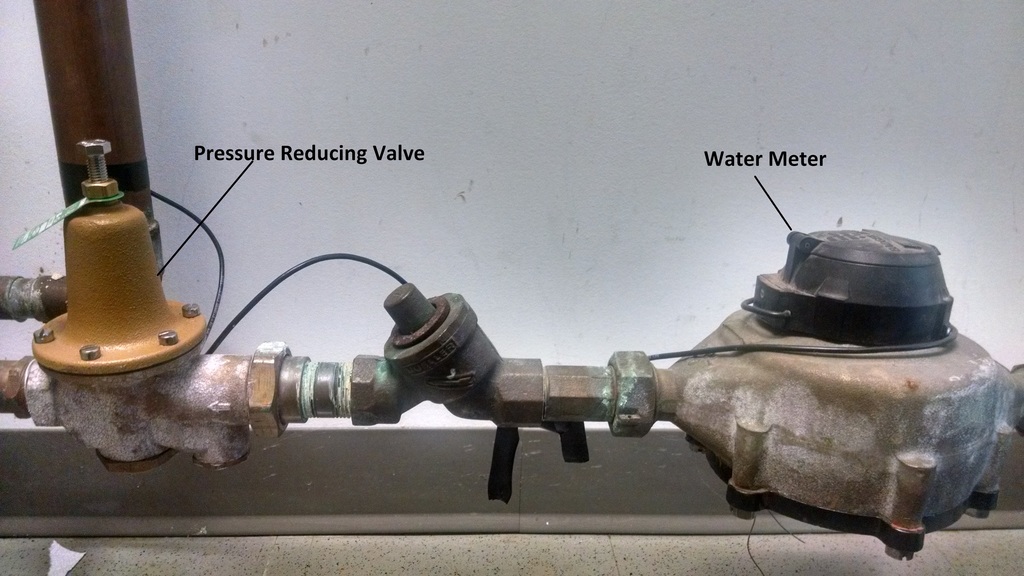
Before diving into the replacement process, it's essential to understand the PRV's function. Simply put, it reduces high inlet pressure to a lower, more usable outlet pressure. This protects downstream components from damage caused by excessive pressure. In residential plumbing, it safeguards fixtures and appliances. In HVAC systems, PRVs are frequently used in chilled water loops to maintain consistent pressure and prevent water hammer. A malfunctioning PRV can lead to various problems, including leaks, inconsistent water pressure, and even damage to equipment.
Step-by-Step Guide to PRV Replacement
Safety First: Always prioritize safety. Turn off the water supply to the system before beginning any work. Wear appropriate personal protective equipment (PPE), including safety glasses and gloves.
- Identify the PRV: Locate the PRV within the system. It's typically installed on the main water line entering a building or within the HVAC equipment it serves.
- Isolate the Valve: Close the shut-off valves upstream and downstream of the PRV. If isolation valves aren't present, you may need to shut off the main water supply.
- Relieve Pressure: Open a faucet or drain valve downstream of the PRV to relieve any residual pressure in the system. This prevents water from spraying when disconnecting the valve.
- Disconnect the Valve: Using appropriate wrenches, carefully disconnect the PRV from the piping. Be prepared for some water to spill. A pipe wrench and adjustable wrench are commonly needed. Clean the threads on the connecting pipes.
- Inspect the Piping: Examine the connecting pipes for any corrosion or damage. If necessary, repair or replace these pipes before installing the new PRV.
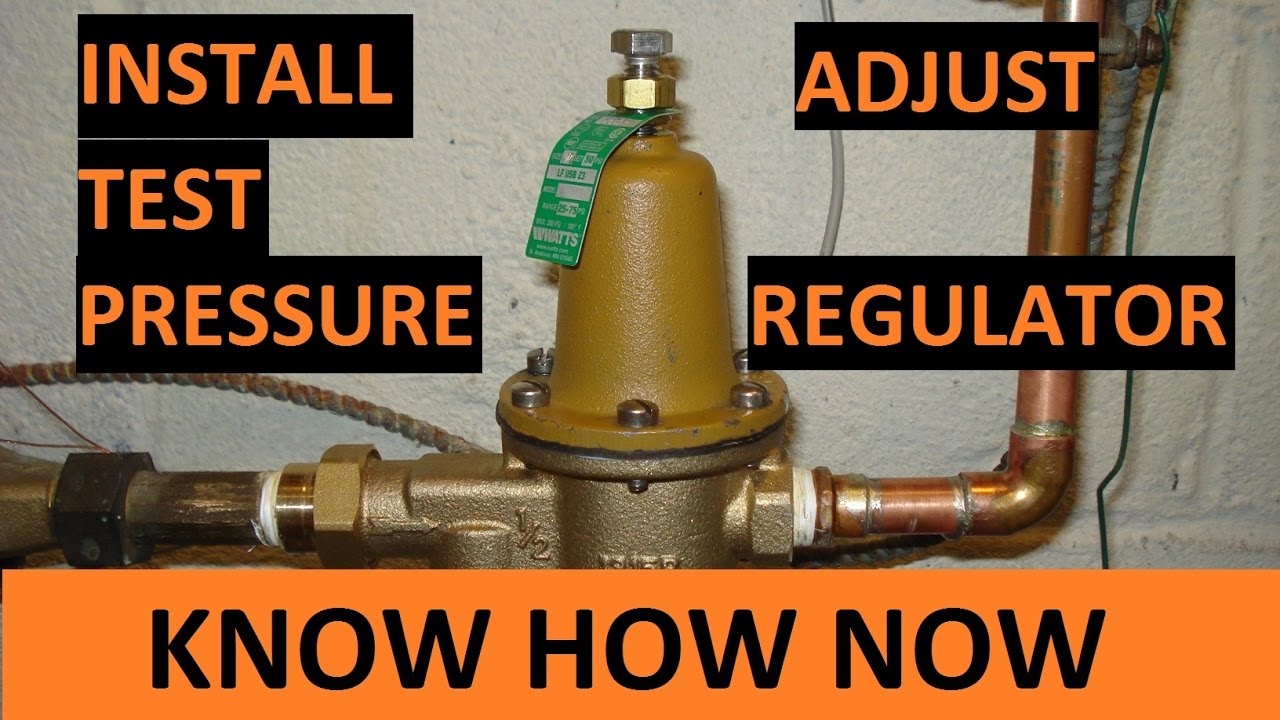
- Prepare the New PRV: Ensure the new PRV is the correct type and size for the application. Wrap Teflon tape around the threads of the new PRV's connections to create a watertight seal. Make sure to apply the tape in the correct direction so it doesn't unravel when tightening the fitting.
- Install the New PRV: Carefully align the new PRV with the existing piping and tighten the connections using wrenches. Do not overtighten, as this can damage the valve or the piping.
- Slowly Restore Water Pressure: Gradually open the upstream shut-off valve, allowing water to slowly fill the system. Check for leaks around the PRV connections.
- Adjust the Outlet Pressure: Most PRVs have an adjustment screw that allows you to set the desired outlet pressure. Use a pressure gauge to verify the outlet pressure and adjust the screw accordingly. Consult the manufacturer's instructions for the correct pressure setting.
- Monitor for Leaks: After setting the pressure, continue to monitor the PRV and surrounding piping for leaks for several hours.
Tools and Materials Required
A successful PRV replacement requires the right tools and materials. Here's a checklist:
- New Pressure Reducing Valve (correct size and type)
- Pipe Wrenches (various sizes)
- Adjustable Wrench
- Teflon Tape
- Pipe Cutter (if piping modifications are needed)
- Pipe Joint Compound (optional)
- Pressure Gauge
- Safety Glasses
- Gloves
- Bucket and Rags
Troubleshooting Common Issues
Even with careful installation, problems can sometimes arise. Here are some common troubleshooting tips:
- Leaks: Check the connections for leaks and tighten them as needed. If the leak persists, try reapplying Teflon tape.
- Low Outlet Pressure: Ensure the upstream shut-off valve is fully open. Check the PRV for any obstructions. Adjust the pressure setting if necessary.
- High Outlet Pressure: If the outlet pressure is too high, even after adjusting the screw, the PRV may be faulty and need to be replaced.
- Noisy Operation: Noise can be caused by excessive flow velocity or debris in the valve. Try reducing the flow rate or flushing the system.
Career Opportunities and Salary Expectations in HVAC
The HVAC industry is experiencing significant growth, driven by factors such as increasing demand for energy-efficient systems and a growing awareness of indoor air quality. The Bureau of Labor Statistics projects a positive job outlook for HVAC technicians, with an estimated growth rate of 6% over the next decade. This translates to roughly 38,000 new jobs. The median annual wage for HVAC mechanics and installers was $51,390 in May 2021. The highest 10 percent earned more than $81,630.
Entry-level positions often start with apprenticeships, providing on-the-job training and classroom instruction. As technicians gain experience and expertise, they can advance to more specialized roles, such as HVAC service manager, project manager, or even business owner. Many technicians also specialize in specific areas, such as commercial refrigeration, building automation, or renewable energy systems.
Real-World Example: Consider Sarah, who started as an HVAC apprentice after graduating from a technical school. She worked her way up to becoming a lead technician, specializing in VRF (Variable Refrigerant Flow) systems. Her expertise and certifications allowed her to command a higher salary and take on more challenging projects. She is now considering becoming a certified HVAC instructor to give back to her community.
The Importance of Certifications
Certifications play a crucial role in demonstrating competency and enhancing career prospects in the HVAC industry. Employers often prefer to hire certified technicians, as it assures them of a certain level of knowledge and skill. Some of the most recognized certifications include:
- NATE (North American Technician Excellence): NATE certification is widely recognized and respected throughout the industry. It demonstrates a technician's knowledge and skills in specific areas, such as air conditioning, heating, and refrigeration.
- EPA Section 608 Certification: Required by law for technicians who handle refrigerants. This certification ensures that technicians understand the proper procedures for handling and disposing of refrigerants, protecting the environment from harmful emissions. There are different levels of certification depending on the type of equipment a technician works on.
- HVAC Excellence: Offers a range of certifications for various HVAC specialties, including residential and commercial systems.
- RSES (Refrigeration Service Engineers Society): Provides educational resources and certifications for refrigeration and air conditioning professionals.
- State and Local Licensing: Many states and municipalities require HVAC technicians to be licensed. Licensing requirements vary by location, so it's important to check the specific regulations in your area.
Pursuing certifications requires dedication and effort, but the rewards can be significant. Certified technicians often command higher salaries, have access to more job opportunities, and enjoy greater career stability.
HVAC Industry Trends and Future Outlook
The HVAC industry is constantly evolving, driven by technological advancements and changing consumer demands. Some of the key trends shaping the industry include:
- Energy Efficiency: There is a growing demand for energy-efficient HVAC systems that can reduce energy consumption and lower utility bills. This includes technologies such as variable-speed compressors, smart thermostats, and heat pumps.
- Smart Home Integration: HVAC systems are increasingly being integrated with smart home technologies, allowing homeowners to control their systems remotely and optimize energy usage.
- Indoor Air Quality: Concerns about indoor air quality are on the rise, leading to increased demand for air purifiers, filtration systems, and ventilation solutions.
- Green Refrigerants: The industry is transitioning to more environmentally friendly refrigerants with lower global warming potential (GWP). This is driven by regulations and a growing awareness of the environmental impact of refrigerants.
- Building Automation Systems: These systems integrate and control various building systems, including HVAC, lighting, and security, to optimize energy efficiency and occupant comfort.
To stay competitive in the HVAC industry, professionals need to stay up-to-date on the latest trends and technologies. This requires continuous learning and professional development. Attending industry conferences, taking online courses, and reading trade publications are all excellent ways to stay informed.
In conclusion, mastering the skills required to replace a pressure reducing valve is a stepping stone in a rewarding and growing HVAC career. With dedication, continuous learning, and relevant certifications, you can build a successful and fulfilling career in this dynamic industry. Remember to prioritize safety, follow best practices, and stay informed about the latest trends and technologies. The future of HVAC is bright, and with the right skills and knowledge, you can be a part of it.